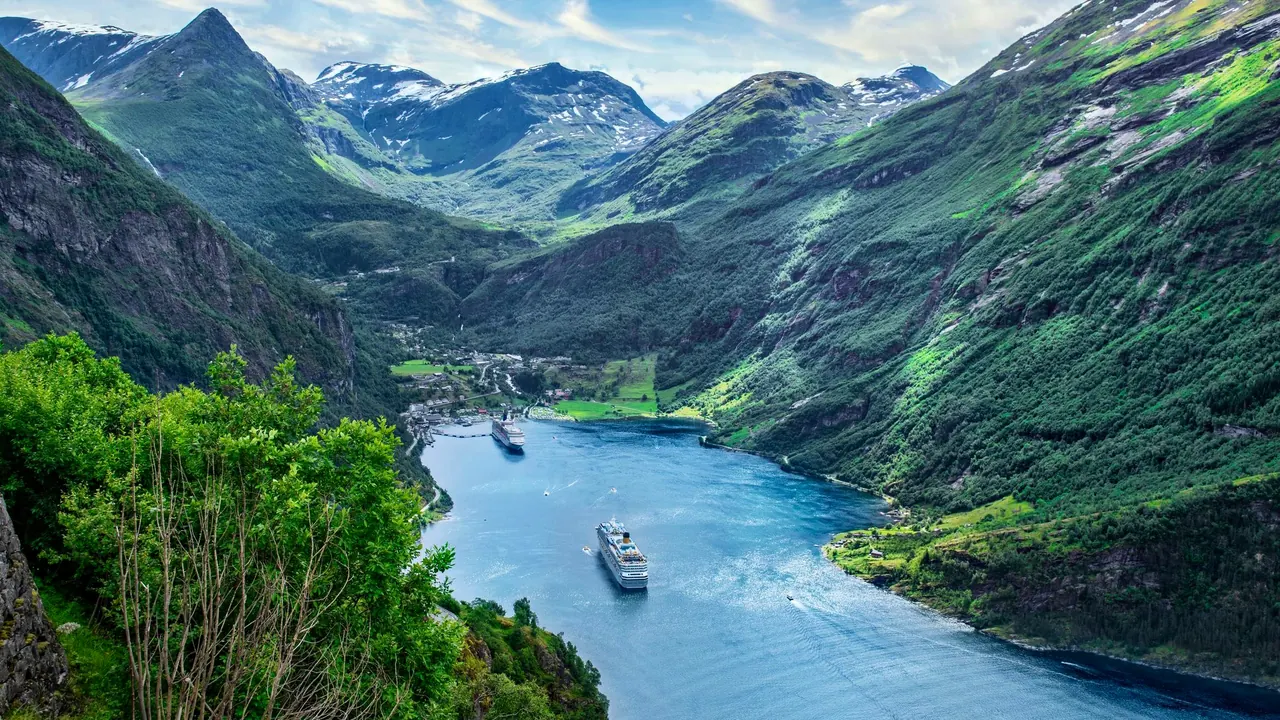
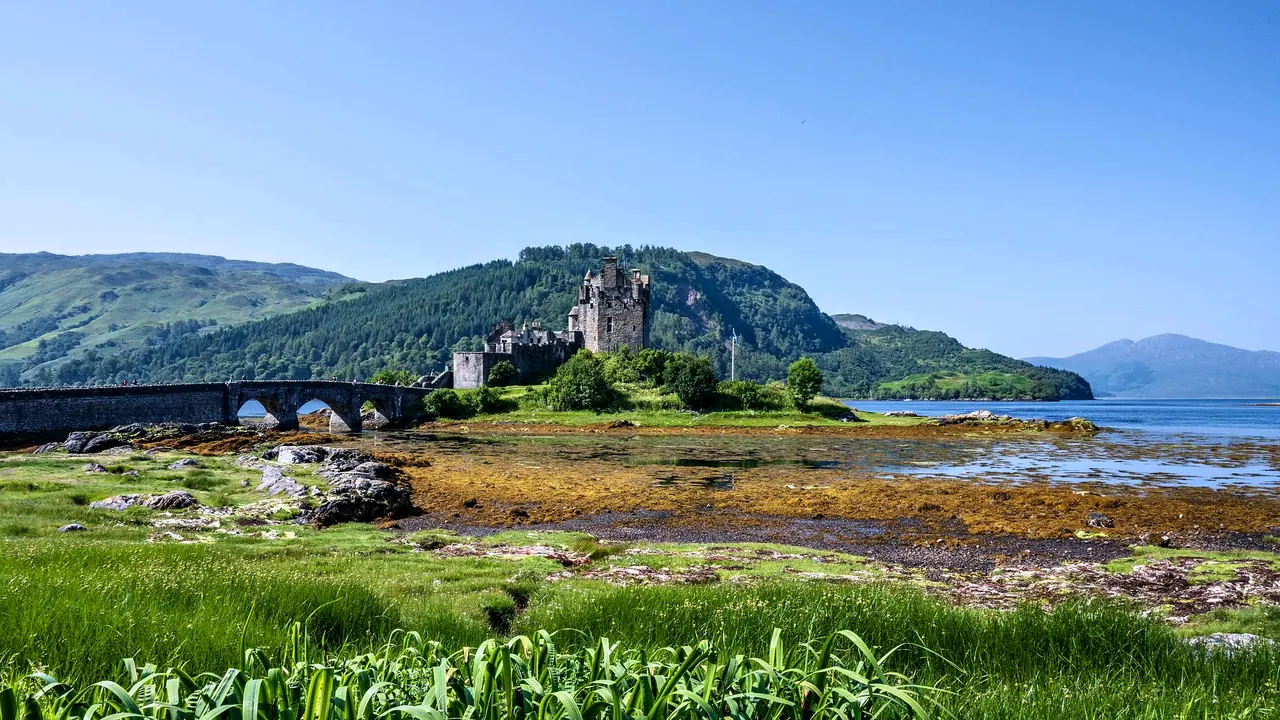
Photos: Norwegian Fjords by Enrique, Pexels License; Scottish Highlands by Evelin Magnus, Pexels License.
Norwegian Fjords or Scottish Highlands?
Our verdict in twelve categories, each scored against the same fixed benchmark cities, and the climate month by month, so you can choose for your trip.
Choose Norwegian Fjords for
- getting around
- live music and the arts
- culture and sights
Choose the Norwegian Fjords for the bigger landscape and the easier trip around it. The cliffs, glaciers and waterfalls are on a grander scale, Bergen adds a real city with a Hanseatic wharf, an orchestra and evenings out, and the train and boat routes let you see a great deal without a car. Families are well served too. The catch is cost, which is steep at every turn.
Choose Scottish Highlands for
- prices
- beaches
- day trips
The Scottish Highlands suit a traveller who would rather spend less and drive more. Expect wild mountain country with eagles, dolphins and otters, white-sand bays that beat anything on the fjords, whisky at the distillery and history read into the glens at Culloden and Glencoe. You will need a car and patience on single-track roads, and the nights end with a folk session in a small pub, not a club.
Scoreboard
Twelve categories on one fixed scale from 0 to 100. The shaded stretch is the gap between the two.
Your match
Pick a travel style or drag the sliders, and both match scores follow your weighting.
Wins on getting around and live music and the arts with your weighting.
Wins on prices and beaches with your weighting.
What matters to you?
Category by category
What the scores mean for a trip.
Beaches & swimming
Neither is a beach destination, but the Highlands have the better sand. Morar, Arisaig, Achmelvich and remote Sandwood Bay have pale beaches and turquoise water that look almost tropical on a clear day, and they are good for long walks and rock pools even when the sea is too cold for much more than a dip.
On the fjords the shore is mostly rock, quays and wooded slopes. People swim from jetties and small pebble coves, and for real sand you have to go out to the Jæren dunes south of Stavanger or to a few islands off Bergen and Ålesund.
Food & drink
The two are evenly matched and both cook from cold water. The fjords add klippfisk from the Ålesund coast, cider and cherries from the Hardanger orchards, and the widest choice in Bergen and Stavanger, from the harbour fish market to Nordic tasting menus.
The Highlands answer with langoustines, scallops and venison, quayside seafood shacks in Oban, Ullapool and Portree, and whisky tastings at distilleries across the region. In both places the village choice shrinks to a hotel dining room or bar that closes early.
Culture & sights
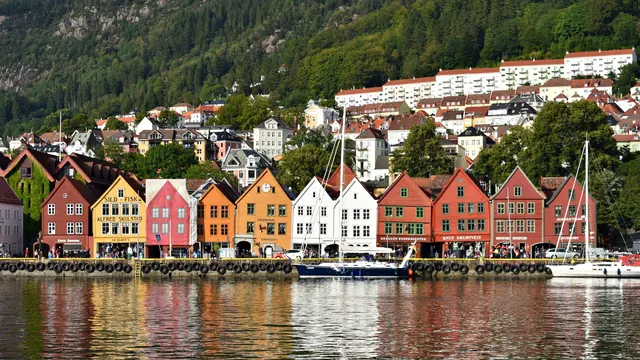
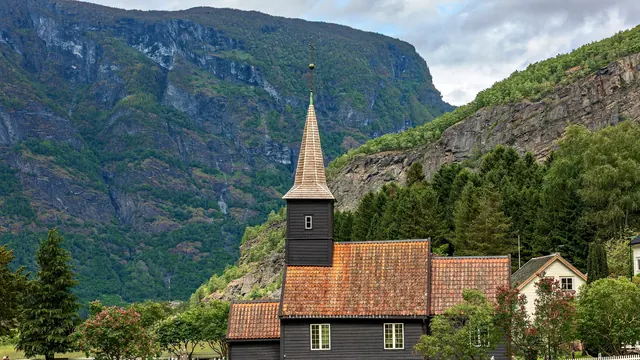
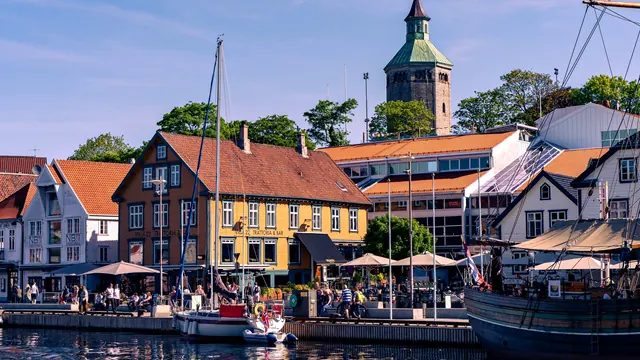
The fjords have more to show. Most of it is in Bergen, with the timbered Bryggen wharf, Håkon's Hall, the Munch holdings at KODE and Grieg's Troldhaugen, and Ålesund adds a whole town of Art Nouveau facades. Out along the water, the stave churches at Urnes, Borgund and Hopperstad are some of the oldest wooden buildings in Norway.
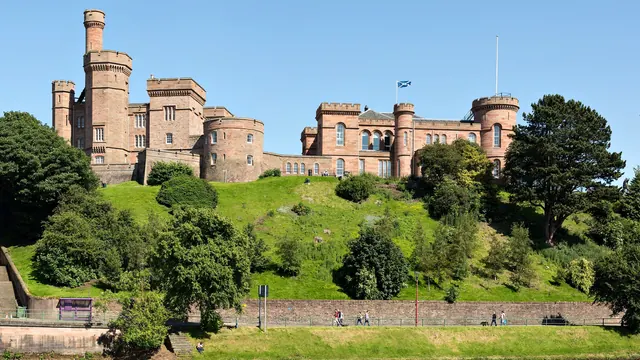
Highland history comes as single sites spread across a big map: Culloden, Urquhart Castle above Loch Ness, Eilean Donan and the Glencoe memorial. Inverness has no old centre to explore, so seeing them means a lot of driving, and much of the story is told by the empty glens themselves.
Nightlife
The fjord region has more of a night out, almost all of it in Bergen. Students keep pubs, cocktail bars and a few clubs busy around the harbour at weekends, and Stavanger's waterfront fills up on summer evenings, although the price of alcohol keeps most nights short.
In the Highlands, Inverness has a few late bars by the river, but clubs barely exist. Evenings mean a pub full of walkers in Fort William or Portree, or a dram by the fire with a folk session, and most places are quiet before midnight.
Nature & outdoors
Both are among Europe's great wild landscapes, and the fjords have the edge in sheer scale. Rock walls drop hundreds of metres into the Geirangerfjord and Nærøyfjord, waterfalls and glaciers hang above them, and there are big set-piece walks to Preikestolen and Trolltunga, plus guided walks on the Jostedalsbreen glacier.
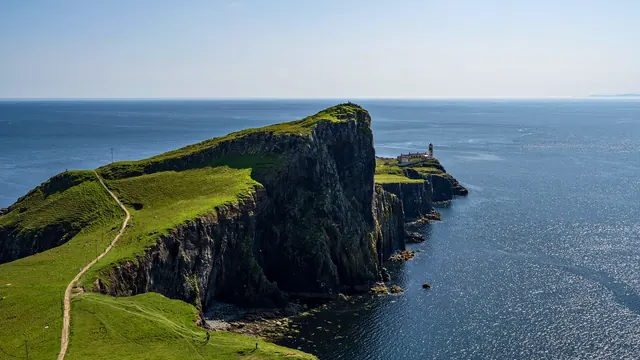
The Highlands are rougher and more varied: Glencoe, Ben Nevis, the Cuillin ridge on Skye and the arctic-feeling plateau of the Cairngorms. Their real strength is wildlife, with eagles, red deer, otters and dolphins off Chanonry Point, and there is modest skiing in winter. Summer midges are the main thing against them.
Day trips
The two are broadly level, and in both the outings lead to small places. In Norway the journey is the attraction: the Flåm railway, a boat on to Undredal, an express boat up to Balestrand or Ole Bull's island villa at Lysøen. Bergen, Stavanger and Ålesund are long journeys apart, so most visitors pick one or two bases.
In the Highlands the best outings are island crossings, such as Oban to Mull and Iona with its abbey, along with the steam train over the Glenfinnan Viaduct and the Speyside distilleries. Slow roads make every trip longer than the map suggests.
Good for families
The fjords are easier with children, mainly because Bergen is such a good base. It has an aquarium, the VilVite science centre and the Fløyen funicular up to woods and a playground. Ålesund's sea aquarium and the hands-on petroleum museum near Stavanger fill wet days, and boats and the Flåm railway work for all ages.
The Highlands work for outdoor families based around Aviemore, with the wildlife park, reindeer and forest trails, and children love the beach rock pools. Expect long drives, wet days that need a backup plan, and midges on summer evenings.
Getting around
The fjords are much easier without a car. A well-known car-free loop runs from Bergen by train to Myrdal, down the Flåm railway, by boat along the Nærøyfjord and back by bus, and express boats run up the Sognefjord. If you do drive, there are tunnels, hairpin bends and car ferries, and some high roads close outside summer.
In the Highlands a car is close to essential. The scenic railways reach Fort William, Mallaig and Kyle of Lochalsh, but not the trailheads and beaches. Much of the west and north is single-track road, slowed further by camper vans and sheep.
Shopping & style
Neither is a place to shop, and both come down to local crafts. In Norway that means patterned wool sweaters, pewter, knives and Hardanger embroidery, with workshops in the old buildings of Bryggen, all at high prices.
In the Highlands it means tweed, tartan and knitwear, whisky bought at the distillery and craft studios on Skye, with Inverness's Victorian covered market as the one town-centre highlight.
Affordability
Few places in Europe cost more to travel in than the fjords. Hotels in Flåm and Geiranger, restaurant meals and heavily taxed alcohol all cost far more than most visitors expect, and scenic trains, boats and car ferries add up quickly. Renting a cabin, camping and buying picnics at the supermarket help, but only so far.
The Highlands are clearly cheaper, though they are not cheap in season. From May to September, rooms on Skye, around Glencoe and along the northern coastal route are scarce and sell out early, and fuel and car hire add to the bill. Hostels, bothies, campsites and self-catering cottages cost less, and coming outside high summer helps.
Live music & performing arts
The fjords offer more formal music. Bergen has its historic Philharmonic in Grieghallen and a major spring festival of music and theatre, and there are summer Grieg recitals at Troldhaugen. Stavanger has its own symphony orchestra, and Molde's jazz festival takes over the town each July.
Highland music is traditional and informal: fiddle and pipe sessions in pubs, ceilidhs in village halls, Gaelic song in the west, and pipe bands at the Highland games. Outside the Inverness theatre there is little classical music.
Wellness & relaxation
Neither has a bathing tradition, and both are places to switch off rather than be pampered. The Norwegian version is a wood-fired sauna on a jetty or floating platform, followed by a plunge into the fjord, and a quiet room above still water.
The Scottish version is a cottage at the end of a single-track road with an open fire and a dram, or a cold dip in a loch. There are a few country-house spas around Speyside and Skye.
When should you go?
Pick your month. The climate figures are measured averages, not a forecast.
Norwegian Fjords in July
Scottish Highlands in July
Daytime high, °C
Rainfall in the month, mm
Where the figures come from
Norwegian Fjords's temperatures are measured 27 km from the centre, at Fjaerland Bremuseet Bøyum.
Norwegian Fjords has no rain gauge within 25 km of the centre, so its rainfall comes from a gridded climate dataset read at the destination rather than from a gauge further away.
Scottish Highlands has no rain gauge within 25 km of the centre, so its rainfall comes from a gridded climate dataset read at the destination rather than from a gauge further away.
Scottish Highlands's sunshine is measured 44 km from the centre, at Kinloss.
Temperature and rainfall are climate normals, averaged over the years shown. Norwegian Fjords: 2006-2020 (rainfall 1991-2020) normals, Fjaerland Bremuseet Bøyum (27.2 km from centre). Scottish Highlands: 2005-2020 (sunshine 1991-2020, rainfall 1991-2020) normals, Inverness / Dalcross (12.1 km from centre).
Both are summer destinations, but the fjords depend on the season more. Around the main bases, July brings highs of about 20°C, the high trails and mountain roads open from June, and late spring is the driest stretch. From September the rain builds heavily, and winter brings daytime highs close to freezing and the wettest weather of the year, around 184mm in December.
The Highlands, measured where most visitors stay, change less through the year. Summer is barely cooler, winter highs hold around 6°C, and every month is drier than on the fjords. May is the sunniest month and one of the driest, so late spring is the best time for hill walking. The sea peaks at about 14°C in July and August, which means a swim there is always a quick dip.
Which traveller are you?
On a trip on a tight budget, the Norwegian Fjords are hard going, with almost everything costing more than visitors expect. The Scottish Highlands make money go further if you book a hostel or cottage early, and the hills and beaches are free.
On a family trip with children, the Norwegian Fjords are easier. One city base covers the rainy days, and trains and boats replace hours in the car. The Highlands mean long drives, with wet days and midges to plan around.
For a culture and arts trip, choose the Norwegian Fjords. Most of what there is to see sits in walkable Bergen, where a day of history can end at an orchestral concert. Each Highland site is a separate drive, and the music is mostly folk in the pub.
Before you go
| Measure | Norwegian Fjords | Scottish Highlands |
|---|---|---|
| Official language | Norwegian, Nynorsk, Bokmål, Sámi | English |
| Currency | Norwegian Krone (NOK) | Pound Sterling (GBP) |
| Sockets | CF230 V, 50 Hz | G230 V, 50 Hz |
| Driving side | Right | Left |
| Time zone | UTC+1, UTC+2 in summer | UTC, UTC+1 in summer |
| Emergency number | Police 112, ambulance 113, fire 110 | 112 or 999 |
| Main airport | Bergen Airport, Flesland (BGO)64 non-stop destinations | Inverness Airport (INV)15 non-stop destinations |
| Public holidays this year | 13 days | 10 days |
By the numbers
| Measure | Norwegian Fjords | Scottish Highlands |
|---|---|---|
| Swim season, months above 21 °C | - | None |
Where else could you go?
Every comparison below shares a destination with this one, so you can follow Norwegian Fjords or Scottish Highlands somewhere new.
- Lake Districtvs Scottish Highlands
- Yorkshire Dalesvs Scottish Highlands
- Snowdoniavs Scottish Highlands
- Peak Districtvs Scottish Highlands
- Cotswoldsvs Scottish Highlands
- Isle of Wightvs Scottish Highlands