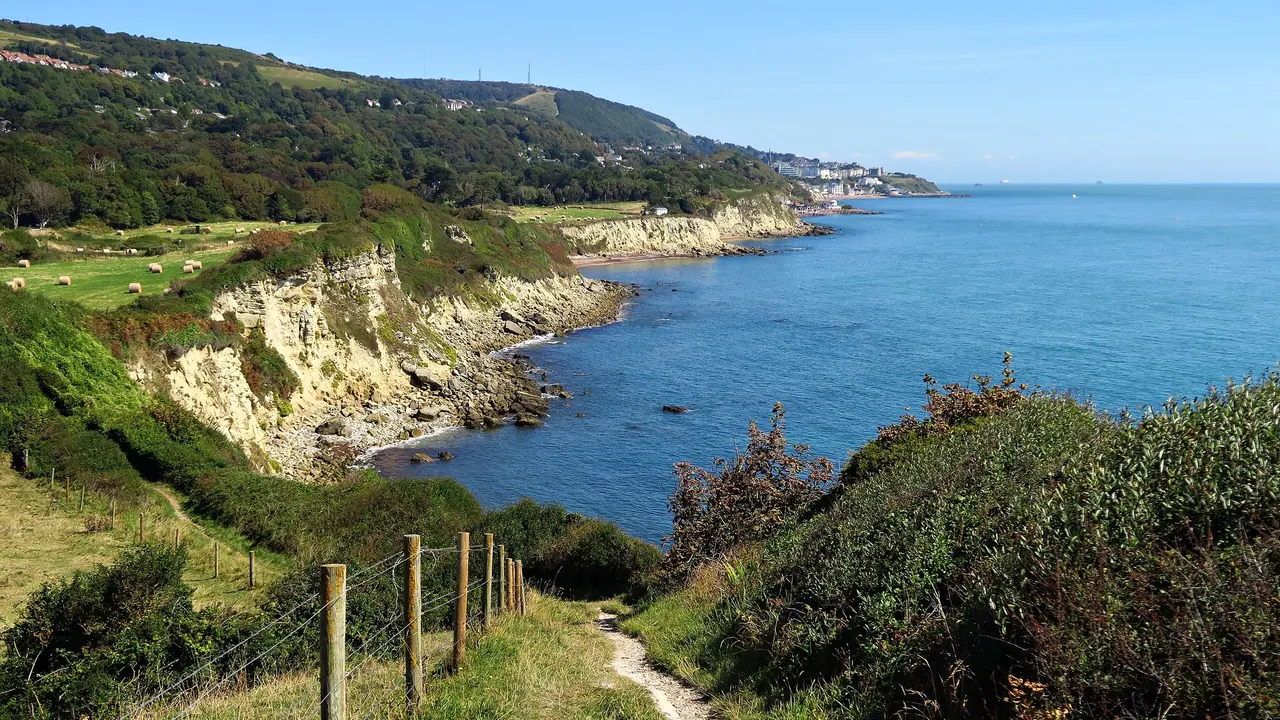
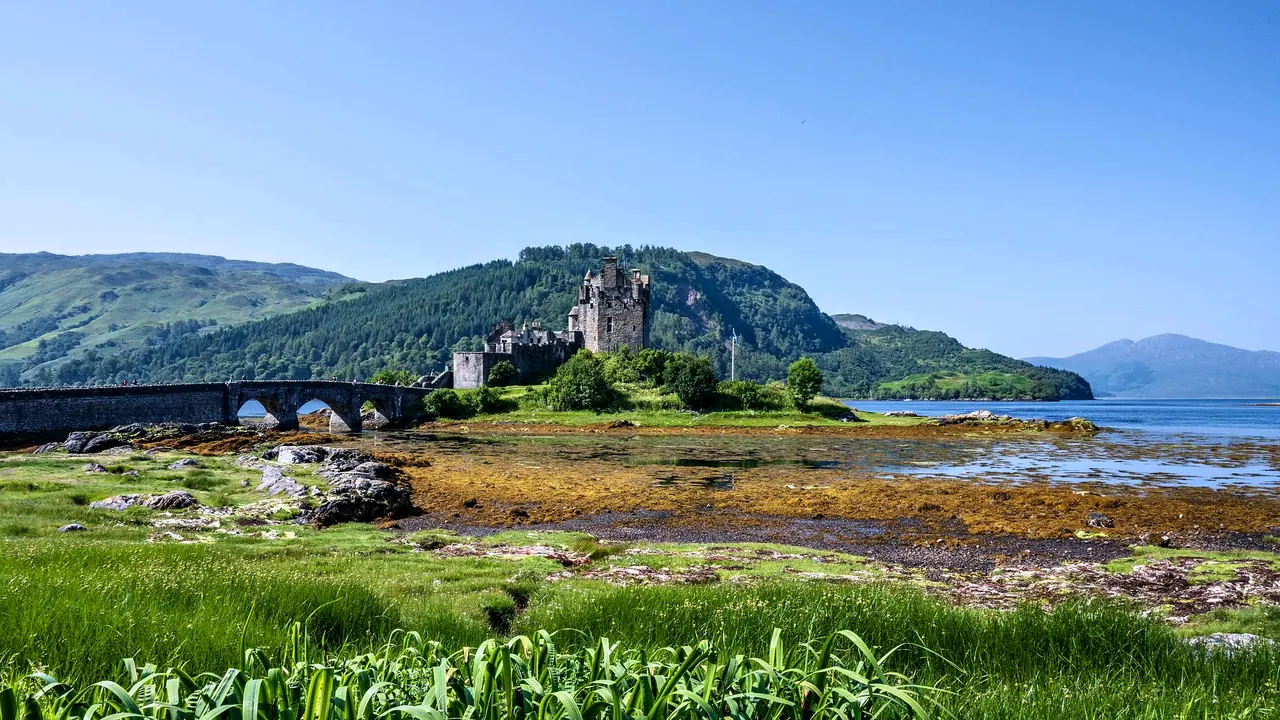
Photos: Isle of Wight by Michael Coppins, CC BY-SA 4.0, cropped; Scottish Highlands by Evelin Magnus, Pexels License.
Isle of Wight or Scottish Highlands?
Our verdict in twelve categories, each scored against the same fixed benchmark cities, and the climate month by month, so you can choose for your trip.
Choose Isle of Wight for
- getting around
- families
- beaches
The Isle of Wight suits a traditional seaside vacation, especially with children. Its sheltered sandy bays, family attractions and short distances mean you can spend a week without long drives. Buses and the little railway along the east coast make it workable without a car, and the sea is about as warm as the English coast gets. It gives up drama, though: the downs and cliffs are lovely, but gentle.
Choose Scottish Highlands for
- nature and the outdoors
- wellness
- food and drink
The Scottish Highlands are for travellers who come for the landscape and are willing to cover long distances to see it. Glencoe, Skye, Torridon and the Cairngorms offer real mountains, eagles, otters and empty white beaches, and the seafood and whisky are better than anything the island serves. The cost is time behind the wheel on single-track roads, a cold sea and weather that changes fast. It suits walkers, wildlife watchers and anyone who wants remoteness more than amusements.
Scoreboard
Twelve categories on one fixed scale from 0 to 100. The shaded stretch is the gap between the two.
Your match
Pick a travel style or drag the sliders, and both match scores follow your weighting.
Too close to call, 1 point apart
Wins on getting around and families with your weighting.
Wins on nature and the outdoors and wellness with your weighting.
What matters to you?
Category by category
What the scores mean for a trip.
Beaches & swimming
The island's beaches are built for spending the day on them: Sandown Bay's long sheltered curve, Ryde's flat sands at low tide, and wilder Compton Bay for a bit of surf. In late summer the sea is warm enough for swimming, though plenty of visitors only paddle.
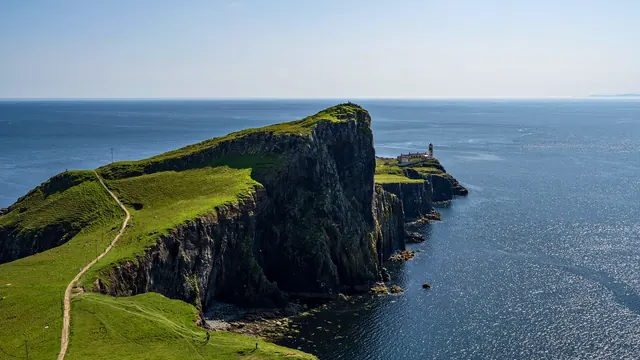
The Highlands win on looks. Morar, Achmelvich and Sandwood Bay have pale sand and turquoise water that the Channel coast cannot match. But the water stays several degrees colder, so a swim usually means a short, bracing dip in a wetsuit, and these beaches are better for walks and picnics than for lazy afternoons.
Food & drink
The Highlands eat better, mainly because of the west coast catch. Langoustines, scallops and oysters from quayside shacks in Oban, Ullapool and Portree, a few dining rooms on Skye and in Wester Ross worth the drive, and distillery tastings give a trip real food highlights.
The island's food is pleasant rather than memorable: crab sandwiches in harbour pubs at Bembridge and Ventnor, island garlic and tomatoes from farm shops, and cream teas in Godshill. In both places, village eating rarely goes beyond the pub.
Culture & sights
The two are broadly level, but the sights are arranged very differently. On the island, Osborne House and Carisbrooke Castle are a short drive apart, and Brading's Roman mosaics and Tennyson's Freshwater add easy half days.
Highland heritage covers a far larger area and is closely tied to the landscape. Culloden's battlefield, Eilean Donan on its tidal island, Urquhart above Loch Ness and the empty townships of the Clearances mean a day of driving and more history felt in place than in museums.
Nightlife
Neither is a place for going out, and both close early. The island has a few late bars in Newport and Ryde, and one big week, when the Cowes regatta fills the waterfront in August. A Highland night means a pub full of walkers in Fort William or Portree, a dram by the fire and perhaps a folk session, with a bit more choice by the river in Inverness.
Nature & outdoors
This is where the Highlands pull clearly ahead. The rock walls of Glencoe, the Cuillin, Torridon's ancient sandstone peaks and the arctic-feeling Cairngorms are true mountains, with scrambling, sea kayaking and wildlife that includes eagles, otters and the dolphins off Chanonry Point. Midges and fast-changing weather come with it.
The island's countryside is gentle and easy to reach. Tennyson Down to the Needles, the overgrown Undercliff and a coastal path that circles the whole island make fine walking, and the Solent offers some of the best sailing anywhere. But it is farmland and chalk, not wilderness.
Day trips
Both offer a similar amount, but the outings differ in kind. From the island, short ferry crossings reach real cities and big sights: HMS Victory and the Mary Rose in Portsmouth, Winchester's cathedral, and Beaulieu and the New Forest from Lymington.
Highland outings lead to small, remote places. You can take a ferry from Oban to Mull and Iona, ride the steam train over the Glenfinnan Viaduct, or drive through Speyside's distilleries, and each takes most of a day on slow roads.
Good for families
The island is the more natural family choice. Gently shelving sand, Blackgang Chine's smugglers and dinosaurs, fossil hunts on the south-west beaches and the chairlift down to Alum Bay all lie within short drives, and cottages and caravan parks are set up for children.
The Highlands work for families who like the outdoors, best around Aviemore with its reindeer herd and wildlife park. Long drives, wet days and summer midges make it harder with small children.
Getting around
The island is small enough to manage without a car. Buses link every town, open-top buses climb to the Needles in summer, and the short railway from Ryde Pier serves the east-coast resorts. A car helps mainly for the remote south-west.
In the Highlands, a car is close to essential. Scenic railways reach Fort William, Mallaig and Kyle of Lochalsh, but the trailheads and beaches people come for lie along single-track roads with passing places, where journeys take far longer than the map suggests.
Shopping & style
Neither is a shopping destination, but the Highlands have more worth taking home: tweed and knitwear, whisky bought at the distillery, smoked fish, and studio pottery on Skye. The island's best buys are nautical clothing from Cowes chandlers, glass and pottery, and jars of Alum Bay sand.
Affordability
Both are expensive in summer and noticeably cheaper in spring and autumn. On the island, the main extra cost is the ferry, especially with a car, but a foot crossing plus buses and caravan parks keep things reasonable. In the Highlands, rooms on Skye and around Glencoe are scarce and sell out early, and fuel and car hire add up, though bothies, campsites and free hills help.
Live music & performing arts
On the Isle of Wight, live music mostly means one June weekend, when the Isle of Wight Festival brings a big rock and pop line-up to the fields outside Newport. The festival goes back to its famous late-1960s gatherings. The rest of the year, an evening out is pantomime or a touring show at Shanklin's Victorian theatre, or a covers band in a pub.
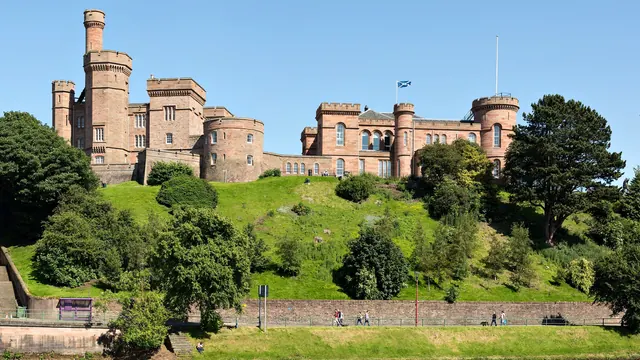
The Highlands have less spectacle but more music spread through the season. There are fiddle and pipe sessions in pubs in Fort William and Portree, ceilidhs where visitors learn the reels, Gaelic song in the west and pipe bands at the summer Highland games. The theatre in Inverness covers touring drama and dance.
Wellness & relaxation
Rest on the Isle of Wight is mild and easy to reach. Ventnor grew up as a place where Victorians came to recover in the soft south-coast air, and it still moves at an invalid's pace. Add a sea view from a clifftop seat and tea in the monks' garden at Quarr Abbey, and the days pass slowly without ever feeling remote. Spa treatments are limited to a few hotel rooms.
The Highlands offer a fuller kind of switching off, mainly because of the distance. Many lodges and cottages are miles from the nearest village, so the evenings are long, light and empty of noise and plans. A cold plunge in a loch has its keen followers, and the few pampering options are in country house hotels on Speyside and Skye. Neither place has a bathing tradition, but the Highlands take you further from everyday life.
When should you go?
Pick your month. The climate figures are measured averages, not a forecast.
Isle of Wight in July
Scottish Highlands in July
Daytime high, °C
Rainfall in the month, mm
Where the figures come from
Isle of Wight's temperatures are measured 39 km from the centre, at Bournemouth Airport.
Isle of Wight has no rain gauge within 25 km of the centre, so its rainfall comes from a gridded climate dataset read at the destination rather than from a gauge further away.
Scottish Highlands has no rain gauge within 25 km of the centre, so its rainfall comes from a gridded climate dataset read at the destination rather than from a gauge further away.
Scottish Highlands's sunshine is measured 44 km from the centre, at Kinloss.
Temperature and rainfall are climate normals, averaged over the years shown. Isle of Wight: 1991-2020 normals, Bournemouth Airport (38.9 km from centre). Scottish Highlands: 2005-2020 (sunshine 1991-2020, rainfall 1991-2020) normals, Inverness / Dalcross (12.1 km from centre).
The Isle of Wight is the warmer and sunnier of the two all year. July and August reach about 22°C, and the sea peaks around 18°C in August, so July to September is the only real window for swimming. Early summer is the driest and brightest stretch. October brings the wet season, with November the wettest month at about 116mm, but mild winters keep coastal walks possible in most months.
The Highlands run a few degrees cooler, with summer highs around 19°C and a sea that barely warms enough for a quick dip. The sunniest month is May, and it is also one of the driest, which is why late spring and September suit the hills best. Rain increases again from August, and from October to January the weather is wet and dark, with short days for walking.
Which traveller are you?
On a family trip with young children, the Isle of Wight is the easier choice. Sandown Bay shelves gently, Blackgang Chine and the zoo are short drives away, and nothing is far. The Highlands demand long, winding journeys that tire small children.
For an outdoors trip, the Highlands are in another league. Ben Nevis, the Cuillin ridge and the Cairngorm plateau, together with sea kayaking and eagle watching, give real wild country. The island offers pleasant coastal paths and cycling lanes, but no true hills.
On a beach and sun trip, choose the Isle of Wight. Its sea is noticeably warmer and its summers sunnier, and resort sands at Shanklin and Ryde are made for long days. Highland beaches are stunning to look at but too cold for proper swimming.
Before you go
| Measure | Isle of Wight | Scottish Highlands |
|---|---|---|
| Official language | English | English |
| Currency | Pound Sterling (GBP) | Pound Sterling (GBP) |
| Sockets | G230 V, 50 Hz | G230 V, 50 Hz |
| Driving side | Left | Left |
| Time zone | UTC, UTC+1 in summer | UTC, UTC+1 in summer |
| Emergency number | 112 or 999 | 112 or 999 |
| Main airport | Southampton Airport (SOU)15 non-stop destinations | Inverness Airport (INV)15 non-stop destinations |
| Public holidays this year | 8 days | 10 days |
By the numbers
| Measure | Isle of Wight | Scottish Highlands |
|---|---|---|
| Population | 140,459 | - |
| People per km² | 369 | - |
| Swim season, months above 21 °C | None | None |
Where else could you go?
Every comparison below shares a destination with this one, so you can follow Isle of Wight or Scottish Highlands somewhere new.
- Cotswoldsvs Isle of Wight
- Devonvs Isle of Wight
- Normandyvs Isle of Wight
- Cornwallvs Isle of Wight
- Peak Districtvs Isle of Wight
- Snowdoniavs Isle of Wight