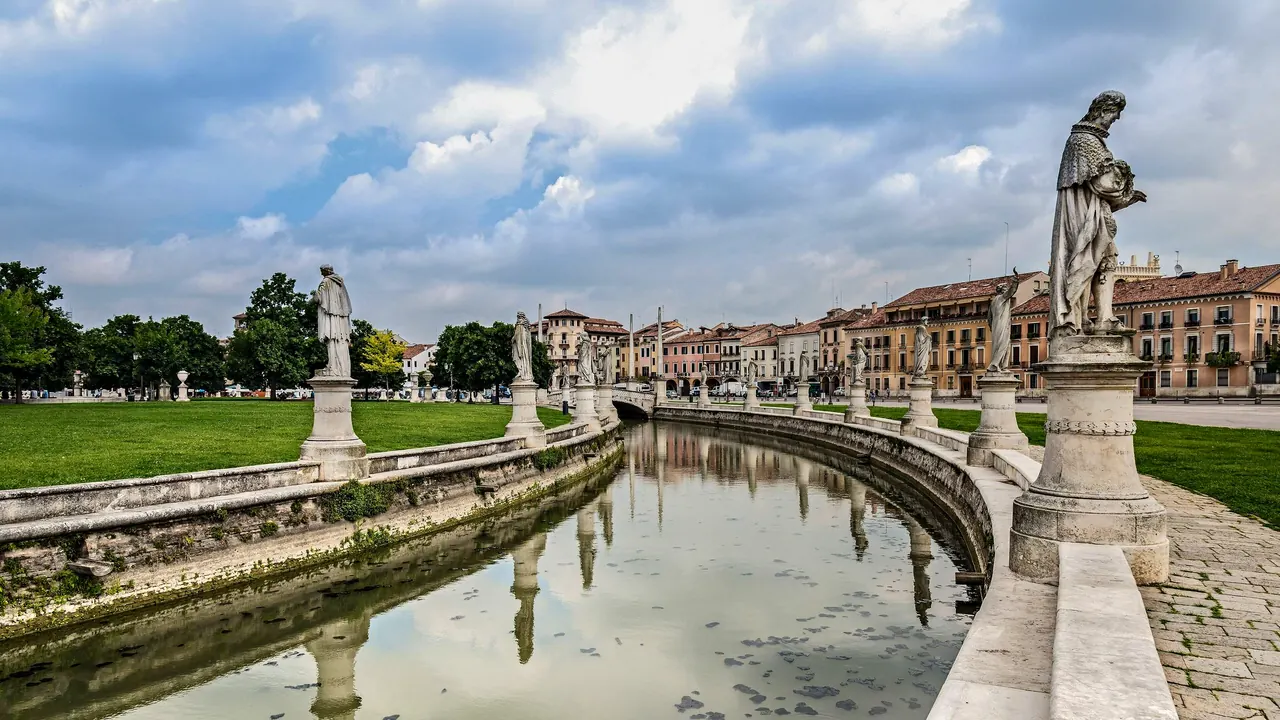
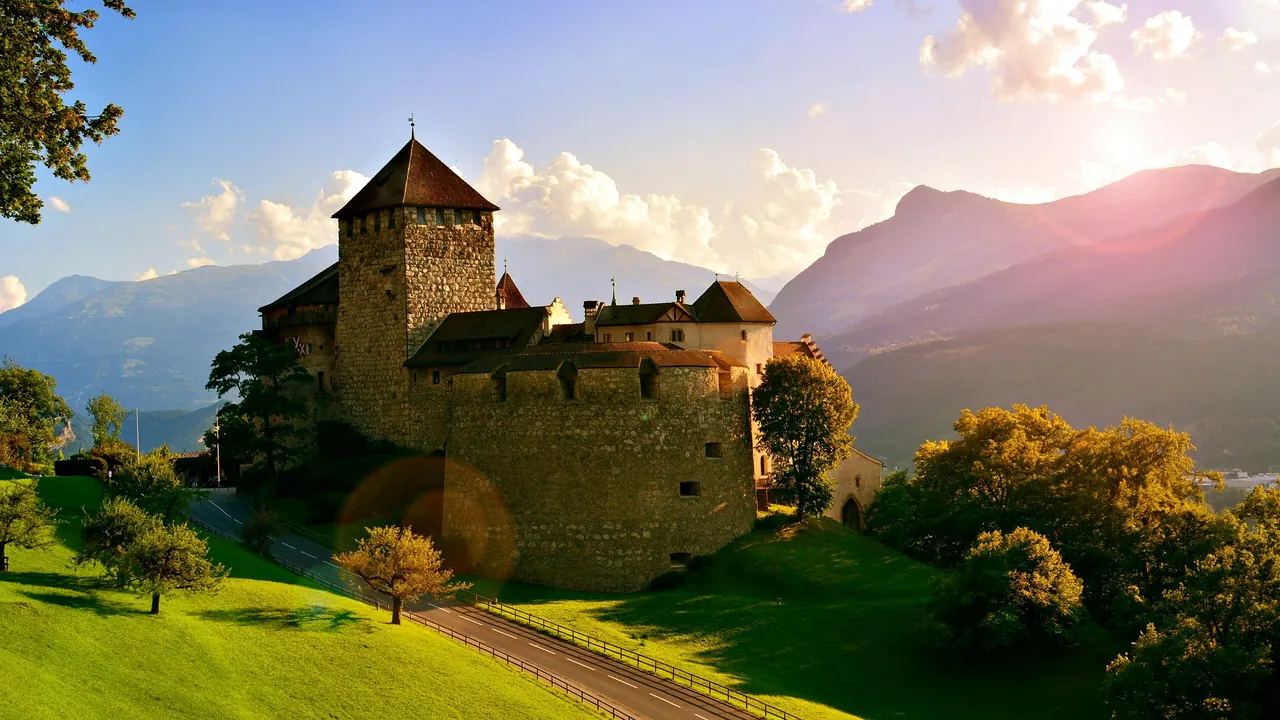
Photos: Padua by Didier Descouens, CC BY-SA 4.0, cropped; Vaduz by Justin LaBerge, CC BY 2.0, cropped.
Padua or Vaduz?
Our verdict in twelve categories, each scored against the same fixed benchmark cities, and the climate month by month, so you can choose for your trip.
Choose Padua for
- prices
- culture and sights
- food and drink
Padua suits travellers who want a lot within reach and good value while they get it. Giotto's frescoes, the Basilica of Saint Anthony and the markets under the Palazzo della Ragione fill the days in town. Venice, Vicenza, Verona and the thermal baths of Abano are a short ride away, and evenings start with a spritz in the squares. It is the better choice for culture, food, a sociable evening and keeping costs sensible.
Choose Vaduz for
- nature and the outdoors
Vaduz is for people who come mainly for the mountains. Trails start at the edge of town, Malbun and the Rätikon peaks are half an hour up the road, and the quiet, orderly evenings suit an early start. Walkers who don't mind Swiss prices and early nights, and who are happy with one day of museums, will find it a calm, scenic base. Anyone hoping for good food, nightlife or shopping will find little to do.
Scoreboard
Twelve categories on one fixed scale from 0 to 100. The shaded stretch is the gap between the two.
Your match
Pick a travel style or drag the sliders, and both match scores follow your weighting.
Wins on prices and culture and sights with your weighting.
Wins on nature and the outdoors with your weighting.
What matters to you?
Category by category
What the scores mean for a trip.
Beaches & swimming
Neither is a beach destination, but Padua at least has a proper sea day within reach. Sottomarina and the Lido of Venice are about an hour away, with warm, shallow, calm water that suits children, even if the sand is lined with rows of umbrellas.
Vaduz is landlocked, and the Rhine is not for swimming. Summer swims there mean the municipal pools or the cooler water of the Walensee and Lake Constance.
Food & drink
Padua eats far better. It has Venetian home cooking such as bigoli with duck sauce and baccalà, morning markets in Piazza delle Erbe and Piazza della Frutta, and Euganean wines with the early evening spritz. Fine dining and international food are limited, but everyday eating is a pleasure.
Vaduz offers solid Alpine food, such as Käsknöpfle and rösti, in a handful of hotel restaurants and village inns. It has no market life, and dinner ends early. Its one real treat is the Pinot Noir from the prince's vineyards below the castle.
Culture & sights
Padua's centre is compact and quickly covered, but almost everything in it is of European importance. Giotto's frescoes in the Scrovegni Chapel changed the course of painting, and the timed visits are worth booking ahead. Around them are the UNESCO-listed fresco cycles in the Eremitani and the Baptistery, Donatello's bronzes at the Basilica of Saint Anthony and the world's oldest permanent anatomical theatre at Palazzo Bo.
Vaduz offers a pleasant day rather than a great one. The black cube of the Kunstmuseum and the white Hilti Art Foundation beside it hold strong modern and contemporary art, and the National Museum and Postage Stamp Museum fill in the principality's story. The castle is the prince's home, so you only see it from the path below.
Nightlife
Padua has a real evening life, built on students. The squares around the Palazzo della Ragione fill up for aperitivo, and wine bars in the old ghetto stay busy during term. It is sociable rather than wild, and it goes quiet in high summer.
Vaduz has a few wine bars and hotel lounges on the Städtle. For a proper night out, people cross the border to Feldkirch or go to Zurich.
Nature & outdoors
This is where Vaduz pulls clearly ahead. Mountains rise straight from the valley floor, so you can walk from the centre into vineyards and beech forest. The Rätikon ridges, the exposed Fürstensteig and the skiing at Malbun are all half an hour away.
Padua sits on a flat plain. Its outdoors means the volcanic Euganean Hills about 15km out, level rides along the Brenta towpaths and birdwatching on the lagoon. For real mountain walking, the pre-Alps are about an hour and a half's drive away.
Day trips
Both make good bases, but Padua's options are exceptional and easier to reach. Venice is under half an hour by train, Vicenza a quarter of an hour, and Verona, Bologna and Ferrara about an hour. The Brenta villas and the walled towns around the Euganean Hills are closer still.
From Vaduz you can reach Feldkirch, St Gallen's abbey library, Appenzell and Lake Constance easily enough. Train journeys usually mean changing at Buchs or Sargans, though, so a car helps.
Good for families
Neither city has much made for children, so the difference lies in what families do instead. Padua has a flat, car-free centre, trattorias that welcome children and space to run in Prato della Valle. Gardaland and the Adriatic are within reach for a day out.
Vaduz is calm, safe and outdoors. Older children who like walking will enjoy the hills above Triesenberg and the beginner slopes at Malbun, but younger ones may find little to keep them busy.
Getting around
Padua is the easier place to get around, and its station is the main reason. Main lines run in every direction, so Venice, Vicenza, Verona and Bologna are quick train rides away and you don't need a car. In town, arcaded streets lead to every major sight within a twenty-minute walk, and a tram and bicycles cover the rest.
Vaduz has no station of its own. Its museums and cathedral are a few minutes apart along the pedestrian Städtle, and buses climb to Malbun. But any longer journey starts with a bus to a railway station across the border, so many visitors find it simpler to hire a car.
Shopping & style
Padua gives you an enjoyable browse rather than a shopping trip: Italian shoes and fashion under the arcades, university bookshops, food markets for cheese and wine, and a monthly antiques market in Prato della Valle.
In Vaduz, the Städtle has watches, jewellery, souvenirs and collectable stamps, and that is about all. A bottle of local wine is the best thing to take home.
Affordability
The gap here is wide. Padua's prices are moderate by northern Italian standards. Its hotels make an affordable base for Venice, and a market lunch or a standing spritz costs little.
Vaduz charges Swiss prices for everything, and with only a few hotels, budget rooms are scarce. Some visitors keep costs down by staying across the border in Austria.
Live music & performing arts
Padua has more going on all year. Teatro Verdi stages theatre and some opera, a chamber orchestra plays in the Sala dei Giganti and the Basilica, and students keep small music venues running. The Fenice in Venice and the summer opera in Verona's Arena are within easy reach.
Liechtenstein's offer is smaller and centres on the theatre in neighbouring Schaan, a short symphony season and a summer classical festival.
Wellness & relaxation
Padua has a major spa district right on its doorstep. Abano Terme and Montegrotto Terme, about 12km away, have dozens of thermal pools fed by very hot mineral water, along with mud treatments dating back to Roman times. A soak after a morning of sightseeing is easy to fit in.
Vaduz relaxes you through quiet and mountain views rather than spas. Its main bathing option is Bad Ragaz across the Rhine, with water from the Tamina gorge.
When should you go?
Pick your month. The climate figures are measured averages, not a forecast.
Padua in July
Vaduz in July
Daytime high, °C
Rainfall in the month, mm
Where the figures come from
Padua's temperatures are measured 35 km from the centre, at Treviso / Istrana.
Padua has no rain gauge within 25 km of the centre, so its rainfall comes from a gridded climate dataset read at the destination rather than from a gauge further away.
Padua's sunshine is measured 36 km from the centre, at Treviso / S. Angelo.
Vaduz's temperatures are measured 51 km from the centre, at Sigmarszell-Zeisertsweiler.
Vaduz has no rain gauge within 25 km of the centre, so its rainfall comes from a gridded climate dataset read at the destination rather than from a gauge further away.
Temperature and rainfall are climate normals, averaged over the years shown. Padua: 1991-2020 normals, Treviso / Istrana (35.4 km from centre). Vaduz: 1991-2020 normals, Sigmarszell-Zeisertsweiler (51.3 km from centre).
Padua is warmer throughout the year, and its summers are a different kind of season. July and August reach about 31°C and are humid, with the most sunshine of the year. That is fine for a day at the Adriatic, where the sea reaches about 26°C, but tiring for long walks between churches. May, June and September are the best months for sightseeing. Rain is spread through the year and is heaviest in late autumn, when fog often settles over the plain, and winters are cool but mild enough to walk around in.
Vaduz is cooler all year. Summer highs of about 24°C make June to September comfortable for hiking, but these are also its wettest months, with about 126mm in August, often as mountain showers. Winter days hover around 4°C, and that is when Malbun's ski slopes open. Late autumn can leave the valley under fog while the heights stay sunny.
Which traveller are you?
For an outdoors trip, Vaduz is the clear choice. Vineyard and forest trails start in town, high Alpine walks around Malbun and the Rätikon are half an hour away, and in winter there is skiing nearby. Padua's hills and towpaths are gentler, and the real mountains are further off.
On a culture and arts trip, Padua offers far more. The Scrovegni Chapel, the UNESCO-listed fresco cycles, Donatello's work at the Basilica and the old anatomical theatre outweigh Vaduz's modern art and stamps, and Venice and Vicenza are short train rides away.
On a tight budget, choose Padua. Rooms, trattoria meals and a standing spritz cost what you'd expect in a provincial Italian city, and trains make cheap day trips easy. In Vaduz, beds and meals cost Swiss prices, and there is little choice at the cheap end.
Before you go
| Measure | Padua | Vaduz |
|---|---|---|
| Official language | Italian | German |
| Currency | Euro (EUR) | Swiss Franc (CHF) |
| Sockets | CFL230 V, 50 Hz | CJ230 V, 50 Hz |
| Driving side | Right | Right |
| Time zone | UTC+1, UTC+2 in summer | UTC+1, UTC+2 in summer |
| Emergency number | 112 | 112 |
| Elevation | 12 m | 455 m |
| Main airport | Venice Marco Polo Airport (VCE)39 km from centre103 non-stop destinations | Zürich Airport (ZRH)81 km from centre226 non-stop destinations |
| Public holidays this year | 13 days | 21 days |
By the numbers
| Measure | Padua | Vaduz |
|---|---|---|
| Population | 206,496 | 5,668 |
| People per km² | 2,220 | 328 |
| Museums within 10 km | 29 | 7 |
| UNESCO World Heritage sites within 50 km | 5 | 3 |
| Swim season, months above 21 °C | 4 months | - |
Where else could you go?
Every comparison below shares a destination with this one, so you can follow Padua or Vaduz somewhere new.