Papua New Guinea
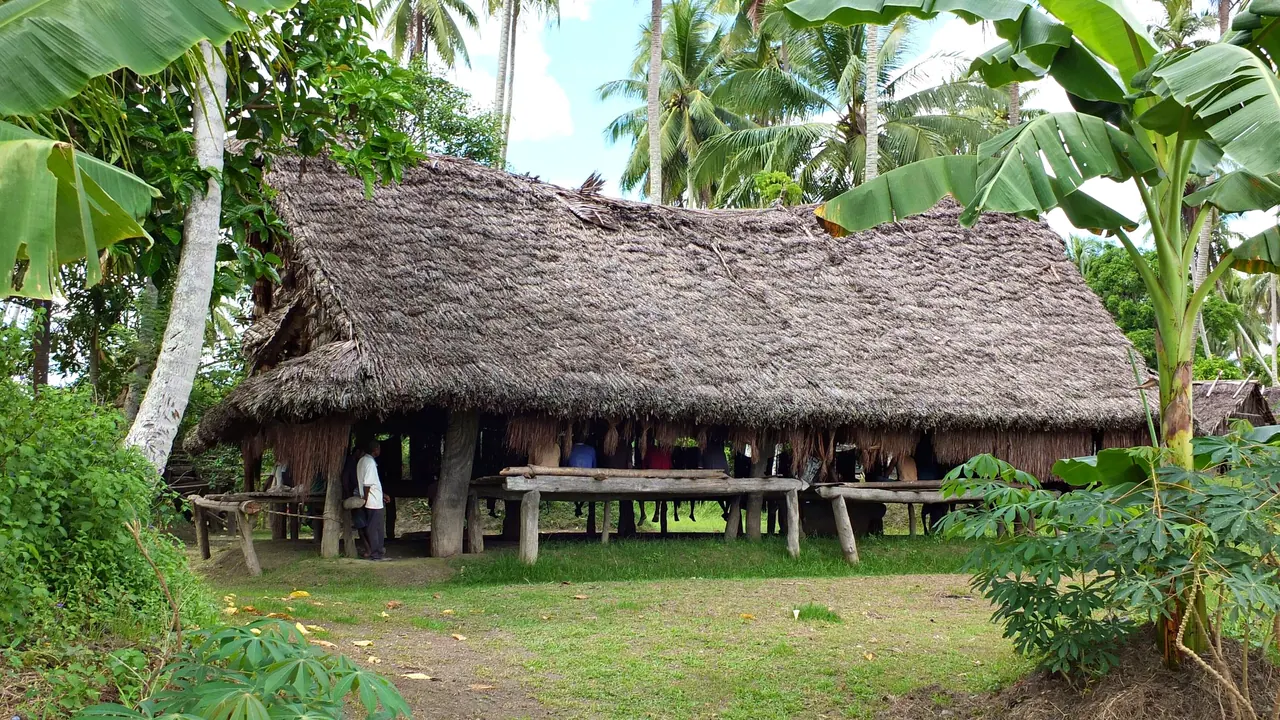
A men's house, haus tambaran, at Tambunum on the Sepik River
- Nature & outdoors86
- Beaches45
- Culture & sights40
Photo: Eksilverman, CC BY-SA 4.0, cropped
Match
26
Every category weighted equally
- Beach & sun28
- Culture & arts24
- Food & nightlife21
- Family trip28
- Outdoors33
- Relax & unwind29
- Shopping & style22
- On a budget25
Papua New Guinea in twelve categories
Our verdict on the country as a whole, scored 0 to 100 against the same fixed benchmark cities as every destination, so a score means the same thing on every page.
Beaches & swimming. Scores 45 out of 100.
Food & drink. Scores 18 out of 100.
Culture & sights. Scores 40 out of 100.
Nightlife. Scores 6 out of 100.
Nature & outdoors. Scores 86 out of 100.
Day trips. Scores 15 out of 100.
Good for families. Scores 10 out of 100.
Getting around. Scores 10 out of 100.
Shopping & style. Scores 22 out of 100.
Affordability. Scores 18 out of 100.
Live music & performing arts. Scores 35 out of 100.
Wellness & relaxation. Scores 12 out of 100.
Papua New Guinea category by category
Under each: where in Papua New Guinea it is best, and our destinations in Papua New Guinea that score highest on it.
Beaches & swimming
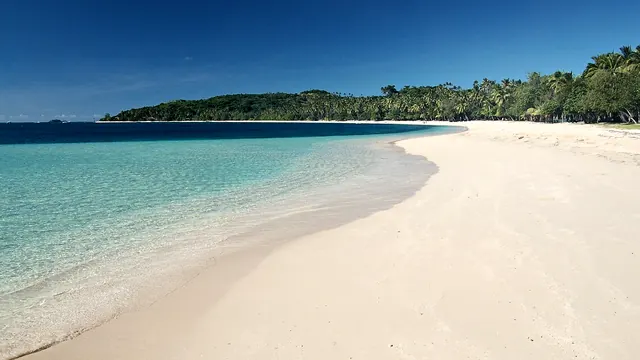
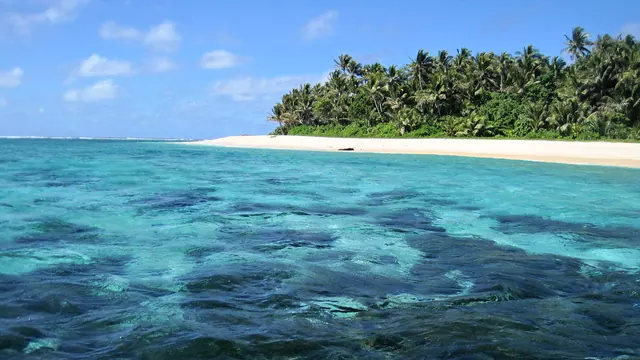
45The water is the easy part. Around New Ireland, Milne Bay and the islands off Madang the sea stays near 28°C all year, clear over coral, with white sand fringing small islands and palm-lined village beaches. Snorkelling straight off the shore is often excellent.
New Ireland, reached through Kavieng, has the longest run of quiet sand and reef along its coast road. In Milne Bay the beaches belong to the scattered islands beyond Alotau, reached by boat and best for village stays. Madang has island beaches a short boat ride out, the easiest to pair with diving. What is missing is a beach life to slot into: no resort strips, few places to stay on the sand, and each coast is its own flight from the capital, where nobody swims. Treat beaches as a reward on a diving or island trip, not the purpose of the vacation.
Where: New Ireland, Milne Bay, Madang
Our top destinations in Papua New Guinea
Food & drink
18Food is a matter of staples rather than a scene. In the Highlands, sweet potato, greens and pork are baked for hours in a mumu, an earth oven of hot stones, usually for feasts and village gatherings a visitor may be invited to share. On the coast and along the Sepik the base is sago, coconut, fish and taro. The open-air markets of Mount Hagen, Goroka and the coastal towns are the best place to see it all, piled with fruit, peanuts and betel nut.
Beyond that, eating out means hotel dining rooms and a handful of restaurants in Port Moresby. Lodges cook simply with what is local. Nobody comes to eat.
Where: Mount Hagen, Goroka, Sepik River
Our top destinations in Papua New Guinea
Culture & sights
40The heritage here is less buildings than objects and places of ritual. Along the Sepik River, the soaring haus tambaran, spirit houses with painted gables, stand in villages famous for carved masks, figures and canoe prows, reached only by boat. In Port Moresby, the National Museum and Art Gallery holds a strong collection of ceremonial carving, and Parliament House is built in the form of a Sepik spirit house.
The Second World War left the other layer: the Kokoda Track, the tunnels, wrecks and buried airfield around Rabaul, and battlefield memorials at Buna and on Bougainville. The Trobriand Islands keep painted yam houses. Sights are scattered and slow to reach, and much of what visitors find moving is village life itself rather than monuments.
Where: Sepik River, Rabaul, Port Moresby, Trobriand Islands
Our top destinations in Papua New Guinea
Nightlife
6There is essentially no nightlife to plan around. Port Moresby has hotel bars and a few clubs, but moving around the capital after dark is something visitors are advised to avoid, and most evenings end at the hotel. In the provinces and at remote lodges, the night is dinner, conversation and early sleep before a dawn start.
Our top destinations in Papua New Guinea
Nature & outdoors
86This is the country's real reason to go. Under water, Kimbe Bay off New Britain and the reefs of Milne Bay are among the richest coral seas anywhere, with wreck diving from the Second World War around Madang and Rabaul and good surf near Kavieng from roughly November to April. Rabaul adds active volcanoes rising from its harbour.
Inland, the Highlands are steep, cool and green, with Mount Wilhelm at 4,509m climbable from Kegsugl and the cloud forests around Tari and Mount Hagen home to birds of paradise. The Kokoda Track is a hard multi-day trek through jungle ridges, and Tufi's rainforest fjords and the slow Sepik River are something else again. Each region is a separate flight, and guides are essential nearly everywhere.
Where: Kimbe Bay, Milne Bay, Highlands, Kokoda Track
Our top destinations in Papua New Guinea
Day trips
15Day trips in the usual sense hardly exist. Towns are few, small and separated by sea or mountains without roads between them, so moving on usually means a flight. From Kokopo, a day around Rabaul covers the Japanese tunnels, barge sites and the buried old town. From Madang, boats reach nearby island villages, and from Mount Hagen or Goroka a guide can take you to Highlands villages. Most other outings are into forest, reef or river, and the real choices are multi-day trips.
Where: Rabaul, Madang
Our top destinations in Papua New Guinea
Good for families
10This is a hard place to bring children. Malaria is present across the lowlands, medical care is limited outside the capital, roads are rough and towns need care for safety. Little exists for children beyond Port Moresby's Nature Park with its tree kangaroos and birds. Older teenagers who dive, or who join a guided lodge stay in the Highlands, can have an extraordinary time, but it suits experienced, well-prepared families only.
Our top destinations in Papua New Guinea
Getting around
10Getting around is the biggest effort of any trip. No road joins Port Moresby to the Highlands or the north coast, so almost every move between regions is a domestic flight, often expensive, infrequent and prone to delay. The Highlands Highway links Lae with Mount Hagen but is slow and not one to drive alone. Local minibuses are not a sensible option for visitors, and walking in towns is limited, especially after dark.
Most travellers rely on lodges and local guides to arrange transfers, boats on the Sepik and island hops by small plane. Build slack into any itinerary.
Our top destinations in Papua New Guinea
Shopping & style
22Shopping means crafts and nothing else, but the crafts are serious. Sepik villages sell carved masks, storyboards and figures straight from the carvers. Bilums, the looped string bags made across the Highlands, come in endless patterns, and the Trobriand Islands are known for carved bowls. Port Moresby holds a regular craft market and has a few artefact shops. There are no fashion streets or malls of note, and large carvings can raise export and customs questions at home.
Where: Sepik River, Port Moresby, Trobriand Islands
Our top destinations in Papua New Guinea
Affordability
18This is an expensive country to visit, which surprises many people. Hotels in Port Moresby are priced for business travellers and charge a lot for modest rooms. Remote lodges in the Highlands and on the Sepik, liveaboards and dive resorts include everything but cost a great deal, and domestic flights, boats and the guides needed almost everywhere add up quickly.
The cheaper side of a trip is found on the coasts. In Milne Bay, simple village guesthouses on the islands beyond Alotau offer basic rooms and home cooking at modest cost, though boat transfers add to the bill. Madang has a small choice of mid-range hotels and is one of the easier towns to base yourself in without a full lodge package. Market food is cheap everywhere, but few itineraries can rely on it.
Where: Milne Bay, Madang
Our top destinations in Papua New Guinea
Live music & performing arts
35Performance here is the sing-sing, and it is spectacular. The Highlands shows at Mount Hagen in August and Goroka in September gather dozens of groups in feathers, shells and body paint to dance and chant, and the National Mask Festival at Kokopo in July brings the Baining fire dance and masked dancers from the islands. Port Moresby's Hiri Moale festival around Independence Day celebrates the old trading voyages. Outside these seasons, lodges can arrange village performances.
There is little else: no opera, a thin concert and theatre life, and live music mostly string bands at local events. Plan the trip around a show or miss it.
Where: Mount Hagen, Goroka, Kokopo
Our top destinations in Papua New Guinea
Wellness & relaxation
12There is no spa or bathing culture to speak of. Volcanic hot springs bubble up near Rabaul and around the geysers of Fergusson Island in Milne Bay, but they are curiosities rather than places to bathe at leisure. A few upmarket hotels and island resorts offer massage. The slow days at a remote lodge can be restful, but the travel needed to reach them is anything but.
Where: Rabaul, Milne Bay
Our top destinations in Papua New Guinea
Where to go in Papua New Guinea
Papua New Guinea is several trips rather than one. Almost no roads join its regions, so each move is a domestic flight, and the sensible plan is to choose one or two areas and give each several days. Most visitors arrive in Port Moresby, which works best as a short stop: the National Museum and Art Gallery, Parliament House and the craft market by day, and quiet evenings at the hotel.
The Highlands suit culture and walking. Mount Hagen and Goroka are the bases for markets, guided village visits and the big sing-sing shows in August and September. The cool cloud forest around Tari is the place for birds of paradise, and Mount Wilhelm is climbed from Kegsugl. The Sepik River is a trip of its own, travelled slowly by boat from a lodge, for spirit houses and buying carvings straight from the carvers. The Kokoda Track is for fit walkers, a hard multi-day trek through Second World War history.
The coasts and islands are the other half. Kimbe Bay off New Britain and the reefs of Milne Bay are for serious diving. Rabaul, reached from Kokopo, combines volcanoes, wartime tunnels and wrecks with the mask festival in July. Madang is the easiest coastal base, with mid-range hotels, island beaches a short boat ride away and wreck dives. New Ireland, through Kavieng, has the longest quiet coast and surf from about November to April. Milne Bay's islands beyond Alotau and the Trobriand Islands suit simple village stays.
A first visit often pairs one inland region with one stretch of coast, linked by flights that are often delayed, so leave spare days. This country rewards experienced, well-prepared travellers. It is not a place for nightlife or young children, and a beach is best treated as a reward at the end of a trip rather than its purpose.
When should you go?
Papua New Guinea has no single climate. Its months are measured at Port Moresby and Mount Hagen; pick one to see it. The figures are measured averages, not a forecast.
Where in Papua New Guinea
Port Moresby in July
Daytime high, °C
Rainfall in the month, mm
Where the figures come from
Port Moresby has no weather station within reach, so its figures come from a gridded climate model rather than a measured record, and read a broad area rather than one spot.
Temperature and rainfall are climate normals, averaged over the years shown. Port Moresby: 2001-2020 normals, NASA POWER reanalysis grid, no weather station within 90 km.
Compare Papua New Guinea with
Every comparison with a written verdict behind it, and any other country below.
Our destinations in Papua New Guinea
Every place in Papua New Guinea with its own page: its twelve scores, its texts and its months.