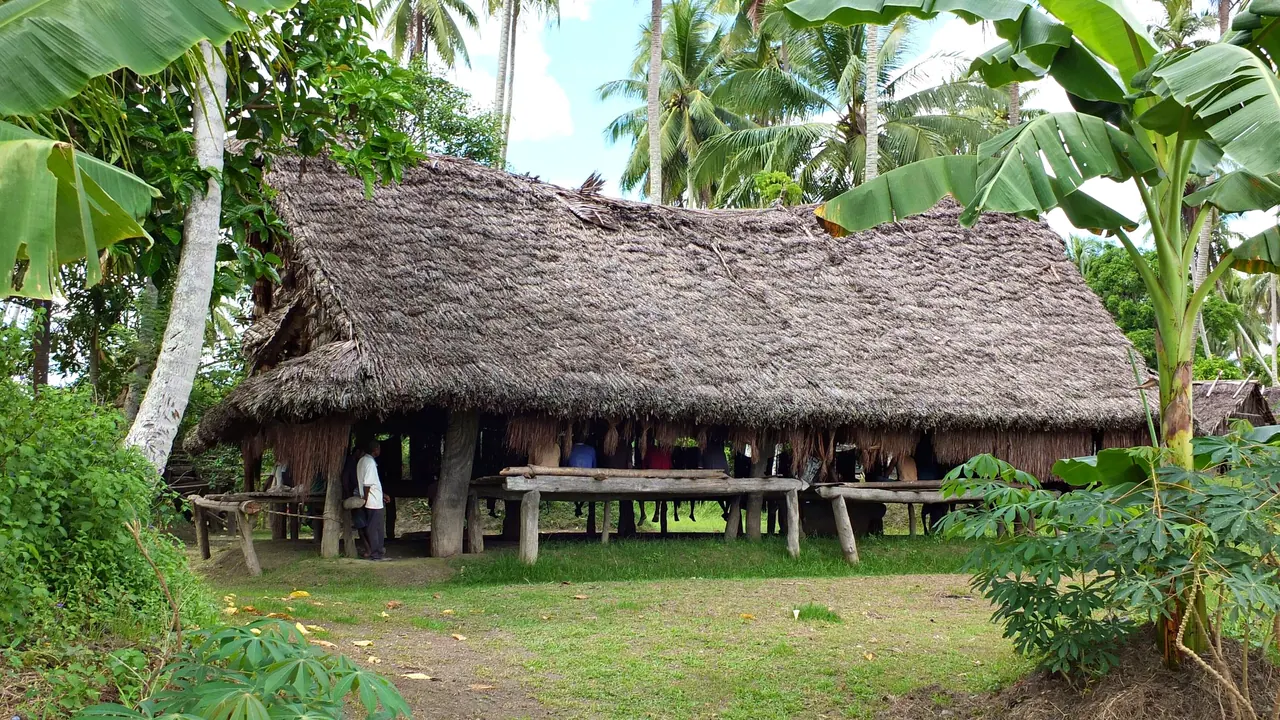
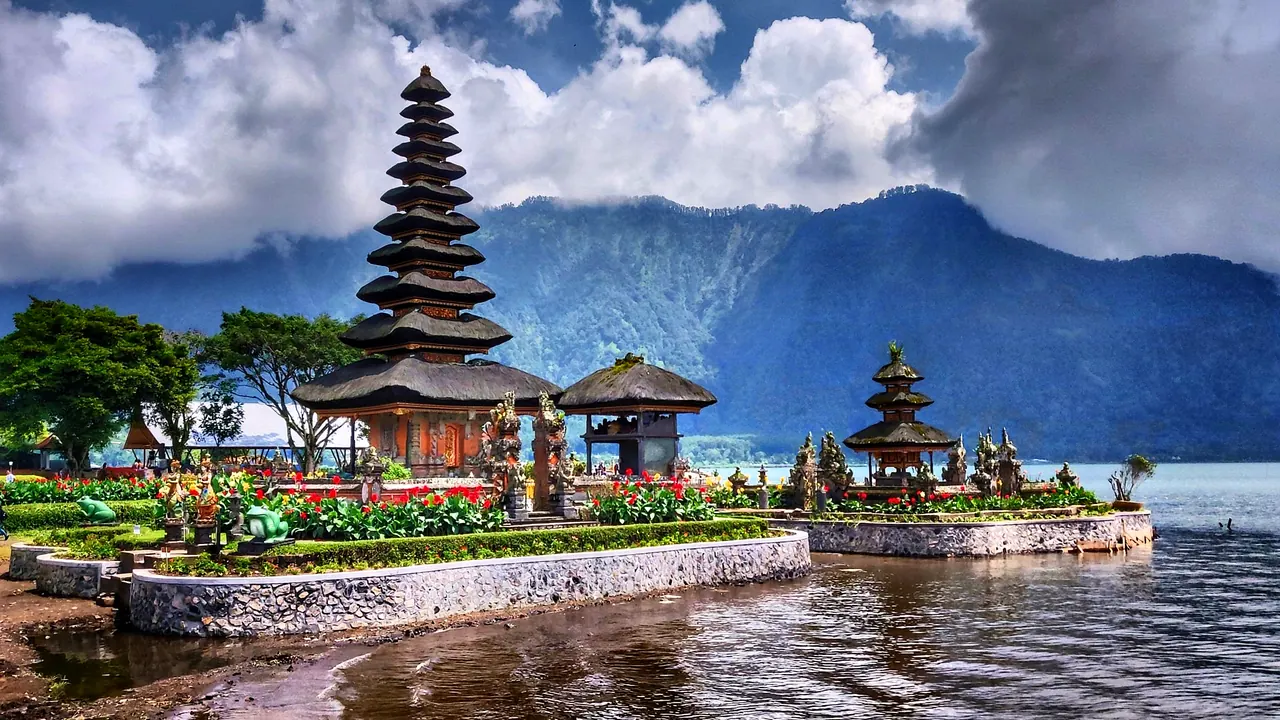
Photos: Papua New Guinea by Eksilverman, CC BY-SA 4.0, cropped; Indonesia by Dennis Sylvester Hurd, CC0.
Papua New Guinea or Indonesia?
Our verdict in twelve categories, each scored against the same fixed benchmark cities, and the climate month by month, so you can choose for your trip.
Choose Papua New Guinea for
Papua New Guinea does not lead in any category we score.
Papua New Guinea is for the experienced traveller who wants remoteness above comfort. Its draw is a handful of things few places can match: coral seas in Kimbe Bay and Milne Bay, the cloud forests and birds of paradise of the Highlands, spirit houses along the Sepik and the great sing-sing shows. Choose it if you will plan around guides, flights and lodges, accept a high bill, and don't mind evenings that end early.
Choose Indonesia for
- prices
- food and drink
- wellness
Indonesia suits nearly every other kind of trip, and it is far easier on the budget. You can mix Borobudur and the sultan's city of Yogyakarta with beaches on Bali and the Gilis, street food, temple dance and Ubud's yoga retreats, all on one cheap and manageable itinerary. Families, first-timers and anyone wanting a beach or a night out will find it much easier to enjoy.
Scoreboard
Twelve categories on one fixed scale from 0 to 100. The shaded stretch is the gap between the two.
Your match
Pick a travel style or drag the sliders, and both match scores follow your weighting.
Has no clear advantage with the weighting you have chosen.
Wins on prices and food and drink with your weighting.
What matters to you?
Category by category
What the scores mean for a trip.
Beaches & swimming
The sea is equally warm in both, but only Indonesia has a beach life to fit a vacation around. In Papua New Guinea the reward is snorkelling straight off quiet sand on New Ireland, the islands beyond Alotau in Milne Bay, and the islands off Madang. There are few places to stay on the beach, though, and each coast is a separate flight.
Indonesia lets you pick the kind of beach you want. Sanur and Nusa Dua have calm swimming, Canggu and Kuta have surf, and the Uluwatu coves sit below cliffs. For white sand and turquoise shallows, the Gili Islands and southern Lombok are a boat ride from Bali.
Where in Papua New Guinea: New Ireland, Milne Bay, Madang
Where in Indonesia: Gili Islands, Lombok, Bali, Raja Ampat
Food & drink
This is one of the widest gaps between the two. Eating in Papua New Guinea is about staples: pork and sweet potato from a mumu earth oven at a Highlands feast, sago and fish on the Sepik, and the produce markets of Mount Hagen and Goroka. Beyond that there is little but hotel dining rooms.
Indonesia is a reason to travel in itself. You can eat rendang at a Padang table, gudeg in Yogyakarta or Balinese spit-roast pork, buy satay from a charcoal cart, and taste a sambal that changes with every island. Jakarta has the broadest range, and the coffee grown on Java, Sumatra and Sulawesi is a pleasure to drink where it grows.
Where in Papua New Guinea: Mount Hagen, Goroka, Sepik River
Where in Indonesia: Jakarta, Yogyakarta, Bali, West Sumatra
Culture & sights
Indonesia has the great monuments, and they are easy to reach. Borobudur and Prambanan lie either side of Yogyakarta, whose kraton and Taman Sari water palace are in the city itself. Bali adds a living Hindu culture, from Besakih to the sea temples, and Tana Toraja is there for a longer detour.
Papua New Guinea's heritage is made of carving, ritual and war rather than stone. It means painted spirit houses in Sepik villages reached by boat, the ceremonial collection of the National Museum in Port Moresby, the Trobriand yam houses and the wartime remains at Rabaul. It is powerful, but scattered and slow to reach.
Where in Papua New Guinea: Sepik River, Rabaul, Port Moresby, Trobriand Islands
Where in Indonesia: Yogyakarta, Bali, Solo, Tana Toraja
Nightlife
Papua New Guinea has essentially no nightlife. Visitors are advised not to move around Port Moresby after dark, and in the provinces the evening is dinner and an early night before a dawn start.
Indonesia has real choice, if you go to the right places. There are sunset beach clubs and late parties from Seminyak to Canggu, cheap backpacker bars in Kuta, Jakarta's clubs open until dawn at weekends, and the beach party strip on Gili Trawangan. Away from these, evenings are spent at night markets and coffee shops rather than in bars.
Where in Indonesia: Bali, Jakarta, Gili Islands
Nature & outdoors
This is the one area where Papua New Guinea comes close, and both are world-class under water. Indonesia still has the wider range and easier access. You can watch dawn over Bromo, climb to Ijen's blue flames, trek Rinjani on Lombok, see Komodo dragons and orangutans, and dive in Raja Ampat or with Nusa Penida's mantas.
Papua New Guinea's case is wildness. Kimbe Bay and Milne Bay are among the richest coral seas anywhere, and there is wartime wreck diving off Madang and Rabaul. Inland you will find birds of paradise in the cloud forests around Tari and Mount Hagen, Mount Wilhelm at 4,509m and Tufi's rainforest fjords, though every region needs a flight and a guide.
Where in Papua New Guinea: Kimbe Bay, Milne Bay, Highlands, Kokoda Track
Where in Indonesia: Komodo National Park, Raja Ampat, East Java, Lombok
Day trips
Indonesia gives you proper days out from a base. From Yogyakarta, Solo's courts are about an hour away by train, and Kotagede and the Dieng Plateau temples are also within reach. Bali covers Klungkung, Tirta Gangga and the Sidemen valley by driver, and Bogor's botanical gardens are an hour from Jakarta.
In Papua New Guinea, a day trip is rarely an option. The main ones are a guided day around Rabaul's tunnels and buried town from Kokopo, a boat to island villages from Madang, and a visit to Highlands villages from Mount Hagen or Goroka. Most outings worth making take several days.
Where in Papua New Guinea: Rabaul, Madang
Where in Indonesia: Yogyakarta, Bali, Solo
Good for families
Bali makes Indonesia workable with children. Sanur and Nusa Dua have shallow, calm water, resorts are built around pools and kids' clubs, and water parks and animal parks are close by. The traffic, the heat and the mosquitoes need watching, but none of them is a reason to stay away.
Papua New Guinea is a different matter. Malaria runs across the lowlands, medical care outside the capital is limited, and apart from Port Moresby's Nature Park there is almost nothing aimed at children. Only well-prepared families with older teenagers who dive or join a Highlands lodge stay should consider it.
Getting around
Neither country is simple, but Indonesia is much easier to get around. Airlines link the main islands well, trains run comfortably between Jakarta, Yogyakarta, Solo and Surabaya, and in Bali drivers and ride-hailing apps make up for the lack of buses, even if the roads are slow.
In Papua New Guinea, getting around is the hardest part of the trip. No road links Port Moresby with the Highlands or the north coast, domestic flights are infrequent and often delayed, and the Highlands Highway is not one to drive alone. Lodges and guides end up arranging most moves, so leave spare days in the plan.
Shopping & style
Both countries are craft destinations rather than fashion ones, but Indonesia offers far more. There is hand-drawn batik in Yogyakarta, Solo and Pekalongan, Solo's huge Klewer market, and the silver, woodcarving and painting villages around Ubud. Jakarta adds enormous malls and the Tanah Abang textile market.
Papua New Guinea's shopping is narrower but serious. You can buy masks and storyboards directly from Sepik carvers, Highlands bilum bags and Trobriand bowls. Port Moresby's craft market covers most of the rest, and large carvings can raise customs questions at home.
Where in Papua New Guinea: Sepik River, Port Moresby, Trobriand Islands
Where in Indonesia: Yogyakarta, Bali, Jakarta, Solo
Affordability
Here the two sit at opposite ends. Papua New Guinea surprises people with its cost, and it comes from every part of the trip: business-priced hotels in Port Moresby with modest rooms, all-inclusive lodges in the Highlands and on the Sepik, and domestic flights, boats and guides that most itineraries can't do without. The gentler options are on the coast, in the village guesthouses on the islands beyond Alotau in Milne Bay and the mid-range hotels of Madang, though the boat transfers still add up.
Indonesia is very cheap for most visitors. Warung meals, train tickets and a hired driver for the day cost little, a villa with a private pool is within reach, and Yogyakarta, Lombok and most of Java cost less again than Bali. The bill rises at southern Bali's beach clubs and with imported drinks, and the one really large expense is a dive liveaboard in Komodo or Raja Ampat.
Where in Papua New Guinea: Milne Bay, Madang
Where in Indonesia: Yogyakarta, Lombok, Bali
Live music & performing arts
Papua New Guinea's sing-sing shows are a spectacle on a huge scale. Dozens of groups in feathers and paint gather at Mount Hagen in August and Goroka in September, and the Baining fire dance is the highlight of the Kokopo mask festival in July. The catch is that you have to time the trip to them, because outside these festivals there is little to see.
In Indonesia, traditional performance happens year-round. Legong, Barong and Kecak with gamelan are staged every evening in Ubud, the Kecak at sunset on the Uluwatu cliffs is famous, and Yogyakarta and Solo stage wayang kulit and the Ramayana ballet in front of Prambanan.
Where in Papua New Guinea: Mount Hagen, Goroka, Kokopo
Where in Indonesia: Ubud, Yogyakarta, Solo, Jakarta
Wellness & relaxation
Indonesia has a whole culture of rest, centred on Bali. Ubud has yoga shalas and retreats among the rice fields, Balinese massage and flower baths are offered everywhere from village rooms to the resort spas of Nusa Dua, and pilgrims bathe at the holy spring of Tirta Empul. Solo and Yogyakarta add royal Javanese lulur scrubs and jamu tonics.
Papua New Guinea has nothing comparable. The hot springs near Rabaul and on Fergusson Island are curiosities rather than places to soak, and while a remote lodge can be restful, the journey there is not.
Where in Papua New Guinea: Rabaul, Milne Bay
Where in Indonesia: Ubud, Bali, Yogyakarta, Solo
When should you go?
Pick your month, and for a country the place in it. The climate figures are measured averages, not a forecast.
Where in Papua New Guinea
Where in Indonesia
Port Moresby (Papua New Guinea) in July
Bali (Indonesia) in July
Daytime high, °C
Rainfall in the month, mm
Where the figures come from
Port Moresby (Papua New Guinea) has no weather station within reach, so its figures come from a gridded climate model rather than a measured record, and read a broad area rather than one spot.
Temperature and rainfall are climate normals, averaged over the years shown. Port Moresby (Papua New Guinea): 2001-2020 normals, NASA POWER reanalysis grid, no weather station within 90 km. Bali (Indonesia): 1991-2020 normals, Denpasar / Ngurah-Rai (3.5 km from centre).
Both countries are warm all year, so rain decides the timing. In Papua New Guinea, Port Moresby is wet early in the year, with about 294mm in March, and dries out from July to October, when July sees only 25mm. Mount Hagen in the Highlands stays mild at around 22°C in every month and is never really dry, though July and August bring the least rain. That is also when the Highlands are best for walking, and it lines up with the August and September shows.
Indonesia follows a similar pattern but the contrast is sharper. Bali is soaked in January, with about 396mm, and from May to October it is dry, sunny and calm for the beach, with the sea warm enough to swim all year. Yogyakarta and Flores share the same dry season, with Flores driest from June to September, which makes those months the best for temples, Komodo and volcano climbs alike. Plan both countries for the middle of the year and they line up well.
Which traveller are you?
On a trip on a tight budget, Indonesia wins easily. Guesthouses, warung meals, Java's trains and hired drivers cost very little, especially in Yogyakarta and Lombok. In Papua New Guinea, lodges, guides and domestic flights make even a simple trip expensive.
On a family trip with children, Indonesia is the sensible choice. Bali has calm water at Sanur and Nusa Dua, resorts with kids' clubs, and animal parks close by. Papua New Guinea has malaria, thin medical care and very little for children.
For walkers of the Kokoda Track and travellers tracing the Second World War in the Pacific, Papua New Guinea has what Indonesia lacks. There is the hard jungle trek itself, and around Rabaul the tunnels, wrecks and buried airfield, with memorials at Buna and on Bougainville.
More comparisons
Each shares a side with Papua New Guinea or Indonesia.
Where else could you go?
Set Papua New Guinea or Indonesia against any other country.