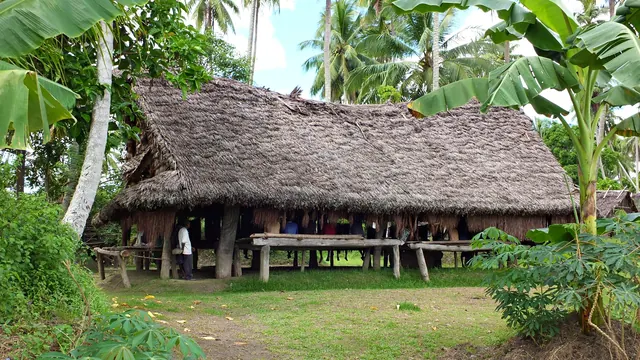
Photos: Papua New Guinea by Eksilverman, CC BY-SA 4.0, cropped; Solomon Islands by ravilacoya, CC BY-SA 2.0, cropped.
Papua New Guinea or Solomon Islands?
Our verdict in twelve categories, each scored against the same fixed benchmark cities, and the climate month by month, so you can choose for your trip.
Choose Papua New Guinea for
- live music and the arts
- culture and sights
- nature and the outdoors
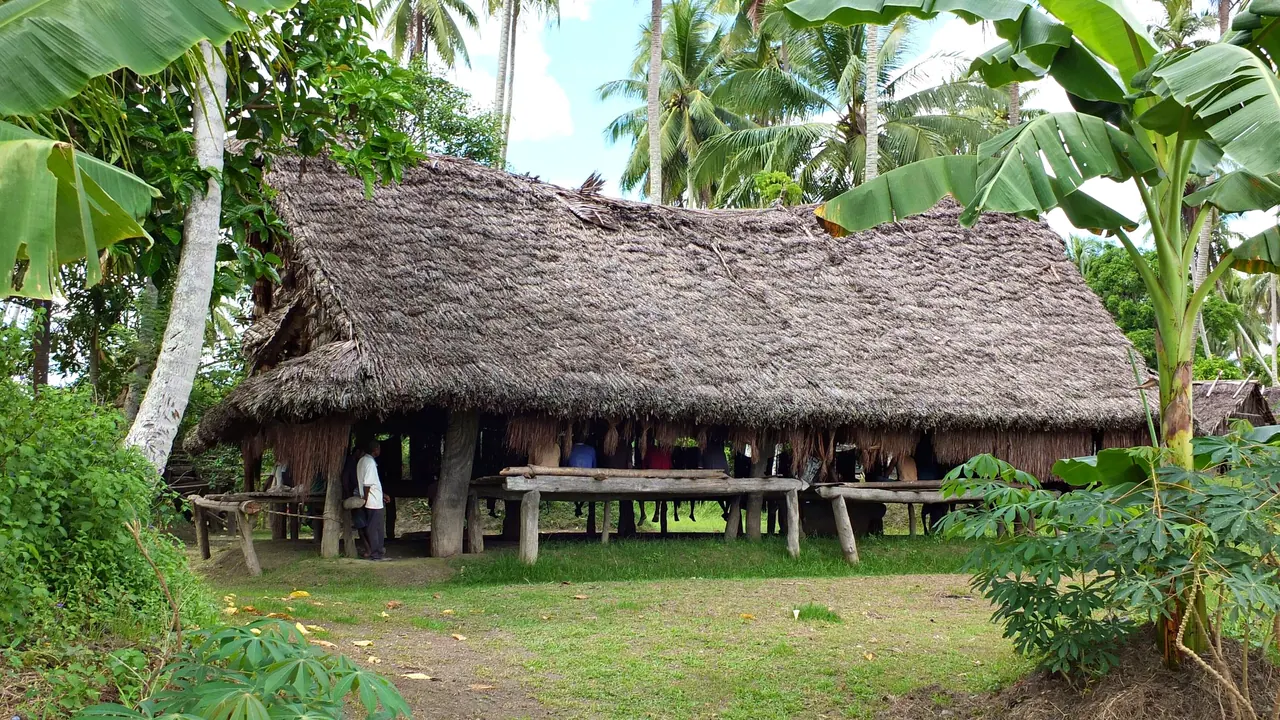
Papua New Guinea is the bigger and more demanding trip, and it gives more back to travellers who come for people and ritual as much as for reefs. The spirit houses and carving villages of the Sepik, the feathered sing-sings of the Highlands and the cool mountain country around Mount Hagen have no real match in the Solomons. Choose it if you have time, a generous budget and the patience to fly between regions.
Choose Solomon Islands for
- prices
- beaches
- wellness
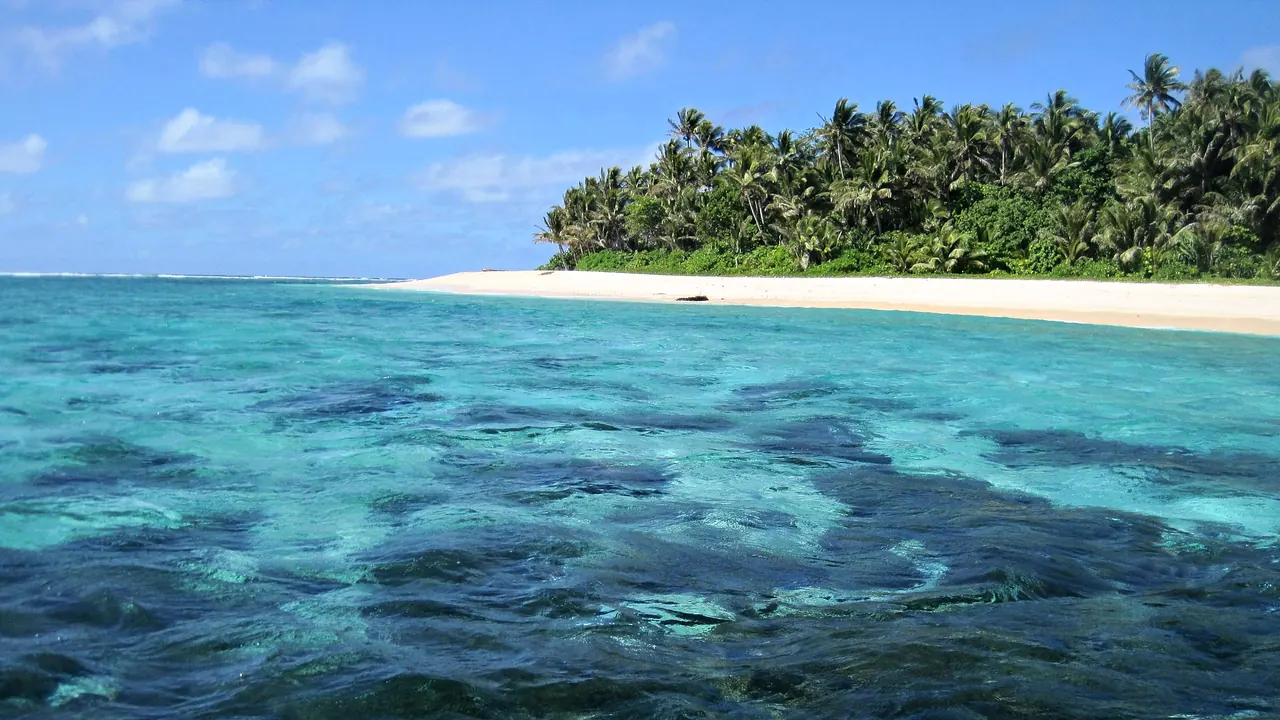
For a lagoon trip, the Solomon Islands are the more natural fit. The Western Province puts Gizo, Munda and Marovo Lagoon close enough to string together, with snorkelling off sandy islets, wartime wrecks underwater and simple eco-lodges that cost less than most of what Papua New Guinea offers. It suits divers, snorkellers and anyone who wants slow days on the water rather than an expedition.
Scoreboard
Twelve categories on one fixed scale from 0 to 100. The shaded stretch is the gap between the two.
Your match
Pick a travel style or drag the sliders, and both match scores follow your weighting.
Wins on live music and the arts and culture and sights with your weighting.
Wins on prices and beaches with your weighting.
What matters to you?
Category by category
What the scores mean for a trip.
Beaches & swimming
Both have warm, clear water over coral, but the Solomon Islands make beach time easier. Papua New Guinea's best sand lies around New Ireland, the islands beyond Alotau in Milne Bay and the islets off Madang. Each of those coasts is a separate flight from the capital, so beaches tend to fit in around a diving trip rather than shape it.
In the Solomons, the Western Province brings the good swimming together. The islets around Gizo, including Kennedy Island, and the uninhabited spits across Roviana Lagoon from Munda are short boat rides apart, and Bonegi on Guadalcanal lets you snorkel straight out over sunken wartime ships. The sand comes in short strips and crocodiles live in some river mouths, so take local advice before swimming anywhere new.
Where in Papua New Guinea: New Ireland, Milne Bay, Madang
Where in Solomon Islands: Gizo and its islets, Marovo Lagoon, Munda, Guadalcanal northwest coast
Food & drink
Neither country is somewhere to travel for food, and the two eat in similar ways, using root crops, coconut and fish. Papua New Guinea has more regional contrast, with pork and sweet potato baked in the Highlands mumu set against the sago and fish of the Sepik and the coast. The Solomons are more about the sea. On a lagoon island, the day's reef fish or crayfish from the lodge kitchen can be the best meal of the trip, and Honiara Central Market is where to see what the islands grow.
Where in Papua New Guinea: Mount Hagen, Goroka, Sepik River
Where in Solomon Islands: Honiara
Culture & sights
Papua New Guinea has the deeper and more varied heritage. The painted spirit houses and carving villages along the Sepik, the ceremonial collection at the National Museum and Art Gallery in Port Moresby and the yam houses of the Trobriands sit alongside a heavy wartime layer at Rabaul and on the Kokoda Track.
In the Solomons, the Second World War takes up more of the picture. The Guadalcanal battlefields at Bloody Ridge and the memorial on Skyline Ridge are an easy reach from Honiara. Older traditions survive in the skull shrines of Roviana and the shell-money makers of Langa Langa Lagoon, though they are smaller in scale than the Sepik.
Where in Papua New Guinea: Sepik River, Rabaul, Port Moresby, Trobriand Islands
Where in Solomon Islands: Guadalcanal, Roviana Lagoon, Langa Langa Lagoon, Honiara
Nightlife
There is very little nightlife in either country. Port Moresby's hotel bars are where an evening ends, because moving around the capital after dark is best avoided. Honiara has a few waterfront hotel bars and some weekend clubs, but out at the lodges in both countries the night is dinner, a drink on the deck and an early start.
Where in Solomon Islands: Honiara
Nature & outdoors
Both are outstanding, but in different ways. Papua New Guinea combines sea and mountains. Kimbe Bay and Milne Bay are among the richest coral seas anywhere. Inland you can climb Mount Wilhelm, look for birds of paradise in the cloud forests around Tari, trek the Kokoda Track or travel the Sepik, and Rabaul's volcanoes add something different again.
The Solomon Islands are more firmly about the sea. The highlights are Marovo Lagoon's double barrier reef and the dozens of warship wrecks in Iron Bottom Sound. On land, the uninhabited rainforest of Tetepare and the muddy climb up Kolombangara are quieter options, but nothing in the Solomons has the height or range of high mountain country you find in the Highlands.
Where in Papua New Guinea: Kimbe Bay, Milne Bay, Highlands, Kokoda Track
Where in Solomon Islands: Marovo Lagoon, Gizo and Munda, Tetepare, Iron Bottom Sound
Day trips
Neither country suits short outings well, because towns are small and far apart. Papua New Guinea's best days out are a round of Rabaul's tunnels and buried town from Kokopo, or a guided visit to Highlands villages from Mount Hagen or Goroka. The Solomons do it all by boat, with the crossing from Honiara to the old capital at Tulagi or short hops from Gizo and Munda to Kennedy Island, Skull Island and the carving villages of Roviana. They are modest trips that depend on the weather and a hired boat.
Where in Papua New Guinea: Rabaul, Madang
Where in Solomon Islands: Tulagi, Kennedy Island, Roviana Lagoon
Good for families
Both are hard places to bring children, with malaria and only basic medical care outside the capitals. The Solomons have one clear base in Gizo, a small, easygoing town with a hospital, where older children who swim well can snorkel in calm water off the islets. In Papua New Guinea there is little beyond the Nature Park in Port Moresby. There the better option is older teenagers who dive or who stay at a guided Highlands lodge.
Where in Solomon Islands: Gizo and its islets
Getting around
Getting around is the main effort of a trip to either country, but the effort takes different forms. Papua New Guinea covers greater distances, and no road links the capital with the Highlands or the north coast. Almost every move between regions is a domestic flight, often delayed. The Highlands Highway from Lae to Mount Hagen is the main exception, and it is slow and not one to drive alone.
In the Solomons, small planes land on airstrips at Gizo, Munda and Seghe, and lodges then collect guests by outboard boat, sometimes for an hour or more across open water. In both countries, leave spare days in the plan.
Where in Solomon Islands: Western Province, Honiara
Shopping & style
Both offer crafts and little else, and both need a customs check for wooden pieces. Papua New Guinea has the wider range: masks, storyboards and figures bought from carvers along the Sepik, patterned Highlands bilum bags and Trobriand bowls. The Solomons specialise in inlaid ebony and kerosene-wood carving, including the nguzunguzu canoe figureheads that carvers often bring to the lodges in Marovo and Roviana, along with shell-money strings from Malaita.
Where in Papua New Guinea: Sepik River, Port Moresby, Trobriand Islands
Where in Solomon Islands: Marovo Lagoon, Honiara, Roviana Lagoon
Affordability
Neither country is cheap, but the Solomon Islands are much easier on the budget. Papua New Guinea's capital charges business-traveller rates, and its Highlands and Sepik lodges and liveaboards are expensive all-in packages. Flights, boats and guides add to the bill. The cheaper options are Milne Bay village guesthouses and Madang's mid-range hotels.
Honiara's hotels are also expensive, but the Solomons' eco-lodges in Marovo and the Western Province give reasonable value if you accept basic comforts.
Where in Papua New Guinea: Milne Bay, Madang
Where in Solomon Islands: Marovo Lagoon, Western Province
Live music & performing arts
Papua New Guinea has far more to offer here, because its sing-sings rank among the great spectacles of the Pacific. Dozens of groups gather in feathers and body paint at the Mount Hagen show in August and the Goroka show in September. In July, the National Mask Festival at Kokopo brings the Baining fire dance.
The Solomons have their own fine tradition in the bamboo panpipe ensembles of Malaita, but you mostly see them at occasional festivals or at performances arranged in a village.
Where in Papua New Guinea: Mount Hagen, Goroka, Kokopo
Where in Solomon Islands: Malaita, Honiara
Wellness & relaxation
The Solomon Islands are the better place to slow down. A few days in an over-water bungalow in Marovo Lagoon or on an islet off Gizo leave little to do but read, paddle and swim, though power is basic and mosquitoes come with the deal. Papua New Guinea's volcanic hot springs near Rabaul and on Fergusson Island are curiosities rather than places to bathe. Its remote lodges can be restful, but reaching them is tiring.
Where in Papua New Guinea: Rabaul, Milne Bay
Where in Solomon Islands: Marovo Lagoon, Gizo and its islets
When should you go?
Pick your month, and for a country the place in it. The climate figures are measured averages, not a forecast.
Where in Papua New Guinea
Port Moresby (Papua New Guinea) in July
Honiara (Solomon Islands) in July
Daytime high, °C
Rainfall in the month, mm
Where the figures come from
Port Moresby (Papua New Guinea) has no weather station within reach, so its figures come from a gridded climate model rather than a measured record, and read a broad area rather than one spot.
Temperature and rainfall are climate normals, averaged over the years shown. Port Moresby (Papua New Guinea): 2001-2020 normals, NASA POWER reanalysis grid, no weather station within 90 km. Honiara (Solomon Islands): 1992-2020, 12 years observed (rainfall 1961-1990) normals, Honiara (2.6 km from centre).
Port Moresby has a clear wet and dry year. January to March are the wettest months, then the rain falls away from June to October, with July down to about 25mm. Days are hot in every month, and the sea cools a little in August and September but is still fine for a swim. Up in the Highlands, Mount Hagen stays mild at around 21°C all year, comfortable for walking in any month. Rain falls there every month, though July and August are the least wet.
Honiara is hotter and wetter, close to 32°C in every month, so walking around the town in the midday heat is hard work in any season. January and February are the heaviest months, at nearly 348mm, and the rain eases from May to September, the better time for calm water and boat trips from the capital. The sea at Honiara is warm enough to swim in all year.
Which traveller are you?
For a culture and arts trip, Papua New Guinea is the stronger choice. The spirit houses and carvers of the Sepik, Rabaul's wartime remains and the Highlands sing-sings at Mount Hagen and Goroka add up to far more than the Solomons' battlefields and village shrines.
On a beach and sun trip, the Solomon Islands are better. The white-sand islets around Gizo, the sandy spits across Roviana Lagoon and the wreck snorkelling at Bonegi are closer together and easier to enjoy than Papua New Guinea's scattered coasts, each one a separate flight.
On a tight budget, the Solomon Islands are noticeably easier. Eco-lodges in Marovo and the Western Province are affordable if you accept basic comforts, while Papua New Guinea's lodge packages, business-priced hotels and guides push costs up quickly.
More comparisons
Each shares a side with Papua New Guinea or Solomon Islands.
Where else could you go?
Set Papua New Guinea or Solomon Islands against any other country.