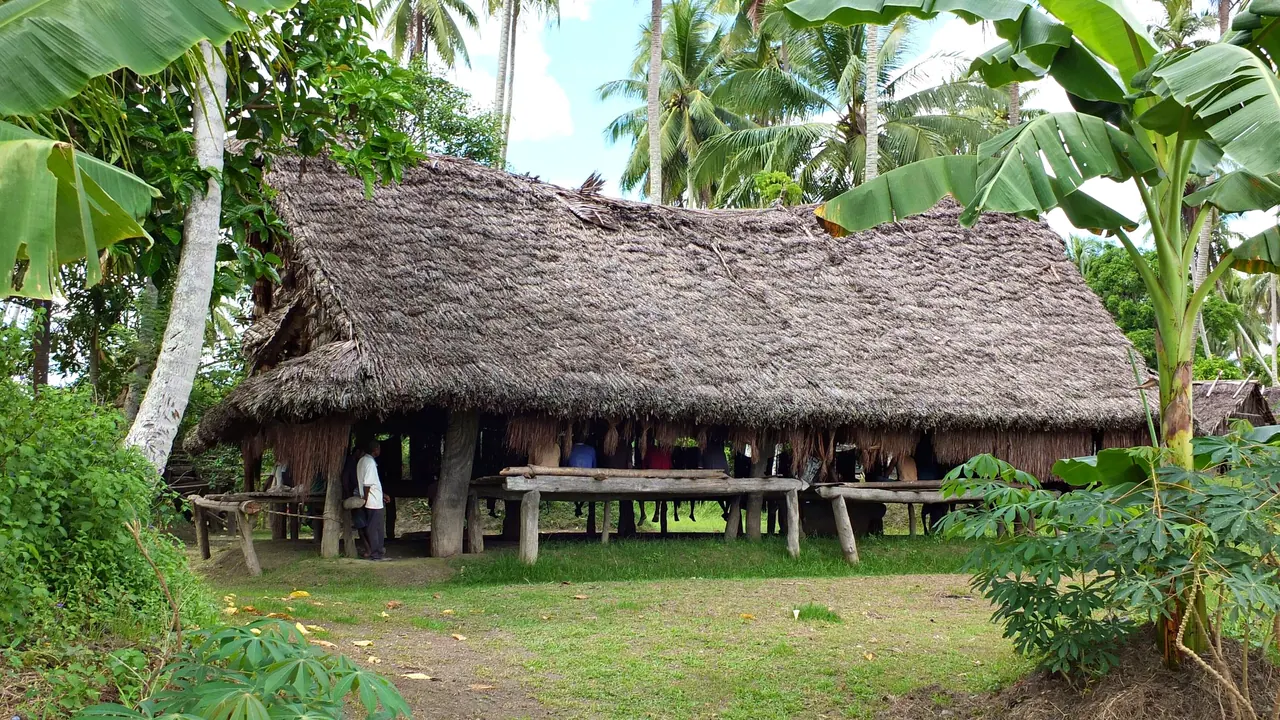
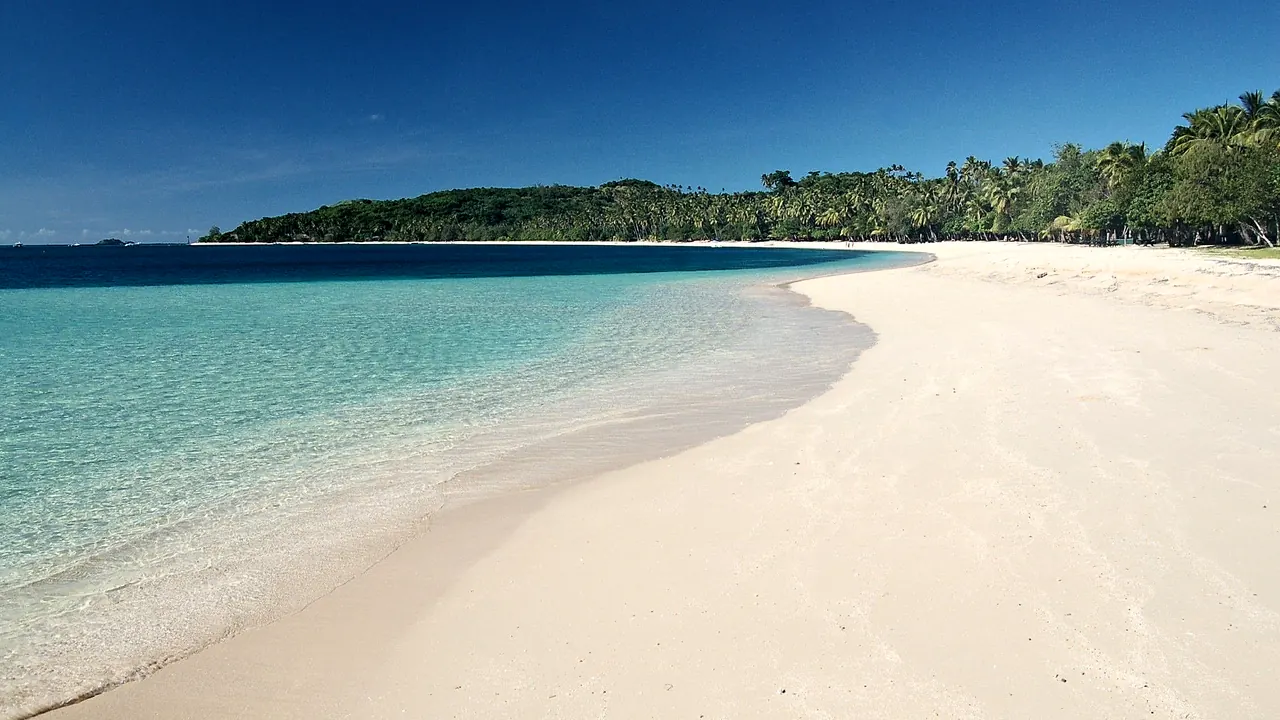
Photos: Papua New Guinea by Eksilverman, CC BY-SA 4.0, cropped; Fiji by Msdstefan at de.wikipedia, Public domain.
Papua New Guinea or Fiji?
Our verdict in twelve categories, each scored against the same fixed benchmark cities, and the climate month by month, so you can choose for your trip.
Choose Papua New Guinea for
- live music and the arts
- culture and sights
- nature and the outdoors
Papua New Guinea is for the traveller who wants the Pacific at its least tamed. That means diving Kimbe Bay and Milne Bay, walking into the Highlands cloud forest for birds of paradise, taking a boat up the Sepik to the spirit houses and timing the trip around a Highlands sing-sing. It asks a lot in return. Every region is a flight away, guides are needed almost everywhere, costs are high and there is little comfort or evening life, so it suits experienced adults with time and patience.
Choose Fiji for
- families
- wellness
- beaches
Choose Fiji when the point of the trip is the water and a proper rest. The Mamanucas and Yasawas have white sand and calm lagoons a boat ride from the international airport. Resorts look after families and couples alike, and spas and adults-only islands make doing nothing easy. Its reefs and shark dives are excellent too, but there is far less culture to seek out, and it is a country to enjoy slowly rather than explore.
Scoreboard
Twelve categories on one fixed scale from 0 to 100. The shaded stretch is the gap between the two.
Your match
Pick a travel style or drag the sliders, and both match scores follow your weighting.
Wins on live music and the arts and culture and sights with your weighting.
Wins on families and wellness with your weighting.
What matters to you?
Category by category
What the scores mean for a trip.
Beaches & swimming
Both countries sit on warm, clear sea over coral, and Papua New Guinea's coasts at New Ireland, Milne Bay and Madang are as beautiful as anywhere. But there is almost nowhere to stay on the sand, and each coast is a separate flight from a capital where nobody swims. The beaches end up as a bonus on a diving trip.
Fiji is built around the beach. The Mamanucas lie a short boat ride from Nadi, with white sand and calm lagoons. The Yasawas have longer, quieter beaches, and in both groups you swim and snorkel off the sand every day. Just don't plan a beach trip around Denarau or the tidal reef flats of the Coral Coast.
Where in Papua New Guinea: New Ireland, Milne Bay, Madang
Where in Fiji: Yasawa Islands, Mamanuca Islands, Coral Coast, Taveuni
Food & drink
Neither country is a food destination, but Fiji gives a visitor more to eat. It has two cooking traditions. iTaukei cooking brings kokoda and lovo feasts, and Indo-Fijian curries, roti and dhal fill cheap canteens in Nadi, Lautoka and Suva, so there is real choice once you leave the resort.
Papua New Guinea's food is mostly staples, such as sweet potato and pork from a Highlands mumu, or sago and fish on the coast. The best place to see it is piled up in the markets of Mount Hagen and Goroka. Otherwise you eat in hotel dining rooms and at simple lodge tables.
Where in Papua New Guinea: Mount Hagen, Goroka, Sepik River
Where in Fiji: Suva, Nadi, Lautoka
Culture & sights
Papua New Guinea has far more to seek out, though little of it is buildings. The Sepik has its spirit houses and carving villages, the Trobriands their yam houses, and the National Museum in Port Moresby holds a strong collection of ceremonial carving. The Kokoda Track and Rabaul's tunnels and wrecks add a wartime layer. Together they make a trip in themselves, though everything is slow to reach.
Fiji's sights fill a day or two. There is the 19th-century wooden waterfront of Levuka, the canoes and war clubs of the Fiji Museum in Suva and the painted Hindu temple in Nadi. Village visits with a kava welcome show everyday life rather than built heritage.
Where in Papua New Guinea: Sepik River, Rabaul, Port Moresby, Trobriand Islands
Where in Fiji: Levuka, Suva, Nadi
Nightlife
Evenings are quiet in both countries, but Fiji at least has somewhere to go. Suva's bars and clubs fill at weekends, and backpacker islands in the Mamanucas and Yasawas throw beach parties for a younger crowd. In Papua New Guinea, visitors are advised not to go out in Port Moresby after dark, and lodge evenings end early before a dawn start.
Where in Fiji: Suva, Mamanuca Islands, Nadi
Nature & outdoors
This is where both countries are strongest, and Papua New Guinea has the edge for range and wildness. Its reefs at Kimbe Bay and Milne Bay are among the richest anywhere. On land it adds what Fiji lacks: the cool Highlands, Mount Wilhelm at 4,509m, birds of paradise in the cloud forest, the Kokoda Track and Rabaul's active volcanoes. Each needs a flight and a guide.
Fiji's outdoors is mostly underwater and much easier to reach. There are shark dives in Beqa Lagoon, mantas in the Yasawas, the soft corals of Taveuni's Rainbow Reef and the surf at Cloudbreak. On land you can raft the Navua gorges or take day walks, but there are no high mountains or long trails.
Where in Papua New Guinea: Kimbe Bay, Milne Bay, Highlands, Kokoda Track
Where in Fiji: Taveuni, Kadavu, Beqa Lagoon, Yasawa Islands
Day trips
Neither country makes a good base for day trips, and what differs is the kind of outing. From Nadi, Fiji's classic day out is a boat to a Mamanuca island for sand and snorkelling, or a drive along the Coral Coast to Sigatoka's market. In Papua New Guinea the best days are a guided round of Rabaul's tunnels and buried town from Kokopo, or a boat to Madang's island villages. Most of its real excursions take several days.
Where in Papua New Guinea: Rabaul, Madang
Where in Fiji: Sigatoka, Lautoka, Suva
Good for families
Fiji is far easier with children. Resorts on Denarau, the Coral Coast and the inner Mamanucas run kids' clubs, the staff are known for their warmth with children, and sheltered lagoons let small ones paddle and snorkel safely.
Papua New Guinea is a hard choice for families. Malaria is present across the lowlands, medical care is limited and roads are rough. Beyond Port Moresby's Nature Park there is little made for children. Experienced families with older teenagers who dive are the exception.
Where in Fiji: Denarau, Mamanuca Islands, Coral Coast
Getting around
You get around both countries in hops, but Fiji's hops are short and simple. Catamarans run up the Mamanuca and Yasawa chains from Nadi, buses and taxis follow the coast road on Viti Levu, and once at a resort most people stay put.
In Papua New Guinea no road joins the capital to the Highlands or the north coast. Almost every move is a domestic flight, often delayed, and local transport is not a sensible option for visitors. Lodges and guides arrange most transfers, and an itinerary needs spare days.
Where in Fiji: Mamanuca Islands, Viti Levu, Yasawa Islands
Shopping & style
Both countries sell crafts and little else, so the difference lies in what kind. Papua New Guinea's are collector's pieces: masks and storyboards bought straight from Sepik carvers, Highlands bilums and Trobriand bowls. Large carvings can raise customs questions at home.
Fiji's markets in Suva and Nadi sell tapa cloth, kava bowls and woven mats, mixed in with a lot of mass-produced souvenirs. Nadi's main street adds duty-free shops, and Denarau sells resort wear.
Where in Papua New Guinea: Sepik River, Port Moresby, Trobriand Islands
Where in Fiji: Suva, Nadi, Denarau
Affordability
Neither country is cheap, but Fiji gives you more ways to keep costs down. You can stay on Viti Levu, eat in Indo-Fijian canteens and take day boats out to the lagoons, and backpacker lodges in the Yasawas and Mamanucas make a budget island stay possible. The costs climb at the island resorts, with compulsory meal plans and boat or seaplane transfers.
Papua New Guinea is expensive almost however you travel. Hotels in Port Moresby are priced for business travellers, and lodges and liveaboards cost a great deal, as do domestic flights and guides. Village guesthouses in Milne Bay and mid-range hotels in Madang are the cheaper end.
Where in Papua New Guinea: Milne Bay, Madang
Where in Fiji: Nadi, Coral Coast, Yasawa Islands
Live music & performing arts
Papua New Guinea's sing-sings are a reason to travel in themselves. Dozens of groups in feathers and paint gather at Mount Hagen in August and Goroka in September, and the National Mask Festival at Kokopo brings the Baining fire dance in July. Outside these festivals there is little.
In Fiji the performances come to you at the resort, with meke dancing at lovo nights and Beqa firewalkers on the Coral Coast and at Pacific Harbour. The most moving music is often unplanned, such as the harmonies of a Sunday church service or the staff's farewell song.
Where in Papua New Guinea: Mount Hagen, Goroka, Kokopo
Where in Fiji: Pacific Harbour, Coral Coast, Suva
Wellness & relaxation
Fiji is the place to unwind. Small islands with a single resort, spas in open-sided bures offering coconut-oil massage and adults-only islands in the Mamanucas make rest the point of the trip. The Sabeto mud pools behind Nadi add a cheerful half-day.
Papua New Guinea has hot springs near Rabaul and on Fergusson Island, but they are curiosities rather than places to bathe, and only a few resorts offer massage. Its remote lodges can be peaceful, but getting there is tiring.
Where in Papua New Guinea: Rabaul, Milne Bay
Where in Fiji: Mamanuca Islands, Savusavu, Taveuni, Sabeto Valley
When should you go?
Pick your month, and for a country the place in it. The climate figures are measured averages, not a forecast.
Where in Papua New Guinea
Port Moresby (Papua New Guinea) in July
Mamanuca Islands (Fiji) in July
Daytime high, °C
Rainfall in the month, mm
Where the figures come from
Port Moresby (Papua New Guinea) has no weather station within reach, so its figures come from a gridded climate model rather than a measured record, and read a broad area rather than one spot.
Mamanuca Islands (Fiji)'s temperatures are measured 35 km from the centre, at Nandi.
Mamanuca Islands (Fiji) has no rain gauge within 25 km of the centre, so its rainfall comes from a gridded climate dataset read at the destination rather than from a gauge further away.
Temperature and rainfall are climate normals, averaged over the years shown. Port Moresby (Papua New Guinea): 2001-2020 normals, NASA POWER reanalysis grid, no weather station within 90 km. Mamanuca Islands (Fiji): 1991-2020 normals, Nandi (35.3 km from centre).
Both countries are warm all year, and both are driest in the middle of the year. On Papua New Guinea's south coast, Port Moresby is wet from December to April, with the heaviest rain from January to March. It is dry from June to October, with barely 25mm of rain in July, and the sea there is warm enough to swim in every month. The Highlands around Mount Hagen have a climate of their own. Days stay mild at about 21°C all year, so walking is comfortable in any month, but rain is heavy for much of the year. July and August are the least wet months, and the big Highlands sing-sings fall in August at Mount Hagen and September at Goroka, when the rain is still lighter than in the rest of the year.
Fiji's Mamanuca Islands are hotter, with daytime highs around 30°C, and the sea never drops below about 26°C, so the beach is in season all year. May to October is the best time to go, with the least rain in July and the most sunshine in August. December to April is the wet season, with March the wettest month and cyclones possible.
Which traveller are you?
For a beach and sun trip, Fiji wins easily. The Mamanuca and Yasawa islands have white sand and calm lagoons a boat ride from Nadi, with resorts right on the beach. Papua New Guinea's beaches are lovely, but they are scattered and have few places to stay on the sand.
On a culture and arts trip, Papua New Guinea has far more to give: the painted spirit houses and carvers of the Sepik, the war sites around Rabaul and the great Highlands sing-sings at Mount Hagen and Goroka. Fiji has Levuka, the Fiji Museum and meke shows at its resorts.
On a family trip with children, Fiji is the sensible choice. Resorts on Denarau, the Coral Coast and the inner Mamanucas have kids' clubs, friendly staff and sheltered shallows. Malaria, limited medical care and hard travel make Papua New Guinea a trip only for experienced families with teenagers.
More comparisons
Each shares a side with Papua New Guinea or Fiji.
 Bora Bora vs Fiji
 Fiji vs Bali
 Fiji vs Cook Islands
 Fiji vs Rarotonga
 Fiji vs Samoa
 Fiji vs Tonga
 French Polynesia vs Fiji
 Hawaii vs Fiji
 Kiribati vs Fiji
 Maldives vs Fiji
 New Caledonia vs Fiji
 Palau vs Fiji
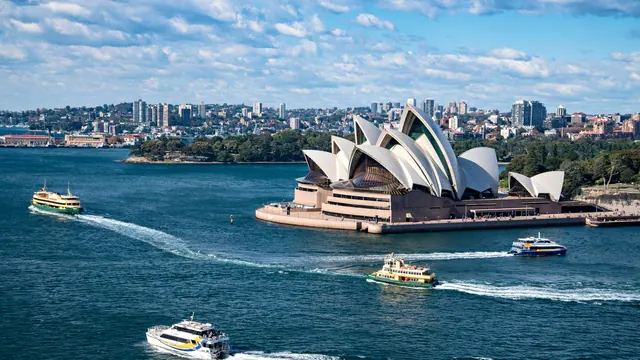 Papua New Guinea vs Australia
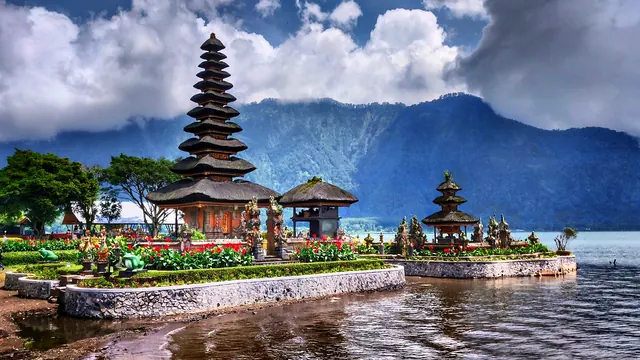 Papua New Guinea vs Indonesia
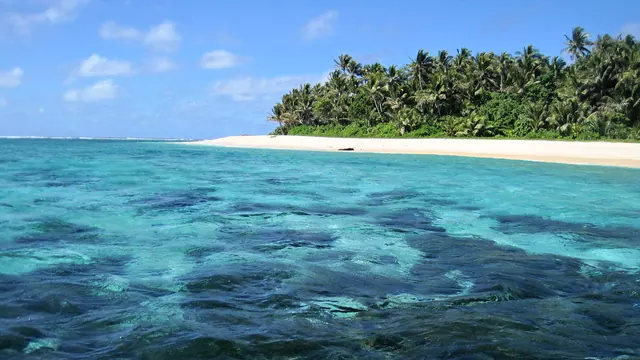 Papua New Guinea vs Solomon Islands
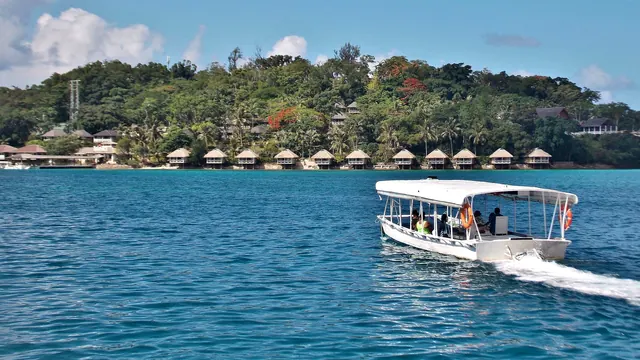 Papua New Guinea vs Vanuatu
- Solomon Islands vs Fiji
 Tahiti vs Fiji
 Timor-Leste vs Papua New Guinea
 Tuvalu vs Fiji
- Vanuatu vs Fiji
Where else could you go?
Set Papua New Guinea or Fiji against any other country.