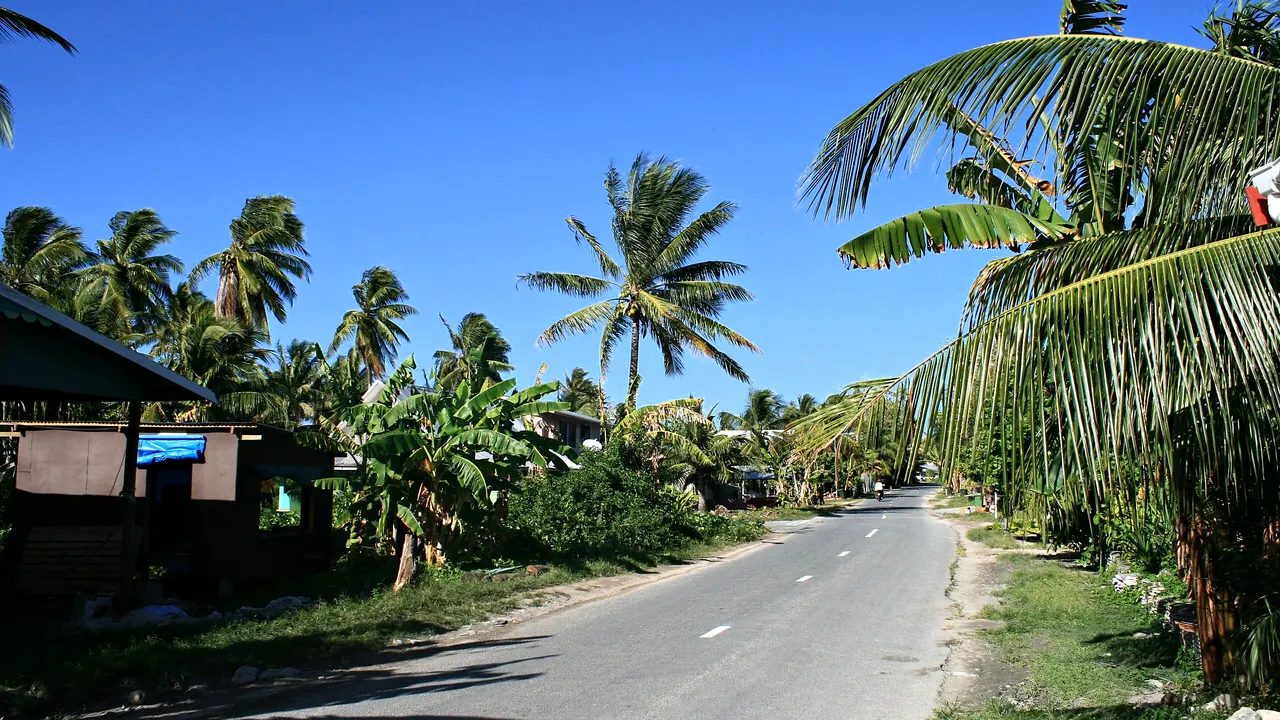
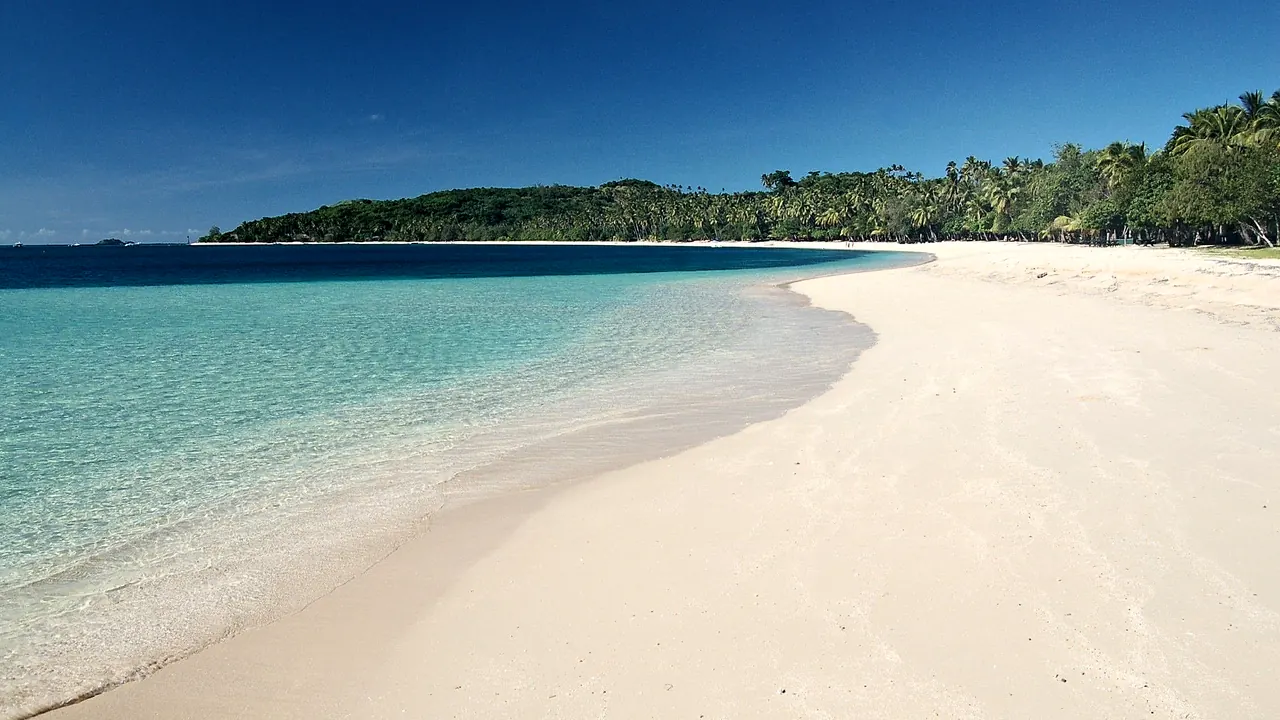
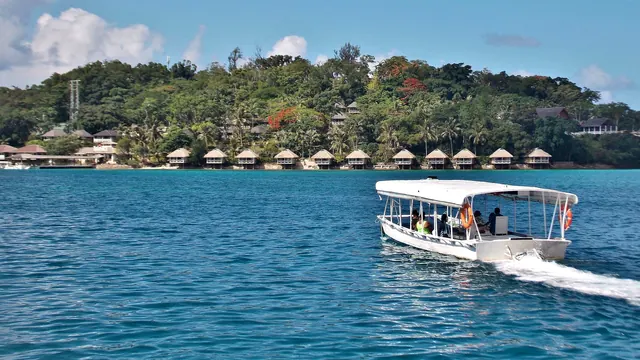
Photos: Tuvalu by Davidarfonjones, CC BY-SA 3.0, cropped; Fiji by Msdstefan at de.wikipedia, Public domain.
Tuvalu or Fiji?
Our verdict in twelve categories, each scored against the same fixed benchmark cities, and the climate month by month, so you can choose for your trip.
Choose Tuvalu for
- prices
Tuvalu suits a particular traveller: someone curious to spend time in one of the smallest and least-visited nations on earth, who is content with a single atoll, a scooter and a borrowed boat. Almost everything happens on Funafuti. The rewards are the everyday life of a Polynesian community, the fatele danced in a maneapa and a calm lagoon with empty islets. If you need things to do, it will feel thin.
Choose Fiji for
- families
- nature and the outdoors
- wellness
Fiji is the better choice for nearly every other kind of trip. It has proper beach islands in the Mamanucas and Yasawas, world-class diving off Taveuni and Kadavu, resorts with kids' clubs and spas, and enough transport to link several island groups. Families, divers, couples looking for rest and anyone who simply wants a tropical island vacation that works will find much more here.
Scoreboard
Twelve categories on one fixed scale from 0 to 100. The shaded stretch is the gap between the two.
Your match
Pick a travel style or drag the sliders, and both match scores follow your weighting.
Wins on prices with your weighting.
Wins on families and nature and the outdoors with your weighting.
What matters to you?
Category by category
What the scores mean for a trip.
Beaches & swimming
Tuvalu's best sand is not where you stay. It lies on the uninhabited islets of the Funafuti Conservation Area, narrow white strips reached only by a boat you arrange yourself. The lagoon off Fongafale is calm but not clean along the built-up shore, and there are no facilities anywhere.
Fiji is a true beach destination. The Mamanucas are a short boat ride from Nadi, and the quieter Yasawas have long beaches below volcanic hills. In both you can swim and snorkel straight off the sand every day. The main island is patchier, since Denarau is murky and the Coral Coast depends on the tides, but there is plenty of choice elsewhere.
Where in Tuvalu: Funafuti Conservation Area, Funafala islet, Fongafale lagoon shore
Where in Fiji: Yasawa Islands, Mamanuca Islands, Coral Coast, Taveuni
Food & drink
In Tuvalu you eat whatever reaches Funafuti by ship. A few small eateries on Fongafale serve fried fish, rice and noodles. Pulaka, breadfruit and coconut crab are mostly met at a community feast, not in a restaurant.
Fiji gives you much more to eat. Indo-Fijian curry and roti canteens fill Nadi, Lautoka and Suva, and the markets are full of fruit and kava root. Kokoda and the lovo earth oven show the iTaukei side. On the islands, though, meals mostly come from the resort kitchen.
Where in Tuvalu: Funafuti
Where in Fiji: Suva, Nadi, Lautoka
Culture & sights
Neither country is a sightseeing destination, but Fiji has a few real sights. Tuvalu offers wartime remains around the Funafuti airstrip, white churches, the maneapa meeting houses and the stamp bureau. Its interest lies more in daily life than in places to visit.
Fiji has Levuka, the UNESCO-listed former colonial capital on Ovalau, and the Fiji Museum in Suva's Thurston Gardens, with canoes and war clubs. The Hindu temple in Nadi and the archaeological site at the Sigatoka dunes add to the list.
Where in Tuvalu: Funafuti, Nanumea
Where in Fiji: Levuka, Suva, Nadi
Nightlife
Evenings on Funafuti end early. There are a couple of simple bars and the odd weekend dance, and the real social life is people gathering on the airstrip once the flights are done. Fiji is quiet too, but it does have a scene: Suva's bars and clubs fill at weekends, and backpacker islands in the Mamanucas and Yasawas run beach parties for a younger crowd.
Where in Tuvalu: Funafuti
Where in Fiji: Suva, Mamanuca Islands, Nadi
Nature & outdoors
Tuvalu's outdoors fits inside a single lagoon. A boat hired from a local owner takes you to the Funafuti Conservation Area for coral, green turtles and nesting noddies and terns. On land, though, each islet can be walked end to end in minutes, and the outer atolls are days away by ship.
Fiji has dive sites known around the world: the soft corals of the Somosomo Strait off Taveuni, the Great Astrolabe Reef around Kadavu and the shark dives of Beqa Lagoon, with manta rays in the Yasawas from about May to October. On land you can raft through rainforest in the Navua gorges, see Bouma's waterfalls on Taveuni and walk the hills behind Nadi.
Where in Tuvalu: Funafuti Conservation Area, Funafuti lagoon
Where in Fiji: Taveuni, Kadavu, Beqa Lagoon, Yasawa Islands
Day trips
Day trips are thin in both countries, and almost absent from Funafuti, where the only outing is a boat to an empty islet. Any other island means the government ship and days of travel. From Nadi, Fiji at least offers a few choices: a boat day in the Mamanucas, Sigatoka and village visits along the Coral Coast, or Lautoka's market.
Where in Fiji: Sigatoka, Lautoka, Suva
Good for families
Tuvalu is warm-hearted with children, and local kids play on the airstrip and the lagoon shore in the evenings. But visiting families will find no parks or activities, constant heat and only basic medical care. It suits older children who enjoy boat trips and little else.
Fiji's resorts are built around families. Kids' clubs on Denarau, the Coral Coast and the inner Mamanucas run crafts, hermit-crab races and Fijian games, and staff are famously good with children. Calm shallows let small children paddle safely. The main effort is planning boat or plane transfers with young ones.
Where in Tuvalu: Funafuti
Where in Fiji: Denarau, Mamanuca Islands, Coral Coast
Getting around
On Funafuti everyone rides a motor scooter along the narrow 12km of Fongafale. That is easy enough, but going any further depends on hiring a local boat or on government ships that sail at irregular intervals.
Fiji takes more organising, but it actually works. Catamarans run through the Mamanuca and Yasawa chains, seaplanes and domestic flights reach Taveuni, Kadavu and Savusavu, and buses run along Viti Levu's coast road. Several island groups can be combined in one trip, which is close to impossible in Tuvalu.
Where in Tuvalu: Funafuti
Where in Fiji: Mamanuca Islands, Viti Levu, Yasawa Islands
Shopping & style
Tuvalu's shopping is a small handicraft outlet by the airstrip, selling woven mats, fans and shell necklaces, plus the philatelic bureau, which collectors value. Fiji offers more of the same kind of thing. Its handicraft markets in Suva and Nadi sell masi cloth and carved kava bowls, and there are Indian fabric shops in Suva and resort wear at Denarau. Even so, neither country is a place to shop.
Where in Tuvalu: Funafuti
Where in Fiji: Suva, Nadi, Denarau
Affordability
Overall costs are much the same, but they come about in different ways. In Tuvalu you have little choice: a modest hotel and a few guesthouses, with imported food priced above its simplicity. Scooters and local meals are cheap, and there are no entry fees.
In Fiji the bill depends on your choices. Staying on Viti Levu, eating in Indo-Fijian canteens and taking day boats keeps it low, and backpacker lodges in the Yasawas make island stays affordable. The private-island resorts most people book, with compulsory meal plans and seaplane transfers, are expensive.
Where in Tuvalu: Funafuti
Where in Fiji: Nadi, Coral Coast, Yasawa Islands
Live music & performing arts
Both countries offer traditional performance rather than theatre, and in both the Sunday church choirs are memorable. The difference is in how you get to see it. Tuvalu's fatele, where the drumming and singing speed up until the dancers rise, belongs to weddings, church events and national days in the maneapa, so you have to be there at the right moment.
In Fiji the meke and the Beqa firewalking are staged for visitors at lovo nights and at shows on the Coral Coast and around Pacific Harbour. That makes them easy to plan for, though they feel less spontaneous.
Where in Tuvalu: Funafuti
Where in Fiji: Pacific Harbour, Coral Coast, Suva
Wellness & relaxation
Tuvalu's only form of rest is its slowness: quiet Sundays and shade by the lagoon. Some visitors love it, and others find the heat and isolation draining. Fiji makes a point of relaxation. It has single-resort islands with no roads, adults-only retreats in the Mamanucas, spas offering Fijian massage, and the Sabeto mud pools and Savusavu hot springs for a change of pace.
Where in Tuvalu: Funafuti
Where in Fiji: Mamanuca Islands, Savusavu, Taveuni, Sabeto Valley
When should you go?
Pick your month, and for a country the place in it. The climate figures are measured averages, not a forecast.
Funafuti (Tuvalu) in July
Mamanuca Islands (Fiji) in July
Daytime high, °C
Rainfall in the month, mm
Where the figures come from
Mamanuca Islands (Fiji)'s temperatures are measured 35 km from the centre, at Nandi.
Mamanuca Islands (Fiji) has no rain gauge within 25 km of the centre, so its rainfall comes from a gridded climate dataset read at the destination rather than from a gauge further away.
Temperature and rainfall are climate normals, averaged over the years shown. Funafuti (Tuvalu): 1991-2020 normals, Funafuti (2.1 km from centre). Mamanuca Islands (Fiji): 1991-2020 normals, Nandi (35.3 km from centre).
Funafuti is hot and humid all year, with daytime highs of about 32°C every month and a sea that barely moves from warm. There is no dry season as such. Rain is heavy throughout and heaviest from December to March, reaching about 368mm in January. June to October is somewhat drier and sunnier, which makes it the better window for boat trips to the islets, though the heat makes midday walking on Fongafale tiring whenever you go.
The Mamanuca Islands have a much clearer rhythm. May to October is the dry season, with July down to about 51mm of rain, slightly cooler days and plenty of sunshine, which is ideal for beaches, snorkelling and getting between islands. December to April is hotter and much wetter, with March near 274mm, and carries the cyclone risk. The sea stays swimmable all year, but at its coolest in August and September it is a touch fresher, about 26°C.
Which traveller are you?
On a family trip with young children, Tuvalu spares you transfers, but there is little to fill the days and serious medical care is a flight away. Fiji is the clear choice. Stay close to Nadi so the boat ride stays short, and go between May and October, when mosquitoes need less care.
For an outdoors trip, Tuvalu gives you one lagoon and whatever boat days a local owner can offer. Fiji wins easily, but its best diving needs a stay of its own. Fly on to Taveuni or Kadavu rather than relying on day boats from Nadi, and avoid the muddy wet season.
On a relaxing and wellness trip, Tuvalu gives you stillness whether you want it or not, and some visitors find the heat and the basic facilities draining. In Fiji, decide early between a small resort island, which means a boat or seaplane transfer and a set meal plan, and a cheaper base on Viti Levu.
More comparisons
Each shares a side with Tuvalu or Fiji.
 Bora Bora vs Fiji
 Fiji vs Bali
 Fiji vs Cook Islands
 Fiji vs Rarotonga
 Fiji vs Samoa
 Fiji vs Tonga
 French Polynesia vs Fiji
 Hawaii vs Fiji
 Kiribati vs Fiji
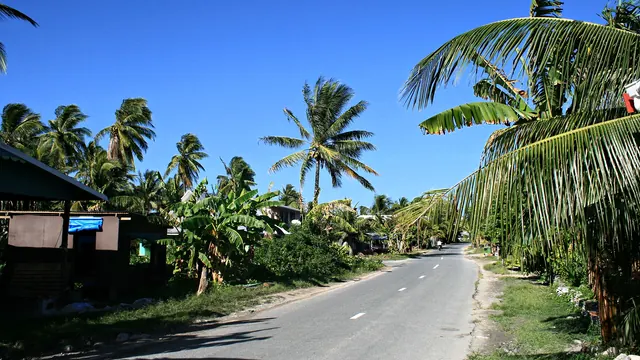 Kiribati vs Tuvalu
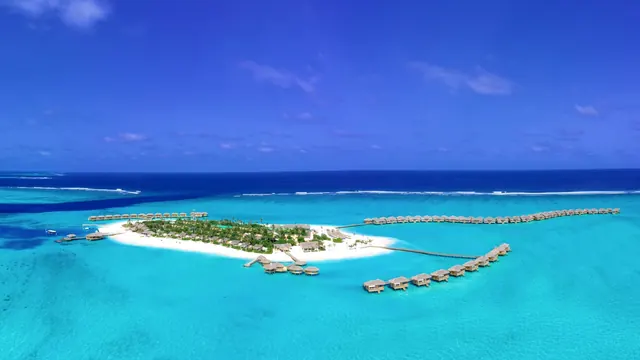 Maldives vs Fiji
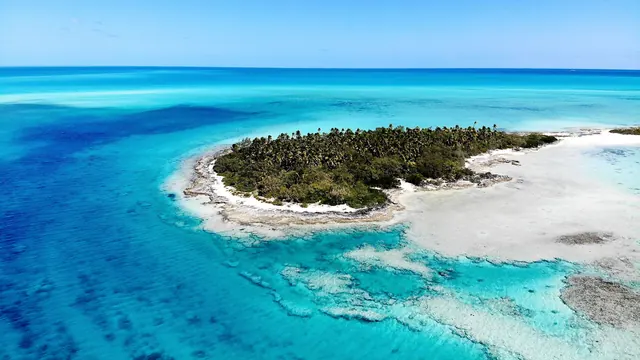 New Caledonia vs Fiji
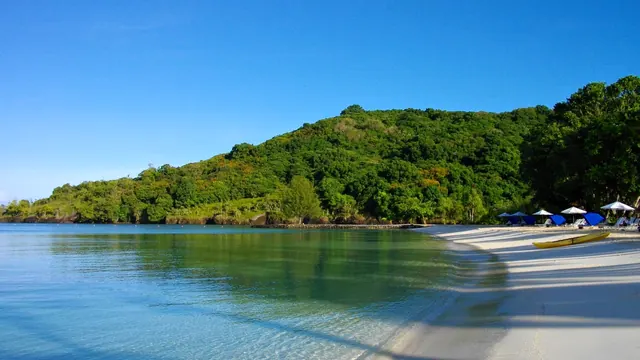 Palau vs Fiji
 Papua New Guinea vs Fiji
 Solomon Islands vs Fiji
 Tahiti vs Fiji
 Tuvalu vs Nauru
 Tuvalu vs Vanuatu
- Vanuatu vs Fiji
Where else could you go?
Set Tuvalu or Fiji against any other country.