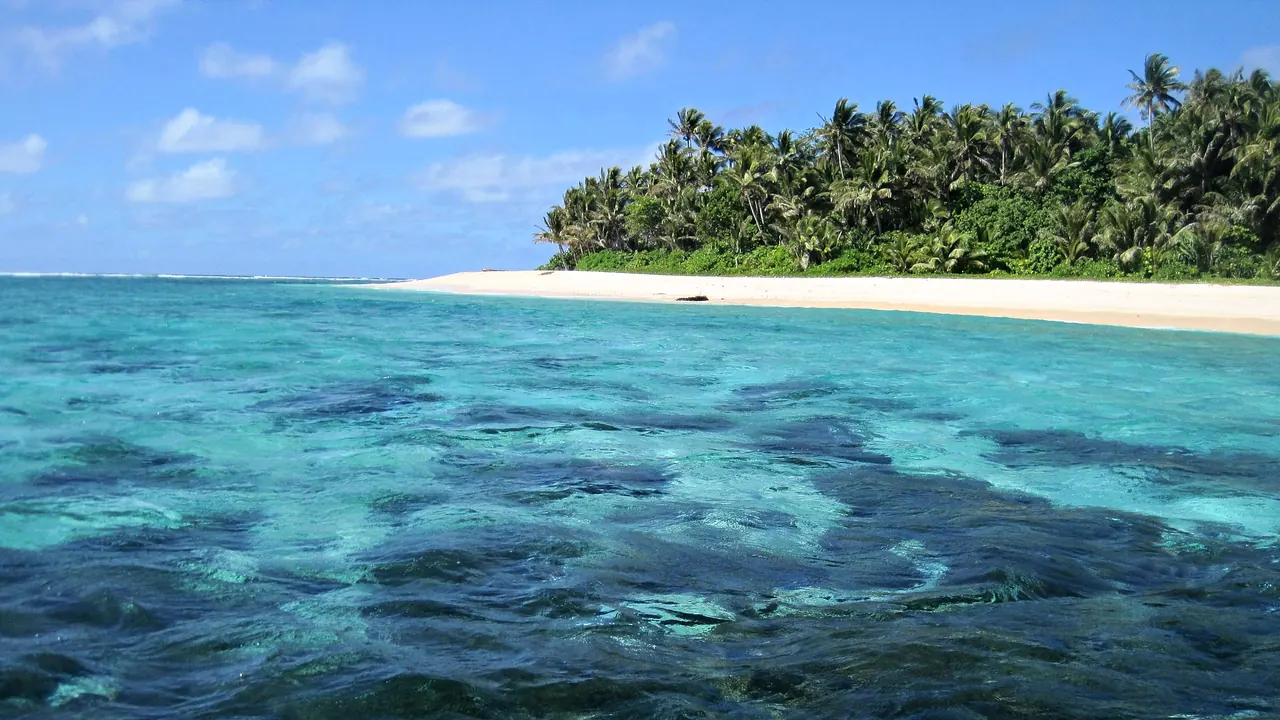
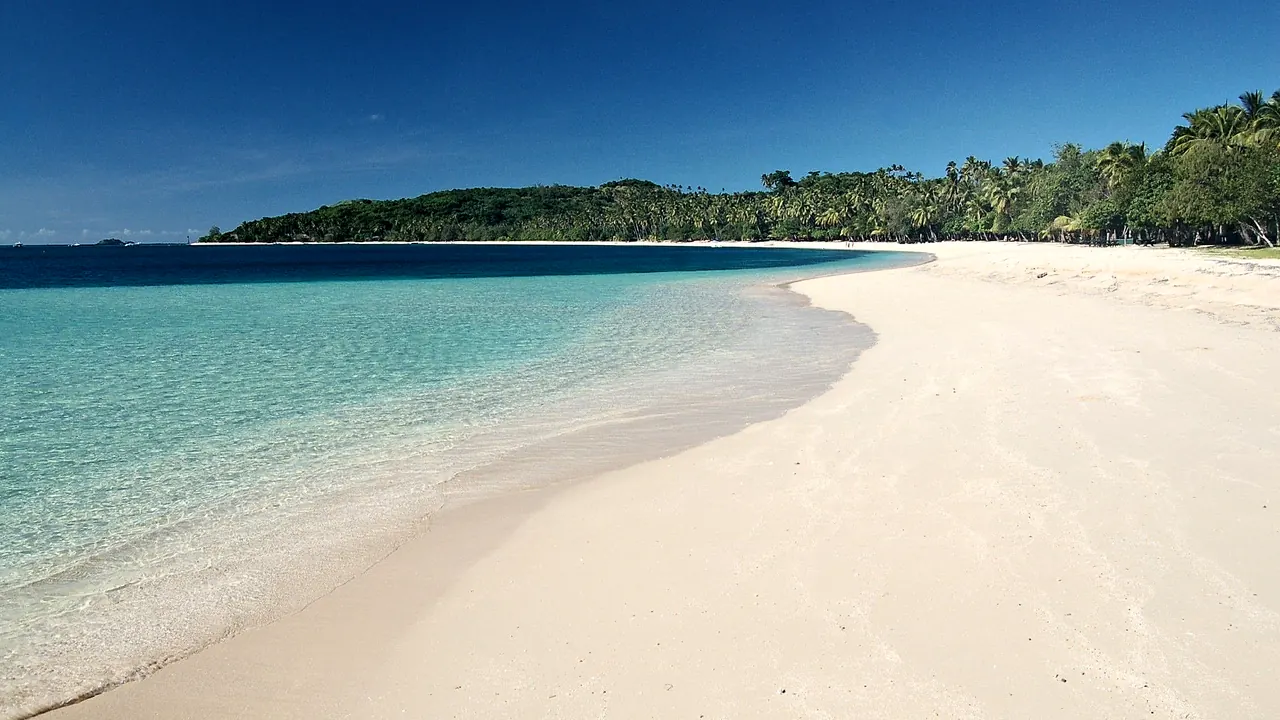
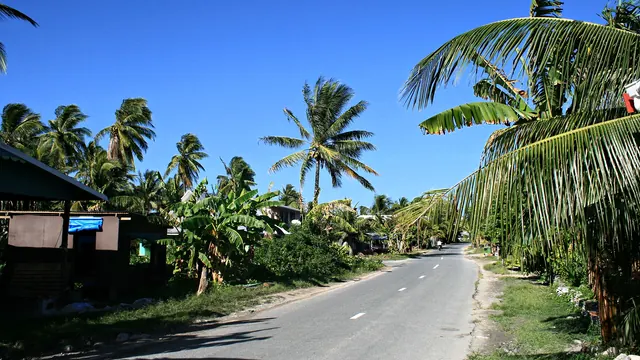
Photos: Solomon Islands by ravilacoya, CC BY-SA 2.0, cropped; Fiji by Msdstefan at de.wikipedia, Public domain.
Solomon Islands or Fiji?
Our verdict in twelve categories, each scored against the same fixed benchmark cities, and the climate month by month, so you can choose for your trip.
Choose Solomon Islands for
- culture and sights
- nature and the outdoors
The Solomon Islands reward a traveller who comes for what lies under the water and the history around it. Divers drawn to the warship wrecks of Iron Bottom Sound and the coral walls of Marovo Lagoon will find them here, along with Second World War battlefields on Guadalcanal and skull shrines in Roviana. It suits independent, patient adults who accept slow boats, basic lodges and plans that shift.
Choose Fiji for
- families
- wellness
- beaches
Fiji is the easier and more rounded choice for a beach vacation. The Mamanuca and Yasawa islands have proper white-sand beaches and calm lagoons, resorts with kids' clubs and spas, and transfers that run to a routine. Families, couples wanting rest and anyone who wants the reef without the hardship will be better served there, and the diving off Taveuni and Beqa is hardly a sacrifice.
Scoreboard
Twelve categories on one fixed scale from 0 to 100. The shaded stretch is the gap between the two.
Your match
Pick a travel style or drag the sliders, and both match scores follow your weighting.
Wins on culture and sights and nature and the outdoors with your weighting.
Wins on families and wellness with your weighting.
What matters to you?
Category by category
What the scores mean for a trip.
Beaches & swimming
Fiji is built around its beaches in a way the Solomons are not. The Mamanuca islets are ringed with white sand a short boat ride from Nadi, and the Yasawas add longer, quieter beaches beneath volcanic hills, so swimming straight off the sand is part of every day. Just avoid relying on Denarau or the tidal reef flats of the Coral Coast.
The Solomons have equally warm, clear water, but the sand is scarcer and every good spot needs a boat. The islets around Gizo and Kennedy Island have small white beaches, Roviana has deserted sandy spits, and at Bonegi you can snorkel from the shore over sunken wartime ships. Crocodiles near river mouths mean asking locally before you swim.
Where in Solomon Islands: Gizo and its islets, Marovo Lagoon, Munda, Guadalcanal northwest coast
Where in Fiji: Yasawa Islands, Mamanuca Islands, Coral Coast, Taveuni
Food & drink
Fiji eats better, mainly because of its Indo-Fijian kitchen. Curries, roti and dhal in the canteens of Nadi, Lautoka and Suva sit alongside kokoda and the lovo earth-oven feast, though on the islands you are mostly tied to the resort buffet.
In the Solomons, meals outside Honiara come from the lodge kitchen and depend on that day's catch. That can mean superb reef fish or crayfish, and the Central Market in Honiara is worth a look, but there is little to seek out beyond it.
Where in Solomon Islands: Honiara
Where in Fiji: Suva, Nadi, Lautoka
Culture & sights
Neither is a sightseeing destination, but the Solomons give a history-minded visitor slightly more to go looking for. The Guadalcanal campaign left Bloody Ridge, the Matanikau battlefields and village collections of wartime guns and aircraft. Further out you can visit Roviana's skull shrines or Langa Langa Lagoon, where families still make shell money by hand.
Fiji's highlights are more built than lived. The best of them is Levuka, the UNESCO-listed old capital with its wooden shopfronts and waterfront, though it needs a ferry or flight from Suva. Then there are the Fiji Museum and the painted Hindu temple in Nadi.
Where in Solomon Islands: Guadalcanal, Roviana Lagoon, Langa Langa Lagoon, Honiara
Where in Fiji: Levuka, Suva, Nadi
Nightlife
Fiji at least has somewhere to go out. Suva's bars and clubs fill with students and locals at weekends, and backpacker islands in the Mamanucas and Yasawas run beach parties for a young crowd. Nights in the Solomons rarely get further than a hotel bar on the Honiara waterfront or a drink on the lodge deck before an early dive.
Where in Solomon Islands: Honiara
Where in Fiji: Suva, Mamanuca Islands, Nadi
Nature & outdoors
Both are first-rate for anyone who lives in a mask and fins, and the difference is in what you find under the water. The Solomons are about wrecks and wild reef: warships in Iron Bottom Sound, aircraft off Gizo and Munda, and the coral walls of Marovo's double barrier reef. On land you can walk the rainforest on uninhabited Tetepare or make the muddy climb up Kolombangara.
Fiji offers more kinds of encounter. There are shark dives in Beqa Lagoon, manta rays in the Yasawas from about May to October, soft corals on Taveuni's Rainbow Reef and surf at Cloudbreak. On land there is rafting through the Navua gorges.
Where in Solomon Islands: Marovo Lagoon, Gizo and Munda, Tetepare, Iron Bottom Sound
Where in Fiji: Taveuni, Kadavu, Beqa Lagoon, Yasawa Islands
Day trips
Both are places to stay put, and outings mostly mean a boat to somewhere small. From Honiara you can cross to the old colonial harbour at Tulagi, and from Gizo you can reach Kennedy Island and Skull Island. Fiji adds a few land-based days on Viti Levu, such as Sigatoka's market and villages or the market in Lautoka.
Where in Solomon Islands: Tulagi, Kennedy Island, Roviana Lagoon
Where in Fiji: Sigatoka, Lautoka, Suva
Good for families
Fiji is far better with children. Resorts on Denarau, the Coral Coast and the inner Mamanucas run kids' clubs, and staff are known for their warmth with young guests. Gentle lagoon shallows let small children paddle and snorkel safely.
The Solomons are hard going for families. Malaria is widespread, medical care outside Honiara is very basic, and journeys involve small planes and open boats. Gizo is the one workable base, and only for older children who swim confidently.
Where in Solomon Islands: Gizo and its islets
Where in Fiji: Denarau, Mamanuca Islands, Coral Coast
Getting around
Fiji is much easier to move around. Catamaran ferries work their way up the Mamanuca and Yasawa chains, seaplanes cut the journey short, and buses and taxis run the coastal road on Viti Levu between Nadi, the Coral Coast and Suva.
In the Solomons, almost everything depends on a few small flights out of Honiara whose schedules often change. Even Gizo town is a boat ride from its airstrip, and lodge transfers can take an hour or more across open water. Combining Gizo, Munda and Marovo takes real slack in the plan.
Where in Solomon Islands: Western Province, Honiara
Where in Fiji: Mamanuca Islands, Viti Levu, Yasawa Islands
Shopping & style
Both offer crafts and little else, but the crafts differ. In the Solomons the prize is Western Province carving in ebony and kerosene wood, such as inlaid bowls and nguzunguzu figureheads, often brought straight to lodges in Marovo and Roviana. Fiji's markets in Suva and Nadi sell masi cloth and kava bowls, and Nadi and Denarau add duty-free and resort-wear shops.
Where in Solomon Islands: Marovo Lagoon, Honiara, Roviana Lagoon
Where in Fiji: Suva, Nadi, Denarau
Affordability
Both are expensive for what you get, and the ways to save differ. In Fiji you can base yourself on Viti Levu, eating in Indo-Fijian canteens and taking day boats out, or stay in Yasawa backpacker lodges where meals are included.
In the Solomons, Honiara's hotels are priced for aid workers, and every move between islands adds a flight and a boat. The simple eco-lodges of Marovo and the Western Province are the better-value choice if you accept basic comforts.
Where in Solomon Islands: Marovo Lagoon, Western Province
Where in Fiji: Nadi, Coral Coast, Yasawa Islands
Live music & performing arts
Neither has a theatre or a regular live-music scene, so in both the music is traditional and what differs is how you come across it. In the Solomons it means the bamboo panpipe ensembles of Malaita, playing interlocking tunes alongside kastom dance in leaf and shell costume. You mostly hear them at festivals, national celebrations in Honiara or performances arranged in villages.
Fiji's performances are easier to catch. Meke, the dance and chant that tells stories of war and voyaging, is staged at resort lovo nights, and Sawau firewalkers from Beqa appear at shows on the Coral Coast and around Pacific Harbour. Visitors are also welcome at Sunday church services, where the singing is often the most moving music of the trip.
Where in Solomon Islands: Malaita, Honiara
Where in Fiji: Pacific Harbour, Coral Coast, Suva
Wellness & relaxation
Fiji is the place to unwind in comfort. Most resorts have spas in open-sided bures offering coconut-oil treatments and Fijian massage, adults-only islands in the Mamanucas are built for quiet, and there are the Sabeto mud pools and the hot springs at Savusavu.
The Solomons offer stillness rather than pampering. An over-water bungalow in Marovo or an islet off Gizo leaves little to do but read and paddle, but heat, mosquitoes and generator power come with it.
Where in Solomon Islands: Marovo Lagoon, Gizo and its islets
Where in Fiji: Mamanuca Islands, Savusavu, Taveuni, Sabeto Valley
When should you go?
Pick your month, and for a country the place in it. The climate figures are measured averages, not a forecast.
Honiara (Solomon Islands) in July
Mamanuca Islands (Fiji) in July
Daytime high, °C
Rainfall in the month, mm
Where the figures come from
Mamanuca Islands (Fiji)'s temperatures are measured 35 km from the centre, at Nandi.
Mamanuca Islands (Fiji) has no rain gauge within 25 km of the centre, so its rainfall comes from a gridded climate dataset read at the destination rather than from a gauge further away.
Temperature and rainfall are climate normals, averaged over the years shown. Honiara (Solomon Islands): 1992-2020, 12 years observed (rainfall 1961-1990) normals, Honiara (2.6 km from centre). Mamanuca Islands (Fiji): 1991-2020 normals, Nandi (35.3 km from centre).
Both are hot all year, so the choice of month is really about rain. In Honiara the days sit around 32°C in every month and the sea stays close to 29°C, but the wet months at the start of the year are very heavy, with about 348mm in January. May to September is the drier, steadier stretch for boat trips and diving, though showers never stop entirely.
The Mamanuca Islands in Fiji are a touch cooler and noticeably drier in the middle of the year. July is the driest month at about 51mm, and the sunniest weeks run from July to August. The sea cools slightly then but remains comfortable for swimming all year. February and March are the wettest months there, and the December to April wet season brings the risk of cyclones, so both countries are at their best from about May to October.
Which traveller are you?
For wreck divers and Second World War enthusiasts, the Solomon Islands have the stronger case. Sunken warships and downed aircraft lie within reach of the Guadalcanal battlefields, so a dive and a day on the old front line fit into one trip. Fiji has nothing to match it.
On a beach and sun trip, the Solomons' few beaches are short strips that usually need a boat to reach. Fiji has white sand and calm lagoons right outside the room in the Mamanucas and Yasawas, which makes it the clear pick.
On a family trip with children, Fiji wins easily. Its resorts are set up for young guests. The health risks and hard journeys in the Solomons make them workable only with older children who swim confidently.
More comparisons
Each shares a side with Solomon Islands or Fiji.
 Bora Bora vs Fiji
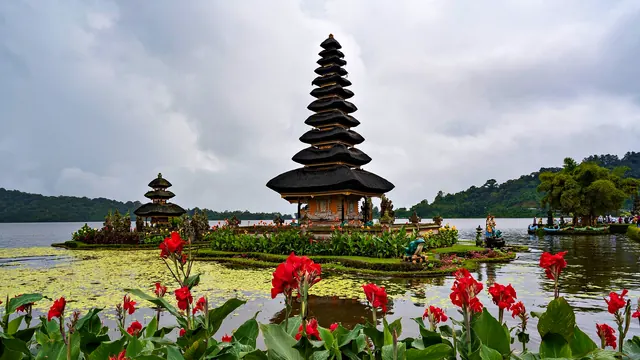 Fiji vs Bali
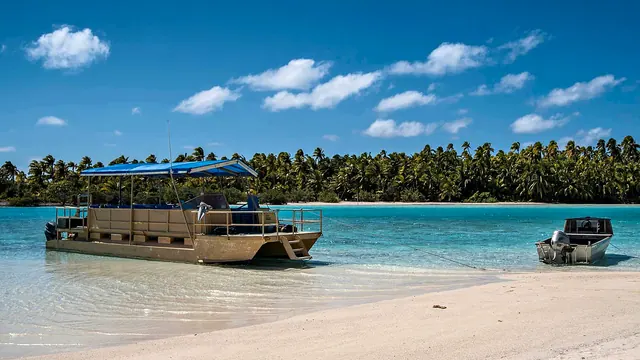 Fiji vs Cook Islands
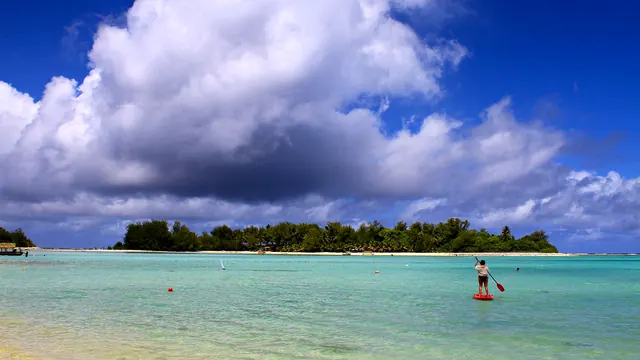 Fiji vs Rarotonga
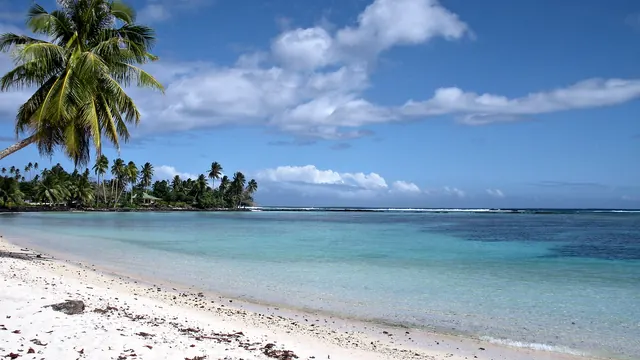 Fiji vs Samoa
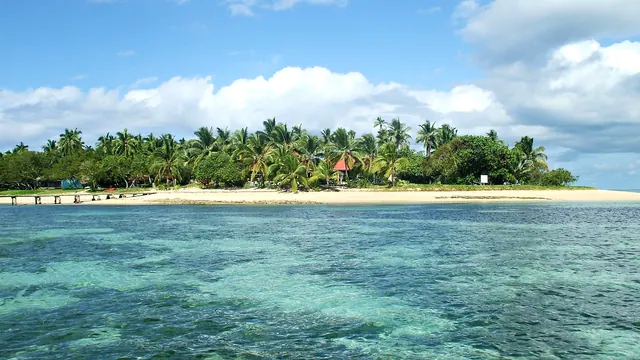 Fiji vs Tonga
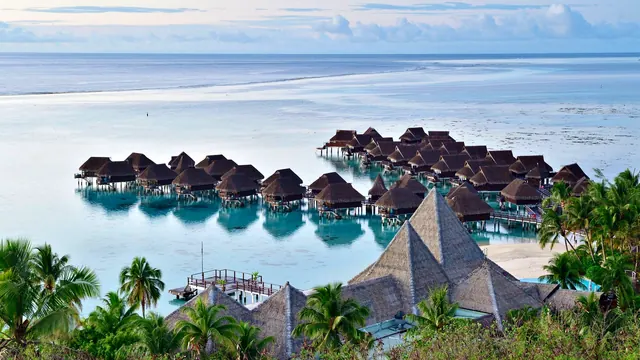 French Polynesia vs Fiji
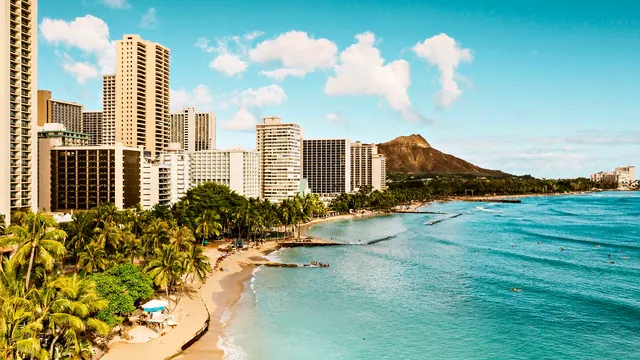 Hawaii vs Fiji
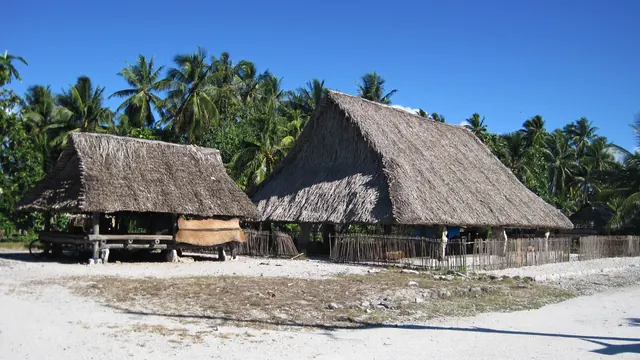 Kiribati vs Fiji
 Maldives vs Fiji
 Marshall Islands vs Solomon Islands
 New Caledonia vs Fiji
 Palau vs Fiji
 Papua New Guinea vs Fiji
- Papua New Guinea vs Solomon Islands
- Solomon Islands vs Samoa
 Solomon Islands vs Vanuatu
 Tahiti vs Fiji
 Tuvalu vs Fiji
- Vanuatu vs Fiji
Where else could you go?
Set Solomon Islands or Fiji against any other country.