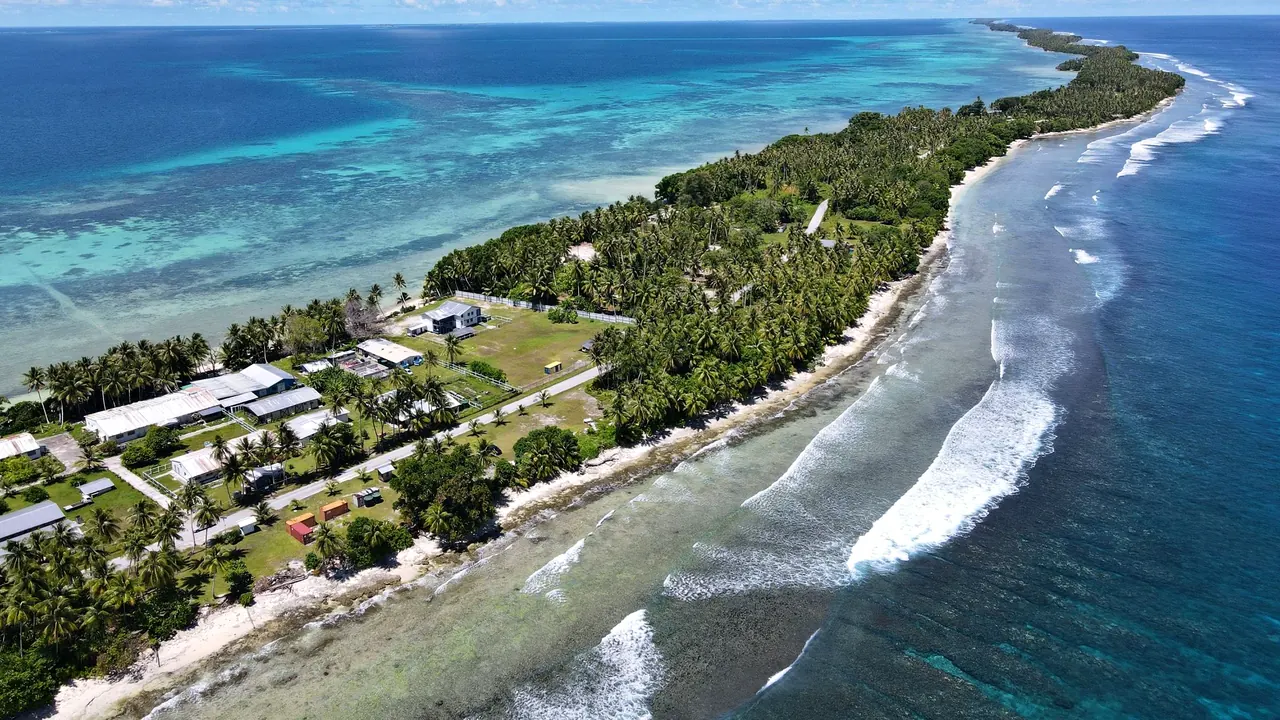
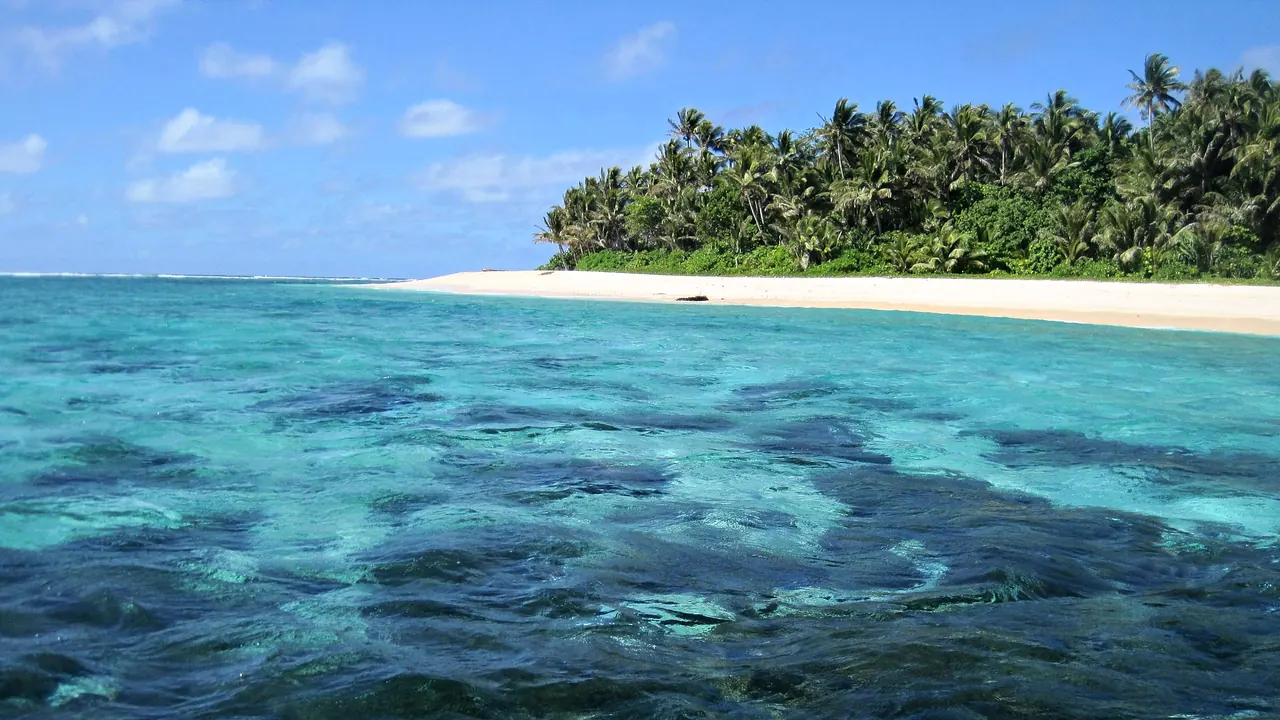
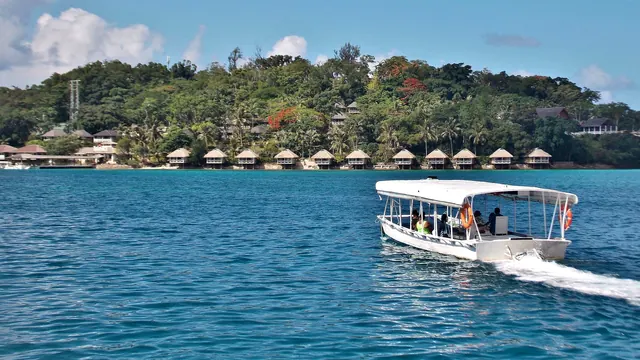
Photos: Marshall Islands by 志斌 陈, Pexels License; Solomon Islands by ravilacoya, CC BY-SA 2.0, cropped.
Marshall Islands or Solomon Islands?
Our verdict in twelve categories, each scored against the same fixed benchmark cities, and the climate month by month, so you can choose for your trip.
Choose Marshall Islands for
- getting around
- families
- food and drink
The Marshall Islands suit a traveller who wants one simple base and a lot of warm, calm water. Majuro is easy to get along by shared taxi, Laura and the lagoon islets such as Eneko are close by, and the sand on Arno and Mili is long and empty for anyone with spare days. Families and anyone who wants a slow trip without much logistics will find it the easier of the two.
Choose Solomon Islands for
- nature and the outdoors
- live music and the arts
- culture and sights
Choose the Solomon Islands if what happens underwater and in the forest is why you are going. Marovo Lagoon's double barrier reef, the wrecks of Iron Bottom Sound and the rainforest of Tetepare put it well ahead for divers and walkers. It also offers more to see, from the Guadalcanal battlefields to the skull shrines of Roviana and the panpipe music of Malaita. Expect slower travel, small planes and open boats, and malaria to plan around.
Scoreboard
Twelve categories on one fixed scale from 0 to 100. The shaded stretch is the gap between the two.
Your match
Pick a travel style or drag the sliders, and both match scores follow your weighting.
Wins on getting around and families with your weighting.
Wins on nature and the outdoors and live music and the arts with your weighting.
What matters to you?
Category by category
What the scores mean for a trip.
Beaches & swimming
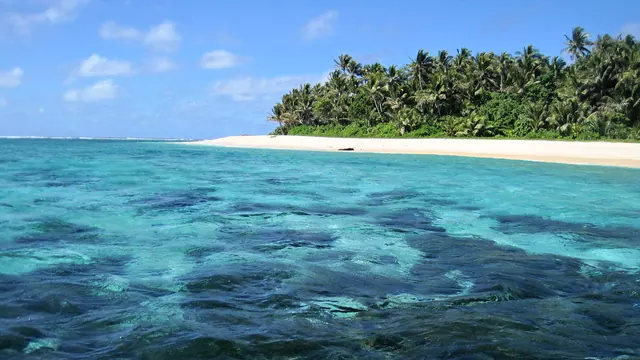
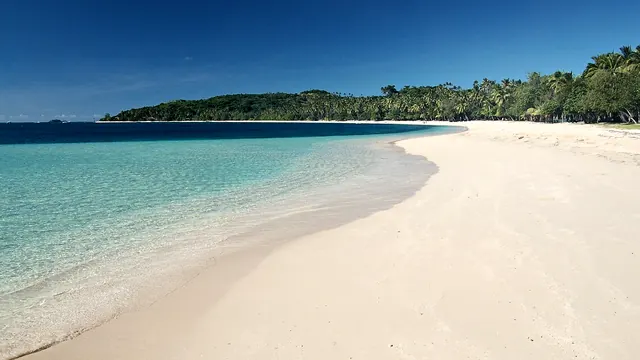
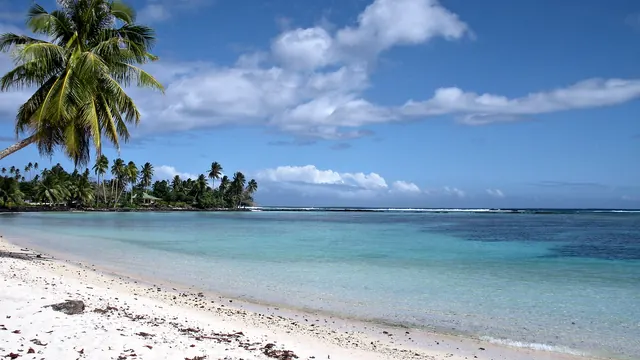
The swimming is equally good, with warm, clear lagoon water in both, but the setting is different. In the Marshalls the best sand is long, white and empty, on Majuro's lagoon islets such as Eneko and on Arno and Mili, though the town shore in Majuro is not for swimming.
The Solomons have shorter strips of sand or coral rubble with reef right off the shore. Examples are the islets around Gizo, the sandy spits across Roviana Lagoon, and Bonegi, where you snorkel out over sunken ships. Saltwater crocodiles in some river mouths mean you should take local advice before swimming anywhere new.
Where in Marshall Islands: Majuro Atoll, Arno Atoll, Mili Atoll
Where in Solomon Islands: Gizo and its islets, Marovo Lagoon, Munda, Guadalcanal northwest coast
Food & drink
Neither country is a reason to travel for food, and in both the best meal is fish caught that day. Majuro's few restaurants lean towards sashimi-style tuna and dishes with Asian and American influence. Honiara Central Market lets you see the local produce, taro, smoked fish and betel nut, which is closer to how people actually eat there.
Where in Marshall Islands: Majuro
Where in Solomon Islands: Honiara
Culture & sights
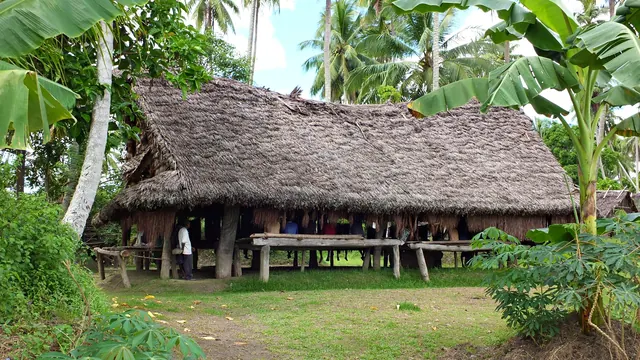
The Solomons have more to see. Around Guadalcanal there are battlefields at Bloody Ridge and the Matanikau River and the memorial on Skyline Ridge. Further out there are living traditions: Roviana's skull shrines, shell-money making in Langa Langa Lagoon and the man-made coral islands of Lau Lagoon, all visited by arrangement with villages.
The Marshalls' heritage is smaller but distinctive. The Alele Museum's navigational stick charts explain how Marshallese navigators crossed open ocean, and Japanese bunkers and aircraft rust on Mili and Jaluit. Bikini Atoll carries heavy historical weight but is rarely possible to visit.
Where in Marshall Islands: Majuro (Alele Museum), Jaluit Atoll, Mili Atoll, Bikini Atoll
Where in Solomon Islands: Guadalcanal, Roviana Lagoon, Langa Langa Lagoon, Honiara
Nightlife
Neither has much nightlife. Majuro's evenings are beer and karaoke in a few bars and hotel lounges, and many outer atolls are dry. Honiara adds a couple of weekend clubs to its waterfront hotel bars, but most visitors to the Solomons spend the evening on a lodge deck before an early dive.
Where in Marshall Islands: Majuro
Where in Solomon Islands: Honiara
Nature & outdoors
The Marshalls are all water. The low coral atolls have no hills or trails, but the lagoons have healthy reefs, mantas and reef sharks, good sportfishing and trade winds that kitesurfers like. The Bikini lagoon wrecks are an occasional and expensive expedition.
The Solomons offer much more, on land as well as at sea. Volcanic islands covered in rainforest surround Marovo Lagoon's double barrier reef, Iron Bottom Sound holds dozens of wrecks, some reachable from the shore, and Tetepare has rainforest walks, nesting turtles and dugongs. There is also surfing around Gizo and a muddy cloud-forest climb on Kolombangara.
Where in Marshall Islands: Bikini Atoll, Majuro Atoll, Arno Atoll, Jaluit Atoll
Where in Solomon Islands: Marovo Lagoon, Gizo and Munda, Tetepare, Iron Bottom Sound
Day trips
Day trips are limited in both, and in both they mean a boat rather than a road. From Majuro you can cross the lagoon to the islets or, on a calm day, reach the villages of Arno.
The Solomons have more variety. From Honiara a boat goes to Tulagi, the old colonial capital. From Gizo it is a short ride to Kennedy Island, and from Munda to Skull Island and the carving villages of Roviana, though weather and fuel decide whether you go.
Where in Marshall Islands: Arno Atoll, Majuro lagoon islets
Where in Solomon Islands: Tulagi, Kennedy Island, Roviana Lagoon
Good for families
The Marshalls are a little easier with children, mainly because Majuro works as a single base. You can paddle at Laura or on the lagoon islets, and Marshallese culture makes families welcome, though medical care is limited.
In the Solomons, malaria, very basic care outside Honiara and open-boat transfers make the trip harder. Gizo, with its hospital and calm islets, works best for older children who can snorkel off a jetty.
Where in Marshall Islands: Majuro Atoll
Where in Solomon Islands: Gizo and its islets
Getting around
The Marshalls are easier to get around, at least in the capital. Shared taxis run constantly along Majuro's single long road, so you need no car. Beyond Majuro, flights to the outer atolls run a few times a week at best.
In the Solomons almost every move needs planning. Small flights from Honiara serve Gizo, Munda and Seghe, then lodge boats sometimes take an hour or more across open water. Even Gizo town is a boat ride from its airstrip.
Where in Marshall Islands: Majuro
Where in Solomon Islands: Western Province, Honiara
Shopping & style
There is little to buy in either country apart from crafts, but the crafts are different. The Marshalls offer woven pandanus baskets, fans and mats, plus stick-chart replicas. The Solomons are known for carving, mainly inlaid ebony bowls and nguzunguzu canoe figureheads brought to lodges in Marovo and Roviana, as well as Malaita's shell money. Check carved wood with customs at home.
Where in Marshall Islands: Majuro, Outer atolls
Where in Solomon Islands: Marovo Lagoon, Honiara, Roviana Lagoon
Affordability
Neither is cheap. Both share two costs: imported food and drink, and the domestic flights you need to go beyond the capital. Hotels are expensive in both for different reasons. Majuro's are simple but charge like a mid-range Western city, while Honiara's are aimed at aid workers and business travellers and priced to match.
Where you can save differs. In the Marshalls, Majuro's shared taxis are very cheap and the outer-atoll guesthouses are modest. In the Solomons, the savings are local markets, village guesthouses and the basic eco-lodges of Marovo and the Western Province. In both, diving and boat hire soon add up.
Where in Marshall Islands: Majuro, Outer atolls
Where in Solomon Islands: Marovo Lagoon, Western Province
Live music & performing arts
The Solomons have more to hear. Malaita's large bamboo panpipe ensembles play interlocking tunes alongside kastom dances, at festivals, national celebrations in Honiara or performances arranged in villages. In the Marshalls the music is church harmony on a Sunday in Majuro and traditional dance on days such as Manit Day.
Where in Marshall Islands: Majuro Atoll
Where in Solomon Islands: Malaita, Honiara
Wellness & relaxation
Neither has a spa tradition. In both, rest comes from slowness. On the Marshalls' outer atolls, such as Arno, days follow the tide and the church bell, with almost no connectivity. In the Solomons you can stay in an over-water bungalow in Marovo Lagoon or on an islet off Gizo, where generator power, heat and mosquitoes are part of the deal.
Where in Marshall Islands: Arno Atoll, Majuro lagoon islets
Where in Solomon Islands: Marovo Lagoon, Gizo and its islets
When should you go?
Pick your month, and for a country the place in it. The climate figures are measured averages, not a forecast.
Majuro (Marshall Islands) in July
Honiara (Solomon Islands) in July
Daytime high, °C
Rainfall in the month, mm
Temperature and rainfall are climate normals, averaged over the years shown. Majuro (Marshall Islands): 1991-2020 normals, Majuro Atoll, Marshall Islands Int. Airp. (11.1 km from centre). Honiara (Solomon Islands): 1992-2020, 12 years observed (rainfall 1961-1990) normals, Honiara (2.6 km from centre).
Both countries are hot and humid every month and the sea is warm enough to swim in all year, so rain decides when to go. Majuro stays at about 30°C year-round and gets plenty of rain in every month. January to March is its driest stretch, and the trade winds are steadiest early in the year. After that the rain builds to a peak of about 334mm in October. Sunshine in Majuro holds up well from March to August and drops off from October to December, its cloudiest months.
Honiara is a little hotter, at about 32°C, which makes walking in the middle of the day tiring in any month. It also has a much clearer dry season. January and February are the wettest months, with about 348mm. From May to September the rain falls to roughly 100mm a month, the best time for the battlefields, Tulagi and the wrecks off Guadalcanal. Rainfall is measured only at Honiara, so for Gizo, Munda and Marovo ask locally about the season before you book. Going by Majuro and Honiara, the two patterns are close to opposite: early in the year favours Majuro, and the middle of the year favours Guadalcanal.
Which traveller are you?
On an outdoors trip, the Solomon Islands are the clear choice. Marovo Lagoon's reef walls, the wrecks off Gizo, Munda and Guadalcanal, turtles on Tetepare and the cloud-forest climb on Kolombangara offer far more than the flat atolls of the Marshalls.
For a culture and arts trip, the Solomon Islands also come out ahead. You can walk the Guadalcanal battlefields, visit Roviana's skull shrines, watch shell money being made in Langa Langa Lagoon and hear Malaita's panpipe ensembles. Majuro's Alele Museum and the wartime relics are a smaller set.
On a family trip with children, the Marshall Islands are the easier of the two. Majuro is one base reached by shared taxi, and Laura has calm water for paddling. The Solomons involve open-boat transfers and malaria precautions, and suit only older children who swim confidently.
More comparisons
Each shares a side with Marshall Islands or Solomon Islands.
Where else could you go?
Set Marshall Islands or Solomon Islands against any other country.