Majuro
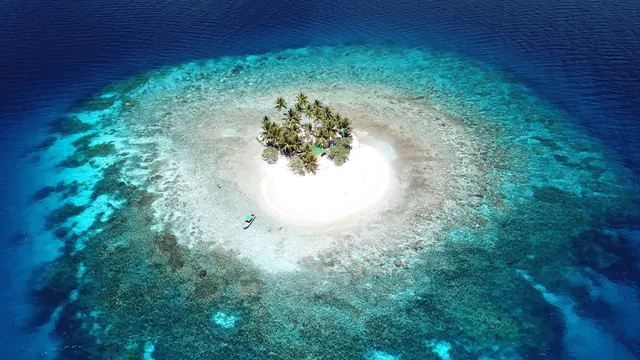
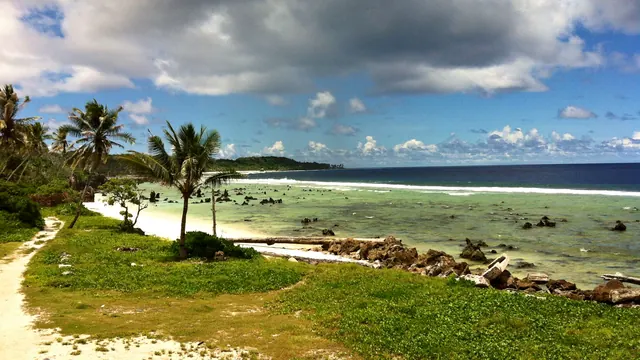
Sand and coral reef at Bikrin islet on Majuro Atoll
- Beaches60
- Getting around42
- Nature & outdoors40
Photo: Cliff Hansen, CC BY-SA 4.0, cropped
Match
24
Every category weighted equally
- Beach & sun30
- Culture & arts21
- Food & nightlife21
- Family trip29
- Outdoors28
- Relax & unwind28
- Shopping & style21
- On a budget26
Majuro in twelve categories
Our verdict on each, scored 0 to 100 against the same fixed benchmark cities, so a score means the same thing on every page.
Beaches & swimming. Scores 60 out of 100.
Food & drink. Scores 20 out of 100.
Culture & sights. Scores 15 out of 100.
Nightlife. Scores 8 out of 100.
Nature & outdoors. Scores 40 out of 100.
Day trips. Scores 10 out of 100.
Good for families. Scores 18 out of 100.
Getting around. Scores 42 out of 100.
Shopping & style. Scores 12 out of 100.
Affordability. Scores 35 out of 100.
Live music & performing arts. Scores 7 out of 100.
Wellness & relaxation. Scores 25 out of 100.
Majuro category by category
Beaches & swimming
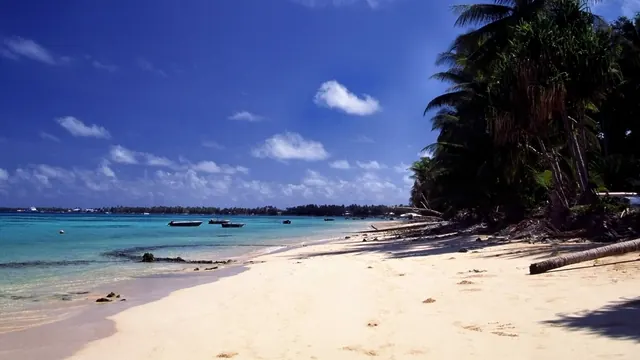
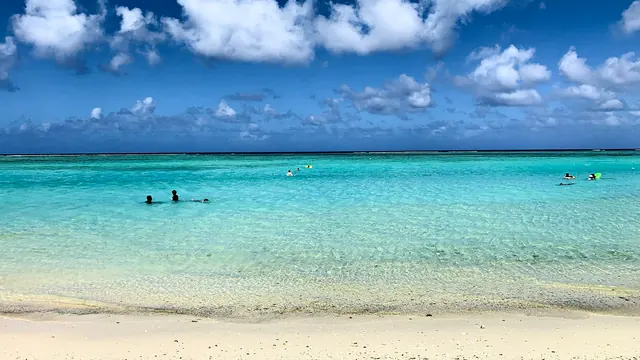
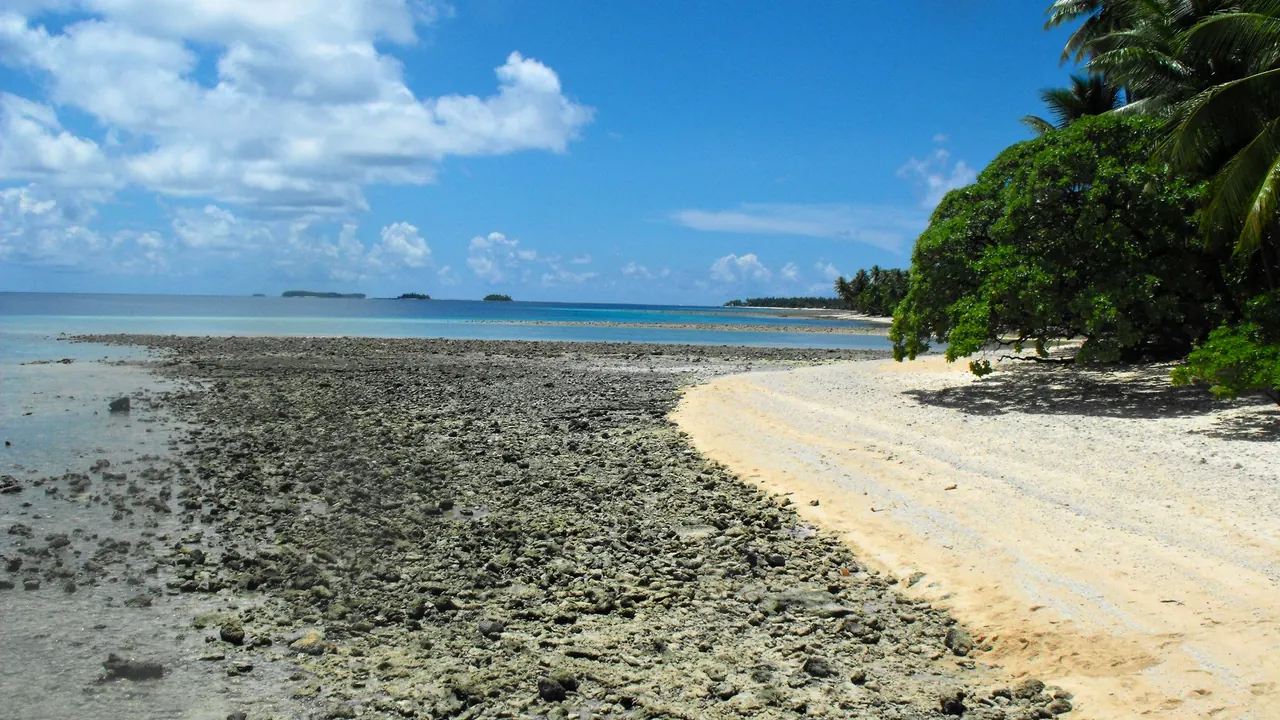
60Majuro is a ring of coral islets around a huge lagoon, and the water inside it stays around 28°C all year, calm and clear on the lagoon side. The catch is that the shore in the main town of Delap-Uliga-Djarrit is built up and not where anyone swims. The beach most visitors use is at Laura, at the far western end of the single road, about 45km and an hour's drive away, with shaded sand facing the lagoon.
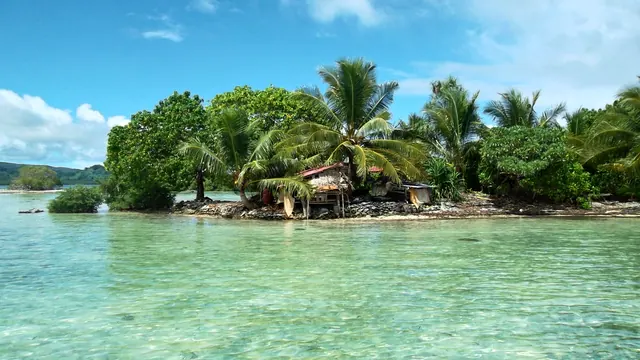
The best swimming is on the small uninhabited islets across the lagoon, such as Eneko, reached by boat, where white sand, palms and shallow reef water make for a quiet day. There are no beach resorts, promenades or facilities to speak of, so bring shade, water and food, and swim modestly near villages.
Food & drink
20Eating in Majuro is simple. Fresh reef fish and tuna, often served as sashimi, breadfruit, pandanus, coconut and taro are the local staples, but most of what reaches the table is imported, and the restaurants are a small set of hotel dining rooms and Asian-run kitchens serving fried rice, fish and grills. There is no street food culture or market scene to explore. The best meals come from fish caught that morning and from local food at church and community events.
Culture & sights
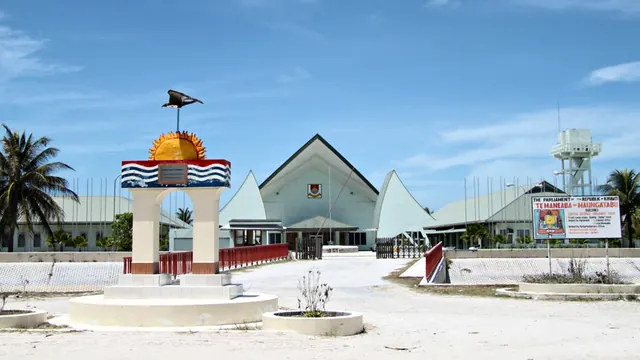
15The essential stop is the Alele Museum, a small collection that explains Marshallese navigation, with traditional stick charts used to read ocean swells, outrigger canoes and woven work. The modern Capitol building and the Peace Park memorial to the Second World War add a little, and the story of the nuclear tests on Bikini and Enewetak gives the country a weight that a visit should acknowledge. Beyond that there is little historic architecture, and the culture is something met in villages, churches and canoe-building rather than in sights.
Nightlife
8Evenings are quiet. A few hotel bars and small local bars serve beer to expatriates, aid workers and visiting fishermen, sometimes with karaoke, but much of Marshallese social life is church-centred and there is no club scene. Most visitors end the day with dinner and a sunset over the lagoon.
Nature & outdoors
40The landscape is the atoll itself: a thin chain of islets, in places only a few hundred metres wide, with the open Pacific on one side and a lagoon roughly 40km long on the other. The interest is in and on the water. Divers and snorkellers find healthy outer reefs, drop-offs and wartime wreckage, the lagoon suits kayaking and sailing, and sportfishing for tuna, wahoo and marlin is a serious draw.
On land there is almost nothing to hike, with no elevation at all, and the narrow strip around the town is densely built. The quieter western end around Laura has palms, taro pits and wide views, and the dry season from roughly December to April brings steadier trade winds and calmer conditions for getting out on the water.
Day trips
10There is almost nowhere else to go in a day. Laura village at the western tip makes a pleasant drive, and with a hired boat it is possible to cross to neighbouring Arno Atoll for a look at outer-island village life, weather permitting. The rest of the Marshall Islands lies across hundreds of kilometres of ocean, reached by infrequent domestic flights or supply ships, which means a trip of several days rather than a day out.
Good for families
18Marshallese culture is warm towards children and the lagoon offers calm, shallow water, but nothing in Majuro is made for a family vacation: no zoo, aquarium, parks with play areas or child-focused sights. Heat, the narrow road with fast traffic, stray dogs and limited medical facilities on a remote atoll make it hard work with young children. It suits families who are content with snorkelling, boat trips and simple island days.
Getting around
42Getting around is simple because there is essentially one road, running about 50km along the atoll from the town at one end to Laura at the other. Shared taxis cruise it constantly and pick up anyone who waves, which makes short hops in town easy without a car. Walking is possible within the town but pavements are patchy, the heat is steady and traffic runs close. For Laura a hired car or a long taxi ride is easier, and the lagoon islets need a boat.
Shopping & style
12Shops are mostly supermarkets and general stores selling imported goods. The one thing worth seeking out is Marshallese handicraft: finely woven pandanus and coconut-fibre baskets, fans, mats and replica navigation stick charts, sold through handicraft outlets, the museum and at community events. Allow little time and expect no fashion or design shopping.
Affordability
35Majuro is not cheap for a visitor. Hotel rooms are few and priced well above what their simple standard would suggest, and because nearly all food is imported, groceries and restaurant meals cost more than might be expected for a small Pacific town. Shared taxis are the clear bargain. Boat hire, diving and fishing trips add up quickly, and getting to the islands at all is a large part of the cost.
Live music & performing arts
7Majuro has no theatre, concert hall or live-music venue. Its music lives in the churches, where hymns sung in Marshallese are strong and moving, and traditional dances and songs come out on national days and at community celebrations. If you happen on one of these, you are lucky. Otherwise there is nothing scheduled to attend.
Wellness & relaxation
25There is no spa or bathing tradition to speak of, and pampering is limited to an occasional massage. What Majuro offers instead is pace: a small town on island time, slow afternoons by the lagoon and sunsets that end most days. The town itself is crowded and untidy, so the real calm is found at the western end of the atoll or on a lagoon islet.
When should you go?
Pick a month to see what it is like. The climate figures are measured averages, not a forecast.
Majuro in July
Daytime high, °C
Rainfall in the month, mm
The whole year
Shaded against this destination’s own year: the deepest cell is its best month for that figure and the palest its weakest.
Temperature and rainfall are climate normals, averaged over the years shown. Majuro: 1991-2020 normals, Majuro Atoll, Marshall Islands Int. Airp. (11.1 km from centre).
Before you go
| Measure | Majuro |
|---|---|
| Official language | English, Marshallese |
| Currency | US Dollar (USD) |
| Driving side | Right |
| Time zone | UTC+12 |
| Emergency number | 911 |
| Elevation | 3 m |
| Main airport | Marshall Islands International Airport (MAJ)12 km from centre10 non-stop destinations |
| Public holidays this year | 11 days |
By the numbers
| Measure | Majuro |
|---|---|
| Population | 30,000 |
| People per km² | 3,093 |
| Museums within 10 km | 1 |
| UNESCO World Heritage sites within 50 km | 0 |
| Swim season, months above 21 °C | 12 months |
Compare Majuro with
Every comparison with a written verdict behind it.