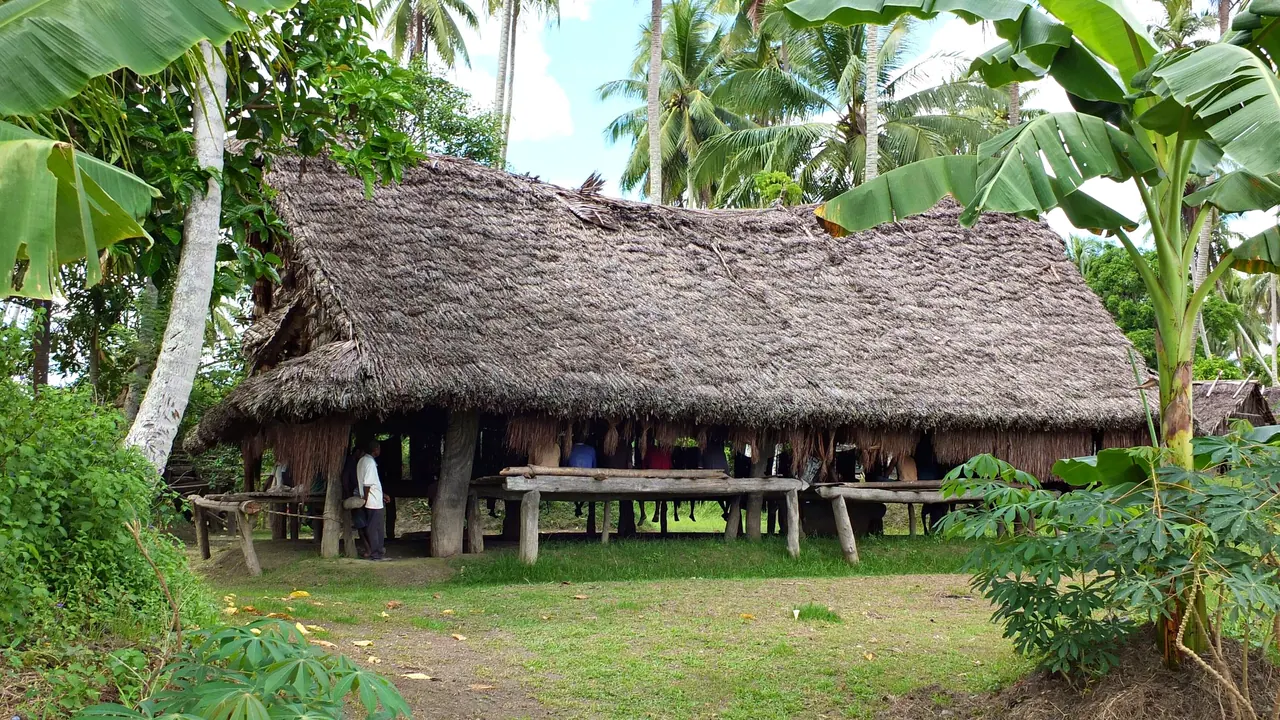
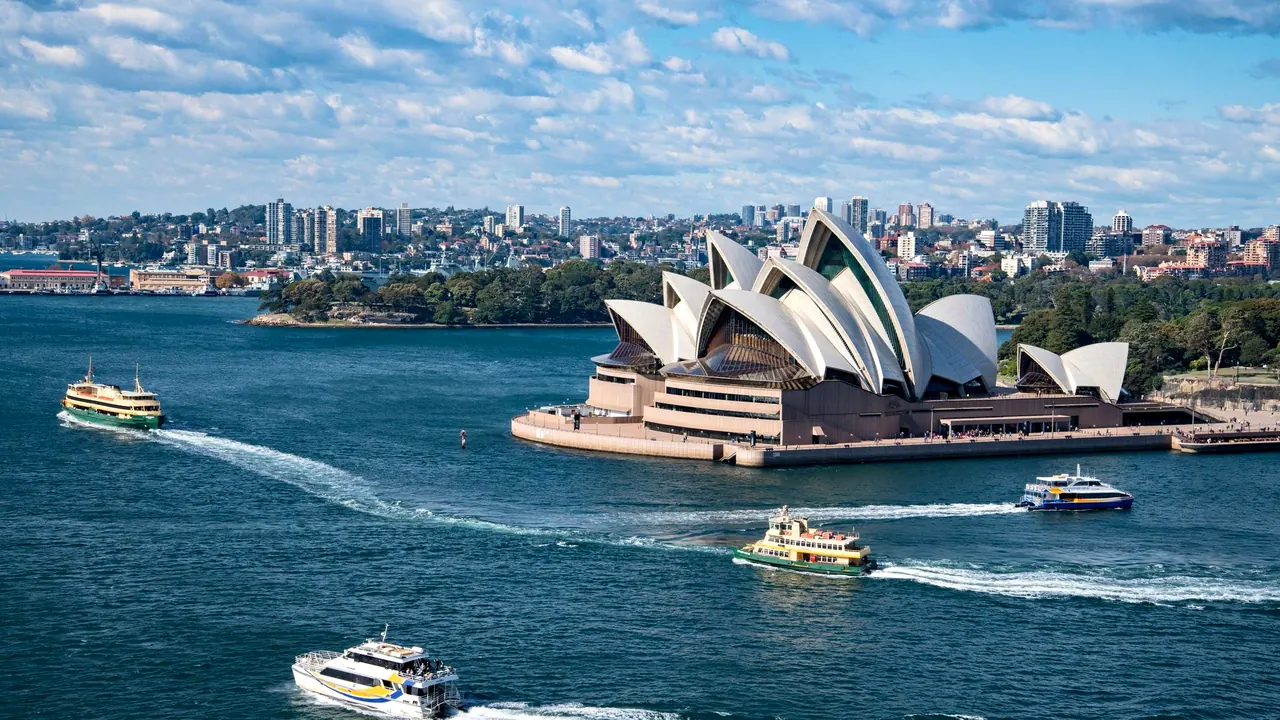
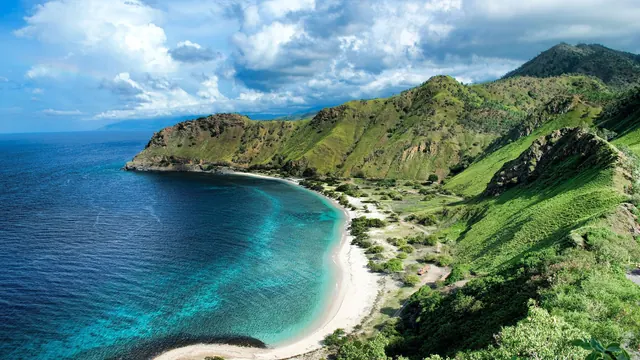
Photos: Papua New Guinea by Eksilverman, CC BY-SA 4.0, cropped; Australia by David Dibert, Pexels License.
Papua New Guinea or Australia?
Our verdict in twelve categories, each scored against the same fixed benchmark cities, and the climate month by month, so you can choose for your trip.
Choose Papua New Guinea for
Papua New Guinea does not lead in any category we score.
Papua New Guinea is for the traveller who already has the easy places behind them and wants something few people see: Sepik spirit houses reached by canoe, Highlands sing-sings in feathers and paint, Second World War wrecks off Rabaul and reefs in Kimbe Bay with hardly another boat in sight. It asks a lot in return, with flights between every region, guides almost everywhere and little comfort in between. It suits seasoned, self-reliant adults with time to spare.
Choose Australia for
- families
- nightlife
- food and drink
Australia wins almost every other kind of trip. It pairs world-class beaches and the Great Barrier Reef with real cities, so a single journey can take in Sydney's harbour, Melbourne's restaurants and laneway bars, wine country around Adelaide and a run to Uluru, all on good roads and regular flights. Families, food lovers, first-time long-haul travellers and anyone who wants nature without heavy logistics will find it far easier going.
Scoreboard
Twelve categories on one fixed scale from 0 to 100. The shaded stretch is the gap between the two.
Your match
Pick a travel style or drag the sliders, and both match scores follow your weighting.
Has no clear advantage with the weighting you have chosen.
Wins on families and nightlife with your weighting.
What matters to you?
Category by category
What the scores mean for a trip.
Beaches & swimming
Australia is one of the world's great beach countries, and Papua New Guinea is not built for beach vacations at all. Sydney's surf beaches and harbour coves, the long breaks of the Gold Coast and Byron Bay, Whitehaven's silica sand in the Whitsundays and the clear water off Perth are backed by flagged, lifesaver-patrolled swimming and plenty of places to stay. The only warnings are stingers and crocodiles in the tropical north and cool water in the south.
Papua New Guinea's sea is warm and clear over coral off New Ireland, Milne Bay and Madang, and snorkelling from the shore can be superb. But the sand fronts villages rather than resorts, each coast needs its own flight, and there are few beds by the water, so the beaches work as a bonus on a diving trip rather than a reason to go.
Where in Papua New Guinea: New Ireland, Milne Bay, Madang
Where in Australia: Sydney, Gold Coast and Byron Bay, Whitsunday Islands, Perth and the South West
Food & drink
Eating well is part of the point in Australia: modern restaurants and flat-white café culture in Melbourne and Sydney, Vietnamese, Greek and Lebanese cooking in their suburbs, rock oysters and Tasmanian scallops, and cellar doors in the Barossa, Yarra Valley and Margaret River.
Papua New Guinea offers food as everyday life rather than something to seek out. The mumu earth oven of pork and sweet potato at a Highlands feast, sago and coconut along the Sepik, and the produce markets of Mount Hagen and Goroka are memorable to see. Otherwise you eat at hotels and lodges.
Where in Papua New Guinea: Mount Hagen, Goroka, Sepik River
Where in Australia: Melbourne, Sydney, Adelaide and the Barossa, Tasmania
Culture & sights
Australia offers more to see and makes it far easier to reach. Its big institutions, from the Opera House and the National Gallery of Victoria to MONA in Hobart, sit alongside Aboriginal rock art in Kakadu, guided walks at Uluru and the convict ruins of Port Arthur. Its townscapes are young, though, and thin for anyone hoping for old streets.
Papua New Guinea's heritage lives in carved objects, ritual and village life: painted haus tambaran along the Sepik, yam houses in the Trobriands, the National Museum's ceremonial carvings in Port Moresby, and the war tunnels and buried town around Rabaul. It moves people deeply, but each sight is a boat or a flight away from the last.
Where in Papua New Guinea: Sepik River, Rabaul, Port Moresby, Trobriand Islands
Where in Australia: Sydney, Melbourne, Hobart and Port Arthur, Kakadu and Uluru
Nightlife
Australia has real nights out: Melbourne's laneway cocktail bars and the later pubs and clubs of Fitzroy and St Kilda, Sydney's Surry Hills and Newtown, Brisbane's Fortitude Valley and the backpacker party towns of Surfers Paradise and Byron Bay.
Papua New Guinea has essentially none. Port Moresby's few hotel bars and clubs are no reason to go out after dark in a city where visitors are advised to stay in, and lodges go quiet straight after dinner.
Where in Australia: Melbourne, Sydney, Brisbane, Gold Coast
Nature & outdoors
Both countries are exceptional for nature, but Australia offers more range and far easier access. The Great Barrier Reef and the Daintree from Cairns, the red desert around Uluru, Cradle Mountain and Freycinet in Tasmania, the Great Ocean Road, and kangaroos, koalas and whale sharks at Ningaloo can all be reached by road, scheduled flights or day boats.
Papua New Guinea is wilder and more demanding. Kimbe Bay and Milne Bay are among the richest coral seas anywhere, wartime wrecks lie off Madang and Rabaul, and there are birds of paradise in the Tari cloud forests, Mount Wilhelm and the Kokoda Track. For divers and trekkers ready for guides and separate flights, it can be the trip of a lifetime.
Where in Papua New Guinea: Kimbe Bay, Milne Bay, Highlands, Kokoda Track
Where in Australia: Great Barrier Reef and Daintree, Tasmania, Uluru and the Red Centre, Great Ocean Road
Day trips
From an Australian city base, there is usually a good day out within easy reach: the Barossa, McLaren Vale and Hahndorf from Adelaide, the Yarra Valley and gold-rush Ballarat from Melbourne, Port Arthur from Hobart, and Fremantle and Rottnest Island from Perth.
Papua New Guinea has few roads between its towns, so outings stay local. You can spend a day on the tunnels and buried town around Rabaul, take a boat to an island village off Madang, or join a guided visit to a Highlands village. Anything bigger becomes a multi-day trip.
Where in Papua New Guinea: Rabaul, Madang
Good for families
For children, the two are worlds apart. Australia offers the Gold Coast's theme and water parks, wildlife parks where children feed kangaroos, Taronga Zoo by ferry in Sydney, the penguin parade on Phillip Island, and free barbecues and playgrounds in nearly every park. The long flight in is the main hurdle.
Papua New Guinea has malaria across the lowlands, little medical care outside the capital and hardly anything aimed at children beyond Port Moresby's Nature Park. Diving teenagers on a guided lodge trip are the exception.
Where in Australia: Gold Coast, Sydney, Melbourne, Sunshine Coast
Getting around
Australia is easy within its cities, with Sydney's trains and harbour ferries and Melbourne's trams, and its roads make long drives a pleasure, from the coast north of Sydney to the Great Ocean Road. The catch is distance: regions are hours apart by air, and driving at dusk means watching for wildlife.
Papua New Guinea is much harder. No road links the capital to the Highlands or the north coast, domestic flights are infrequent and often delayed, and most visitors leave transfers, Sepik boats and small-plane hops to their lodges and guides.
Shopping & style
Papua New Guinea's shopping is crafts and nothing more, but you buy them straight from the people who make them: carved masks and storyboards in Sepik villages, looped bilum bags from the Highlands, carved bowls from the Trobriand Islands and the craft market in Port Moresby. There are no malls or fashion streets, and a large carving can raise questions at customs back home.
A shopper gets far more out of Australia. Melbourne's Victorian arcades, laneway boutiques and Chapel Street, and Sydney's Queen Victoria Building and the weekend markets of Paddington and the Rocks, can fill whole days. Aboriginal art from community-linked galleries in Alice Springs, along with opals and merino wool, makes souvenirs worth carrying home.
Where in Papua New Guinea: Sepik River, Port Moresby, Trobriand Islands
Affordability
Neither is cheap, and Papua New Guinea surprises people by costing more. Business-priced Port Moresby hotels, all-inclusive remote lodges and the flights, boats and guides almost every trip needs push the total up. Village guesthouses in Milne Bay and mid-range hotels in Madang are the gentler options.
Australia leaves more room to save. Adelaide and Brisbane are kinder on the budget than Sydney, the Gold Coast's huge stock of apartments keeps rooms in supply, and free beaches, national parks, city museums, campervans and park barbecues all help stretch the money.
Where in Papua New Guinea: Milne Bay, Madang
Where in Australia: Adelaide, Gold Coast, Brisbane
Live music & performing arts
Australia has a year-round arts calendar: opera and the symphony at the Sydney Opera House, big musicals and pub bands most nights in Melbourne's Fitzroy and St Kilda, and the Adelaide Festival and Fringe in late summer.
Papua New Guinea's performance comes almost entirely from its festivals, and they are unforgettable: Highlands sing-sings at Mount Hagen and Goroka, and the masked and fire dancers of Kokopo. Come outside those weeks and there is little beyond village performances that lodges can arrange.
Where in Papua New Guinea: Mount Hagen, Goroka, Kokopo
Wellness & relaxation
In Papua New Guinea, rest comes from the quiet of a remote lodge rather than from any spa culture. The hot springs near Rabaul and the geysers of Fergusson Island are things to look at, not places to soak. Massage is limited to a few upmarket resorts, and the long journeys needed to reach any of it are anything but restful.
Unwinding is much easier to plan in Australia. Daylesford and Hepburn Springs, about ninety minutes from Melbourne, have a historic bathhouse in quiet hill country, the Mornington Peninsula has geothermal pools in the dunes, and Byron Bay and Noosa have plenty of yoga retreats and health resorts. In Sydney, a morning swim in one of the ocean pools cut into the rocks is a local ritual that visitors can easily join.
Where in Papua New Guinea: Rabaul, Milne Bay
Where in Australia: Daylesford and Hepburn Springs, Byron Bay, Mornington Peninsula, Noosa
When should you go?
Pick your month, and for a country the place in it. The climate figures are measured averages, not a forecast.
Where in Papua New Guinea
Where in Australia
Port Moresby (Papua New Guinea) in July
Sydney (Australia) in July
Daytime high, °C
Rainfall in the month, mm
Where the figures come from
Port Moresby (Papua New Guinea) has no weather station within reach, so its figures come from a gridded climate model rather than a measured record, and read a broad area rather than one spot.
Temperature and rainfall are climate normals, averaged over the years shown. Port Moresby (Papua New Guinea): 2001-2020 normals, NASA POWER reanalysis grid, no weather station within 90 km. Sydney (Australia): 1991-2020 normals, Sydney Airport (3.7 km from centre).
Papua New Guinea is hot on the coast all year and cool in the Highlands all year, so rain is what sets the season. Port Moresby is driest from June to October, down to about 25mm in July, while March brings around 294mm. Mount Hagen stays near 21°C every month and is wet year-round, though least so in July and August, which is also when the big Highlands shows begin. Coastal sea temperatures stay warm enough to swim in every month.
Australia's seasons depend on where you go. Sydney and Brisbane are at their best for the beach from about November to April, and Perth has long, dry, sunny summers. The tropical north reverses this: Cairns takes about 548mm in February, so the reef is best visited from June to October. Uluru reaches 38°C in January and is far better from May to September, when Melbourne is cool and grey and better suited to city days than the beach. That makes the southern winter a good window for both countries, since Papua New Guinea's dry months line up with northern Australia's.
Which traveller are you?
On a family trip with children, Australia is the clear choice. The Gold Coast's theme parks, patrolled beaches, Sunshine Coast wildlife parks and easy city life contrast with Papua New Guinea's malaria, thin medical care and rough roads, which suit only experienced families.
For travellers who want to see traditional ceremony, Papua New Guinea has something Australia cannot match. The Mount Hagen and Goroka sing-sings in August and September, and the Baining fire dance at Kokopo in July, are rare spectacles worth building a whole journey around.
More comparisons
Each shares a side with Papua New Guinea or Australia.
Where else could you go?
Set Papua New Guinea or Australia against any other country.