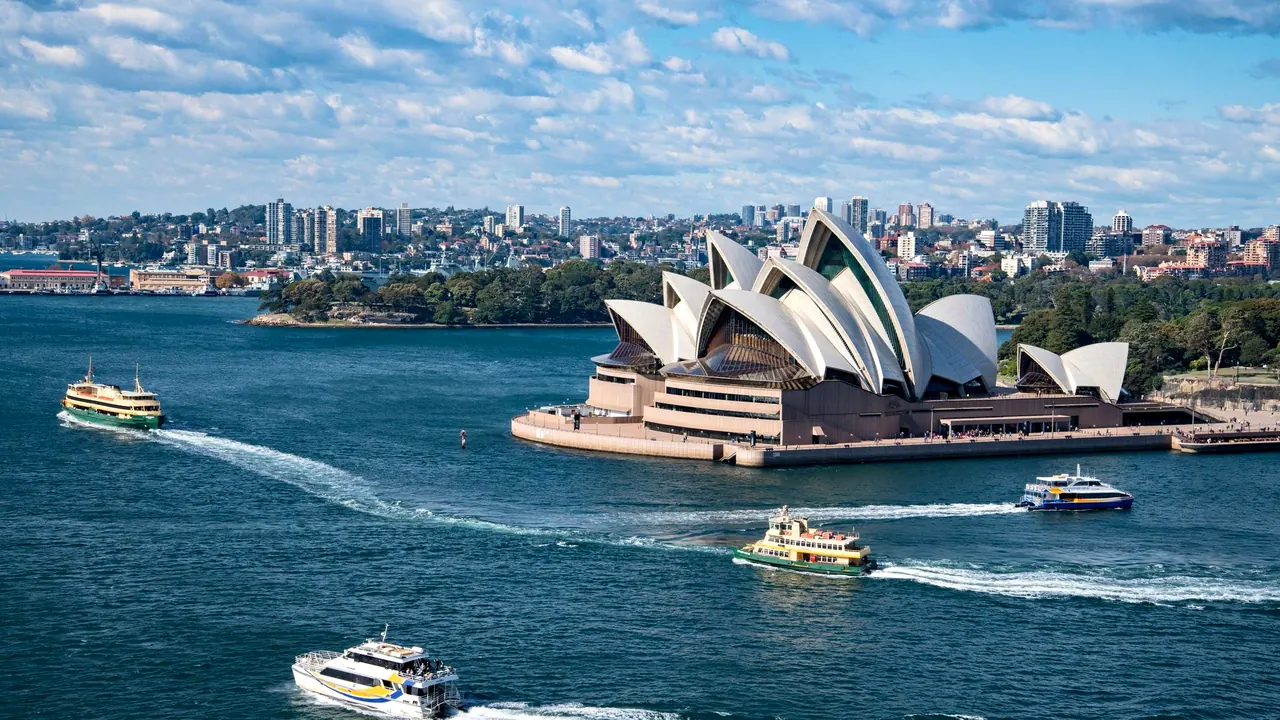
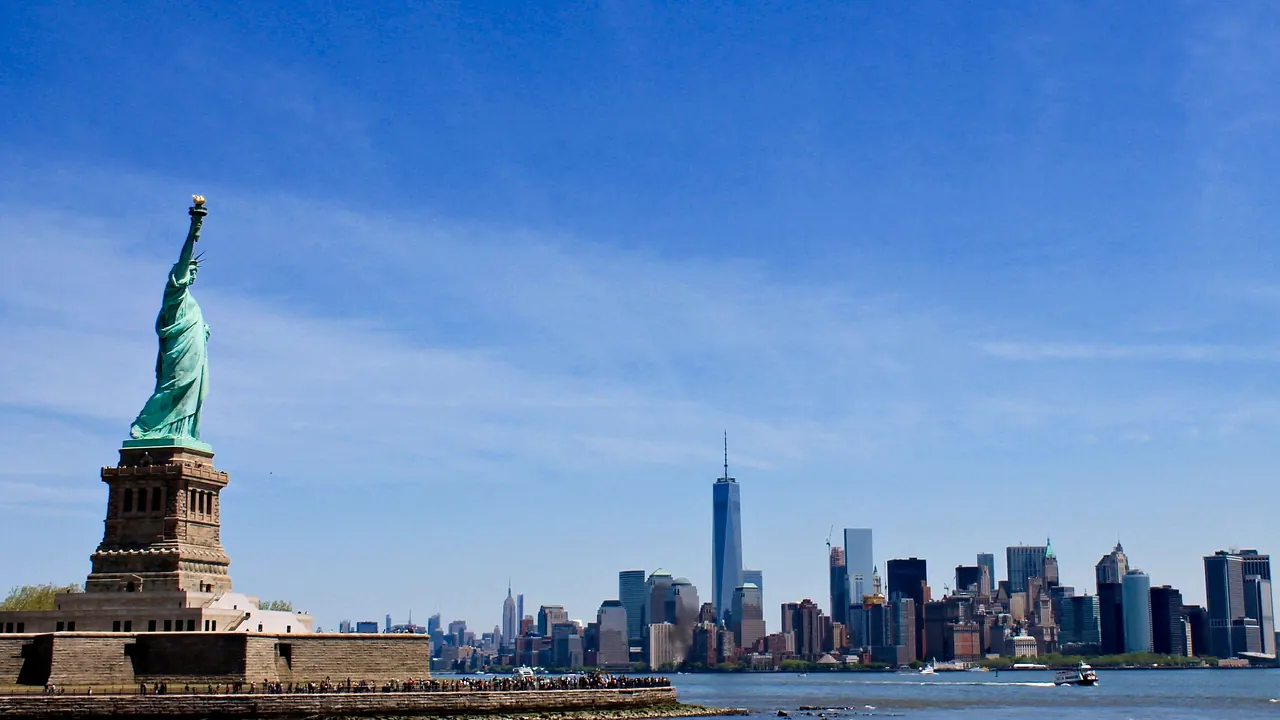
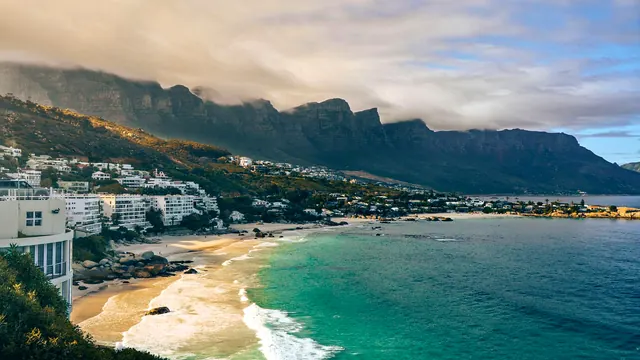
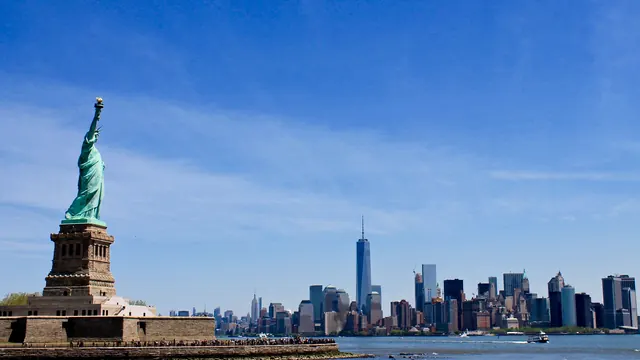
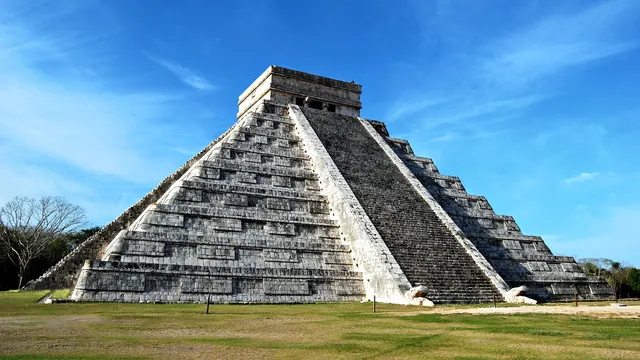
Photos: Australia by David Dibert, Pexels License; United States by Dylan.porcello, CC BY-SA 4.0, cropped.
Australia or United States?
Our verdict in twelve categories, each scored against the same fixed benchmark cities, and the climate month by month, so you can choose for your trip.
Choose Australia for
- beaches
- getting around
Pick Australia if the sea and the wild are at the centre of the trip. Its beach life sits right beside its cities, from Sydney's surf and harbour coves to the Gold Coast and Byron Bay, and the Great Barrier Reef, the Daintree and animals found nowhere else make an outdoor trip that feels unlike anywhere else. It suits travellers who want sun, swimming and snorkelling, and who are happy to base themselves in one or two regions.
Choose United States for
- shopping
- live music and the arts
- nightlife
The United States is the better choice for a trip built around cities and evenings. New York, New Orleans, Chicago and Washington offer far more museums, stages, shops and late nights, and regional cooking from Creole to Texas barbecue gives a road trip its own reason to keep going. Families aiming for Orlando or Southern California, and anyone who wants the great national parks of the West, will find more of what they came for here.
Scoreboard
Twelve categories on one fixed scale from 0 to 100. The shaded stretch is the gap between the two.
Your match
Pick a travel style or drag the sliders, and both match scores follow your weighting.
Wins on beaches and getting around with your weighting.
Wins on shopping and live music and the arts with your weighting.
What matters to you?
Category by category
What the scores mean for a trip.
Beaches & swimming
Australia has the edge for a beach trip, mostly because good sand starts right in its cities. Sydney's surf beaches and harbour coves, the run north to Byron Bay, the Gold Coast and Noosa, and lifesavers patrolling between the flags make swimming an everyday thing. Whitehaven in the Whitsundays and Perth's clear Indian Ocean shores add more, though box jellyfish and crocodiles limit the tropical north and the south is cool.
The United States answers with warmer water in Florida, the white quartz sand of the Gulf Coast around Sarasota and the Panhandle, and Hawaii's reef-sheltered bays all year. Beyond those, its beaches are mainly for summer: the Outer Banks are for June to September and the Californian Pacific stays cool.
Where in Australia: Sydney, Gold Coast and Byron Bay, Whitsunday Islands, Perth and the South West
Where in United States: Florida, Hawaii, Gulf Coast, Outer Banks
Food & drink
Australia eats well without a national cuisine. Melbourne and Sydney do it best, with brunch and flat-white café culture, strong Vietnamese, Greek and Lebanese cooking, rock oysters and Tasmanian scallops, and cellar doors in the Barossa, Margaret River and the Yarra Valley.
The United States offers more to follow. New York covers almost every cuisine, New Orleans has its own Creole cooking, California leads on Mexican and Asian food, and barbecue changes from Texas to Memphis to the Carolinas. Napa and the Willamette Valley match Australia's wine regions, though chain food rules the highways.
Where in Australia: Melbourne, Sydney, Adelaide and the Barossa, Tasmania
Where in United States: New York, New Orleans, California, Texas
Culture & sights
Australia's most moving heritage is Aboriginal: rock art in Kakadu and the Kimberley and the stories of Uluru told on guided walks. The colonial layer is thinner, with the sandstone Rocks in Sydney, the convict ruins of Port Arthur, and museums such as the National Gallery of Victoria and MONA in Hobart.
The United States has much more to see, above all in its museums: the Met and MoMA in New York, the Smithsonian along Washington's Mall, the Art Institute in Chicago. Boston's Freedom Trail, Philadelphia's Independence Hall, Charleston's streets and the cliff dwellings of Mesa Verde add history, so a sightseeing trip is fuller here.
Where in Australia: Sydney, Melbourne, Hobart and Port Arthur, Kakadu and Uluru
Where in United States: New York, Washington, Boston, Philadelphia
Nightlife
Australia's best nights are in Melbourne's laneway cocktail bars and the pubs of Fitzroy and St Kilda, then Sydney's Surry Hills and Newtown and Brisbane's Fortitude Valley. Surfers Paradise and Byron Bay throw beach-town parties for backpackers, and most other towns are quiet by evening.
The United States has several cities made for going out. New York runs all night, Las Vegas has its megaclubs and pool parties, New Orleans has Frenchmen Street, and Miami's South Beach goes on until dawn. Austin, Nashville and Chicago go deeper than any Australian city outside Melbourne.
Where in Australia: Melbourne, Sydney, Brisbane, Gold Coast
Where in United States: New York, Las Vegas, New Orleans, Miami
Nature & outdoors
Both countries are outstanding outdoors, but the landscapes differ. Australia's highlights are under water and among its animals: the Great Barrier Reef for snorkelling and diving, the Daintree rainforest beside it, kangaroos, koalas and whale sharks at Ningaloo, along with the desert of Uluru and the walks around Cradle Mountain in Tasmania.
The United States is the country of great national parks reached by long drives. The Grand Canyon, Zion and Arches, Yosemite's granite and Yellowstone's geysers and bison are better for hiking and mountain scenery, and the Rockies add ski resorts. Alaska's glaciers and bears make a further trip of their own.
Where in Australia: Great Barrier Reef and Daintree, Tasmania, Uluru and the Red Centre, Great Ocean Road
Where in United States: The Southwest and Utah, California, Yellowstone and the Rockies, Alaska
Day trips
Australia's day trips are mostly to wine country. Adelaide is the best base, with the Barossa, McLaren Vale and the German-settled village of Hahndorf close by. Melbourne adds the gold-rush towns of Ballarat and Bendigo, and Hobart has Port Arthur.
The United States has more historic places within a day's reach. From Boston, Lexington, Concord and Salem tell the colonial story, from Washington there are Mount Vernon, Alexandria and Annapolis, and New York and Philadelphia are an easy train ride apart. San Francisco adds Napa, Sonoma and the Monterey coast.
Where in Australia: Adelaide, Melbourne, Hobart, Perth
Where in United States: Boston, Washington, San Francisco, New York
Good for families
Australia is easy with children. The Gold Coast has theme parks and long patrolled beaches, Sunshine Coast wildlife parks let children feed kangaroos, and Taronga Zoo by ferry and the Phillip Island penguin parade make good outings. Free barbecues and playgrounds in the parks keep daily life simple.
The United States goes further. Walt Disney World and Universal in Orlando are a whole vacation in themselves, Southern California has Disneyland, Legoland and the San Diego Zoo, and Washington's free museums show children dinosaurs and spacecraft. Hotels everywhere expect families, though in both countries long distances are the catch.
Where in Australia: Gold Coast, Sydney, Melbourne, Sunshine Coast
Where in United States: Orlando, Southern California, Washington, New York
Getting around
In both countries, moving between regions means flying or driving. Australia's big cities are easy, with Melbourne's trams and Sydney's harbour ferries on tap-on cards, but Sydney, Cairns, Perth and Uluru are hours apart by air. A car or campervan does the rest, on quiet roads where wildlife makes driving at dusk risky.
The United States has one thing Australia lacks: the Northeast corridor, where trains link Boston, New York, Philadelphia and Washington and a car is more trouble than help. Away from it, Los Angeles, Orlando and most Southern cities are built around driving, and a hire car is essential in the national parks.
Where in Australia: Sydney, Melbourne, Brisbane
Where in United States: The Northeast corridor, New York, Chicago, San Francisco
Shopping & style
Australia's shopping is in Melbourne's Victorian arcades and the Queen Victoria Market, and Sydney's Queen Victoria Building and Paddington markets. The things worth carrying home are distinctly Australian: Aboriginal art from community-linked galleries in Alice Springs, opals, merino wool and surfwear.
The United States is a shopping destination in its own right. It has Fifth Avenue and SoHo in New York, Rodeo Drive in Los Angeles, Chicago's Magnificent Mile, outlet malls outside most cities, and Native American jewellery and pottery in Santa Fe.
Where in Australia: Melbourne, Sydney, Alice Springs
Where in United States: New York, Los Angeles, Chicago, Santa Fe
Affordability
Both are expensive, and in similar ways: city hotels, long distances and headline trips add up fast. In Australia, alcohol, reef boat trips and remote stays cost the most, while Adelaide, the Gold Coast's many apartments, campervans and the free barbecues in nearly every park help.
In the United States, the extra cost comes from sales tax and tipping, which make the bill bigger than the menu suggests. It is easier to save than in Australia's remote regions: the South and Midwest are cheaper, highway motels are reasonable, car hire and fuel are inexpensive, and one annual pass covers many national parks.
Where in Australia: Adelaide, Gold Coast, Brisbane
Where in United States: The South, The Midwest, The Southwest
Live music & performing arts
Australia's stages are mostly in two cities: the Sydney Opera House for opera and symphony, and Melbourne's grand theatres and pub bands across Fitzroy and St Kilda. Adelaide's Festival and Fringe fill the city in late summer, but there is little to attend elsewhere.
The United States is in another league. It has Broadway, the Metropolitan Opera and Carnegie Hall in New York, jazz at Preservation Hall in New Orleans, the Grand Ole Opry in Nashville, blues on Beale Street in Memphis, and Chicago's orchestra and blues clubs. This is music heard where it was born, which no Australian city can match.
Where in Australia: Melbourne, Sydney, Adelaide
Where in United States: New York, New Orleans, Nashville and Memphis, Chicago
Wellness & relaxation
Neither country has an old bathing culture, and both are about equally good for unwinding. Australia offers the mineral springs of Daylesford and Hepburn Springs, geothermal pools in the Mornington Peninsula dunes, yoga retreats around Byron Bay and Noosa, and Sydney's rock ocean pools for a daily swim.
The United States leans towards destination spas in dry, open country: Sedona's red rocks, the desert around Palm Springs, the mud baths of Calistoga, the large public hot springs pool at Glenwood Springs and the historic bathhouses of Hot Springs in Arkansas.
Where in Australia: Daylesford and Hepburn Springs, Byron Bay, Mornington Peninsula, Noosa
Where in United States: Sedona and Arizona, Palm Springs, Colorado hot springs, Napa Valley
When should you go?
Pick your month, and for a country the place in it. The climate figures are measured averages, not a forecast.
Where in Australia
Where in United States
Sydney (Australia) in July
New York (United States) in July
Daytime high, °C
Rainfall in the month, mm
Temperature and rainfall are climate normals, averaged over the years shown. Sydney (Australia): 1991-2020 normals, Sydney Airport (3.7 km from centre). New York (United States): 1991-2020 normals, LaGuardia Airport (12.9 km from centre).
The two countries have opposite seasons. Australia's summer, December to February, is the beach season in the south: Sydney's sea reaches 23°C and Perth has long, almost rainless sunny months. That same stretch is the wet season in the tropical north, when Cairns takes 548mm in February, and it is far too hot for walking at Uluru, around 38°C in January. The north and the Red Centre are at their best from May to September, when Cairns is dry and Uluru is mild. Melbourne's winter is cool and grey, so it is better from October to April.
In the United States, New York and Chicago are pleasant for walking from May to October and cold in winter, with Chicago near 0°C in January. Miami is a winter escape, dry and warm from December to April, then wet and humid through summer. Las Vegas and the desert reach 40°C in July, so spring and autumn suit them better, and Honolulu stays warm enough to swim all year. Between them, someone fleeing a northern winter has Australia's summer or Florida and Hawaii to choose from.
Which traveller are you?
On a beach and sun trip, Australia is the stronger pick. Patrolled surf beaches line Sydney, the Gold Coast and Byron Bay, the Whitsundays add white silica sand, and Perth's dry summers suit long days by the Indian Ocean.
For a culture and arts trip, choose the United States. New York's Metropolitan Museum and Broadway, Washington's free Smithsonian museums and the jazz of New Orleans give far more to fill each day and evening than Australia's handful of big galleries.
More comparisons
Each shares a side with Australia or United States.
Where else could you go?
Set Australia or United States against any other country.