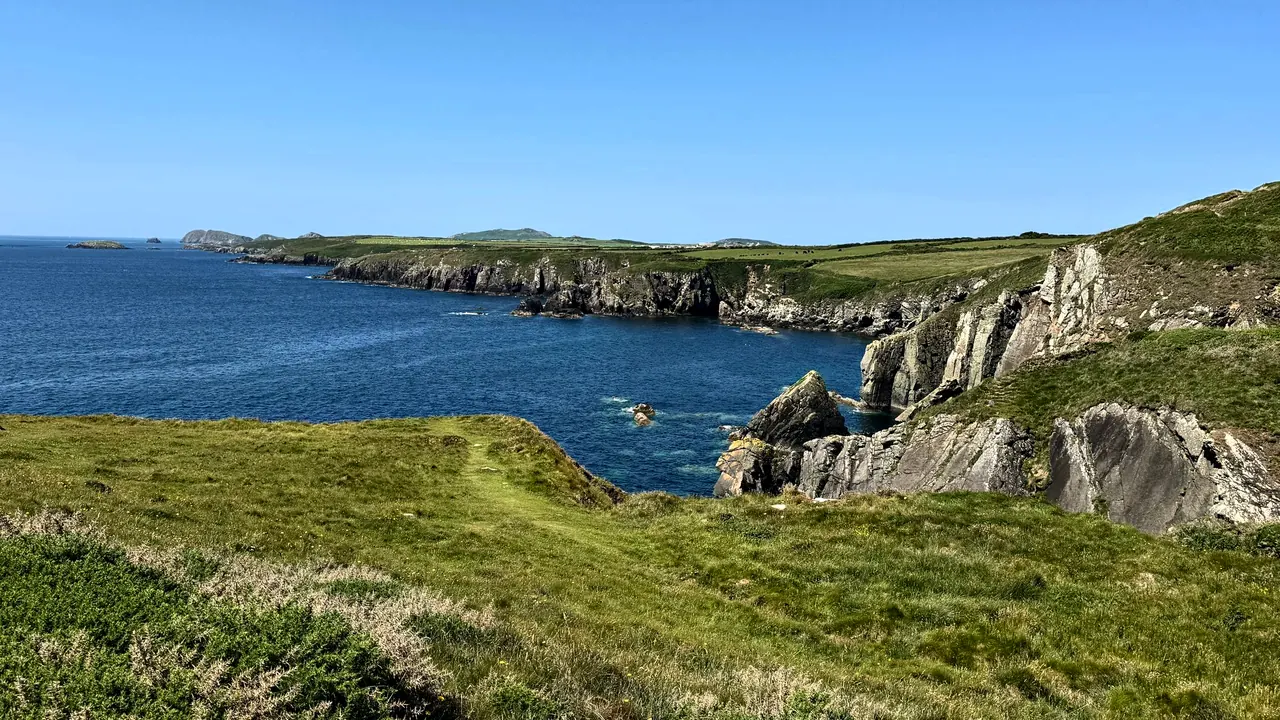
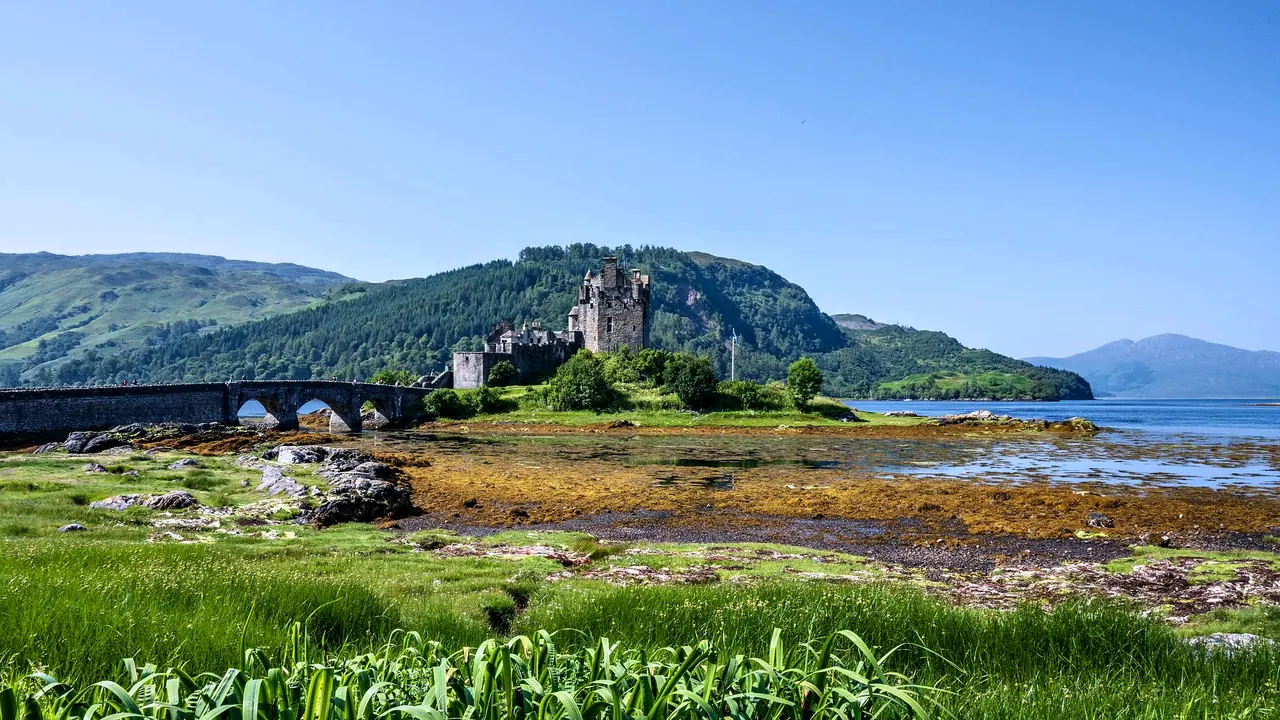
Photos: Pembrokeshire by Petra Nesti, Pexels License; Scottish Highlands by Evelin Magnus, Pexels License.
Pembrokeshire or Scottish Highlands?
Our verdict in twelve categories, each scored against the same fixed benchmark cities, and the climate month by month, so you can choose for your trip.
Choose Pembrokeshire for
- beaches
- families
- getting around
Pembrokeshire is the better choice for a seaside vacation with an easy rhythm. Its beaches are more varied and easier to reach, Tenby and Saundersfoot put sand within walking distance of where you sleep, and the county is small enough that no drive is long. Add castles, the tiny cathedral city of St Davids and a coast path you can walk a stretch at a time, and it suits families and anyone who wants plenty to do without much effort.
Choose Scottish Highlands for
- wellness
- live music and the arts
- nature and the outdoors
Choose the Scottish Highlands if the landscape itself is the point. The mountains of Glencoe, Skye, Torridon and the Cairngorms are bigger and wilder than anything in west Wales. The seafood and whisky are better, and the evenings bring fiddle sessions and real silence. In return you accept long drives on single-track roads, colder water and more of each day spent getting from one place to the next.
Scoreboard
Twelve categories on one fixed scale from 0 to 100. The shaded stretch is the gap between the two.
Your match
Pick a travel style or drag the sliders, and both match scores follow your weighting.
Wins on beaches and families with your weighting.
Wins on wellness and live music and the arts with your weighting.
What matters to you?
Category by category
What the scores mean for a trip.
Beaches & swimming
Pembrokeshire is by far the better place for beaches. Barafundle, Newgale, Whitesands and the town beaches of Tenby are easy to reach, many have lifeguards in summer, and by late summer the sea is a little warmer, still brisk but swimmable for longer.
The Highlands have sand just as beautiful at Morar, Achmelvich and remote Sandwood Bay, but the water stays colder and many bays mean a long drive or walk. They are beaches for walking and picnics rather than for days in the sea.
Food & drink
The Highlands eat better. West coast langoustines, scallops and oysters, plus venison and the quayside seafood shacks of Oban, Ullapool and Portree, give you more to go looking for, and the whisky distilleries are a reason to tour in their own right.
Pembrokeshire has fine crab, lobster, salt-marsh lamb and farm-made ice cream, but its good restaurants are confined to a few places such as Narberth and St Davids. It rewards self-caterers using farm shops more than people who want to eat out every night.
Culture & sights
Pembrokeshire has more history packed closer together. The cathedral and ruined Bishop's Palace at St Davids, Pembroke Castle and Tenby's walled old town are places to wander, not just sites to stop at, and the Pentre Ifan burial chamber reaches back further still.
The Highlands' heritage is more dramatic but more spread out: Culloden, Urquhart Castle above Loch Ness, Eilean Donan and Glencoe, with long drives in between. Much of its power is history you read into empty glens, and Inverness has no old centre to match St Davids or Tenby.
Nightlife
Neither suits a big night out, and in both most evenings end in a pub. Pembrokeshire's liveliest scene is Tenby on a summer weekend, when the harbour pubs fill with groups away for the weekend. The Highlands offer Inverness's riverside bars and the walkers' and climbers' pubs of Fort William, Aviemore and Portree, with a dram by the fire in the villages.
Nature & outdoors
Both are superb, but the Highlands are on another scale. Glencoe, Ben Nevis, the Cuillin and the Cairngorm plateau are true mountain country, with scrambling and mountain biking, eagles and red deer, and even modest skiing in winter.
Pembrokeshire's strength is the coast. It has the coast path, with its cliffs and sea stacks, puffins on Skomer, seals on Ramsey and gannets on Grassholm, plus coasteering and surf at Freshwater West. Its walking is gentler and easier to fit into a day.
Day trips
The Highlands have slightly stronger day trips. The ferries from Oban to Mull and Iona, the steam train over the Glenfinnan Viaduct and the Speyside distilleries make memorable days, though slow roads make them long ones.
Pembrokeshire's outings are shorter and smaller in scale: the boat from Tenby to Caldey's monastery, Cardigan and Aberaeron up the coast, and Dylan Thomas's Laugharne just over the border.
Good for families
Pembrokeshire is the easier family choice. Tenby and Saundersfoot have beaches in town, the county takes about an hour to cross, and the farm park, wildlife park and soft-play centres cover the wet days.
The Highlands work best for outdoor-minded families based around Aviemore, with the Highland Wildlife Park, the reindeer herd and forest trails, plus the Glenfinnan steam train. Elsewhere, long winding drives, rain and midges make the going harder with small children.
Getting around
You need a car in both, but Pembrokeshire is much easier to drive. Its lanes are narrow and beach car parks fill early, yet nothing is more than about an hour away, and branch railway lines and the seasonal coastal buses help walkers.
In the Highlands, single-track roads with passing places, camper vans and island ferries that need booking make every journey longer. The scenic railways to Mallaig and Kyle of Lochalsh miss most of the trailheads and beaches.
Shopping & style
Neither is a shopping destination, and in both the best buys are made locally. In Pembrokeshire that means Welsh blankets from the woollen mills and the independent shops of Narberth. The Highlands offer tweed, knitwear, tartan and whisky bought at the distillery, and Inverness's Victorian covered market is the main place to browse.
Affordability
Pembrokeshire is easier on the wallet, though neither is cheap in summer. Cottages charge peak rates during the school summer break, but distances are short and pub meals are moderately priced.
The Highlands cost more because rooms on Skye, around Glencoe and along the northern coastal route are scarce, and long drives add fuel and car hire. Hostels, bothies and campsites help, and in both regions spring and autumn are noticeably cheaper.
Live music & performing arts
The Highlands have more live music, and it is part of everyday life: fiddle and pipe sessions in pubs, ceilidhs where you can learn the reels, Gaelic song in the west, Highland games and folk festivals in summer, and a proper theatre in Inverness.
Pembrokeshire's highlight is the early-summer classical festival in St Davids Cathedral. Beyond that there are small theatres in Milford Haven and Fishguard, and folk sessions in pubs.
Wellness & relaxation
The Highlands are the better place to switch off completely, though neither region has a bathing culture and spas are scarce in both. Pembrokeshire's kind of rest is gentler and more domestic: short drives, a few hours on a stretch of cliff, a café in St Davids and back to the cottage before dark. For treatments, there are a few country-house and coastal hotels and some farm-based yoga stays.
In the Highlands you get real remoteness, with miles of hill and loch between your cottage and the next village. On summer evenings the light lasts until late, and an open fire and a whisky do the work a spa programme would do elsewhere. Anyone who likes a cold plunge can use the lochs as well as the sea. For pampering, there are a handful of lodges and country-house hotels on Speyside and Skye.
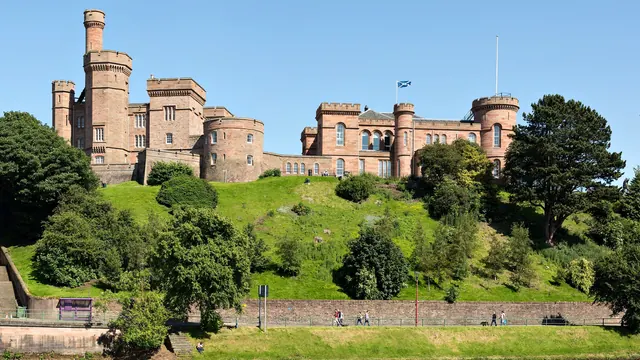
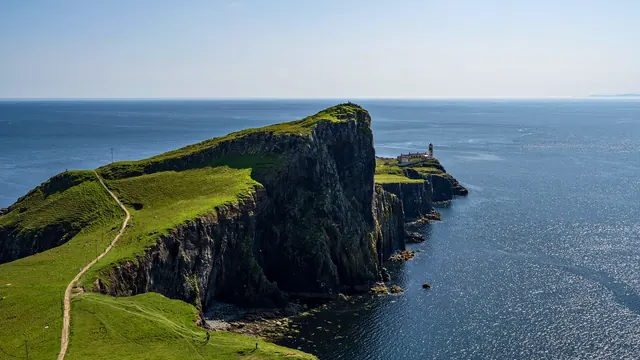
When should you go?
Pick your month. The climate figures are measured averages, not a forecast.
Pembrokeshire in July
Scottish Highlands in July
Daytime high, °C
Rainfall in the month, mm
Where the figures come from
Pembrokeshire's temperatures are measured 46 km from the centre, at Aberporth.
Pembrokeshire has no rain gauge within 25 km of the centre, so its rainfall comes from a gridded climate dataset read at the destination rather than from a gauge further away.
Scottish Highlands has no rain gauge within 25 km of the centre, so its rainfall comes from a gridded climate dataset read at the destination rather than from a gauge further away.
Scottish Highlands's sunshine is measured 44 km from the centre, at Kinloss.
Temperature and rainfall are climate normals, averaged over the years shown. Pembrokeshire: 1991-2020 normals, Aberporth (46.2 km from centre). Scottish Highlands: 2005-2020 (sunshine 1991-2020, rainfall 1991-2020) normals, Inverness / Dalcross (12.1 km from centre).
Both are cool, changeable places where summer is mild rather than hot, and neither is ever too hot for walking. Around Pembrokeshire's main coastal bases, July and August reach about 18°C and the sea peaks near 17°C in August, so beach days run from late June to mid September. May is the sunniest month there. The wet season sets in from October, with November the wettest month, and winter is mild but grey.
The Highlands follow a similar curve but are a little harsher. Highs peak at about 19°C in July, but the sea stays near 14°C at best, so even in summer swimming means a quick dip. April and May are the driest and sunniest months for the hills, and from October to January the rain returns and the days are short and dim. For walking in either region, May and June are the most reliable choice.
Which traveller are you?
On a beach and sun trip, choose Pembrokeshire and aim for August or early September, when its sea is warmest. You can spend a whole day on one stretch of sand. In the Highlands, the beaches reward a walk more than a swim.
On a family trip with young children, Pembrokeshire asks less of the parents. Settle in one seaside town and most days plan themselves: crabbing, rock pools, a boat out to see seals. The Highlands suit older children who enjoy hiking and can cope with long hours in the car.
For a relaxing and wellness trip, the Highlands give you more room to switch off. Book one remote base for the whole week, walk from the door and let the empty country slow you down. Pembrokeshire is restful too, but busier along its summer coast.
Before you go
| Measure | Pembrokeshire | Scottish Highlands |
|---|---|---|
| Official language | English | English |
| Currency | Pound Sterling (GBP) | Pound Sterling (GBP) |
| Sockets | G230 V, 50 Hz | G230 V, 50 Hz |
| Driving side | Left | Left |
| Time zone | UTC, UTC+1 in summer | UTC, UTC+1 in summer |
| Emergency number | 112 or 999 | 112 or 999 |
| Main airport | Cardiff International Airport (CWL)32 non-stop destinations | Inverness Airport (INV)15 non-stop destinations |
| Public holidays this year | 8 days | 10 days |
By the numbers
| Measure | Pembrokeshire | Scottish Highlands |
|---|---|---|
| Population | 125,818 | - |
| People per km² | 78 | - |
| Swim season, months above 21 °C | None | None |
Where else could you go?
Every comparison below shares a destination with this one, so you can follow Pembrokeshire or Scottish Highlands somewhere new.
- Cornwallvs Pembrokeshire
- Snowdoniavs Pembrokeshire
- Devonvs Pembrokeshire
- Orkneyvs Scottish Highlands
- Jurassic Coastvs Pembrokeshire
- Cotswoldsvs Pembrokeshire