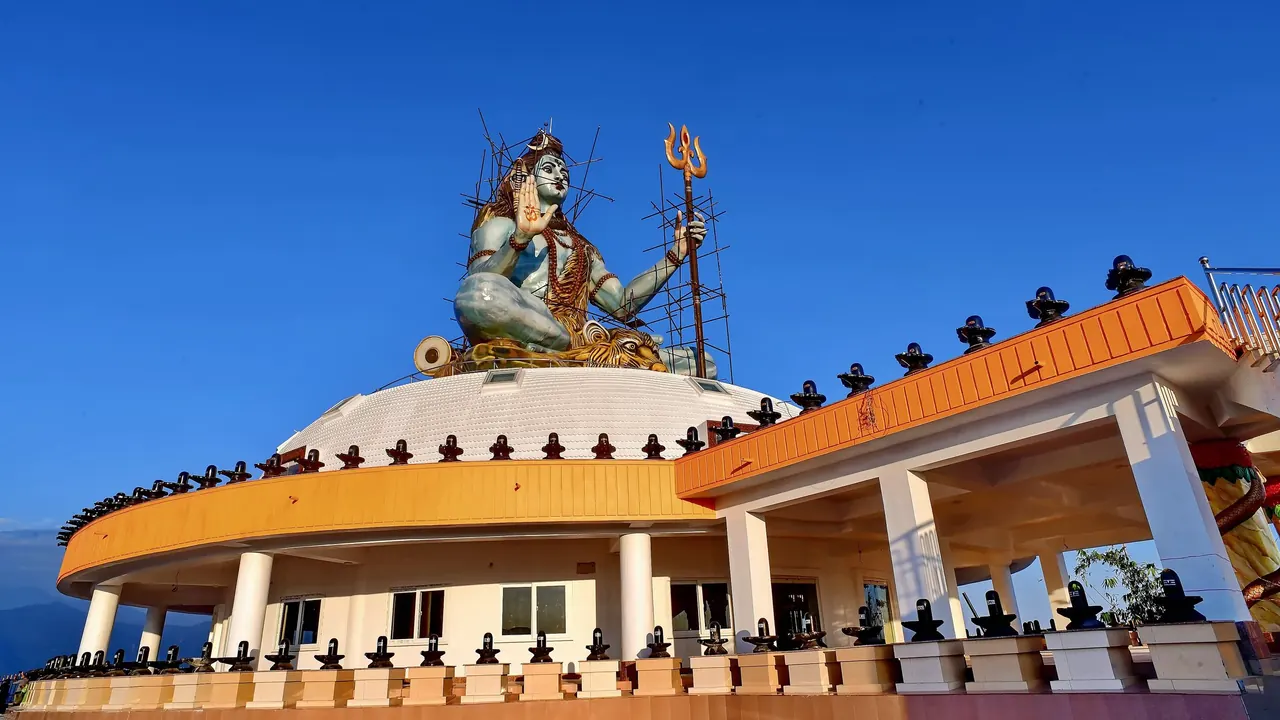
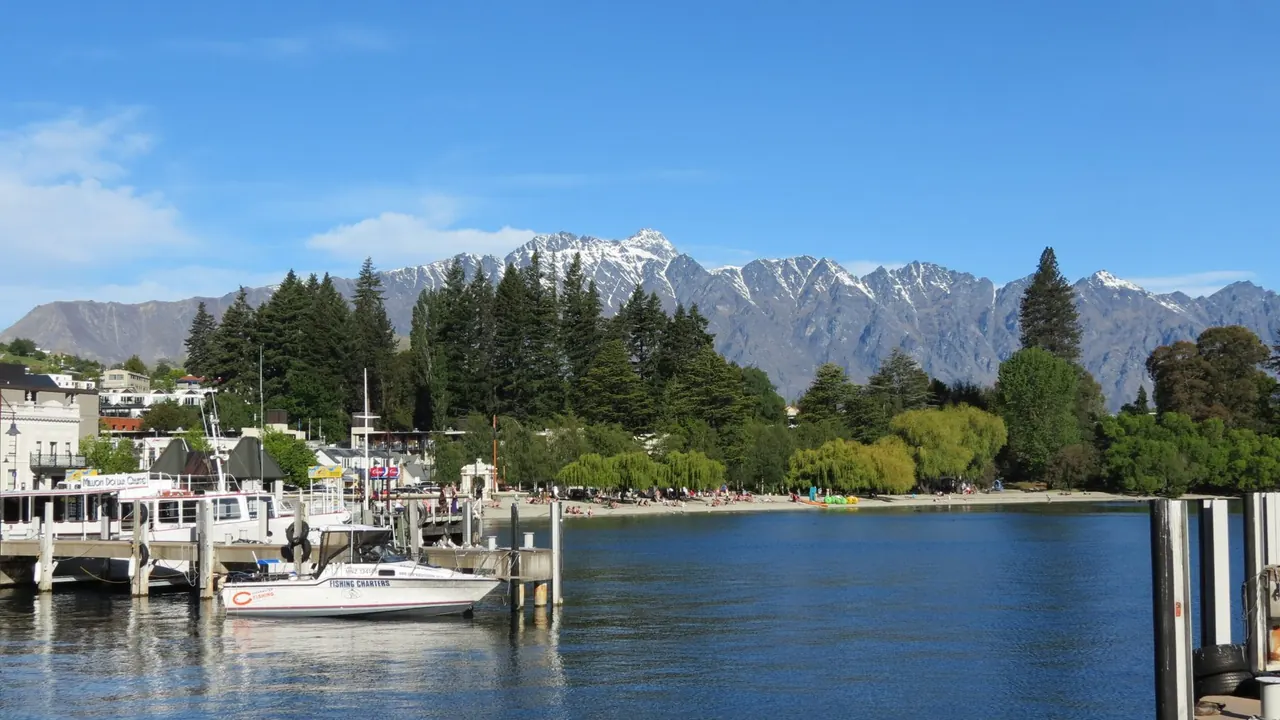
Photos: Pokhara by Rajesh Dhungana, CC BY-SA 4.0, cropped; Queenstown by Robert Linsdell, CC BY 2.0, cropped.
Pokhara or Queenstown?
Our verdict in twelve categories, each scored against the same fixed benchmark cities, and the climate month by month, so you can choose for your trip.
Choose Pokhara for
- prices
- wellness
- culture and sights
Pokhara is for the traveller who wants the Himalaya without spending much. The Annapurna trailheads are close, sunrise from Sarangkot is a short drive away, and Lakeside is slow and cheap enough to stay for weeks. It also has a little more to see in town, and its yoga retreats and massage suit anyone recovering from a trek or simply slowing down.
Choose Queenstown for
- day trips
- families
- beaches
Queenstown makes more sense for an adrenaline trip, or for a family that wants things laid on. Bungy, jet boats, gondola rides and ski fields are all close by. Arrowtown, Wanaka and the Gibbston wineries make easy days out, and the evenings are livelier. All of it comes at resort prices, so it rewards a generous budget.
Scoreboard
Twelve categories on one fixed scale from 0 to 100. The shaded stretch is the gap between the two.
Your match
Pick a travel style or drag the sliders, and both match scores follow your weighting.
Too close to call, 1 point apart
Wins on prices and wellness with your weighting.
Wins on day trips and families with your weighting.
What matters to you?
Category by category
What the scores mean for a trip.
Beaches & swimming
Pokhara's Phewa Lake is for boating, not bathing. The water near Lakeside is uninviting, so a hotel pool is the realistic option, with Begnas Lake for an occasional dip.
Queenstown is no beach resort either, but it at least has a summer swimming habit. The shingle beach on Queenstown Bay and the Frankton shore fill on warm days, and locals jump off the town jetty. Lake Hayes and Moke Lake warm up enough in midsummer for a gentler swim, while Wakatipu itself stays bracingly cold.
Food & drink
Pokhara's best eating is Nepali and simple: Thakali dal bhat, momos, and buffalo sekuwa off the charcoal grill in plainer places away from the lake. The trekker menus of Lakeside fill in the rest, along with good coffee grown in Nepal's hills.
Queenstown has more range and polish, from South Island lamb, venison and seafood to ramen counters and bakeries. Its real advantage is Central Otago pinot noir at the Gibbston Valley cellar doors, where a long lunch among the vines is easy to arrange. Pokhara has nothing like it, though in Queenstown you should expect queues and resort prices.
Culture & sights
Neither town is a museum trip, but Pokhara gives you more to fill a morning or two. The island temple of Tal Barahi, the World Peace Pagoda on the ridge and Bindhyabasini above the old Newar bazaar are all worth seeing. The International Mountain Museum and the Gurkha Museum explain the region's climbers and soldiers.
Queenstown's sights come down to the 1912 TSS Earnslaw steamship, a few gold-rush stone buildings and the view from the gondola. Its history is told better twenty minutes away in Arrowtown.
Nightlife
Both towns drink with people coming down off the mountains, but Pokhara's evenings stay modest. Lakeside's rooftop bars, cover bands and long happy hours are sociable, and most places close around midnight.
Queenstown goes out much harder for its size. Pubs, cocktail bars and DJ bars are packed into a few central blocks. In winter the après-ski crowd keeps Saturdays loud well past midnight, and in summer people linger late on the lakefront terraces. Neither has a real club scene.
Nature & outdoors
These are two of the world's great mountain bases, and they differ in kind. Pokhara is about sheer scale and long walks. The Annapurna peaks rise above 7,000m over Phewa Lake, Sarangkot offers sunrise and famous paragliding thermals, and treks to Poon Hill or Annapurna Base Camp start an hour or two away.
Queenstown is about variety and adrenaline close at hand. You can climb Ben Lomond from town, reach the Routeburn Track via Glenorchy, cycle the gorge trails, ride jet boats on the Shotover and jump from the Kawarau Bridge, where commercial bungy began. In winter several ski fields are within reach, which Pokhara cannot offer.
Day trips
Pokhara's slow mountain roads leave few easy outings. Bandipur, the car-free Newar hill town about two hours away, is the one that works. Gorkha and Tansen make better overnight stops on the way to Kathmandu or Lumbini.
Queenstown has a much fuller list close by. Arrowtown, with its miners' cottages and restored Chinese settlement, is twenty minutes off, and Wanaka is over the Crown Range. Gibbston, Cromwell and Bannockburn make easy wine days, and Milford Sound is there for anyone willing to spend a very long day on the road.
Good for families
Pokhara is gentle with children rather than geared to them. Traffic along the shore is light, boats are easy to hire and the welcome is warm. Older children can enjoy the caves, Davis Falls and tandem paragliding if they meet the limits, but there are no play facilities and the roads out of town are rough.
Queenstown is safe, compact and far better organised for families. It has the gondola and luge, native birds at the wildlife park, lakeside playgrounds and winter ski schools. Its famous jumps and swings have age and weight limits, though, and long drives to the bigger sights test young patience.
Getting around
Both towns have a small centre you can walk, and both need wheels beyond it. In Pokhara, Lakeside is flat and pleasant on foot or by bicycle. Beyond it you depend on taxis, scooters and hired drivers on rough roads, since the local buses are crowded and hard to work out.
Queenstown's links outward work better. Buses run to Frankton, the airport and Arrowtown, a water taxi crosses the lake and ski shuttles serve the mountains. For the wineries, Glenorchy and the trailheads a hire car is still the real answer, and winter driving calls for care.
Shopping & style
Neither town is worth a shopping trip, and both sell mainly to people heading outdoors. Pokhara offers cheap copy trekking gear to buy or rent, along with pashminas, singing bowls, thangkas, and carpets from the workshops in the Tibetan settlements. Queenstown's Mall leans towards proper specialist ski and bike shops, merino and possum-wool knitwear, greenstone and local landscape painting.
Affordability
This is the widest gap between the two. In Pokhara a guesthouse room with a mountain view, a dal bhat lunch and a taxi all cost little. The real spending goes on paragliding, guided treks and Annapurna permits.
Queenstown is expensive across the board. Rooms and meals carry resort prices, and the activities that are the reason to come add up quickly. Hostels, self-catering and the free trails soften the cost but do not change the picture.
Live music & performing arts
Neither has a theatre season, orchestra or opera, and live music in both means cover bands in bars. The extras differ. Pokhara has Gurung and Magar dance shows over dinner, staged for visitors. Queenstown has an events centre with occasional touring comedians and bands, plus concerts and street performers during its winter festival.
Wellness & relaxation
Pokhara is the more restorative stay, because slowness is part of Lakeside life. Mornings are for watching cloud lift off the Annapurnas, retreats range from drop-in classes to residential courses, and Nepali and Ayurvedic massage is on every street. The spas are basic, though, and the hot springs at Jhinu Danda are far up the trail.
In Queenstown you have to go looking for calm. It comes in cedar hot tubs above the Shotover, in lodge spas towards Arrowtown and in quiet Glenorchy, all away from a centre built around adrenaline.
When should you go?
Pick your month. The climate figures are measured averages, not a forecast.
Pokhara in July
Queenstown in July
Daytime high, °C
Rainfall in the month, mm
Where the figures come from
Pokhara has no weather station within reach, so its figures come from a gridded climate model rather than a measured record, and read a broad area rather than the city itself.
Queenstown has no weather station within reach, so its figures come from a gridded climate model rather than a measured record, and read a broad area rather than the city itself.
Temperature and rainfall are climate normals, averaged over the years shown. Pokhara: 1991-2020 normals, TerraClimate 4 km grid at the town, no weather station within 90 km. Queenstown: 1991-2020 normals, TerraClimate 4 km grid at the town, no weather station within 90 km.
Pokhara is a dry-season destination. From October to March the rain is light, and November and December are almost completely dry. Winter days sit around 20°C, comfortable for walking the old bazaar and the lake shore, and the heat builds through spring. April is when the showers start, and they grow heavy through May. The monsoon peaks in July at 674mm, when cloud often hides the peaks for days, and highs around 31°C make walking in town sticky. October and November are the clear, comfortable sweet spot.
Queenstown has no real dry season. Rain falls all through the year and is heaviest in early spring, about 200mm in September. Summer, from December to February, has highs much like Pokhara's winter, and it is the only time the smaller lakes are pleasant for a dip. Winter highs fall to around 6°C, cold for strolling but right for skiers. Pokhara's best months, roughly October to March, line up with Queenstown's spring and summer, so the two pair naturally on the same calendar.
Which traveller are you?
On a trip on a tight budget, Pokhara wins by a distance. Lakeside guesthouses with mountain views, dal bhat with refills, cheap taxis and boat hire make money last for weeks. In Queenstown, rooms, meals and lift passes use it up fast, even with hostels and self-catering.
On a family trip with young children, Queenstown is the easier choice. The luge above the gondola, kiwi at the wildlife park, the steamship cruise, the indoor pools and the ski schools all suit youngsters. Pokhara offers rowing boats and caves but little built for children.
For a relaxing and wellness trip, Pokhara is the calmer base. Yoga and meditation retreats line its quiet hillsides, Ayurvedic massage is easy to find and Lakeside moves slowly. Queenstown's centre is geared to adrenaline, and its calm lies in hot tubs and lodge spas outside town.
Before you go
| Measure | Pokhara | Queenstown |
|---|---|---|
| Official language | Nepali | English, New Zealand Sign Language, Māori |
| Currency | Nepalese Rupee (NPR) | New Zealand Dollar (NZD) |
| Sockets | CM230 V, 50 Hz | I230 V, 50 Hz |
| Driving side | Left | Left |
| Time zone | UTC+5:45 | UTC+12, UTC+13 in summer |
| Emergency number | Police 100, ambulance 102, fire 101 | 111 |
| Elevation | 900 m | 324 m |
| Main airport | Pokhara International Airport (PHH)4 km from centre9 non-stop destinations | Queenstown Airport (ZQN)7 km from centre7 non-stop destinations |
| Public holidays this year | - | 12 days |
By the numbers
| Measure | Pokhara | Queenstown |
|---|---|---|
| City population | 353,841 | 29,000 |
| People per km² | 762 | - |
| Museums within 10 km | 2 | 0 |
| UNESCO World Heritage sites within 50 km | 0 | 0 |
Where else could you go?
Every comparison below shares a destination with this one, so you can follow Pokhara or Queenstown somewhere new.
- Kathmanduvs Pokhara
- Varanasivs Pokhara
- Christchurchvs Queenstown
- Wellingtonvs Queenstown
- Rotoruavs Queenstown
- Aucklandvs Queenstown