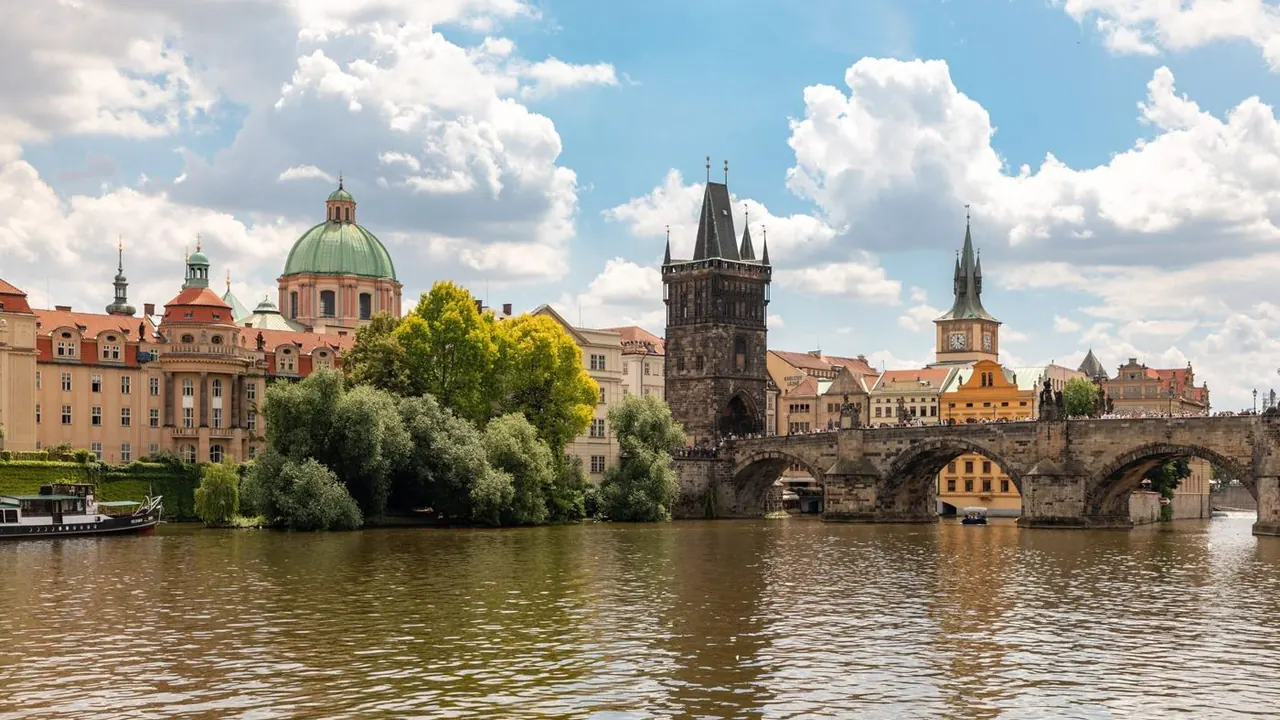
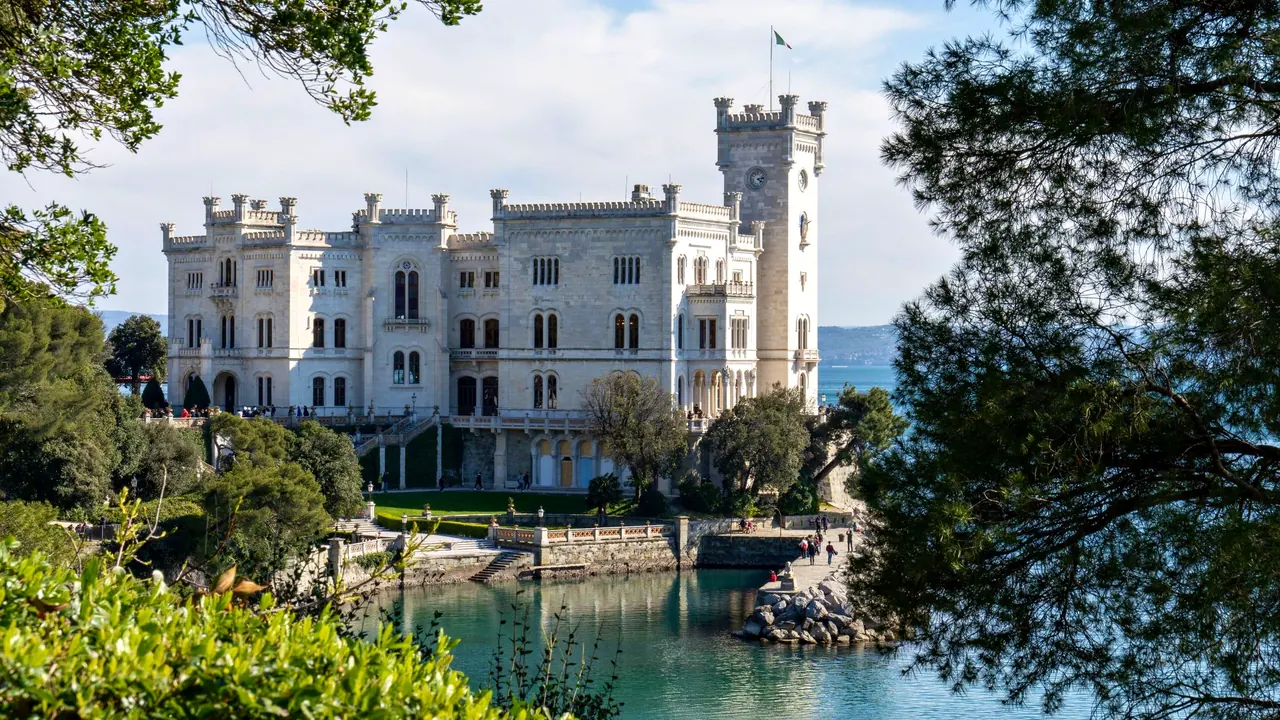
Photos: Prague by Dietmar Rabich, CC BY-SA 4.0, cropped; Trieste by Tibor Szabo, Pexels License.
Prague or Trieste?
Our verdict in twelve categories, each scored against the same fixed benchmark cities, and the climate month by month, so you can choose for your trip.
Choose Prague for
- nightlife
- live music and the arts
- culture and sights
Prague is the choice for a first or classic European city break. Its castle, bridge and medieval lanes form one of the most complete historic centres on the continent, the opera houses and concert halls give it real evenings out, and the pubs keep going long after Trieste has gone quiet. Trams and a walkable core make a short stay easy, and the beer, transport and neighbourhood pubs stretch a budget a little further.
Choose Trieste for
- beaches
- food and drink
- nature and the outdoors
Trieste suits the traveller who wants the sea and a slower pace. In summer you can swim off the Barcola promenade or a pebble cove each day, walk the Karst edge high above the gulf, and eat at buffets and old coffee houses that belong to no other Italian city. It has fewer major sights and almost no nightlife, but it pays back those who want swimming, coastal walks and day trips into Slovenia and Friuli.
Scoreboard
Twelve categories on one fixed scale from 0 to 100. The shaded stretch is the gap between the two.
Your match
Pick a travel style or drag the sliders, and both match scores follow your weighting.
Too close to call, 2 points apart
Wins on nightlife and live music and the arts with your weighting.
Wins on beaches and food and drink with your weighting.
What matters to you?
Category by category
What the scores mean for a trip.
Beaches & swimming
Prague has no sea at all. Swimming there means the Dzban reservoir in Divoka Sarka, an outdoor pool, or a day trip to the wooded shores of Slapy, which is fine on a hot afternoon but not a reason to go.
Trieste offers proper sea swimming, if not sand. Locals climb down ladders off the concrete platforms at Barcola, the coves below Duino and the bay at Grignano are prettier, and from June to September the water is warm and clear. If your children need soft, shallow beaches it will let you down, but anyone happy to swim off rocks can be in the Adriatic every day.
Food & drink
Both cities lean hearty and Central European, but Trieste eats with more range. Prague's table is built around its superb lager: roast pork and dumplings, svickova, chlebicky, best found in Vinohrady or Karlin, away from the tourist menus around Old Town Square.
Trieste shares the boiled pork and sauerkraut, served from steaming pots at its buffets, but adds Adriatic sardoni, jota and Habsburg pastries. It also has a coffee culture with its own vocabulary and the farmhouse osmize on the Karst, which pour Vitovska and Terrano. Neither is a fine-dining city. Beer drinkers will prefer Prague, and anyone curious about a cuisine they won't meet anywhere else will prefer Trieste.
Culture & sights
Prague is in a different league for sightseeing. The whole centre is a UNESCO site, and the Castle with St Vitus Cathedral, Baroque Mala Strana, the statue-lined Charles Bridge, the astronomical clock and the synagogues of Josefov fill three or four busy days. The architecture runs on into Art Nouveau and rare Cubist buildings.
Trieste's appeal is quieter and more about atmosphere. Piazza Unità opening onto the sea, the Canal Grande with San Spiridione, the cathedral mosaics on San Giusto and Miramare Castle make for a rewarding couple of days. Its Joyce and Svevo connections are felt more than seen.
Nightlife
Prague is far livelier after dark. Its pubs stay full late, Zizkov's cheap local bars and Vinohrady's cocktail lounges give it range, and there are clubs of two kinds: the big dawn-closing venues near Wenceslas Square and the techno spaces in Holesovice.
Trieste's evening is the aperitivo, a spritz or local white wine by the Canal Grande or in Cavana, then a summer drink on the Barcola seafront. There are few clubs and winter weeknights end early, so it suits a long dinner rather than a night out.
Nature & outdoors
Trieste lives right up against wild landscape. The Karst plateau climbs straight behind the city, with cliff-top walks on the Strada Napoleonica and the Rilke Path, the Val Rosandra gorge for hiking and climbing, and the Grotta Gigante cave. The gulf adds sailing and snorkelling in the Miramare marine reserve, and the Julian Alps are within reach.
Prague's outdoors is greener but gentler. Petrin Hill, Stromovka and the Divoka Sarka gorge are good in-town escapes, and the sandstone towers of Bohemian Switzerland make excellent hiking about two hours away. There are no mountains and no sea, though.
Day trips
Both make excellent bases, so the choice depends on what you want to see. From Prague the outings are Bohemian castles and old towns: Kutna Hora's ossuary and cathedral, Karlstejn, Terezin's sobering memorial, and Dresden along the Elbe.
From Trieste the range crosses three countries: Roman Aquileia, star-shaped Palmanova and Collio wine country in Friuli, Piran and Ljubljana in Slovenia, Istria by car, and Venice by train.
Good for families
Neither city is built around children, and the two are about level, but they suit different ages. Prague has the storybook castle, the astronomical clock and one of Europe's best zoos at Troja, though cobbles, castle stairs and summer crowds wear out families with pushchairs.
Trieste is calmer and offers caves, boats and the Miramare gardens, plus a small aquarium and summer days at Barcola. Its rocky swimming and stepped streets suit older children better than toddlers.
Getting around
Prague is the easier city to get around. The compact centre is quick to walk, and three metro lines plus a tram network that runs all night reach almost everywhere on one ticket. The only real drawbacks are the cobbles and pickpockets on the crowded tram lines.
Trieste's flat waterfront core is just as pleasant on foot, but the climb to San Giusto is a stiff one up long flights of steps. Beyond the centre you rely on buses and on boats to Muggia, and a car helps for the Karst villages and trips over the border.
Shopping & style
Prague gives a shopper more to work with: luxury labels on Parizska, chains on Na Prikope, and distinctive Czech buys in Bohemian crystal, garnets and marionettes. You have to look past the souvenir clutter, and the small design shops of Vinohrady and Holesovice are worth the trip.
In Trieste shopping is an afterthought. Corso Italia has ordinary Italian clothing shops and the old town has antique dealers, but the best things to take home are coffee, Karst wine and presnitz.
Affordability
Prague stretches a budget a little further. Beer, pub lunches and transport stay cheap, and staying a few tram stops out in Zizkov or Karlin keeps costs well down, provided you avoid the exchange booths and the restaurants with river views.
Trieste is fair rather than cheap. Buffet plates, bar coffee and buses cost little, and the swimming and Karst walks are free, but seafood and good hotels charge normal Italian city prices, and rooms get tighter around the regatta.
Live music & performing arts
Prague is one of Europe's great music cities. You can choose between three opera stages, including the Estates Theatre where Don Giovanni premiered, the Czech Philharmonic at the Rudolfinum, and black-light and marionette theatre that needs no Czech. On top of that come countless church concerts and a modest jazz scene.
Trieste has a serious house in the waterfront Teatro Verdi and an unusual Habsburg taste for operetta, and in summer there are concerts in the San Giusto castle courtyard. Beyond that the circuit is thin, and you won't find a performance every night.
Wellness & relaxation
Neither city has a bathing tradition. Both offer hotel spas, and Prague adds its novelty beer spas. The real thermal towns lie beyond either city.
What differs is where you find rest. In Prague it means getting away from the crowds, in the castle gardens, on Kampa or at Vysehrad. Trieste's whole pace is slow, with long mornings in the coffee houses and a sunset stroll on the Molo Audace, so calm comes more easily there.
When should you go?
Pick your month. The climate figures are measured averages, not a forecast.
Prague in July
Trieste in July
Daytime high, °C
Rainfall in the month, mm
Temperature and rainfall are climate normals, averaged over the years shown. Prague: 1991-2020 normals, Praha-Libus (8.1 km from centre). Trieste: 1991-2020 normals, Trieste (1.6 km from centre).
Prague has a short warm season and a long cold one. Daytime highs reach about 25°C in July and August, pleasant for walking but never beach weather, and summer is also the wettest time, with thunderstorm rain peaking around 80mm in June. Winters are grey and cold, with highs of just 2°C in January and little sun, so May, June and September are the most comfortable months for sightseeing.
Trieste is milder at both ends of the year. Winter highs stay near 10°C, though the Bora can make them feel colder, and summer is hotter and much sunnier, with highs around 29°C in July and August. The sea is warm enough for swimming from June to September, about 25°C at its peak. Autumn is where the two cities differ most. From September to November Trieste turns markedly wet while Prague dries out, so Trieste is best in late May to early September and Prague in late spring and early autumn.
Which traveller are you?
On a beach and sun trip, Trieste wins outright. Prague is landlocked, with only reservoirs and pools, while Trieste has a warm, clear Adriatic for swimming off the Barcola platforms, coves at Sistiana and Duino, and Piran's shore under an hour away.
For a culture and arts trip, Prague is the stronger city. Its UNESCO-listed centre runs from the Castle and Charles Bridge to Josefov and Cubist façades, and three opera stages, the Rudolfinum and Smetana Hall give you a performance on most nights.
On an outdoors trip, Trieste puts more within easy reach. The Karst rises right behind the city, with the Strada Napoleonica, the Rilke Path, Val Rosandra and huge caves, plus sailing and snorkelling on the gulf. Prague's countryside is gentler and further away.
Before you go
| Measure | Prague | Trieste |
|---|---|---|
| Official language | Czech | Italian |
| Currency | Czech Koruna (CZK) | Euro (EUR) |
| Sockets | CE230 V, 50 Hz | CFL230 V, 50 Hz |
| Driving side | Right | Right |
| Time zone | UTC+1, UTC+2 in summer | UTC+1, UTC+2 in summer |
| Emergency number | 112 | 112 |
| Elevation | 235 m | 2 m |
| Main airport | Václav Havel Airport Prague (PRG)12 km from centre178 non-stop destinations | Trieste Airport (TRS)31 km from centre32 non-stop destinations |
| Public holidays this year | 13 days | 13 days |
By the numbers
| Measure | Prague | Trieste |
|---|---|---|
| City population | 1,397,880 | 198,417 |
| People per km² | 2,817 | 2,332 |
| Museums within 10 km | 88 | 33 |
| UNESCO World Heritage sites within 50 km | 1 | 5 |
| Swim season, months above 21 °C | - | 4 months |
Where else could you go?
Every comparison below shares a destination with this one, so you can follow Prague or Trieste somewhere new.
- Rovinjvs Trieste
- Ljubljanavs Trieste
- Bledvs Trieste
- Venicevs Trieste
- Dresdenvs Prague
- Cortina d'Ampezzovs Trieste