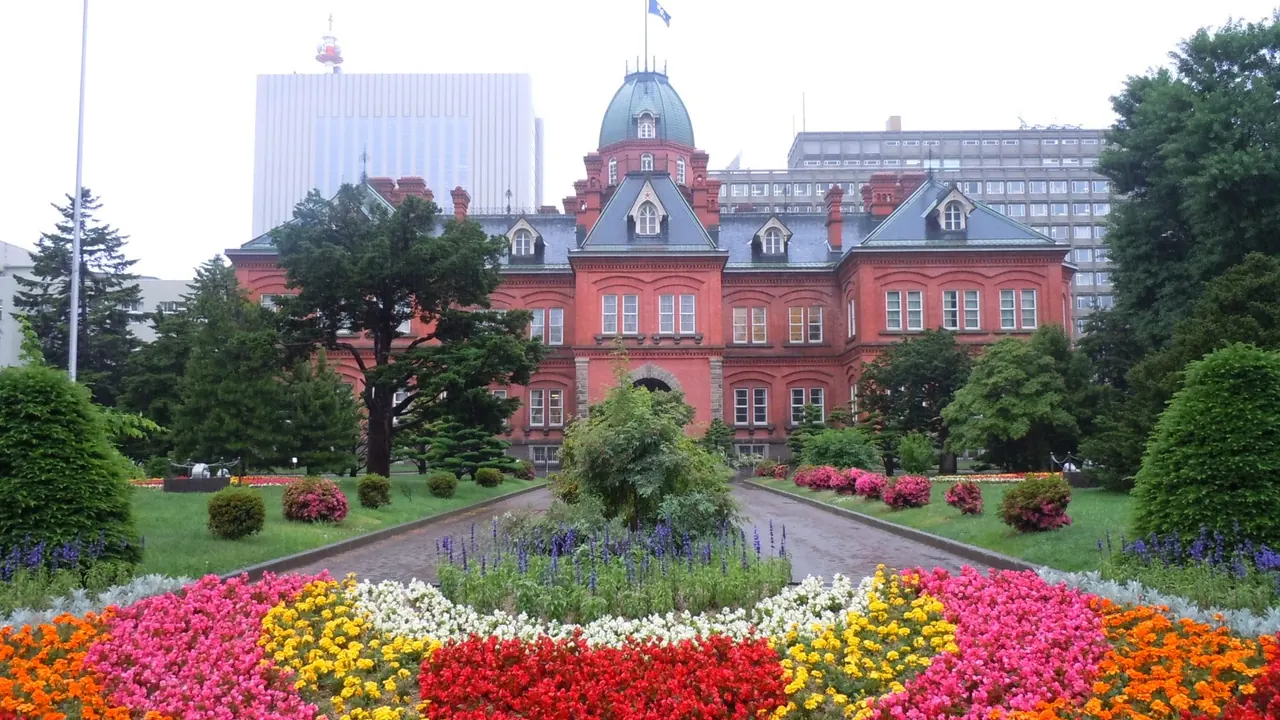
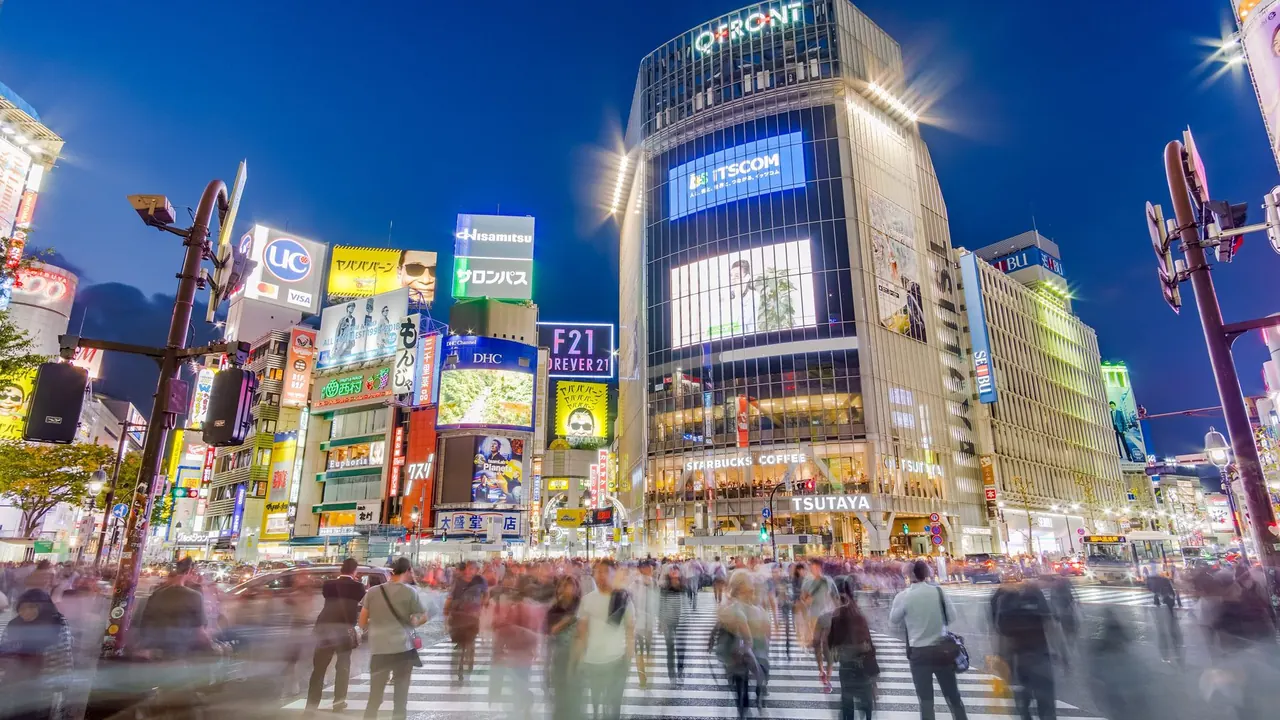
Photos: Sapporo by Feri88, CC BY 3.0, cropped; Tokyo by Benh LIEU SONG, CC BY-SA 2.0, cropped.
Sapporo or Tokyo?
Our verdict in twelve categories, each scored against the same fixed benchmark cities, and the climate month by month, so you can choose for your trip.
Choose Sapporo for
- nature and the outdoors
- prices
- wellness
Sapporo suits travellers who want Japan with snow, space and a slower pace. It is the better pick for a ski or winter trip, with slopes inside the city and Niseko's powder within reach, and for summer walking around caldera lakes and volcanoes. Add regional cooking built on Hokkaido crab, miso ramen and lamb, and hotels that cost less than in the capital, and it works best as a base for the outdoors rather than for sightseeing.
Choose Tokyo for
- culture and sights
- live music and the arts
- shopping
Anyone after the full depth of a great city should choose Tokyo. It wins clearly on museums, shopping, stage life and eating, and its rail network makes easy day trips to Kamakura, Nikko and Hakone. Families, first-time visitors to Japan and anyone who likes to fill every evening will find far more to do, though they will pay more for their room and should avoid the height of summer.
Scoreboard
Twelve categories on one fixed scale from 0 to 100. The shaded stretch is the gap between the two.
Your match
Pick a travel style or drag the sliders, and both match scores follow your weighting.
Wins on nature and the outdoors and prices with your weighting.
Wins on culture and sights and live music and the arts with your weighting.
What matters to you?
Category by category
What the scores mean for a trip.
Beaches & swimming
Neither city is a place for a beach vacation, but Tokyo has slightly better swimming. The Shonan coast at Kamakura, Zushi and Enoshima is an hour away by train, with long stretches of dark volcanic sand and Sagami Bay warm enough for a pleasant swim through July and August, although weekends are crowded.
From Sapporo, the Sea of Japan beaches at Ishikari and around Otaru are wide and plain, and the water is only warm enough for a few weeks in late summer. Treat either coast as a summer afternoon out.
Food & drink
Sapporo eats very well, and much of what it serves is its own: miso ramen, soup curry, jingisukan lamb grilled at the table, and breakfast bowls of sea urchin and crab at Nijo Market. The beer halls in the old brewery buildings add a local flavour that Tokyo cannot copy.
Tokyo is still in another league for range and refinement. It has single-dish specialists that have run for decades, kaiseki rooms, the Tsukiji outer market, the yakitori alleys at Yurakucho and French or Italian cooking of real class. For variety across a long stay, Tokyo wins easily. For Hokkaido produce eaten close to its source, Sapporo is the better place.
Culture & sights
Tokyo is far richer here. Senso-ji, Meiji Jingu, the Imperial Palace moats and the Rikugien garden give it heritage, and Ueno Park alone holds the Tokyo National Museum's vast collection of Japanese art beside the National Museum of Western Art. Modern architecture from Tange to Omotesando adds days more.
Sapporo only dates from the 1870s, so its sights are pioneer-era landmarks such as the wooden Clock Tower, the red-brick government building and the Historical Village. Ainu history at the Hokkaido Museum and Noguchi's Moerenuma Park are the most rewarding, and two days covers them all.
Nightlife
Both cities build their nights around tiny bars, izakaya and late noodles, but Tokyo has far more to offer. Golden Gai and Omoide Yokocho in Shinjuku are only the start, with whole districts of specialist whisky, vinyl and cocktail bars, and Shibuya and Roppongi run proper clubs that keep going until the first trains.
Sapporo puts nearly everything into Susukino, a dense block of neon towers with bars stacked floor above floor, which stays lively even in midwinter. It is easy to bar-hop there, but there is little dancing, and you should steer clear of the touts on the main corners.
Nature & outdoors
Here Sapporo has the clear advantage. Forested hills and some of the world's most reliable snow lie at its edge, with ski slopes that hosted Olympic events inside the city, short climbs on Mount Moiwa and Maruyama, and cross-country trails starting where the streets end. In summer Shikotsu-Toya National Park and the hills of Furano and Biei are within reach.
Tokyo's rail lines do reach real mountains, with Mount Takao and the Okutama gorges in the west and Fuji views from Hakone. Its parks are mainly a break from the city, and the humid summer limits walking to spring and autumn.
Day trips
Tokyo makes the stronger base. Kamakura's Great Buddha and Zen temples, Nikko's Toshogu shrine in its cedar forest, Yokohama's harbour and Chinatown, and the old merchant streets of Kawagoe are all an easy train ride away, and the shinkansen brings Karuizawa within an hour.
Sapporo has a shorter list. Otaru's canal and sushi, the Yoichi whisky distillery, Upopoy's museum of Ainu culture and the volcanic valley above Noboribetsu make good outings. Beyond those, trips from Sapporo lead mostly to lakes and farmland rather than historic towns.
Good for families
Tokyo is one of the easiest cities in the world for children, and it beats Sapporo clearly. Disneyland and DisneySea, the Ghibli Museum, Miraikan and Ueno Zoo can fill a week, and the spotless toilets, baby rooms and lifts in stations make every day easier. The rush-hour crush and August heat are the only real drawbacks.
Sapporo is safe and simple too, and is at its best with children in winter, with snow slides at the Snow Festival and beginner ski lessons on hills in the city. In summer, Moerenuma's fountains and the polar bears at Maruyama Zoo keep children busy. January cold needs serious clothing.
Getting around
Tokyo is the easier city to move around. The world's densest rail network, trains that run to the minute and English signs mean almost every sight is a short walk from a station. The neighbourhoods in between, such as Yanaka or Harajuku, are a pleasure on foot, though giant stations like Shinjuku take a day to learn.
Sapporo is simpler but less complete. Its numbered grid and flat core are easy to read, three subway lines and a streetcar loop cover the centre, and the underground walkway lets you avoid icy pavements. Outlying spots such as Jozankei need a bus, and winter ice slows walking.
Shopping & style
Tokyo has few rivals anywhere, and Sapporo cannot compete. Ginza's luxury houses and department stores, vintage clothing in Harajuku and Shimokitazawa, Kappabashi's kitchen knives, Jimbocho's bookshops and Akihabara's electronics make whole days of browsing, alongside fine lacquer, washi and indigo.
Sapporo's shopping is mostly the station complex, the Odori department stores and the long covered Tanukikoji arcade. Its best souvenirs are edible, such as Hokkaido chocolate, butter biscuits and dried seafood, along with Ainu carving and textiles.
Affordability
Sapporo is the cheaper of the two, and the main difference is the hotel room. Its business hotels are comfortable and fairly priced, while central Tokyo rooms are small and cost more, and prices rise sharply in cherry-blossom season and Golden Week.
Everyday eating is cheap in both cities, ramen and set lunches especially. Sapporo's costs rise with crab dinners, ski passes and Snow Festival rooms in February. In Tokyo, the money goes on taxis, cocktail bars and dinners at high-end restaurants.
Live music & performing arts
Tokyo's stage life is far deeper. You can see Kabuki at the Kabuki-za, often a single act at a time, as well as Noh, the Takarazuka Revue, opera and ballet at the national theatre, and orchestras such as the NHK Symphony at Suntory Hall. Hundreds of small venues in Koenji and Shimokitazawa host bands every night.
Sapporo's highlight is Kitara concert hall in Nakajima Park, home to the city's symphony orchestra and the Pacific Music Festival each July. The Yosakoi Soran dance teams fill the streets in June. Beyond these, the programme is modest, with some jazz bars in Susukino.
Wellness & relaxation
Both cities are fine places to unwind, but their bathing culture is different. Sapporo has real hot-spring resorts close by. Jozankei's river gorge lies within the city limits, about an hour away by bus, with open-air baths under falling snow or autumn leaves, and Noboribetsu's springs are close enough for one night.
Tokyo's bathing is part of the neighbourhoods: local sento with a painted Mount Fuji on the wall, dark mineral water in the south and big sauna complexes, with Hakone's inns ninety minutes away. In either city, check before going whether a bath accepts guests with tattoos.
When should you go?
Pick your month. The climate figures are measured averages, not a forecast.
Sapporo in July
Tokyo in July
Daytime high, °C
Rainfall in the month, mm
Temperature and rainfall are climate normals, averaged over the years shown. Sapporo: 1991-2020 normals, Sapporo (2.2 km from centre). Tokyo: 1991-2020 normals, Tokyo (3.6 km from centre).
Sapporo is at its best from June to September, when days are mild and fresh, peaking around 26°C in August. That is also the only time the sea reaches about 22°C for a swim on the nearby coast. Late summer and autumn bring the heaviest rain. From December to March the city sits around freezing under deep, reliable snow, and the skies are often grey. It is a superb season for skiing and the Snow Festival, but hard going for long walks around the streets.
Tokyo has the opposite pattern. Its summers are hot and humid, around 32°C in August, which makes July and August tiring for sightseeing, though the water off the Shonan coast is at its warmest then. September and October are the wettest months, with up to 237mm, so typhoon-season showers are likely. Winter is the surprise: dry, sunny and mild at about 10°C, which is good walking weather. April, May and November are the most comfortable months, and in those months Tokyo is far warmer than Sapporo.
Which traveller are you?
On an outdoors trip, Sapporo is the clear choice. Teine and Kokusai put ski runs inside the city, Niseko is two hours away, and in summer Shikotsu-Toya's caldera lake and volcanoes are an hour south. Tokyo's mountains need a longer ride.
For a culture and arts trip, Tokyo wins by a long way. Ueno Park's national museums, Senso-ji and Meiji Jingu, Kabuki-za, Suntory Hall and countless live houses give weeks of material, while Sapporo's Meiji-era sights and concert hall fill a couple of days.
On a trip with a tight budget, Sapporo stretches money further. Business hotels are cheaper than in the capital, ramen and soup curry cost little, and parks and old buildings are free. Tokyo eats cheaply too, but central rooms eat into the savings.
Before you go
| Measure | Sapporo | Tokyo |
|---|---|---|
| Official language | Japanese | Japanese |
| Currency | Yen (JPY) | Yen (JPY) |
| Sockets | AB100 V, 50 and 60 Hz depending on the region | AB100 V, 50 and 60 Hz depending on the region |
| Driving side | Left | Left |
| Time zone | UTC+9 | UTC+9 |
| Emergency number | Police 110, fire 119 | Police 110, fire 119 |
| Elevation | 5 m | 6 m |
| Main airport | New Chitose Airport (CTS)42 km from centre42 non-stop destinations | Tokyo Haneda International Airport (HND)18 km from centre98 non-stop destinations |
| Public holidays this year | 16 days | 16 days |
By the numbers
| Measure | Sapporo | Tokyo |
|---|---|---|
| City population | 1,959,313 | 14,264,798 |
| People per km² | 1,747 | 6,501 |
| Museums within 10 km | 33 | 192 |
| UNESCO World Heritage sites within 50 km | 1 | 1 |
| Swim season, months above 21 °C | 1 month | 4 months |
Where else could you go?
Every comparison below shares a destination with this one, so you can follow Sapporo or Tokyo somewhere new.