Photos: Sapporo by Feri88, CC BY 3.0, cropped; Yokohama by Yoshio Kohara, CC BY 3.0, cropped.
Sapporo or Yokohama?
Our verdict in twelve categories, each scored against the same fixed benchmark cities, and the climate month by month, so you can choose for your trip.
Choose Sapporo for
- nature and the outdoors
- wellness
- nightlife
Sapporo suits travellers who want snow, mountains and a hot bath at the end of the day. Ski slopes lie inside the city, the onsen towns of Jozankei and Noboribetsu are close, and the food is built on Hokkaido crab, miso ramen and soup curry. Evenings end in the bars of Susukino. People come here for what surrounds the city and what is on the plate more than for its sights.
Choose Yokohama for
- day trips
- beaches
- culture and sights
Choose Yokohama if you want Japanese history and the capital within easy reach. Kamakura's temples, Hakone and Tokyo itself are all a short train ride away, and the port's own Western houses and the Sankeien garden fill a couple of days. Families get more ready-made outings, from the Cup Noodles Museum to the aquarium at Hakkeijima, and the winters are far gentler.
Scoreboard
Twelve categories on one fixed scale from 0 to 100. The shaded stretch is the gap between the two.
Your match
Pick a travel style or drag the sliders, and both match scores follow your weighting.
Too close to call, 1 point apart
Wins on nature and the outdoors and wellness with your weighting.
Wins on day trips and beaches with your weighting.
What matters to you?
Category by category
What the scores mean for a trip.
Beaches & swimming
Neither city is a beach destination, but Yokohama has better access to the sea. The Shonan coast at Kamakura, Zushi and Enoshima and the Miura Peninsula are under an hour away by train, with warmer water through July and August.
Sapporo's nearest sand is the wide, plain shore at Ishikari or near Otaru. There are fewer weeks for swimming and the sea stays cooler, so it is a summer afternoon out rather than part of the plan.
Food & drink
Both cities have their own style of ramen, but Sapporo is the better place to eat. Hokkaido's produce is the draw: bowls of sea urchin and crab at Nijo Market in the morning, jingisukan lamb grilled at the table, soup curry, and beer halls in the old red-brick brewery.
Yokohama's food comes from its port history instead, with Japan's largest Chinatown, rich iekei ramen and the small grill bars of Noge. It is excellent for everyday eating and stronger on Chinese cooking. It has nothing to match the seafood and regional dishes that make Sapporo worth a trip for the food alone.
Culture & sights
Both are young cities by Japanese standards, but Yokohama has more to see because it was one of the first ports opened to the West in the 1850s. That history shows in the merchant houses and foreigners' cemetery on the Yamate Bluff, the stone customs buildings of Kannai and Sankeien, a garden of temple halls and teahouses moved from Kyoto and Kamakura.
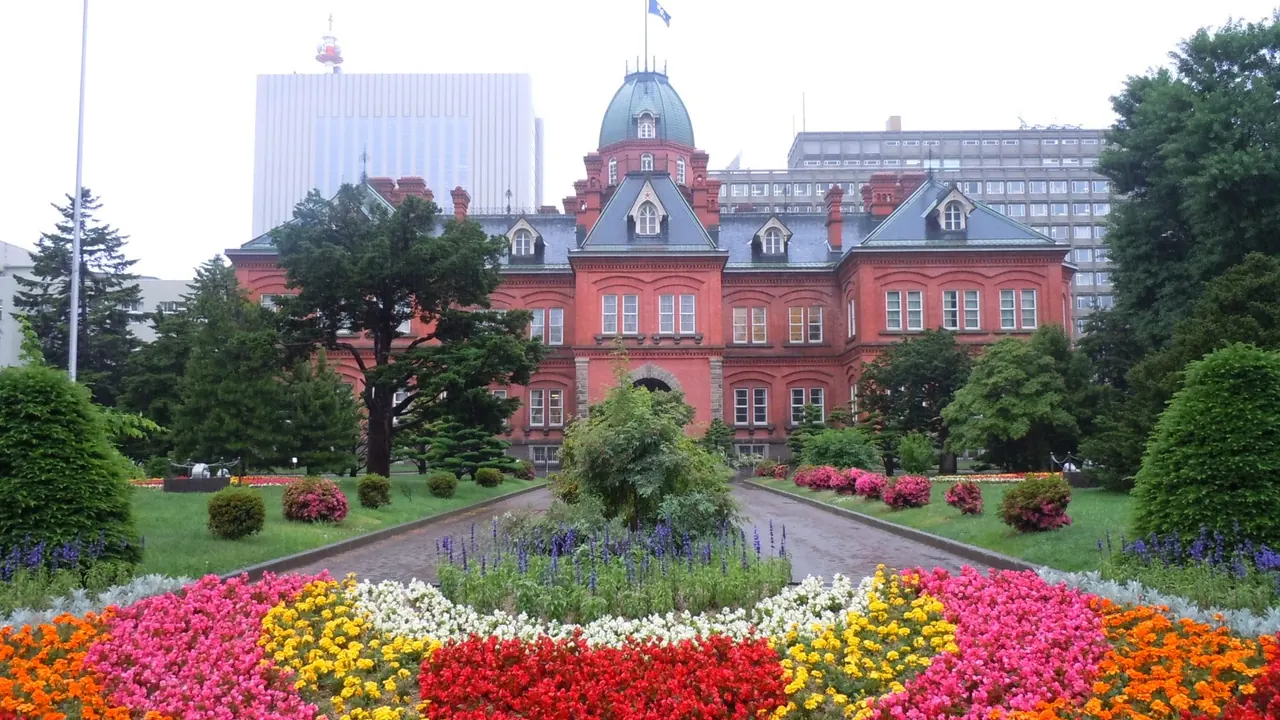
Sapporo's landmarks date from the Meiji pioneer years: the wooden Clock Tower and the red-brick former government building. It adds Ainu history at the Hokkaido Museum and Noguchi's sculpted Moerenuma Park. You can see the main sights of either city in two days, but Yokohama's add up to more.
Nightlife
Neither city is for clubbing, so the real comparison is between bar scenes, and Sapporo's is clearly better. Susukino is a dense block of towers holding thousands of tiny counter bars, karaoke boxes and late ramen counters, and it stays busy past midnight even in midwinter.
Yokohama's best evenings are in the izakaya and standing bars of Noge, with harbour-view drinks in Minato Mirai. The city goes quiet earlier, though, and locals who want a big night head to Tokyo.
Nature & outdoors
Sapporo has the wilder setting by some distance. The Teine and Kokusai ski areas lie inside the city limits and Niseko's powder snow is about two hours away. In the warmer months the caldera lake and volcanoes of Shikotsu-Toya, the flower fields of Furano and Jozankei's autumn colour are all within reach.
Yokohama's outdoors is gentler: temple trails over Kamakura's wooded ridges, coastal walks on the Miura Peninsula and day hikes in the Tanzawa mountains, with Mount Fuji in view on clear winter days. The walking is good, but there are no snow sports and much less open country.
Day trips
Day trips are Yokohama's strongest point. Tokyo is under half an hour away, and Kamakura, with its Great Buddha and Zen temples, is about 25 minutes. Enoshima, Hakone and the Edo-period streets of Kawagoe all make full days out, so a week here can take in very different places.
From Sapporo the obvious trip is to Otaru for its canal and sushi. The whisky distillery at Yoichi, the Upopoy museum of Ainu culture and the hot-spring town of Noboribetsu are also within reach. After those, the choices are mostly lakes and mountains rather than towns.
Good for families
Sapporo is a seasonal treat for children, while Yokohama works all year. Sapporo is hard to beat in winter: the Snow Festival turns Odori Park into ice sculptures and snow slides, the hills inside the city have gentle beginner slopes with lessons, and Maruyama Zoo's polar bears are a subway ride away. In summer the main draw is open space at Moerenuma and Takino, and January calls for serious cold-weather clothing.
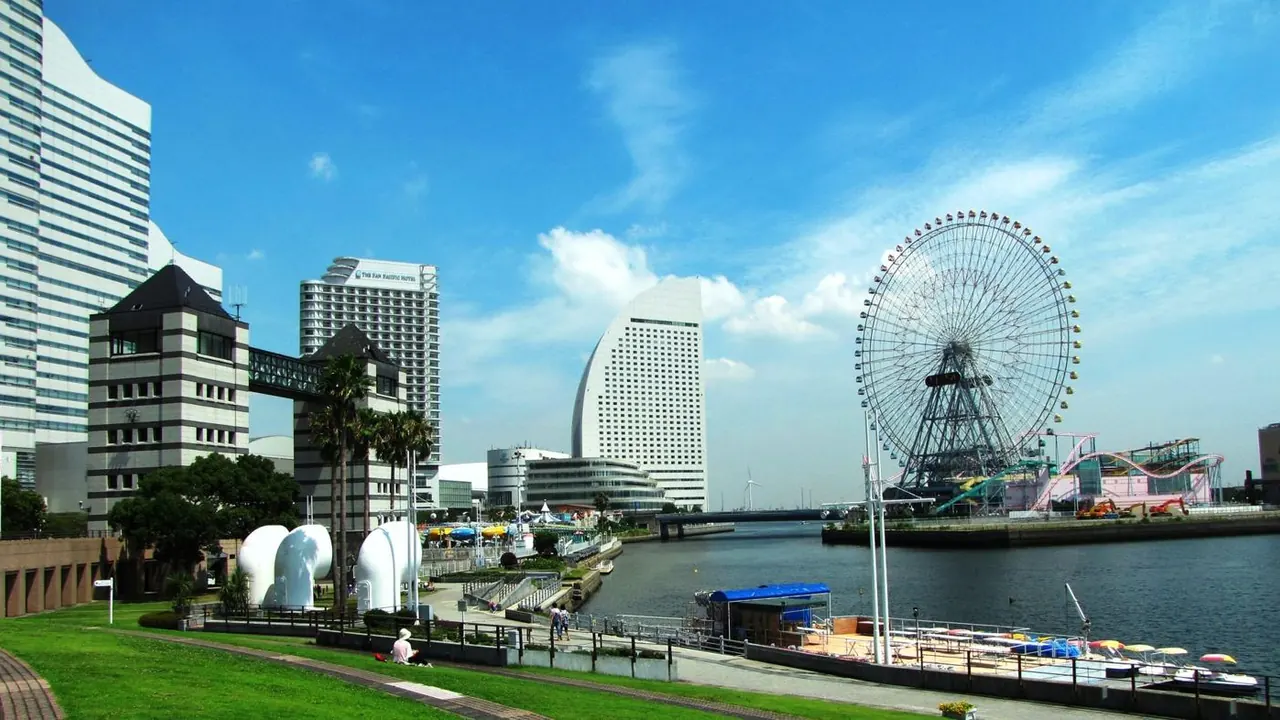
Yokohama has far more made for children. The Anpanman museum suits toddlers, the Ferris wheel and amusement park sit on the Minato Mirai seafront, the Nippon Maru sailing ship is an easy outing, and Tokyo Disneyland is about an hour away. Stations have nursing rooms, and the humid summer is the only real thing to plan around.
Getting around
Sapporo's numbered grid means an address tells you roughly where you are, and the flat centre from the station through Odori Park to Susukino is easy on foot. Three subway lines and a streetcar loop out to the Mount Moiwa ropeway cover most visits, and in winter an underground walkway keeps you off the ice. The catch is midwinter, when packed snow slows everyone down, and Jozankei and Moerenuma need a bus.
Yokohama has the denser network, with JR lines, two subway lines, private railways and the Minatomirai Line, English signs and fast trains to Tokyo, Kamakura and Haneda. That makes it the easier base for moving around the region, and its flat harbour walk and water buses work in any month.
Shopping & style
Shopping is a close match, and in both cities it is comfortable and mainstream rather than luxurious. In Sapporo the best things to take home are edible: Hokkaido chocolate, butter biscuits, cheese and dried seafood, along with Ainu-patterned woodcarving. The covered Tanukikoji arcade is handy on snowy days.
Yokohama has Motomachi, a long, smart street known for leather goods, plus the waterfront malls around the Red Brick Warehouses and Chinatown's teas and tableware. In either city, anyone after serious fashion is better off in Tokyo.
Affordability
Costs are broadly similar, and in both cities business hotels, ramen counters and free parks keep a trip modest. What raises the bill differs. In Sapporo it is crab and sea-urchin dinners, ski passes and the February Snow Festival, when central rooms run short. In Yokohama it is the harbour-view hotels of Minato Mirai, summer weekends and admission to Sankeien and the family attractions.
Live music & performing arts
Yokohama's jazz heritage and Tokyo's stages half an hour away give it a fuller programme than Sapporo, where the arts rest mainly on classical music and a few festivals. In Sapporo, the Kitara hall in Nakajima Park is the centre and the home of the Sapporo Symphony Orchestra, and each July the Pacific Music Festival brings young musicians from abroad. June's Yosakoi Soran dance teams fill the streets, but outside those weeks the choice is modest and mostly in Japanese.
In Yokohama, old jazz cafés in Noge and Kannai still play records and host small live sets, and an autumn jazz festival spreads across halls and street corners. Minato Mirai Hall and the Kanagawa theatres add orchestral concerts, opera and drama, and harbour arenas host touring pop and rock acts. Kabuki and the big musicals are a short train ride away in Tokyo.
Wellness & relaxation
For a proper soak, Sapporo is much better placed. Jozankei's open-air baths in a forested gorge are inside the city limits, and Noboribetsu, one of Japan's best-known onsen towns, is close enough for a night away. Bathing outdoors while snow falls is an easy part of a stay.
Yokohama has neighbourhood sento and a large bath complex on the waterfront, but for a mountain-inn onsen you have to go to Hakone. Its quieter moments come from Sankeien's ponds and the rose gardens on the Bluff.
When should you go?
Pick your month. The climate figures are measured averages, not a forecast.
Sapporo in July
Yokohama in July
Daytime high, °C
Rainfall in the month, mm
Where the figures come from
Yokohama's sunshine is measured 29 km from the centre, at Tokyo.
Temperature and rainfall are climate normals, averaged over the years shown. Sapporo: 1991-2020 normals, Sapporo (2.2 km from centre). Yokohama: 1971-2000 (sunshine 1991-2020) normals, Yokohama (1.6 km from centre).
Sapporo has sharply defined seasons. From December to March daytime highs stay around 0°C and snow covers the city. That is the time for skiing, the Snow Festival and hot springs, though it is too cold for long walks. Late spring and June are dry, sunny and mild, which makes them the best weeks for sightseeing on foot. July and August are pleasantly warm rather than hot, and there is a short window when the sea is warm enough to swim. Rain increases from August into autumn, and October brings crisp days and autumn colour before November turns cold.
Yokohama is milder and wetter. Winters stay around 10°C and are dry and bright, good for walking the harbour and for clear views of Fuji. Spring and autumn are pleasant but often rainy, with the rainy season in June and a wet September of about 219mm. July and August are hot and humid at close to 30°C, with the sea at about 26°C for the Shonan beaches. In summer Sapporo is the escape from the heat, and in winter Yokohama is the warmer choice.
Which traveller are you?
For a food and nightlife trip, Sapporo is the stronger pick. Morning bowls of crab and sea urchin, miso ramen and lamb grilled at the table lead on to the thousands of tiny bars in Susukino, which stay lively past midnight. Yokohama winds down earlier.
On a family trip with young children, Yokohama has the edge. Hands-on outings like the Cup Noodles Museum, Hakkeijima's aquarium and Zoorasia are easy to reach, stations have lifts, and the flat harbour suits pushchairs. For children, Sapporo is mainly a winter treat.
On an outdoors trip, Sapporo wins easily. There are ski slopes inside the city and Niseko is about two hours away, while summer brings volcano hikes and canoeing in Shikotsu-Toya. Yokohama has good walks around Kamakura and in the Tanzawa mountains, but nothing as wild.
Before you go
| Measure | Sapporo | Yokohama |
|---|---|---|
| Official language | Japanese | Japanese |
| Currency | Yen (JPY) | Yen (JPY) |
| Sockets | AB100 V, 50 and 60 Hz depending on the region | AB100 V, 50 and 60 Hz depending on the region |
| Driving side | Left | Left |
| Time zone | UTC+9 | UTC+9 |
| Emergency number | Police 110, fire 119 | Police 110, fire 119 |
| Elevation | 5 m | 24 m |
| Main airport | New Chitose Airport (CTS)42 km from centre42 non-stop destinations | Tokyo Haneda International Airport (HND)18 km from centre98 non-stop destinations |
| Public holidays this year | 16 days | 16 days |
By the numbers
| Measure | Sapporo | Yokohama |
|---|---|---|
| City population | 1,959,313 | 3,757,630 |
| People per km² | 1,747 | 8,585 |
| Museums within 10 km | 33 | 38 |
| UNESCO World Heritage sites within 50 km | 1 | 1 |
| Swim season, months above 21 °C | 1 month | 5 months |
Where else could you go?
Every comparison below shares a destination with this one, so you can follow Sapporo or Yokohama somewhere new.