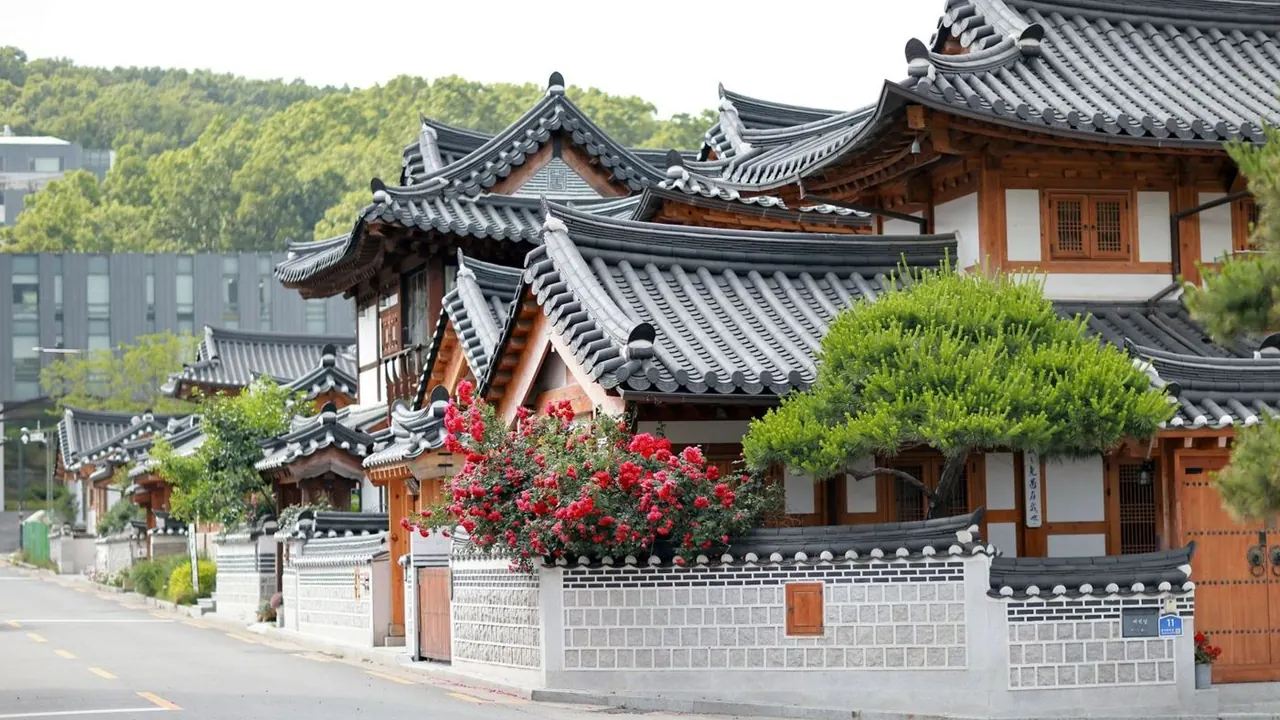
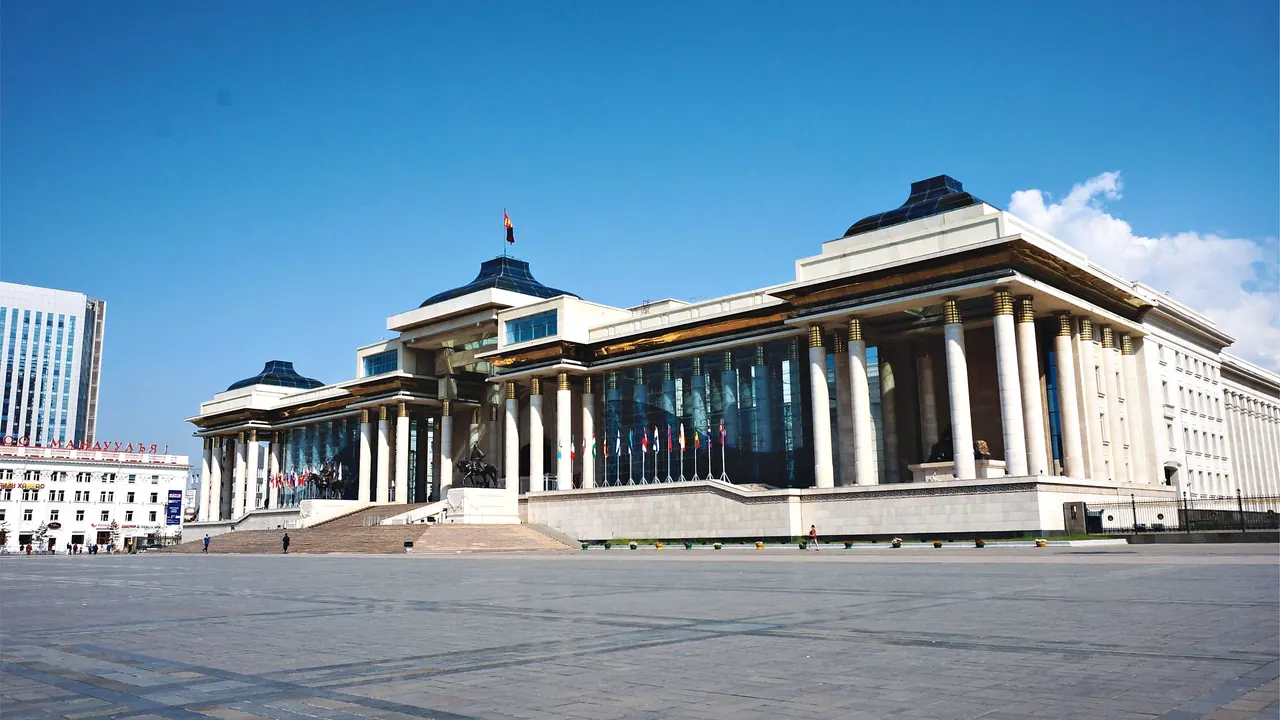
Photos: Seoul by 거열 박, Pexels License; Ulaanbaatar by MBVisign, Pexels License.
Seoul or Ulaanbaatar?
Our verdict in twelve categories, each scored against the same fixed benchmark cities, and the climate month by month, so you can choose for your trip.
Choose Seoul for
- getting around
- wellness
- day trips
Seoul suits a traveller who wants the city itself to be the trip. You get palaces and a great national museum by day, barbecue and soju until late, serious shopping and bathhouses, and an excellent subway that makes all of it easy. It is the better choice for families, for a first visit to East Asia and for anyone who likes comfort and plenty of day trips within an hour or two.
Choose Ulaanbaatar for
- prices
Ulaanbaatar is for people who come to leave it. The city is a short stop of monasteries and museums. The real draw is the wild country that starts close by: Terelj's granite valleys, ger camps, Mongolian horses and the wild takhi horses of Hustai. Choose it for wide skies and nomadic life, and expect rougher food, transport and comfort.
Scoreboard
Twelve categories on one fixed scale from 0 to 100. The shaded stretch is the gap between the two.
Your match
Pick a travel style or drag the sliders, and both match scores follow your weighting.
Wins on getting around and wellness with your weighting.
Wins on prices with your weighting.
What matters to you?
Category by category
What the scores mean for a trip.
Beaches & swimming
Neither city is a place to swim, but Seoul at least has sand within reach. The Yellow Sea beaches at Eurwangni and on Muuido are an hour or more away, with big tides and murky water. In summer there are also the outdoor pools in the Han River parks.
Ulaanbaatar is completely landlocked, and the cold shallows of the Tuul are only good for paddling. If you want a real beach, go to Busan or Korea's east coast.
Food & drink
Food is one of the strongest reasons to choose Seoul. Meals mean barbecue cooked at the table, stews in stone pots, cold noodles and fried chicken, always with a spread of side dishes. Gwangjang Market and the tented street stalls stay busy late, and there is fine dining and a café culture on top.
Ulaanbaatar's food is filling fuel for the cold: buuz dumplings, khuushuur and salty milk tea. It is heavy on mutton and hard for vegetarians. Its best variety comes from Korean barbecue places, and Seoul has the original in much greater range.
Culture & sights
Seoul's heritage is deeper and broader. It has five Joseon palaces, the UNESCO-listed Changdeokgung and Jongmyo, the hanok lanes of Bukchon and the National Museum of Korea. Together they fill several days, though the sights come in clusters among modern towers.
Ulaanbaatar's sights are fewer but unlike anything in Seoul, and they grow out of its Buddhist past. Monks chant at Gandan, and you can visit the Choijin Lama Temple, the Bogd Khan's Winter Palace and the gilded bronzes in the Zanabazar museum. Two or three days covers them.
Nightlife
A night out in Seoul moves in rounds, from barbecue and soju to fried chicken and beer to a small pub. Hongdae's clubs and buskers, Itaewon's cocktail bars and Gangnam's dressed-up clubs are still full at 3am. Ulaanbaatar has fun to offer around Sukhbaatar Square and Seoul Street, with pubs, karaoke and a few clubs, but the scene is small. It is liveliest in summer and quiet through the frozen winter.
Nature & outdoors
Both cities have real outdoors on the doorstep, but of very different kinds. In Seoul hiking is a city habit. The subway takes you to Bukhansan's granite ridges, Inwangsan gives a short climb above the palaces, and cycle paths run along the Han.
Ulaanbaatar has wilder, emptier country. There is larch forest on Bogd Khan Uul at the edge of town, horse riding in Terelj and wild takhi horses at Hustai. It is a summer-only option, and traffic on the way out takes time.
Day trips
Seoul has far more for extra days. Suwon's walled fortress is about an hour away, and there are also Namhansanseong, tours to the DMZ and Jeonju's hanok quarter by KTX. Trains make most of these easy without a guide.
From Ulaanbaatar the choices are few, and most need a driver. You can see the giant steel Chinggis Khaan at Tsonjin Boldog, the ruined Manzushir Monastery or a herding family. Kharkhorin, the old imperial capital, is too far for a day and needs a night away.
Good for families
Seoul is well set up for children. Lotte World is in the city and Everland's safari is an hour south, and there are big aquariums, good science centres, safe streets and lifts in the stations.
In Ulaanbaatar, children enjoy the countryside most: nights in a ger, gentle horses and marmots, plus the real Gobi fossils at the dinosaur museum. In the city itself, hard road crossings, broken pavements and smoky winter air make it tiring with children.
Getting around
Seoul's subway is clean, punctual and signed in English. It reaches the palaces, Gangnam and the hiking trailheads alike. The one drawback is the city's size, so it pays to stay near the areas you will use most.
Ulaanbaatar has no metro or tram, and its buses are labelled in Cyrillic and stuck in heavy traffic. You can walk the small centre around Sukhbaatar Square. Beyond it you need taxis, and a hired driver for the countryside.
Shopping & style
Seoul is worth a trip for shopping alone. It has Korean skincare in Myeongdong, fashion malls in Dongdaemun that trade all night, designer stores in Seongsu and Garosu-gil, and crafts in Insadong. Ulaanbaatar does one thing well, cashmere, sold in factory outlets and the State Department Store, along with felt goods, deel robes and horse-head fiddles. Go to Seoul for variety and trends, and to Ulaanbaatar for a suitcase of sweaters.
Affordability
Ulaanbaatar is the cheaper city day to day. Canteen meals, taxis and museum entry cost little, though central hotels and Western restaurants cost about what they would in Southern Europe. The big expense is the countryside, where a driver and vehicle can cost more than everything else.
Seoul is mid-priced for a capital. Transport and casual Korean meals are good value, but hotels, barbecue dinners and smart cafés push the total up. A stay in the city costs less in Ulaanbaatar, but a trip built around the steppe may not.
Live music & performing arts
Seoul gives a visitor more to choose from. The Seoul Arts Center and Sejong Center have orchestras and opera, the National Gugak Center stages court music, and Hongdae has indie clubs. Most of Daehangno's theatre, though, is in Korean.
Ulaanbaatar has one show every visitor should see: a summer evening of throat singing, horse-head fiddle and contortionists. Tickets for the ballet at the pink State Opera theatre are also easy to get.
Wellness & relaxation
In Seoul, relaxing is part of everyday life thanks to the jjimjilbang. These bathhouses are open around the clock, with hot pools, body scrubs and heated rooms of clay and salt, and the city adds skincare spas and temple stays. Ulaanbaatar has little more than hotel spas and a few saunas. Rest there means leaving town for a ger camp in Terelj, with silence and a wood stove.
When should you go?
Pick your month. The climate figures are measured averages, not a forecast.
Seoul in July
Ulaanbaatar in July
Daytime high, °C
Rainfall in the month, mm
Temperature and rainfall are climate normals, averaged over the years shown. Seoul: 1991-2020 normals, Seoul (2.2 km from centre). Ulaanbaatar: 1991-2020 normals, Ulaan-Baator (2.9 km from centre).
Seoul is at its best in spring and autumn. April, May, September and October bring mild days for walking, blossom or autumn colour and steady sunshine. July and August are hot and very wet, with about 422mm of rain in July. The sea west of Incheon only warms to about 24°C in August, at the height of the monsoon. Winters are freezing, with highs near 2°C in January, though they are dry and fairly bright.
Ulaanbaatar has a much shorter good season. From June to August highs reach about 26°C, rain is light and the countryside is green. September is cooler but still pleasant. Winter is severe, with highs around -16°C in January. The steppe city gets more sunshine than Seoul from February to November, especially in spring and summer, while Seoul is the sunnier of the two in December and January. Summer is Seoul's wettest and stickiest season but Ulaanbaatar's only easy one, and September works well in both.
Which traveller are you?
On a family trip with young children, Seoul is much easier. It has theme parks and hands-on museums made for children, and they are simple to reach. Ulaanbaatar is hard going with small children, so go in summer and spend most days outside the city.
For a trip on a tight budget, Ulaanbaatar makes money go further. Canteen dumplings, taxis and monastery entry cost little. Be careful with the countryside, though: hiring a driver there can cost more than the rest of the trip. Seoul's cheap subway helps, but its hotels are costly.
For riders and travellers drawn to nomadic life, Ulaanbaatar has what Seoul cannot match. You can stay in ger camps in Terelj, ride Mongolian horses across open country and visit herding families, all within a couple of hours. Seoul's mountains are for hiking, not for riding across the steppe.
Before you go
| Measure | Seoul | Ulaanbaatar |
|---|---|---|
| Official language | Korean, Korean Sign Language | Mongolian |
| Currency | Won (KRW) | Tugrik (MNT) |
| Sockets | CF220 V, 60 Hz | CE220 V, 50 Hz |
| Driving side | Right | Right |
| Time zone | UTC+9 | UTC+8 |
| Emergency number | Police 112, ambulance 119, fire 119 | 105 |
| Elevation | 38 m | 1,350 m |
| Main airport | Incheon International Airport (ICN)49 km from centre163 non-stop destinations | Ulaanbaatar Chinggis Khaan International Airport (UBN)31 km from centre38 non-stop destinations |
| Public holidays this year | 18 days | 10 days |
By the numbers
| Measure | Seoul | Ulaanbaatar |
|---|---|---|
| City population | 9,668,465 | 1,396,288 |
| People per km² | 15,973 | 297 |
| Museums within 10 km | 81 | 19 |
| UNESCO World Heritage sites within 50 km | 5 | 0 |
| Swim season, months above 21 °C | 2 months | - |
Where else could you go?
Every comparison below shares a destination with this one, so you can follow Seoul or Ulaanbaatar somewhere new.