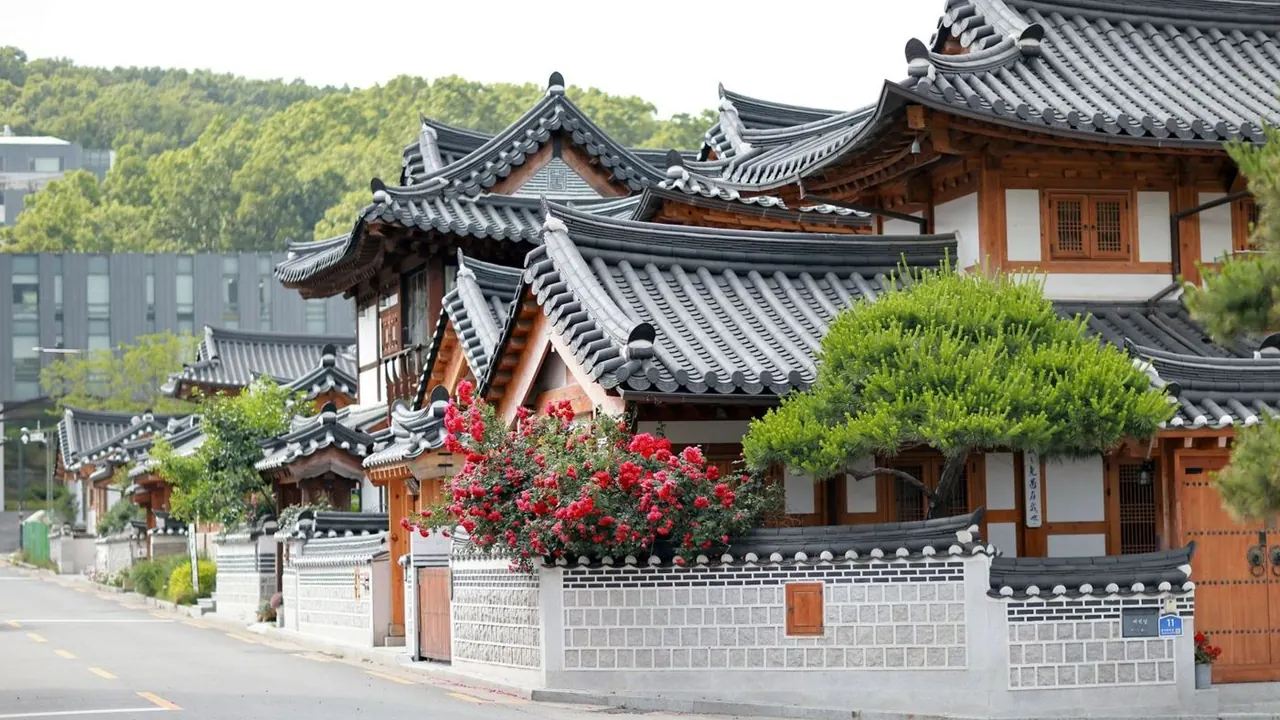
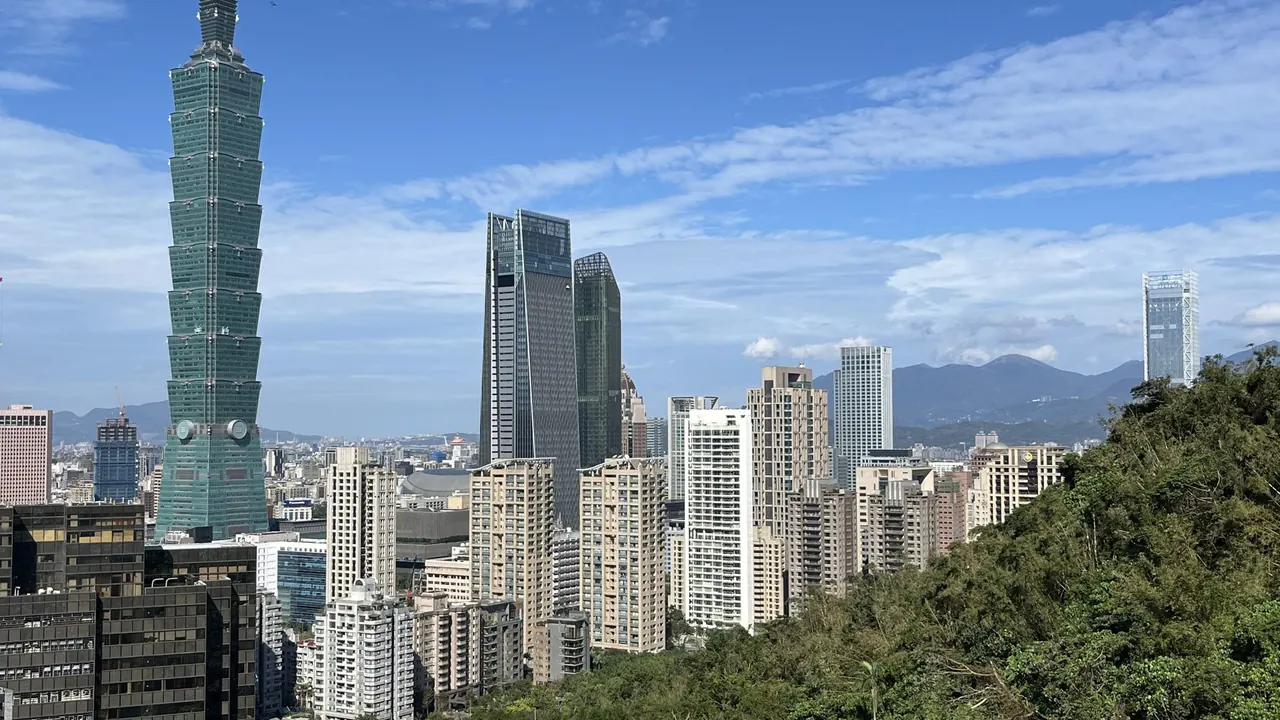
Photos: Seoul by 거열 박, Pexels License; Taipei by Another Believer, CC BY-SA 4.0, cropped.
Seoul or Taipei?
Our verdict in twelve categories, each scored against the same fixed benchmark cities, and the climate month by month, so you can choose for your trip.
Choose Seoul for
- nightlife
- shopping
- families
Seoul suits the traveller who wants a big, late, high-energy city. Evenings run from table barbecue and soju into clubs and karaoke rooms long after midnight, the shopping covers everything from Korean skincare to all-night fashion malls, and five Joseon palaces give the sightseeing real weight. Families do well too, with theme parks in and near the city. Expect freezing winters and higher hotel and dinner bills.
Choose Taipei for
- beaches
- prices
- wellness
Taipei is the better choice for a slower, cheaper trip built around eating, hot springs and green hills. Night markets cost little, Beitou's sulphur baths are a metro ride away, and trails start right behind the skyscrapers. Mild winters make it an off-season option when Seoul is frozen, and a summer swim at Fulong is easier to arrange. The nights are quieter and the shopping more about browsing than fashion.
Scoreboard
Twelve categories on one fixed scale from 0 to 100. The shaded stretch is the gap between the two.
Your match
Pick a travel style or drag the sliders, and both match scores follow your weighting.
Too close to call, 1 point apart
Wins on nightlife and shopping with your weighting.
Wins on beaches and prices with your weighting.
What matters to you?
Category by category
What the scores mean for a trip.
Beaches & swimming
Neither city has a shore of its own, but Taipei gets you to better swimming. Fulong's golden spit is about an hour by train and the summer sea is properly warm, though rip currents and typhoon closures are worth keeping in mind.
Seoul's nearest sand, west of Incheon, sits on the Yellow Sea, where big tides pull the water back over mudflats. In high summer the outdoor pools in the Han River parks are the more realistic way to cool off.
Food & drink
Both are outstanding places to eat, and the difference is in the style. Seoul's meals are social occasions around a table grill or a bubbling stone pot, with a spread of side dishes and soju, and Gwangjang Market's mung bean pancakes are the classic street bite.
Taipei is more about grazing: oyster omelettes and pepper buns at Raohe or Ningxia, xiaolongbao pleated in front of you, soy milk and egg crêpes for breakfast. For drinks, Seoul's design-led cafés in Seongsu meet Taipei's oolong teahouses and its home of bubble tea.
Culture & sights
Seoul has the deeper heritage. Its five Joseon palaces, led by Gyeongbokgung and Changdeokgung with its secret garden, plus Jongmyo shrine, the hanok lanes of Bukchon and the Fortress Wall over the hills, fill several days, and the National Museum of Korea ranks among Asia's great collections.
Taipei's anchor is a single world-class museum, the National Palace Museum, backed by Longshan Temple, the Chiang Kai-shek Memorial Hall and the merchant shophouses of Dihua Street. Both cities are largely modern, but Seoul's historic clusters are bigger and more numerous.
Nightlife
Seoul is in another league after dark. Dinner turns into second and third rounds, Hongdae's clubs and buskers keep going until the first trains, and Gangnam's dressed-up clubs, Itaewon's international bars and Euljiro's hidden alley bars add range. The main limit is that much of it leans towards Korean-speaking crowds.
Taipei's strength is narrower: inventive cocktail bars in Da'an and Zhongshan using local tea and fruit, and a few big clubs in Xinyi. Many locals end the evening at a night market or a stir-fry beer hall, and weeknights go quiet early.
Nature & outdoors
Both cities have a national park inside their limits, so the outdoors is close either way. Seoul's Bukhansan offers granite peaks and ridge walks among crowds of keen local hikers, and the Han River has long continuous cycle paths.
Taipei's Yangmingshan is volcanic, with steaming fumaroles and silvergrass slopes, while Elephant Mountain rises right behind Xinyi and a gondola climbs to the Maokong tea terraces. Seoul's harder season is its freezing winter; Taipei's is its humid typhoon summer.
Day trips
The range of outings is about even, but the flavour differs. From Seoul the trips lean to history on a grand scale: the walled fortress at Suwon, Namhansanseong, the Demilitarized Zone and, by fast train, Jeonju's hanok quarter.
Taipei's classics are smaller and more atmospheric, from the lantern-hung stairways of Jiufen to sky lanterns in the old coal towns of the Pingxi line and sunsets at Tamsui's fort. High-speed rail puts Tainan's old temples about two hours away.
Good for families
Seoul has more for children within easy reach. Lotte World is right in the city, Everland with its safari is about an hour south, and Seoul Grand Park, the mall aquariums and the children's museums fill the rest. Crowded weekends and sticky summers are the drawbacks.
Taipei is just as safe and welcoming, and its zoo with pandas next to the Maokong gondola makes a fine day, with night-market games a hit for older children. Its big theme parks, though, lie an hour or more outside the city.
Getting around
Both have superb, English-signed metros and a single card for buses and taxis, so neither needs a car. The real difference is size: Seoul is enormous, and crossing from the palaces to Gangnam can take 40 minutes with changes, so where you stay matters more.
Taipei feels more manageable, its card also covers bike share and regional trains, and covered arcades in the centre make walking pleasant in rain or sun. Off the main streets, parked scooters and shared lanes make it less comfortable on foot.
Shopping & style
Seoul is the clear destination for shoppers. Myeongdong's wall of Korean cosmetics, the block-sized department stores, Dongdaemun's wholesale fashion running through the night and designer shops in Garosu-gil and Seongsu set a fast, trend-led pace.
Taipei's Xinyi malls carry the international brands, but its character is in smaller finds: Taiwanese design at the Huashan and Songshan cultural parks, herbs and dried goods on Dihua Street, high-mountain oolong and Yingge pottery.
Affordability
Taipei is the cheaper trip. Eating costs very little even at good sit-down Taiwanese restaurants, transport is inexpensive, and many temples, parks and trails cost nothing.
Seoul is mid-priced: casual meals and the subway are good value, but barbecue dinners, cocktails and café coffee approach Southern European levels, and imported fruit is dear. In both cities the hotel is the main expense.
Live music & performing arts
Seoul offers a little more that a visitor can actually enjoy. Beyond the Seoul Philharmonic at the Seoul Arts Center and the court music of the National Gugak Center, it has non-verbal percussion and martial arts shows, and Hongdae's indie clubs and street buskers.
Taipei's National Theater and Concert Hall and the Taipei Performing Arts Center are solid, and its most distinctive offering is glove puppetry and Taiwanese opera in Dadaocheng. In both, spoken theatre is mostly out of reach without the local language.
Wellness & relaxation
Both cities make bathing part of daily life, in very different ways. Seoul's jjimjilbang are round-the-clock social bathhouses with scrubs, heated clay and salt rooms and families sleeping over, backed by Korean skincare spas and temple stays.
Taipei has natural volcanic springs: Beitou's sulphur pools and hot-spring hotels at the end of a metro line, with more rustic baths on Yangmingshan and at Wulai. Its centre is also the calmer of the two, which suits a slower pace.
When should you go?
Pick your month. The climate figures are measured averages, not a forecast.
Seoul in July
Taipei in July
Daytime high, °C
Rainfall in the month, mm
Where the figures come from
Taipei has no rain gauge within 25 km of the centre, so its rainfall comes from a gridded climate dataset read at the city rather than from a gauge further away.
Temperature and rainfall are climate normals, averaged over the years shown. Seoul: 1991-2020 normals, Seoul (2.2 km from centre). Taipei: 1992-2020 (rainfall 1991-2020) normals, Sungshan / Taipei (3.5 km from centre).
Seoul has four sharp seasons. Winters are freezing, with January highs around 2°C, and the monsoon peaks in July with about 422mm of rain, so summer is hot, sticky and often grey, and September is still fairly wet. The best months for walking the palaces and hills are April, May and October, which are mild and among the sunniest of the year, with late September a reasonable start to autumn. The sea west of the city is only really warm enough to swim in August.
Taipei is warm and damp all year, with rain in every month. Winter highs stay near 19°C, so December to March is comfortable for sightseeing when Seoul is at its coldest. From June to September the heat climbs to about 35°C and the sea to about 29°C. That is good for a beach day but tiring in the streets. October and November are the gentler compromise.
Which traveller are you?
For a food and nightlife trip, choose Seoul and plan the evenings rather than the days. Stay near Hongdae or Itaewon so you can walk home after the last round, go out in a group so karaoke rooms make sense, and keep the mornings free.
On a shopping trip, Seoul is the one to fly to, so bring a half-empty suitcase. Stay near a subway line that serves the shopping districts and give most of your budget to cosmetics and mid-range fashion, where the value is best. Taipei suits a few gifts, not a shopping spree.
On a tight budget, Taipei is the better bet. Eat out at every meal instead of self-catering, spend the days on hikes and temple visits, and book a guesthouse in Zhongshan or Ximending. The same plan works in Seoul, but each evening out costs noticeably more.
Before you go
| Measure | Seoul | Taipei |
|---|---|---|
| Official language | Korean, Korean Sign Language | Taiwanese Sign Language, Amis, Taiwanese Hokkien, Rukai, Bunun, Kanakanavu, Standard Taiwanese Mandarin, Paiwan, Yami, Atayal, Saaroa, Kavalan, Tsou, Seediq, Puyuma, Saisiyat, Sakizaya, Taiwanese Hakka, Truku, Matsu dialect, Kinmen dialect, Wuqiu dialect |
| Currency | Won (KRW) | New Taiwan Dollar (TWD) |
| Sockets | CF220 V, 60 Hz | AB110 V, 60 Hz |
| Driving side | Right | Right |
| Time zone | UTC+9 | UTC+8 |
| Emergency number | Police 112, ambulance 119, fire 119 | 110 or 112 or 119 |
| Elevation | 38 m | 10 m |
| Main airport | Incheon International Airport (ICN)49 km from centre162 non-stop destinations | Taiwan Taoyuan International Airport (TPE)33 km from centre |
| Public holidays this year | 18 days | - |
By the numbers
| Measure | Seoul | Taipei |
|---|---|---|
| City population | 9,668,465 | 2,429,429 |
| People per km² | 15,973 | 8,938 |
| Museums within 10 km | 81 | 69 |
| UNESCO World Heritage sites within 50 km | 5 | 0 |
| Swim season, months above 21 °C | 2 months | 8 months |
Where else could you go?
Every comparison below shares a destination with this one, so you can follow Seoul or Taipei somewhere new.