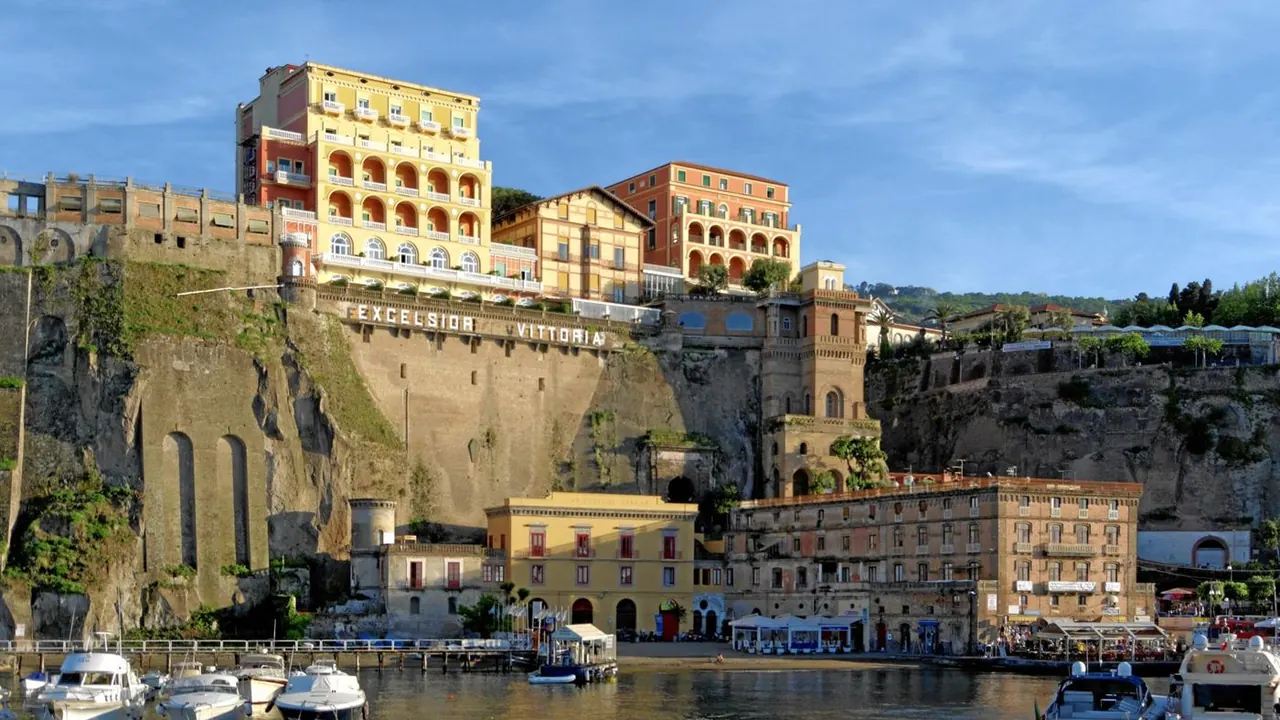
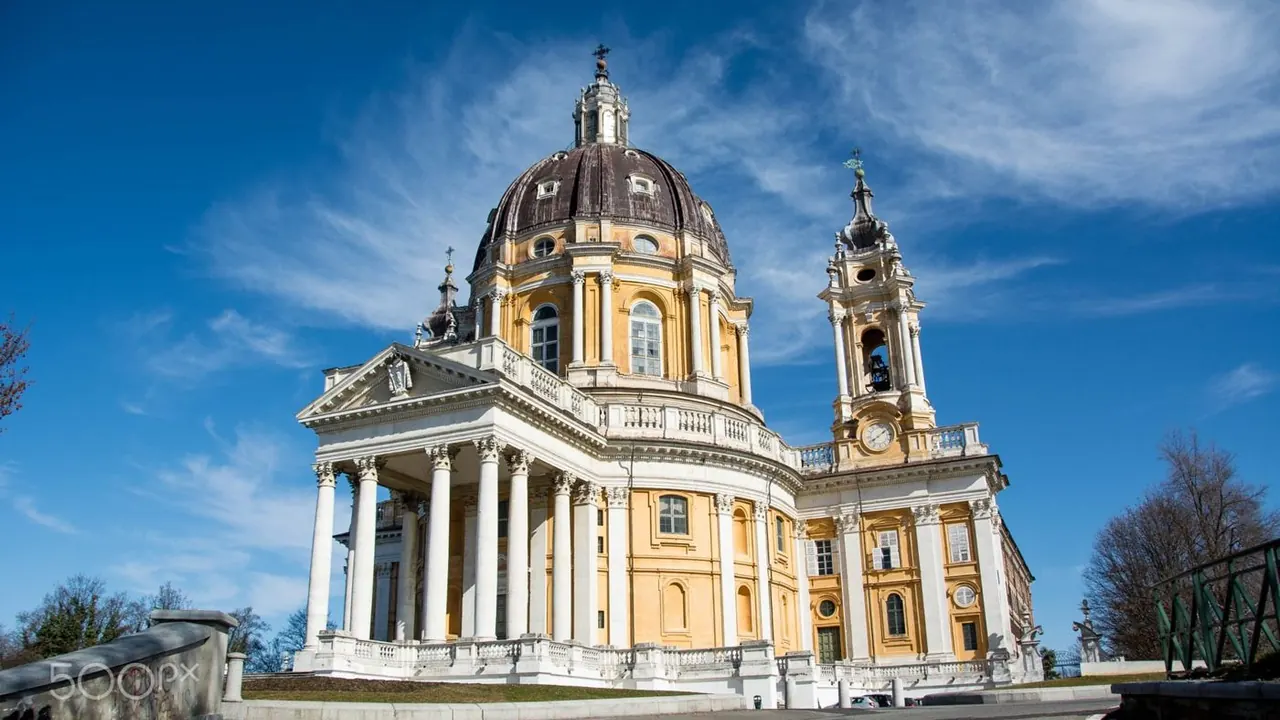
Photos: Sorrento by Berthold Werner, CC BY-SA 3.0, cropped; Turin by Konstantin Dacosta, CC BY 3.0, cropped.
Sorrento or Turin?
Our verdict in twelve categories, each scored against the same fixed benchmark cities, and the climate month by month, so you can choose for your trip.
Choose Sorrento for
- beaches
- day trips
- wellness
Sorrento suits a slow, sun-led vacation around the Bay of Naples: swimming off the lido piers, a ferry to Capri, a morning among the ruins of Pompeii and walks on the lemon-terraced peninsula. The town itself is small and goes quiet early, so it works best for travellers who want a handsome base for days out rather than a city to explore.
Choose Turin for
- culture and sights
- live music and the arts
- prices
Turin is the choice when the city itself is the point. The Museo Egizio, the Savoy palaces, a season of opera at the Teatro Regio and serious Piedmontese cooking give it far more depth than Sorrento, and a stay costs noticeably less. There is no sea, but the Alps and the Langhe wine hills are close, which makes it a strong pick for culture, food and cooler-season trips.
Scoreboard
Twelve categories on one fixed scale from 0 to 100. The shaded stretch is the gap between the two.
Your match
Pick a travel style or drag the sliders, and both match scores follow your weighting.
Wins on beaches and day trips with your weighting.
Wins on culture and sights and live music and the arts with your weighting.
What matters to you?
Category by category
What the scores mean for a trip.
Beaches & swimming
Sorrento is a real swimming destination, even without much sand. The lidos at Marina Piccola and Marina Grande stand on wooden piers over clear, deep water, the rocky inlet of the Bagni della Regina Giovanna is a short walk away, and boats reach pebble coves on Capri and the Amalfi side. Expect paid sunbeds and tight space in high summer.
Turin offers nothing comparable. The nearest sea is the Ligurian Riviera, close to two hours away, and locals settle for small lakes such as Avigliana. If swimming matters at all, Sorrento is the one to book.
Food & drink
Both are proud regional kitchens, but Turin is the better place to eat. Its Piedmontese cooking runs from agnolotti del plin and vitello tonnato to white truffles from the Langhe in autumn, with Barolo and Barbaresco on every list, and it is the home of vermouth, the aperitivo, gianduja and bicerin in the arcaded cafés. Porta Palazzo market adds cheap, everyday eating.
Sorrento's strength is simpler Campanian food: gnocchi alla sorrentina, fish cooked all'acqua pazza at Marina Grande, local mozzarella and lemons in everything. The catch is the tourist-menu belt around Piazza Tasso, so the good meals take some seeking out in back-lane trattorias and the hill villages.
Culture & sights
Turin is a capital-scale city of sights, Sorrento a pretty town with a handful. In Turin the Museo Egizio alone justifies the journey, and around it stand the Royal Palace, Palazzo Madama, the cathedral of the Shroud, the Mole with its cinema museum and the vast Reggia di Venaria, plus contemporary art at Rivoli.
Sorrento's old grid of Roman lanes, the cloister of San Francesco, the Museo Correale and the ravine of the Vallone dei Mulini make a gentle day or two. Its famous history, Pompeii and Herculaneum, lies outside town, so the culture comes from excursions rather than the streets you sleep in.
Nightlife
Turin has the livelier evenings. After the aperitivo, people move on to wine and cocktail bars in the Quadrilatero Romano, crowded pavements in student San Salvario and the riverside Murazzi in summer, with a few clubs in old industrial buildings.
Sorrento's evening is a passeggiata along Corso Italia and a drink on a terrace over the bay, with piano bars and Neapolitan songs for an older crowd. It winds down early, and since the last trains and ferries leave in the evening, a late night in Naples or on Capri means staying over.
Nature & outdoors
The scenery is equally strong in both, but it is sea against mountains. From Sorrento you walk terraced paths to Punta Campanella and the protected bay of Ieranto, tackle the Path of the Gods or the rim of Vesuvius, and take a boat or kayak into the coastal grottoes.
Turin looks to the Alps: Gran Paradiso's ibex and high trails, hut-to-hut hiking, climbing and skiing at Sestriere. The difference is access. The city sits on a flat plain and the wild country needs a car or train, while Sorrento's coastal walks begin almost from the town.
Day trips
Both are excellent bases, but Sorrento has the edge in how much world-famous ground lies within a short ride. Pompeii is about half an hour by train, with Herculaneum and Vesuvius nearby, Capri is a short ferry crossing, and boats run to Positano and Amalfi, while Naples and its archaeological museum are about an hour away.
Turin's outings are more rural and gastronomic: the Langhe wine villages of Barolo and Alba, Bra and the Monferrato hills, the Sacra di San Michele on its rock, with Milan an hour by fast train and Genoa or Aosta further off. They make rewarding days out, though a car helps for the vineyards.
Good for families
Turin is the easier city with children. Its flat grid and long arcades keep pushchairs out of rain and sun, crowds are light, and the glass lift up the Mole, the car museum, the Egyptian mummies and Valentino park keep children busy, with a zoo park at Cumiana for a bigger day.
Sorrento is welcoming but has little made for children. Swimming is into deep water off piers and rocks, many hotels sit on steep lanes without pavements and coast buses are long, so it suits older children who will enjoy a boat to Capri or a walk around Pompeii.
Getting around
Both centres are flat and easy on foot, but Turin works better once you leave them. Its grid of arcaded streets links the main sights, a driverless metro line covers one axis, and fast trains connect the main stations to the rest of Italy.
In Sorrento the trouble starts beyond the small centre. The Circumvesuviana is direct but old and crowded, coast buses crawl round the hairpins in summer, and ferries are often the most comfortable option. A car is more trouble than help in either place, except for Turin's wine hills and mountains.
Shopping & style
Turin has the broader shopping. Via Roma carries big fashion labels under its arcades, Via Garibaldi has the high-street chains, and antique dealers, chocolate makers, truffle delicatessens and the Balon flea market give it local character, though designer choice is limited.
Sorrento's lanes around Via San Cesareo are mostly lemon souvenirs and ceramics. The worthwhile buys are the local crafts: inlaid wood, sandals made to measure, linen and cameos.
Affordability
Turin is the cheaper stay for most of the year. In summer Sorrento charges resort rates for sea-view rooms, lido sunbeds and boat trips, while a central Turin hotel costs what a city hotel costs. In Turin an evening built around the aperitivo spread can stand in for a restaurant meal, and everyday eating at trattorias, bakeries and Porta Palazzo market is easier on the budget than Sorrento's terraces over the bay.
The gap narrows at both ends. Sorrento's hotel rates drop sharply in spring and late autumn, and its trains, buses and back-lane pizzerias are cheap all year. Turin gets dearer when a big trade fair fills its hotels, and the savings shrink on white truffle dinners in autumn and on tickets for the major museums.
Live music & performing arts
Turin has a full cultural calendar, Sorrento barely one. The Teatro Regio stages opera and ballet, the RAI National Symphony Orchestra has its own hall, concerts fill the Renzo Piano auditorium at Lingotto, and jazz clubs and festivals fill out the year.
Sorrento offers shows of Neapolitan song and tarantella put on for visitors, summer chamber music in the San Francesco cloister and hotel pianists. Anyone wanting opera has to make the trip to the San Carlo in Naples.
Wellness & relaxation
Neither city has its own bathing tradition, but Sorrento makes the more restful stay. Cliff-top hotels have spas and pools over the bay, the villa gardens and lemon groves set a slow pace, and Ischia's thermal gardens are an hour away by ferry, though spring and autumn are calmer than the crowded summer.
Turin's calm is urban: long café breaks, evening strolls under the arcades and along the Po, and afternoons in Valentino park. Its spas are mainly in hotels, and the nearest thermal baths at Acqui Terme or in the Aosta valley are close to two hours off.
When should you go?
Pick your month. The climate figures are measured averages, not a forecast.
Sorrento in July
Turin in July
Daytime high, °C
Rainfall in the month, mm
Where the figures come from
Sorrento has no rain gauge within 25 km of the centre, so its rainfall comes from a gridded climate dataset read at the city rather than from a gauge further away.
Sorrento's sunshine is measured 54 km from the centre, at Grazzanise.
Turin has no rain gauge within 25 km of the centre, so its rainfall comes from a gridded climate dataset read at the city rather than from a gauge further away.
Temperature and rainfall are climate normals, averaged over the years shown. Sorrento: 2005-2025 (sunshine 1991-2020, rainfall 1991-2020) normals, Capri (17 km from centre). Turin: 1991-2020 normals, Torino / Caselle (15.4 km from centre).
Sorrento is at its best from June to late September. Midsummer is hot, almost dry and very sunny, with highs of 29°C in July and August. The sea is warm enough for long swims from June into early October and is warmest in August at around 26°C. May is a lovely month for the hill trails, but the water is still cool, so June and late September are the months to combine walking with swimming, either side of the heat that makes the exposed paths hard going. Rain returns in October and is heaviest in November at 151mm, and winter is mild but grey and wet.
Turin has a colder, more continental year. January highs of about 7°C suit a ski trip to the Alps better than long walks around town, and summer reaches 29°C with some sticky days. Rain falls in every month. It is heaviest from September to November, and May is wet as well, so April and June are the most comfortable months for walking under the arcades, with July drier if you can take the heat. For a trip built around the sea, Sorrento is the choice in every season.
Which traveller are you?
On a beach and sun trip, Sorrento is the obvious pick. You can swim off the lido piers at Marina Grande and Marina Piccola, take boats to the coves of Capri and enjoy reliably dry summers, while Turin is inland with the Ligurian coast a long day away.
For a culture and arts trip, Turin wins clearly. The Museo Egizio, the Royal Palace, the Savoy residences and the National Cinema Museum fill several days, and evenings bring opera, ballet and symphony concerts, whereas Sorrento's own sights take a day or two.
For skiers, Turin has something Sorrento simply lacks. The slopes of the Via Lattea around Sestriere are roughly an hour or so away, so a winter city stay with museums and cafés can be combined with days on the snow.
Before you go
| Measure | Sorrento | Turin |
|---|---|---|
| Official language | Italian | Italian |
| Currency | Euro (EUR) | Euro (EUR) |
| Sockets | CFL230 V, 50 Hz | CFL230 V, 50 Hz |
| Driving side | Right | Right |
| Time zone | UTC+1, UTC+2 in summer | UTC+1, UTC+2 in summer |
| Emergency number | 112 | 112 |
| Elevation | 50 m | 239 m |
| Main airport | Naples International Airport (NAP)30 km from centre131 non-stop destinations | Turin Airport (TRN)14 km from centre65 non-stop destinations |
| Public holidays this year | 13 days | 13 days |
By the numbers
| Measure | Sorrento | Turin |
|---|---|---|
| City population | 15,407 | 841,600 |
| People per km² | 1,541 | 6,474 |
| Museums within 10 km | 6 | 72 |
| UNESCO World Heritage sites within 50 km | 5 | 4 |
| Swim season, months above 21 °C | 5 months | - |
Where else could you go?
Every comparison below shares a destination with this one, so you can follow Sorrento or Turin somewhere new.