St Lucia
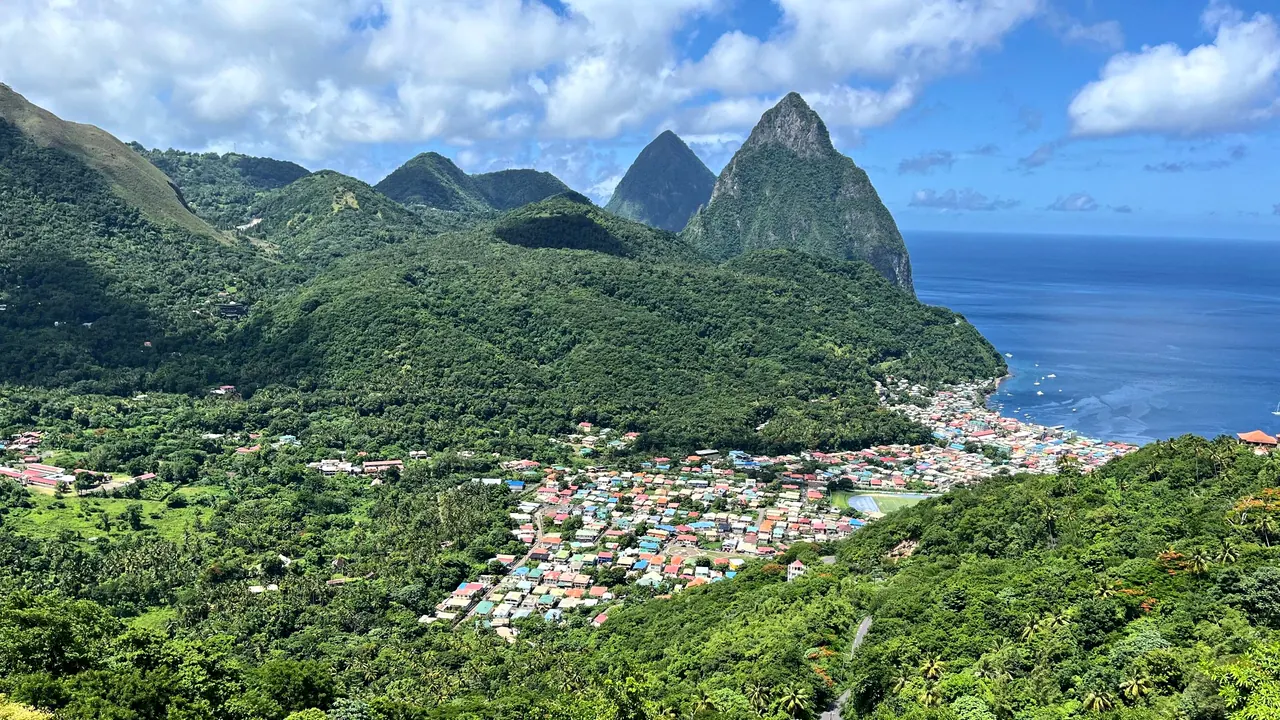
The Pitons above Soufrière, seen from the road above the town
- Beaches80
- Nature & outdoors80
- Wellness & relaxation58
Photo: DavidMPyle, CC BY 4.0, cropped
Match
41
Every category weighted equally
- Beach & sun48
- Culture & arts33
- Food & nightlife35
- Family trip44
- Outdoors47
- Relax & unwind48
- Shopping & style35
- On a budget38
St Lucia in twelve categories
Our verdict on the country as a whole, scored 0 to 100 against the same fixed benchmark cities as every destination, so a score means the same thing on every page.
Beaches & swimming. Scores 80 out of 100.
Food & drink. Scores 45 out of 100.
Culture & sights. Scores 27 out of 100.
Nightlife. Scores 30 out of 100.
Nature & outdoors. Scores 80 out of 100.
Day trips. Scores 33 out of 100.
Good for families. Scores 45 out of 100.
Getting around. Scores 25 out of 100.
Shopping & style. Scores 24 out of 100.
Affordability. Scores 20 out of 100.
Live music & performing arts. Scores 20 out of 100.
Wellness & relaxation. Scores 58 out of 100.
St Lucia category by category
Under each: where in St Lucia it is best, and our destinations in St Lucia that score highest on it.
Beaches & swimming
80Beach time is the centre of most trips here, and the sea is warm all year, about 27°C to 29°C, on the calm Caribbean west coast. Reduit Beach at Rodney Bay is the longest and easiest, a stretch of pale sand with gentle water. The north end adds Pigeon Island's small beaches and the coves around Cap Estate.
Further south the beaches are smaller and more dramatic: Anse Cochon and Marigot Bay are reached by boat or a steep road, and around Soufrière, Anse Chastanet and Anse des Pitons sit under the Pitons, with reef snorkelling from the shore. Much of the sand is golden or volcanic grey rather than white, and the east coast faces the open Atlantic, too rough for swimming. The dry season from December to April gives the clearest days.
Where: Rodney Bay, Soufrière and the Pitons coast, Marigot Bay, Anse Cochon
Our top destinations in St Lucia
Food & drink
45The local cooking is Creole: green fig and saltfish, the national dish, callaloo soup, bouyon stews, accra fritters, fresh grilled fish and breadfruit, with fruit and spice from the island's own farms. The best way to meet it is at the weekly street fish fries, above all in the fishing village of Anse La Raye, and at the stalls of Castries Market.
Cocoa grows in the hills around Soufrière, and several old estates turn it into chocolate you can taste where it is grown, while local rum is part of every bar. Beyond that the scene is small. Many visitors eat in their resort, and independent restaurants cluster around Rodney Bay, Marigot Bay and Soufrière, with a good few fine-dining rooms set on the hillsides with views over the Pitons.
Where: Anse La Raye, Castries, Soufrière, Rodney Bay
Our top destinations in St Lucia
Culture & sights
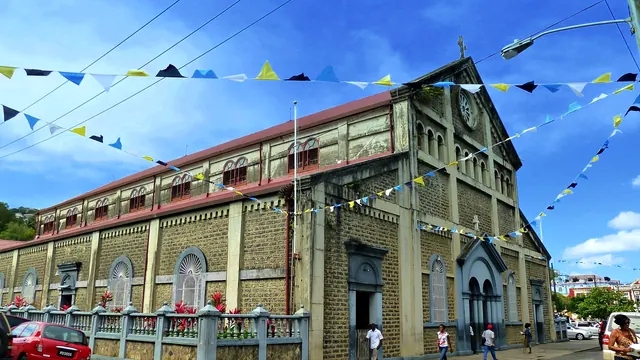
27The island's history of French and British rivalry left forts rather than grand cities. Pigeon Island holds the ruins of Fort Rodney and its garrison, with views towards Martinique, and the fortifications on Morne Fortune look down over Castries harbour. In Castries itself the Cathedral Basilica of the Immaculate Conception is the main sight, its interior painted with local artist Dunstan St Omer's Caribbean saints.
Around Soufrière, the old French capital, there are colonial streets, old sugar and cocoa estates with their mill wheels, and the mineral baths in the Diamond botanical gardens. Fires and storms took much of Castries' older fabric, and there are few museums, so a few half-days cover the island's sights.
Where: Pigeon Island, Castries, Soufrière
Our top destinations in St Lucia
Nightlife
30Going out centres on the north. Gros Islet's weekly jump-up is the island's famous night: the village streets close to traffic, sound systems play soca and dancehall, and locals and visitors eat grilled fish and drink rum punch on the pavements until late. Nearby Rodney Bay has a short strip of bars and a few small clubs that stay busy at weekends and in the winter season.
Elsewhere nights are quiet. Marigot Bay has a couple of waterside bars, and around Soufrière evenings end in resort lounges. Many visitors on all-inclusive stays rarely leave their hotel after dark, so this suits a lively night or two rather than a trip built around going out.
Where: Gros Islet, Rodney Bay
Our top destinations in St Lucia
Nature & outdoors
80The twin volcanic spires of the Pitons, rising straight from the sea by Soufrière, are the island's emblem and a UNESCO site. Gros Piton is a steep, hot climb of a few hours with a guide, and gentler trails such as Tet Paul give the classic views. Inland, the central rainforest reserves carry trails through tree ferns and giant trees, where the endemic St Lucia parrot lives, and ziplines and waterfalls fill the valleys.
The sea is the other half. The marine reserve along the Soufrière coast has some of the best reef diving and snorkelling in the eastern Caribbean, boats go out to watch whales and dolphins, and the windy Atlantic side suits kitesurfing at Vieux Fort. The Sulphur Springs caldera shows the island's volcanic heart. The dry months are best for hiking; the rainforest is wettest from June to November.
Where: Soufrière and the Pitons, Central rainforest reserves, Soufrière Marine Management Area, Vieux Fort
Our top destinations in St Lucia
Day trips
33On a small island most outings are short, and the main excursion is the drive or boat ride from the north to Soufrière, with its colonial town, cocoa estates and botanical gardens. From the south, Castries and its market make a half-day, and the fishing villages of Anse La Raye and Canaries are worth a stop on the winding coast road.
The one outing that changes country is Martinique, about an hour and a half by fast ferry from Castries. A day there brings French Caribbean life in Fort-de-France and the ruined town of Saint-Pierre under Mount Pelée. Beyond that, the list of separate places runs out quickly.
Where: Soufrière, Martinique, Castries, Anse La Raye
Our top destinations in St Lucia
Good for families
45A family vacation here means a beach resort. Rodney Bay in the north is the easiest base with children: Reduit Beach has a long sweep of sand and gentle, shallow water, the resorts along it run kids' clubs and water play areas, and shops, restaurants and a doctor are close by. Next door, Pigeon Island makes an easy half-day, with grassy paths up to the old fort's ruins and a small, calm beach.
Soufrière in the south-west suits families with older children better than toddlers. From there they can ride ziplines through the rainforest, snorkel off the shore under the Pitons, soak in the warm mud pools at Sulphur Springs and take boat trips to look for dolphins. English is spoken everywhere and islanders are warm towards children.
There is little made purely for children beyond the resorts: no zoo, aquarium or theme park. The roads between north and south are steep and full of bends, which is hard on young travellers, so families do best choosing one base and keeping outings short.
Where: Rodney Bay, Pigeon Island, Soufrière
Our top destinations in St Lucia
Getting around
25The island is small, but its mountain roads are narrow and full of hairpin bends, so distances take longer than the map suggests. Most long-haul flights land at Hewanorra in the far south, more than an hour's drive from Rodney Bay. Visitors usually rely on taxis, organised tours or a hire car, driving on the left.
Local minibuses run cheaply along the main roads and are fine for short hops, but they follow no fixed timetable and thin out at night. Water taxis help along the west coast, linking Soufrière with the beaches nearby. Only Rodney Bay and the centre of Soufrière are really walkable.
Where: Rodney Bay, Soufrière
Our top destinations in St Lucia
Shopping & style
24Shopping is a small part of a visit. The covered Castries Market is the liveliest stop, with spices, hot sauces, cocoa sticks, baskets and carvings, and the cruise terminals at Pointe Seraphine and La Place Carenage have duty-free jewellery and watches. Locally made things worth buying include hand-printed batik, clay pottery from the south around Choiseul, estate chocolate and rum. Rodney Bay has a modest mall, but there is no luxury street or boutique district.
Where: Castries, Choiseul, Rodney Bay
Our top destinations in St Lucia
Affordability
20This is an expensive island for a visitor. Much of the accommodation is upmarket resorts and villas, imported goods push up restaurant prices, and taxis and organised excursions add up quickly. Visitors who stay in small guesthouses around Gros Islet or Soufrière, eat at fish fries and local food stalls and ride the minibuses can spend much less, but that is not how most trips here work. Rooms cost noticeably less from June to November, in the rainy and hurricane season.
Where: Gros Islet, Soufrière
Our top destinations in St Lucia
Live music & performing arts
20Live performance gathers around two annual events. The Saint Lucia Jazz and Arts Festival, held each spring, brings international and Caribbean acts to outdoor stages, with Pigeon Island the traditional main site, and Carnival in summer fills Castries with calypso and soca competitions and costumed bands. The island also keeps folk traditions such as the La Rose and La Marguerite flower festivals with their songs. Outside those times there is little: steel pan bands and resort entertainers, and no regular theatre or concert season.
Where: Pigeon Island, Castries
Our top destinations in St Lucia
Wellness & relaxation
58Slowing down is one of the main reasons people come, and the island is set up for it. Around Soufrière and the Pitons, hillside resorts are built for quiet, with open-walled rooms, plunge pools and spas using local cocoa, coconut and volcanic mud, and yoga is easy to find.
The volcano adds something real. At Sulphur Springs visitors soak in warm, mineral-rich pools and coat themselves in grey mud, and the Diamond mineral baths, first built for French soldiers in the eighteenth century, still take bathers in the botanical gardens nearby. There is no wider bathing culture among islanders, so away from Soufrière wellness means a resort spa and a quiet terrace.
Where: Soufrière
Our top destinations in St Lucia
Where to go in St Lucia
St Lucia is one trip, and the real choice is between two bases at either end of the calm west coast. The island is small, but its roads climb and twist, so the drive between north and south takes longer than the map suggests. Most visitors settle in one place and treat the other as a day out. Long-haul flights land at Hewanorra in the far south, more than an hour's drive from the northern resorts.
The north, around Rodney Bay and Gros Islet, is the easier base for a first visit, for families with young children and for anyone who wants some evening life. Reduit Beach has long, gentle swimming, Pigeon Island adds a calm cove and the ruins of Fort Rodney, and Gros Islet's weekly jump-up is the island's liveliest night. Restaurants, shops and taxis are close by, and Castries, the capital, is a short ride away for its market, its painted cathedral and the forts on Morne Fortune.
Soufrière and the Pitons coast in the south-west suit walkers, divers, couples and anyone after a quiet, restful stay. The old French town sits among cocoa estates, botanical gardens with mineral baths and the warm mud pools of Sulphur Springs. There are guided climbs up Gros Piton, gentler views from Tet Paul and reef snorkelling straight off the beach, and families with older children do well here too. Between the two bases, Marigot Bay and Anse Cochon have sheltered coves, and the fishing village of Anse La Raye holds the best weekly fish fry.
Inland, the rainforest reserves have trails and ziplines. The rough Atlantic east coast is for kitesurfing at Vieux Fort, not swimming. For a change of country, Martinique is a day trip by fast ferry from Castries, about an hour and a half each way.
When should you go?
St Lucia has no single climate. Its months are measured at Castries; pick one to see it. The figures are measured averages, not a forecast.
Castries in July
Daytime high, °C
Rainfall in the month, mm
Where the figures come from
Castries's temperatures are measured 29 km from the centre, at Hewanorra International Airport.
Castries has no rain gauge within 25 km of the centre, so its rainfall comes from a gridded climate dataset read at the destination rather than from a gauge further away.
Castries's sunshine is measured 66 km from the centre, at Le Lamentin.
Temperature and rainfall are climate normals, averaged over the years shown. Castries: 2005-2020 (sunshine 1991-2020, rainfall 1991-2020) normals, Hewanorra International Airport (29.3 km from centre).
Compare St Lucia with
Every comparison with a written verdict behind it, and any other country below.
 Anguilla
 Antigua and Barbuda
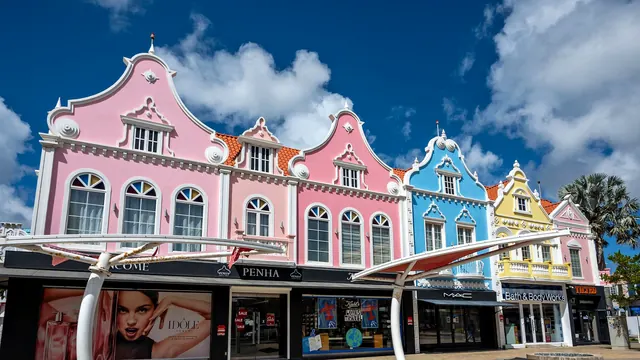 Aruba
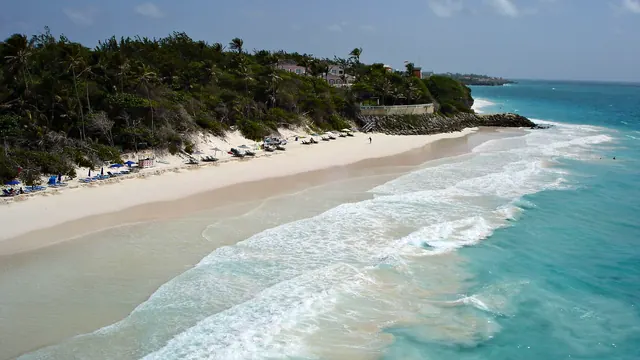 Barbados
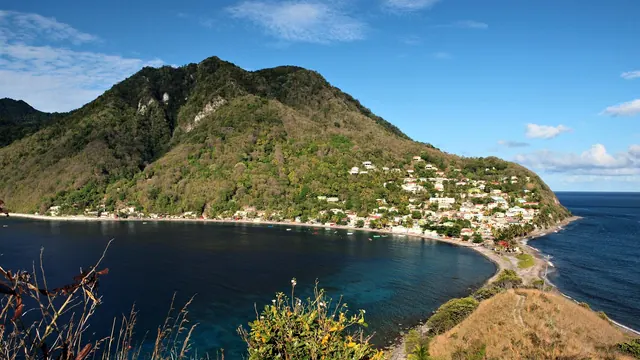 Dominica
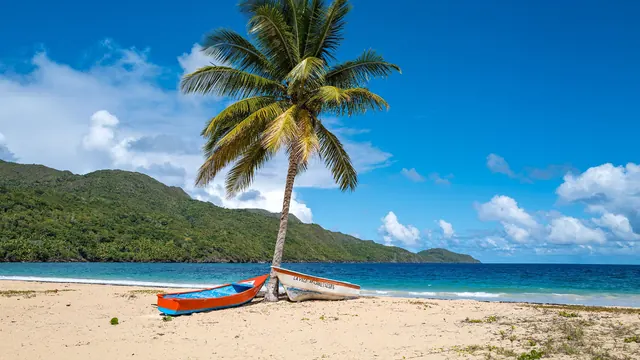 Dominican Republic
 Grenada
 Guadeloupe
 Jamaica
 Martinique
 Saint-Martin
 Sint Maarten
 St Kitts and Nevis
 St Thomas
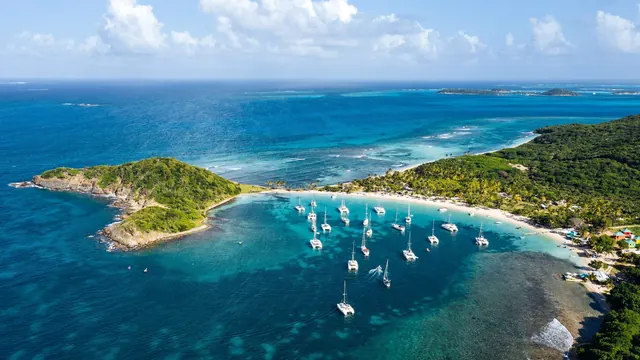 St Vincent and the Grenadines
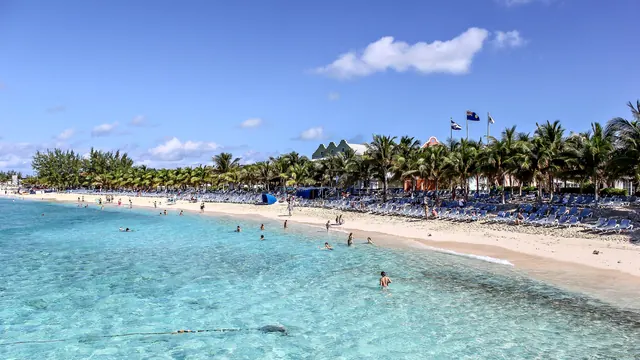 Turks and Caicos
Our destinations in St Lucia
Every place in St Lucia with its own page: its twelve scores, its texts and its months.