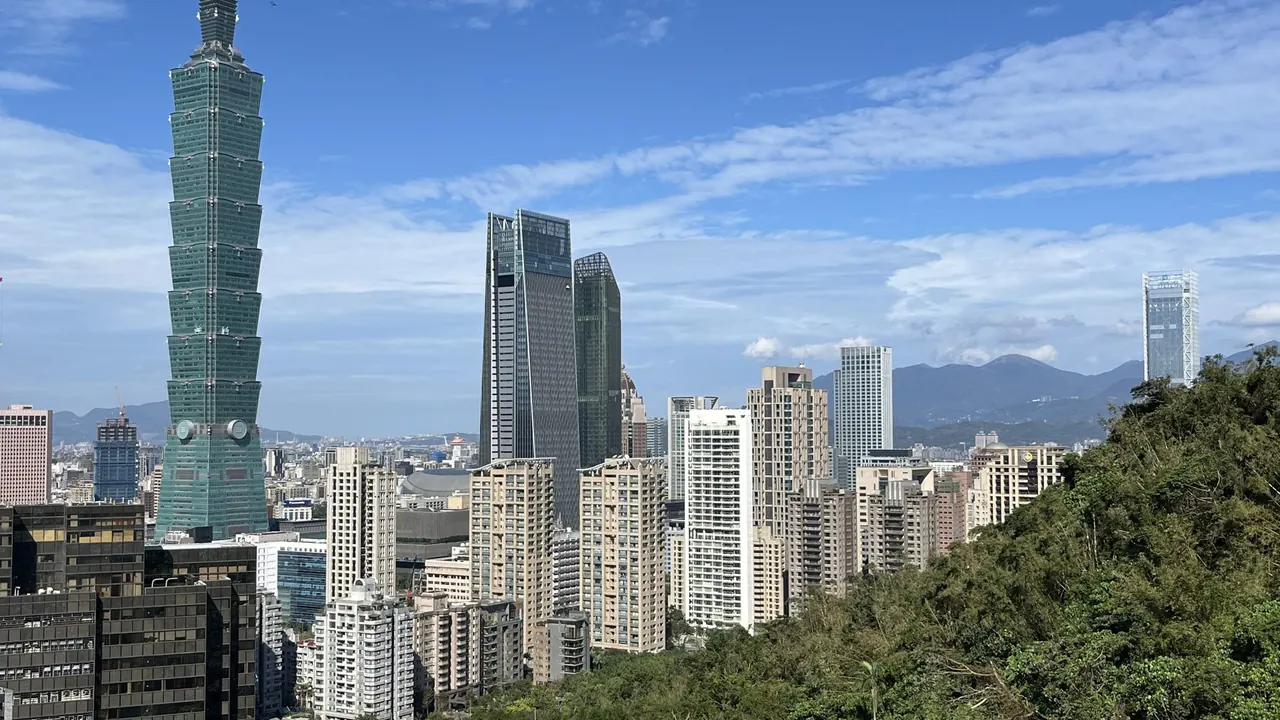
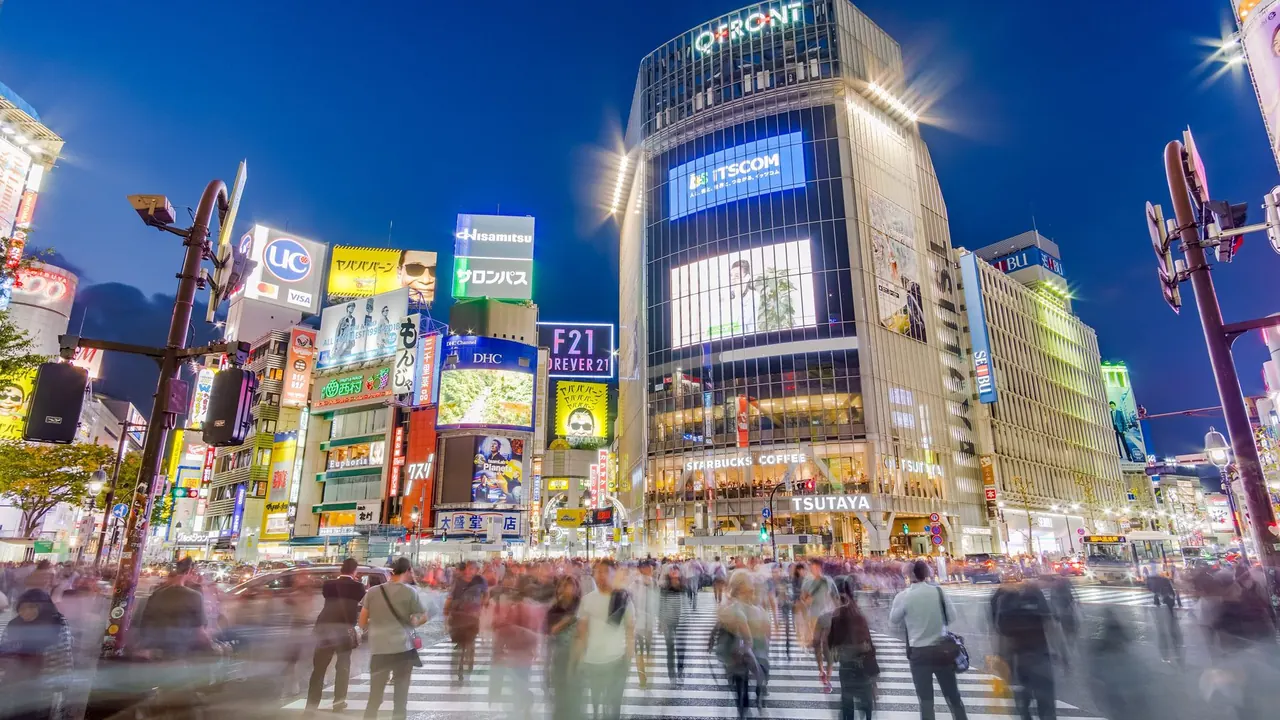
Photos: Taipei by Another Believer, CC BY-SA 4.0, cropped; Tokyo by Benh LIEU SONG, CC BY-SA 2.0, cropped.
Taipei or Tokyo?
Our verdict in twelve categories, each scored against the same fixed benchmark cities, and the climate month by month, so you can choose for your trip.
Choose Taipei for
- prices
- nature and the outdoors
- wellness
Taipei suits travellers who want eating to be the itinerary and a smaller bill at the end. Night markets, beef noodle counters and hillside teahouses cost little, and the green side of the trip starts at the edge of town, with volcanic hills, hiking trails and hot-spring baths all reachable by metro. It is the gentler, cheaper and more outdoorsy of the two.
Choose Tokyo for
- live music and the arts
- shopping
- nightlife
For a trip that wants depth in almost every direction, Tokyo is the stronger choice. Families, shoppers, theatregoers and anyone who likes a long night out will find far more here, from Disney and the Ghibli Museum to kabuki, tiny bars and some of the best shopping districts anywhere. Rooms cost more, but in return you get the larger city in every sense.
Scoreboard
Twelve categories on one fixed scale from 0 to 100. The shaded stretch is the gap between the two.
Your match
Pick a travel style or drag the sliders, and both match scores follow your weighting.
Wins on prices and nature and the outdoors with your weighting.
Wins on live music and the arts and shopping with your weighting.
What matters to you?
Category by category
What the scores mean for a trip.
Beaches & swimming
Neither city has a beach worth travelling for, and both send swimmers out by train for about an hour. What you find at the end differs. From Taipei, Fulong is a long golden spit backed by a lagoon, and the sea is warmer and swimmable from June to September, though rip currents and typhoons can spoil it.
Tokyo's swimming is on the Shonan coast, where Kamakura, Zushi and Enoshima have dark volcanic sand, cooler water and a bathing season of just July and August, with crowded weekends. Its advantage is that a swim can be paired with Kamakura's temples on the same day.
Food & drink
Both are among Asia's great places to eat, but Tokyo goes deeper. Its range runs from station soba counters to kaiseki rooms and sushi counters of the highest refinement, single-dish specialists that have spent decades on one thing, depachika food halls and the yakitori alleys of Yurakucho. Even its French and Italian cooking stands up to the originals.
Taipei's strength is the street and the counter. Raohe and Ningxia night markets, pepper buns from clay ovens, soy milk breakfasts and freshly pleated xiaolongbao are a joy, and high-mountain oolong in old teahouses is a pleasure of its own. It has a restaurant tier above that, but not Tokyo's depth at the top.
Culture & sights
Taipei's culture rests on one world-class museum. The National Palace Museum's imperial jade, bronzes and porcelain deserve half a day, and Longshan Temple, the Chiang Kai-shek Memorial Hall and the shophouses of Dihua Street round out three or four good days.
Tokyo also lost most of its old fabric, but it offers far more. Ueno Park alone has the Tokyo National Museum and the National Museum of Western Art, and Senso-ji, Meiji Jingu, the Imperial Palace moats, Rikugien garden and the lanes of Yanaka give it historic weight. Its modern architecture is a sight in its own right.
Nightlife
Taipei goes out politely. Its pride is cocktail bars in Da'an and Zhongshan that work with local tea and fruit, along with private karaoke rooms, stir-fry beer halls and Xinyi's dressy clubs, but weeknights end fairly early.
Tokyo's nights are far richer. Golden Gai's two hundred tiny bars, whole buildings of whisky and vinyl bars, izakaya lanes around every station, and clubs in Shibuya and Roppongi that run until the first morning train give a choice Taipei cannot match. Both feel safe at any hour.
Nature & outdoors
Taipei wins on outdoors because the hills start where the streets end. Yangmingshan's fumaroles and silvergrass slopes lie inside the city limits, Elephant Mountain is a short steep climb behind Taipei 101, and the Maokong gondola rises to tea terraces. Wulai's gorges and the northeast coast cliffs are a bus or train ride away.
Tokyo has to travel further for wild country. Mount Takao is an hour west, Okutama's cedar valleys a little beyond, and Hakone and the Fuji Five Lakes about two hours out. Within the city, the green comes from parks such as Shinjuku Gyoen and Yoyogi.
Day trips
Tokyo has the stronger set of outings, with more heritage weight behind them. Nikko's Toshogu shrine in its cedar forest, Kamakura's Great Buddha and Zen temples, and Hakone's hot-spring inns and lake boats are major sights, with Kawagoe's clay-walled merchant houses and Yokohama's harbour closer in.
Taipei's trips are smaller in scale but full of character: Jiufen's lantern-hung stairways above the sea, sky lanterns at Shifen on the Pingxi line, and Tamsui's fort at sunset. High-speed rail puts Tainan's old temples and forts about two hours away.
Good for families
Tokyo is one of the easiest big cities anywhere for a family. Disneyland and DisneySea sit across the bay, and the Ghibli Museum, Ueno Zoo and Miraikan add more. Baby rooms, lifts and spotless toilets are everywhere, and fussy eaters are easily fed.
Taipei is safe and welcoming, but its list is shorter. The zoo with its pandas, next to the Maokong gondola, and the night-market games are the highlights, while the big theme parks are an hour or more away and scooters crowd the side streets.
Getting around
Both cities are a joy on public transport, and neither needs a car. Taipei's MRT is clean, colour-coded and reaches Beitou, Tamsui and the gondola, but walking off the main streets means uneven pavements and parked scooters.
Tokyo's rail web is denser still, so almost every sight is a short walk from a station, and its quiet backstreets make the walking between districts a pleasure. The price is the maze of Shinjuku station on the first day and a network that stops around midnight.
Shopping & style
Taipei is a city for browsing. Xinyi's linked malls carry the international brands, while the old industrial parks at Huashan and Songshan sell Taiwanese design, and Dihua Street and the tea shops are good for gifts to take home.
Tokyo is a shopping destination in its own right. Ginza's great department stores, Omotesando's flagships, Harajuku and Shimokitazawa vintage, Kappabashi kitchen knives and Jimbocho's books go far deeper, and craft lacquer, ceramics and indigo come with careful gift wrapping.
Affordability
In both cities food is the bargain and hotels are where the money goes, but Taipei is the cheaper trip overall. Night markets, noodle shops and taxis cost very little, and guesthouses around Ximending ease the cost of rooms.
Tokyo eats cheaply too, through ramen, set lunches and convenience-store meals, but central rooms are small and dearer, they climb sharply in cherry-blossom season, and taxis are expensive. It rewards visitors who eat and travel the way residents do.
Live music & performing arts
Taipei has a respectable stage life: the National Theater and Concert Hall at Liberty Square, contemporary work at the Taipei Performing Arts Center, glove puppetry in Dadaocheng and indie gigs around Gongguan. It makes a good evening rather than a reason to travel.
Tokyo offers far more. Single-act kabuki tickets at the Kabuki-za, Noh theatres, the Takarazuka Revue, the NHK Symphony in acoustically famous halls, jazz listening bars and hundreds of live houses in Shimokitazawa and Koenji fill every night. In both cities, spoken theatre is rarely in English.
Wellness & relaxation
Both cities have bathing cultures, but of different kinds. In Taipei you get volcanic hot springs on the metro: Beitou's steaming Thermal Valley, sulphur pools and private tubs, plus riverside springs at Wulai. Foot reflexology on almost every street makes it easy to unwind.
Tokyo's bathing is part of daily neighbourhood life, with hundreds of sento with painted Mount Fuji murals, large sauna complexes and dark mineral water in the south of the city. A true mountain onsen means going to Hakone, and tattoos still bar entry at many baths.
When should you go?
Pick your month. The climate figures are measured averages, not a forecast.
Taipei in July
Tokyo in July
Daytime high, °C
Rainfall in the month, mm
Where the figures come from
Taipei has no rain gauge within 25 km of the centre, so its rainfall comes from a gridded climate dataset read at the city rather than from a gauge further away.
Temperature and rainfall are climate normals, averaged over the years shown. Taipei: 1992-2020 (rainfall 1991-2020) normals, Sungshan / Taipei (3.5 km from centre). Tokyo: 1991-2020 normals, Tokyo (3.6 km from centre).
Taipei is warm all year and wet all year. Summer is heavy going for walking the streets, with highs reaching 35°C in July, and the rain builds from May to a peak of around 340mm in September, with typhoons in the mix. In return, the sea is warm enough to swim from June to September. For sightseeing and hiking, March, April and October to December are best, when days are warm rather than hot.
Tokyo has sharper seasons. Winter is cool, around 10°C by day in January, but it is dry and the sunniest part of the year, so it is good for walking the city in a coat. April, May and November are the most comfortable months. July and August are hot and humid. The sea is at its warmest in August and September, but the official bathing season covers only July and August. Rain is heaviest in September and October, reaching 237mm, so both cities are damp in early autumn. In winter Tokyo is much colder and much drier than Taipei.
Which traveller are you?
On a family trip with children, Tokyo is the easier plan. A whole week fills itself with big outings, and the city's practical everyday comforts mean less worry about prams, toilets or fussy eaters. Taipei suits a few gentler days rather than a full week.
For a shopping trip, Tokyo deserves its own budget and an empty suitcase. Each district has its own speciality, so you can give one day to fashion, another to kitchenware and another to crafts. Taipei is better for an afternoon's browsing and gifts of tea.
On a tight budget, your money goes further in Taipei. Meals from street stalls and breakfast counters cost very little, getting around is cheap, and many of the best hills and temples are free. Tokyo can be done frugally, but rooms and taxis cost noticeably more.
Before you go
| Measure | Taipei | Tokyo |
|---|---|---|
| Official language | Taiwanese Sign Language, Amis, Taiwanese Hokkien, Rukai, Bunun, Kanakanavu, Standard Taiwanese Mandarin, Paiwan, Yami, Atayal, Saaroa, Kavalan, Tsou, Seediq, Puyuma, Saisiyat, Sakizaya, Taiwanese Hakka, Truku, Matsu dialect, Kinmen dialect, Wuqiu dialect | Japanese |
| Currency | New Taiwan Dollar (TWD) | Yen (JPY) |
| Sockets | AB110 V, 60 Hz | AB100 V, 50 and 60 Hz depending on the region |
| Driving side | Right | Left |
| Time zone | UTC+8 | UTC+9 |
| Emergency number | 110 or 112 or 119 | Police 110, fire 119 |
| Elevation | 10 m | 6 m |
| Main airport | Taiwan Taoyuan International Airport (TPE)33 km from centre | Tokyo Haneda International Airport (HND)18 km from centre98 non-stop destinations |
| Public holidays this year | - | 16 days |
By the numbers
| Measure | Taipei | Tokyo |
|---|---|---|
| City population | 2,429,429 | 14,264,798 |
| People per km² | 8,938 | 6,501 |
| Museums within 10 km | 69 | 192 |
| UNESCO World Heritage sites within 50 km | 0 | 1 |
| Swim season, months above 21 °C | 8 months | 4 months |
Where else could you go?
Every comparison below shares a destination with this one, so you can follow Taipei or Tokyo somewhere new.