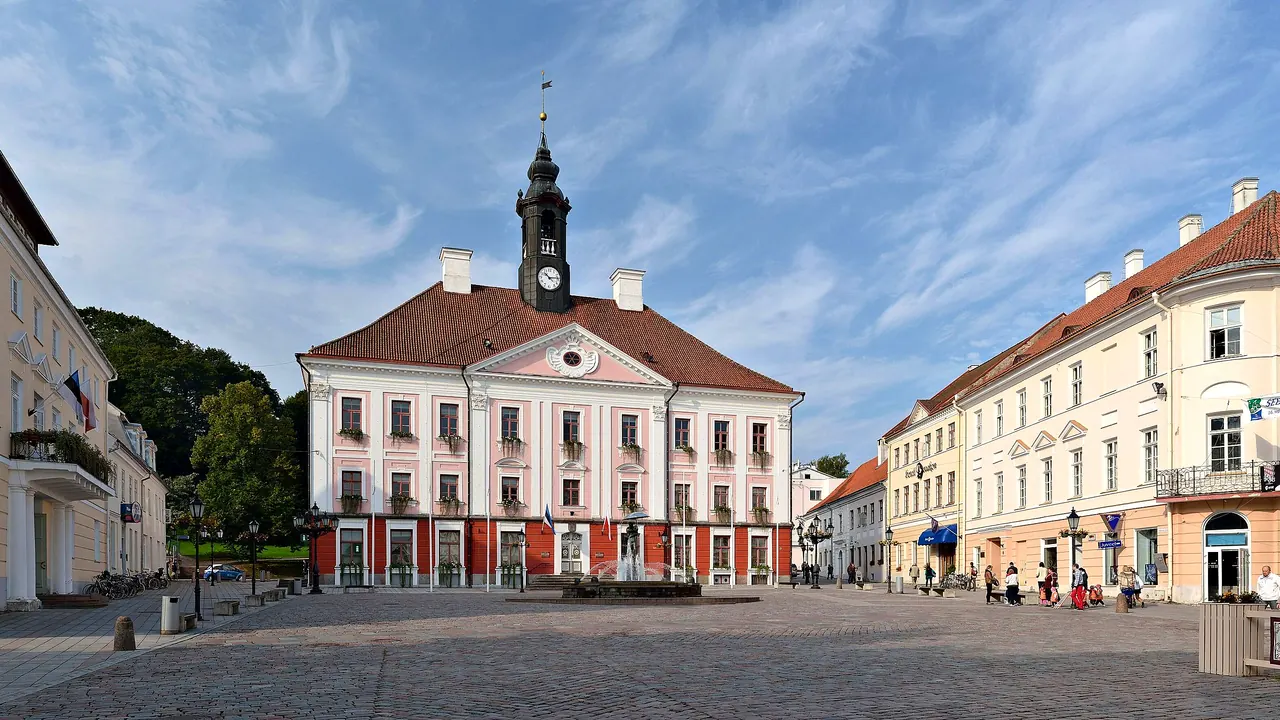
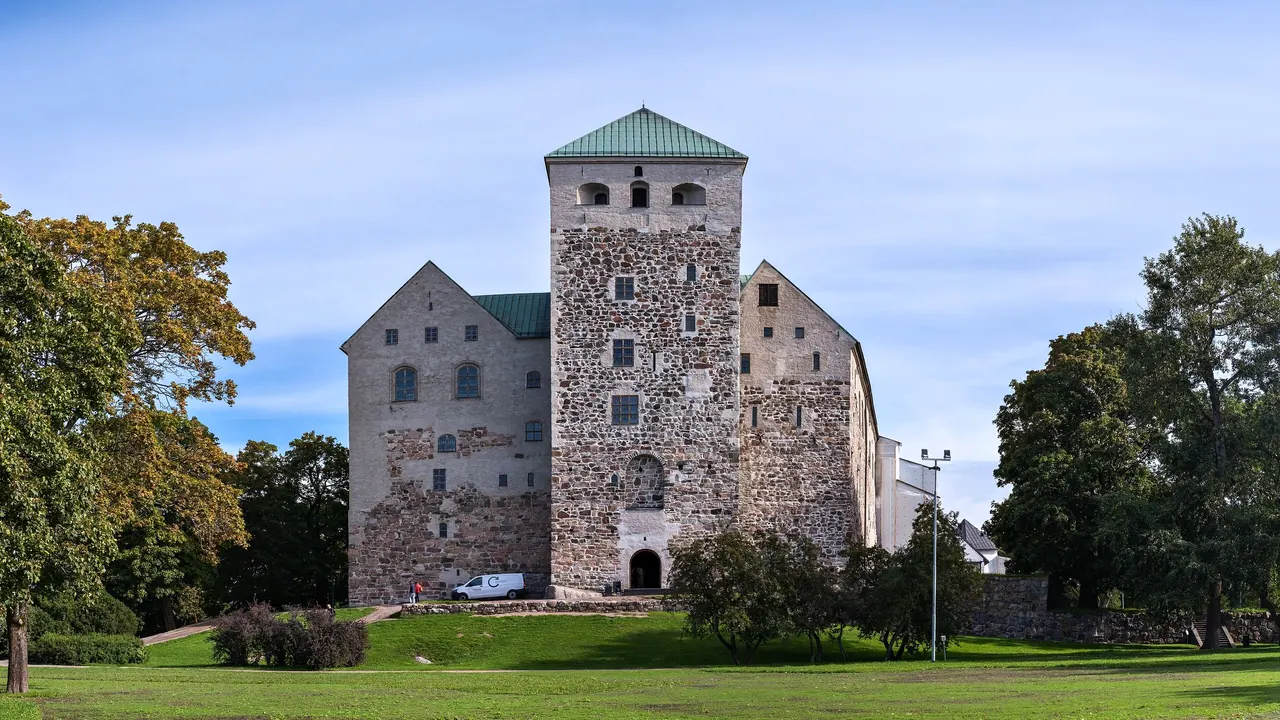
Photos: Tartu by Ivar Leidus, CC BY-SA 3.0 EE, cropped; Turku by Christian David, CC BY-SA 4.0, cropped.
Tartu or Turku?
Our verdict in twelve categories, each scored against the same fixed benchmark cities, and the climate month by month, so you can choose for your trip.
Choose Tartu for
- prices
- getting around
Tartu suits a traveller who wants a small, affordable university town that is easy to walk and can be seen properly in a couple of days. You can add a drive to the Old Believer villages on Lake Peipus or a smoke sauna in Võromaa. Day to day it costs noticeably less than Turku, and its flat centre, electric bike-share and quiet streets make a short stay very easy.
Choose Turku for
- wellness
- families
- nature and the outdoors
Choose Turku if you want the sea in your trip. The Archipelago Sea begins at the edge of town and offers island-hopping, kayaking and cycling that inland Tartu has nothing to match. Moomin World at Naantali makes it the better summer choice with young children, and its public saunas by the water and nearby spa towns give a slow trip more to enjoy. In return, expect Nordic prices, especially in the evening.
Scoreboard
Twelve categories on one fixed scale from 0 to 100. The shaded stretch is the gap between the two.
Your match
Pick a travel style or drag the sliders, and both match scores follow your weighting.
Wins on prices and getting around with your weighting.
Wins on wellness and families with your weighting.
What matters to you?
Category by category
What the scores mean for a trip.
Beaches & swimming
Neither city is a beach destination, but Turku's swimming is easier to reach. Saaronniemi, at the tip of Ruissalo, is a proper sandy beach backed by pines and a short bus ride away. Out in the archipelago you can also swim from granite rocks and jetties, usually with a sauna nearby.
Tartu's swimming is in rivers and lakes. Anne Kanal is a sandy spot in town and Pühajärve is at Otepää. The best water is Lake Peipus, where the shallow lake can warm to about the same as Turku's sea, but its beaches below sandstone cliffs near Kallaste need a car.
Food & drink
The two are much alike as places to eat: pleasant, seasonal and limited in range. The difference is where the flavour comes from. Turku cooks from the sea, with Baltic herring, cured fish and sweet archipelago bread. Its 1896 market hall is the place to start, and in summer people eat on the boats moored along the Aura.
Tartu's cooking is more about forest and field, with rye bread, mushrooms, game and berries, plus a long brewing history. The most memorable food is out of town, where roadside stalls on the Peipus shore sell smoked fish and onions.
Culture & sights
Both take about two days, and the history they show is different. Turku's is medieval and national: a cathedral from around 1300 that is Finland's mother church, and a castle at the river mouth. Luostarinmäki is the one wooden district that survived the fire of 1827.
Tartu looks like a nineteenth-century university town, with its neoclassical main building and the cathedral ruins among the trees on Toome Hill. Its strongest single sight is modern: the Estonian National Museum, which tells the whole country's story.
Nightlife
Students drive the nightlife in both, and neither is worth choosing for clubbing. They peak at different times of year. Tartu is liveliest in term time, when pubs and cider bars around Rüütli street can be busy even midweek, and it goes quiet in summer when students leave.
Turku comes alive in summer, on riverside terraces and the old boats on the Aura. Its late Finnish closing times favour weekends, while winter weeknights are subdued.
Nature & outdoors
Turku has the more striking landscape. Thousands of granite islands begin at the city's edge, and you can cycle the Archipelago Trail over several days, kayak between islands or take ferries out to the national park. Closer to town, Ruissalo has old oak forest.
Tartu's surroundings are gentler: river meadows, the sandstone cliffs of the Ahja at Taevaskoja, and the bogs of Soomaa further away. Its advantage is winter, when the cross-country ski trails at Otepää are a real reason to come.
Day trips
Each has its capital about two hours away by train. Turku has more good trips close by that are easy on public transport. Naantali's wooden spa town is twenty minutes away by bus, and the UNESCO-listed painted houses of Old Rauma are reachable by bus.
Tartu's outings are quieter and more rural. Viljandi's castle ruins, the Old Believer villages along Peipus and the white manor at Alatskivi are all worth seeing, but most need a hire car.
Good for families
Turku is the better choice for families, as long as you go in summer. Moomin World at Naantali is a highlight young children will remember, and Forum Marinum's ships and the animals at Kurala add more days out.
Tartu's main attraction is the AHHAA science centre, a full day indoors, with a toy museum and the national museum's hands-on displays as extras. That covers two or three days, and there is no zoo or theme park.
Getting around
Within the centre, Tartu is slightly easier. It is smaller and flat, the old town and riverbanks are minutes apart, and electric bike-share reaches the national museum and the beach. For the countryside beyond, though, you really need a car.
Turku's centre is also walkable along both banks of the Aura, and the free Föri ferry saves walking to the next bridge. Its single bus network gets you to Ruissalo and Naantali without a car, which Tartu cannot match for its own outings.
Shopping & style
Neither city is a shopping destination, but Turku gives a visitor a little more to look at. Wool and wooden goods are made in the old workshops at Luostarinmäki, a few shops sell Finnish glass and ceramics, and the market hall stalls are worth browsing.
Tartu covers everyday needs, with a handful of boutiques selling Estonian linen, woollens and ceramics, and honey and berries at the market. Neither has much fashion or luxury.
Affordability
Tartu is the cheaper of the two by a clear margin. Rooms, student cafés, lunch menus, buses and bikes all cost little, although a good dinner or a round of drinks costs about what it would in Western Europe.
In Turku, prices are Nordic in the evening, and alcohol is especially expensive. The weekday lunch buffet, the free ferry and self-catering from the market hall help keep costs down, but a stay will still cost more than in Tartu.
Live music & performing arts
Both have more on stage than their size suggests, and the offer is broadly similar. Tartu's strength is the Vanemuine, with opera, ballet and musicals through the season, plus the choral tradition of the city that hosted the first Estonian Song Festival in 1869.
Turku has Finland's oldest orchestra and its oldest working theatre building, but its best moments are in summer. The Turku Music Festival holds concerts in the cathedral and castle, and Ruisrock brings a big rock weekend to Ruissalo.
Wellness & relaxation
Turku makes rest easier. Public saunas by the water and in the swimming halls are open to visitors, and in winter you can plunge into the sea or a hole cut in the ice. Naantali and Ruissalo add proper spa hotels.
Tartu has a water centre and a few hotel spas. Its standout experience is the farm smoke sauna in Võromaa, an hour south, an old tradition worth the trip but not something you can drop into on an ordinary evening.
When should you go?
Pick your month. The climate figures are measured averages, not a forecast.
Tartu in July
Turku in July
Daytime high, °C
Rainfall in the month, mm
Temperature and rainfall are climate normals, averaged over the years shown. Tartu: 1991-2020 normals, Tartu (8.9 km from centre). Turku: 1991-2020 (sunshine 1961-1990) normals, Turku (7.2 km from centre).
Both cities follow the same northern rhythm. Summer is short and mild, daytime highs stay below freezing in January and February, and December hovers around freezing, with very short days and snow or ice that slow walking. June to August is the time for both. Tartu is slightly warmer, at about 23°C in July, but June and August are its wettest months, with June reaching 87mm. July is the sunniest month there.
Turku is a degree cooler in midsummer, at about 22°C. The Baltic only warms to around 17°C in August, so swimming is for the warmest days. Its rain falls more in autumn, peaking in October at 79mm, so early autumn is greyer by the coast than inland. May and September are good for walking in either city, though in Turku the sea is still too cold for swimming in May.
Which traveller are you?
On a tight budget, Tartu is the clear choice. Central guesthouses are reasonably priced, student cafés and lunch menus keep daytime eating cheap, and the centre is small enough to walk. In Turku, dinners and drinks are expensive, even after a good-value lunch buffet.
On a family trip with young children, Turku has more to offer in summer. Moomin World is twenty minutes away at Naantali, Forum Marinum has ships to climb on, and Ruissalo has a shallow beach. Tartu's AHHAA science centre is excellent but fills only a day or two.
For a relaxing and wellness trip, Turku makes the sauna easier to enjoy. There are public saunas by the water, plunges into the sea or an ice hole in winter, and Naantali's long spa tradition is nearby. Tartu's best sauna experiences are farm smoke saunas an hour away in Võromaa.
Before you go
| Measure | Tartu | Turku |
|---|---|---|
| Official language | Estonian | Finnish, Swedish |
| Currency | Euro (EUR) | Euro (EUR) |
| Sockets | CF230 V, 50 Hz | CF230 V, 50 Hz |
| Driving side | Right | Right |
| Time zone | UTC+2, UTC+3 in summer | UTC+2, UTC+3 in summer |
| Emergency number | 112 | 112 |
| Elevation | 79 m | 0 m |
| Main airport | Tartu Airport (TAY)8 km from centre1 non-stop destination | Turku Airport (TKU)7 km from centre8 non-stop destinations |
| Public holidays this year | 12 days | 15 days |
By the numbers
| Measure | Tartu | Turku |
|---|---|---|
| City population | 97,759 | 209,633 |
| People per km² | 2,507 | 854 |
| Museums within 10 km | 4 | 27 |
| UNESCO World Heritage sites within 50 km | 1 | 0 |
| Swim season, months above 21 °C | - | None |
Where else could you go?
Every comparison below shares a destination with this one, so you can follow Tartu or Turku somewhere new.