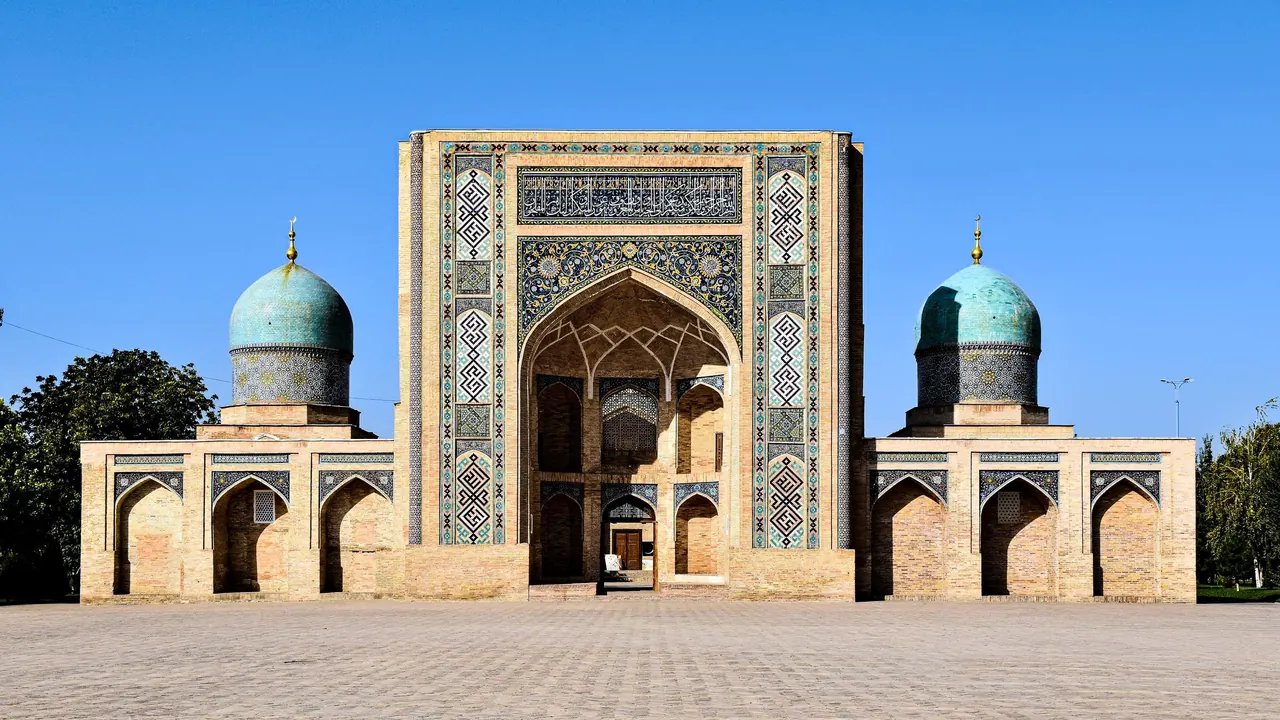
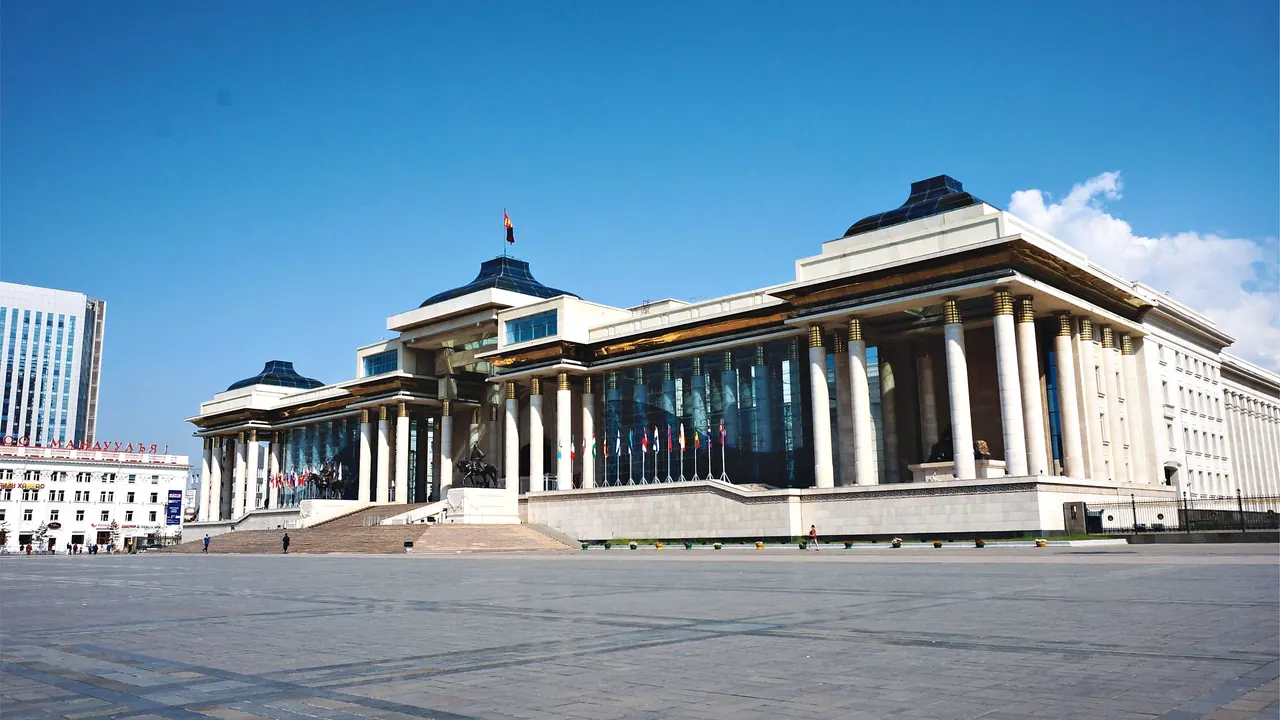
Photos: Tashkent by AXP Photography, Pexels License; Ulaanbaatar by MBVisign, Pexels License.
Tashkent or Ulaanbaatar?
Our verdict in twelve categories, each scored against the same fixed benchmark cities, and the climate month by month, so you can choose for your trip.
Choose Tashkent for
- getting around
- day trips
- food and drink
Tashkent suits a traveller who wants an easy, inexpensive base with real food culture: plov at midday, bread and spices at Chorsu Bazaar, a metro that reaches the old town, and Samarkand close enough for a day by fast train. It is the gentler choice for families and first-timers to Central Asia, as long as the trip avoids the fierce midsummer heat.
Choose Ulaanbaatar for
- nature and the outdoors
- nightlife
Choose Ulaanbaatar if the city is the doorway rather than the destination. Horse riding in Terelj, wild takhi at Hustai and a night in a ger are what bring people here. Its Buddhist monasteries and throat-singing shows fill a couple of days, and its evenings are livelier than Tashkent's. Expect to rely on drivers, eat simply and plan around a short summer.
Scoreboard
Twelve categories on one fixed scale from 0 to 100. The shaded stretch is the gap between the two.
Your match
Pick a travel style or drag the sliders, and both match scores follow your weighting.
Wins on getting around and day trips with your weighting.
Wins on nature and the outdoors and nightlife with your weighting.
What matters to you?
Category by category
What the scores mean for a trip.
Beaches & swimming
Neither city is a beach destination, but Tashkent at least has somewhere proper to swim. Charvak reservoir is about an hour and a half away in the foothills, with pebbly shores and clear mountain water in July and August, and the city's water parks help in the heat.
Ulaanbaatar has nothing comparable. The Tuul River and the streams around Terelj are shallow and cold, fine for a paddle and little more, so a hotel pool is the only real swim.
Food & drink
Tashkent eats much better. Plov cooked in huge cauldrons at midday, tandir samsa, hand-pulled lagman and the bread and spice halls of Chorsu Bazaar make food one of the pleasures of a visit, and on tea-house platforms lunch can last all afternoon.
Ulaanbaatar's buuz, khuushuur and salty milk tea are filling herders' food rather than a reason to come, though the capital's Korean barbecue and Russian places add some variety. Both cooking traditions lean heavily on mutton, and vegetarians will struggle in either city.
Culture & sights
Each capital gives two or three days of sightseeing around a Soviet-built core, but the heritage is different in kind. Tashkent's is Islamic: the Hazrat Imam complex with its ancient Quran, the Kukeldash Madrasa and the carved rooms of the Museum of Applied Arts. Its chandeliered metro is a sight in its own right.
Ulaanbaatar's heritage is Buddhist and still in use at Gandan Monastery, where monks chant beneath the towering standing Buddha. Around it are the Choijin Lama Temple, the Winter Palace of the Bogd Khan and the gilded bronzes of the Zanabazar Fine Arts Museum.
Nightlife
Ulaanbaatar is the livelier of the two after dark. Around Sukhbaatar Square and Seoul Street, a young crowd fills pubs, karaoke rooms and a few large clubs that play hip-hop until late at weekends, and vodka sets the pace.
Tashkent's evenings are quieter: beer gardens, lounge bars and long dinners with friends, with most places closing around midnight. In both cities summer is the best time to go out, and in neither is the nightlife a reason to travel.
Nature & outdoors
This is where Ulaanbaatar pulls ahead, and for many visitors it is the point of the trip. You can hike Bogd Khan Uul's larch forest straight from the southern suburbs. Terelj and Hustai offer horse riding across open steppe and the chance to see takhi, gazelle and marmots, though only in the green summer months.
For Tashkent the outdoors starts further out, in the Chimgan range and Ugam-Chatkal National Park above Charvak. There are ridge hikes and paragliding in summer and skiing at Chimgan and Amirsoy in winter. The city itself is a hot plain of parks and avenues.
Day trips
Tashkent has by far the better day out: Samarkand, with the Registan and the Shah-i-Zinda, is just over two hours away by high-speed train. Beyond that, the outings are to the mountains and Charvak.
From Ulaanbaatar the outings are to landscape and people rather than towns: the steel Chinggis Khaan statue at Tsonjin Boldog, the ruined Manzushir Monastery and visits to herding families. Kharkhorin, the country's great historic site, needs an overnight stay and a hired driver.
Good for families
Tashkent is the easier city with children. A zoo, amusement parks, water parks and big evening parks keep them busy, and cheap taxis and the metro save small legs. Summer heat above 35°C makes spring and autumn the better choice.
In Ulaanbaatar the dinosaur museum with its Gobi fossils is the highlight in town, and the real fun lies outside it: sleeping in a ger, riding gentle horses and spotting marmots. Broken pavements, stressful road crossings and smoky winter air make the city itself hard work.
Getting around
Tashkent is much simpler to get around. Its long Soviet blocks are tiring on foot, but the metro is frequent and stops near the old town and the main squares, and app taxis cheaply cover the rest.
Ulaanbaatar has no metro or tram, its buses are crowded and labelled in Cyrillic, and traffic on its few east-west roads is severe. The compact centre is walkable and taxis reach Gandan and Zaisan, but any trip into the countryside means booking a driver or a tour.
Shopping & style
Both cities reward a souvenir hunt more than a fashion one, and both are thin on designers and luxury. In Tashkent the draw is craft: suzani embroidery, ikat silk and Rishtan ceramics around Chorsu Bazaar, though much of it costs less in Samarkand or Bukhara.
Ulaanbaatar's draw is cashmere, sold in factory outlets and the long-established State Department Store, along with felt goods, deel robes and horse-head fiddles. Narantuul market is rougher and more sprawling than Chorsu, so watch your pockets there.
Affordability
Both are inexpensive, but your money goes further in Tashkent. Meals, metro rides, taxis and even opera tickets cost very little, and only the international business hotels are expensive.
Ulaanbaatar's canteens and museums are cheap too, but its Western-style restaurants and central hotels cost more, and summer is the expensive season. The driver and guide you need for the countryside can cost more than the rest of the trip.
Live music & performing arts
Each city has a grand opera and ballet house where tickets are easy to get: the Alisher Navoi Theatre in Tashkent, and the salmon-pink State Academic Theatre on Sukhbaatar Square. The difference lies in what else is on. Tashkent adds conservatory and philharmonic concerts, drama in Russian and Uzbek, and maqom singing.
Ulaanbaatar's unmissable evening is the traditional show of khoomei throat singing, horse-head fiddle, tsam dance and contortionists, which runs most summer nights. Naadam in July brings ceremony and music to the city.
Wellness & relaxation
Neither is a spa destination, but Tashkent is the more restful city. Shaded tea-house platforms, the Botanical Garden and neighbourhood bathhouses in the hammam tradition slow the day down, and the mountain sanatoria around Chimgan are within reach.
Ulaanbaatar is tiring, with its traffic, noise and smoky winter air, and the country's hot springs are a long drive away. There, rest means a night at a ger camp in Terelj, with silence, wide skies and a wood stove.
When should you go?
Pick your month. The climate figures are measured averages, not a forecast.
Tashkent in July
Ulaanbaatar in July
Daytime high, °C
Rainfall in the month, mm
Temperature and rainfall are climate normals, averaged over the years shown. Tashkent: 1991-2020 normals, Tashkent (5.1 km from centre). Ulaanbaatar: 1991-2020 normals, Ulaan-Baator (2.9 km from centre).
Tashkent is at its best in spring and autumn. April and October reach about 22°C, which is ideal for walking, and in spring the foothills turn green. Most of the rain falls between November and April. From June to August the city is dry, very sunny and hot, with July highs near 36°C. That is too hot for long walks in the streets, but it is the season for swimming at Charvak.
Ulaanbaatar's year runs the other way. Its winter is brutal, with January highs around -16°C, although those months are dry and bright. The short green season from June to early September is the time to go, with July highs near 26°C. Summer is also the wettest part of the year, with about 71mm in July. Tashkent suits spring and autumn, and Ulaanbaatar suits exactly the months when Tashkent is at its hottest.
Which traveller are you?
On an outdoors trip, Ulaanbaatar is the stronger base. Tashkent offers ridge hikes and skiing in the Chimgan range, but Ulaanbaatar has Bogd Khan Uul's larch forest rising from its suburbs, open steppe for riding at Terelj and wild takhi at Hustai.
On a family trip with young children, Tashkent is easier: a city stay built on short metro hops and cheap taxis, best in spring or autumn. Ulaanbaatar's fun lies out on the steppe, which means hired drivers and summer ger nights.
For a short city break, Tashkent works better: its old-town madrasas, the Museum of Applied Arts and the opera all lie within the city. Ulaanbaatar's monasteries fill a day or two, but its real reward, the open steppe, needs a hired driver.
Before you go
| Measure | Tashkent | Ulaanbaatar |
|---|---|---|
| Official language | Uzbek | Mongolian |
| Currency | Uzbekistan Sum (UZS) | Tugrik (MNT) |
| Sockets | CFI220 V, 50 Hz | CE220 V, 50 Hz |
| Driving side | Right | Right |
| Time zone | UTC+5 | UTC+8 |
| Emergency number | 112 | 105 |
| Elevation | 455 m | 1,350 m |
| Main airport | Tashkent International Airport (TAS)6 km from centre112 non-stop destinations | Ulaanbaatar Chinggis Khaan International Airport (UBN)31 km from centre38 non-stop destinations |
| Public holidays this year | - | 10 days |
By the numbers
| Measure | Tashkent | Ulaanbaatar |
|---|---|---|
| City population | 2,956,384 | 1,396,288 |
| People per km² | 8,830 | 297 |
| Museums within 10 km | 27 | 19 |
| UNESCO World Heritage sites within 50 km | 1 | 0 |
Where else could you go?
Every comparison below shares a destination with this one, so you can follow Tashkent or Ulaanbaatar somewhere new.
- Samarkandvs Tashkent
- Bukharavs Tashkent
- Almatyvs Tashkent
- Khivavs Tashkent
- Beijingvs Ulaanbaatar
- Seoulvs Ulaanbaatar