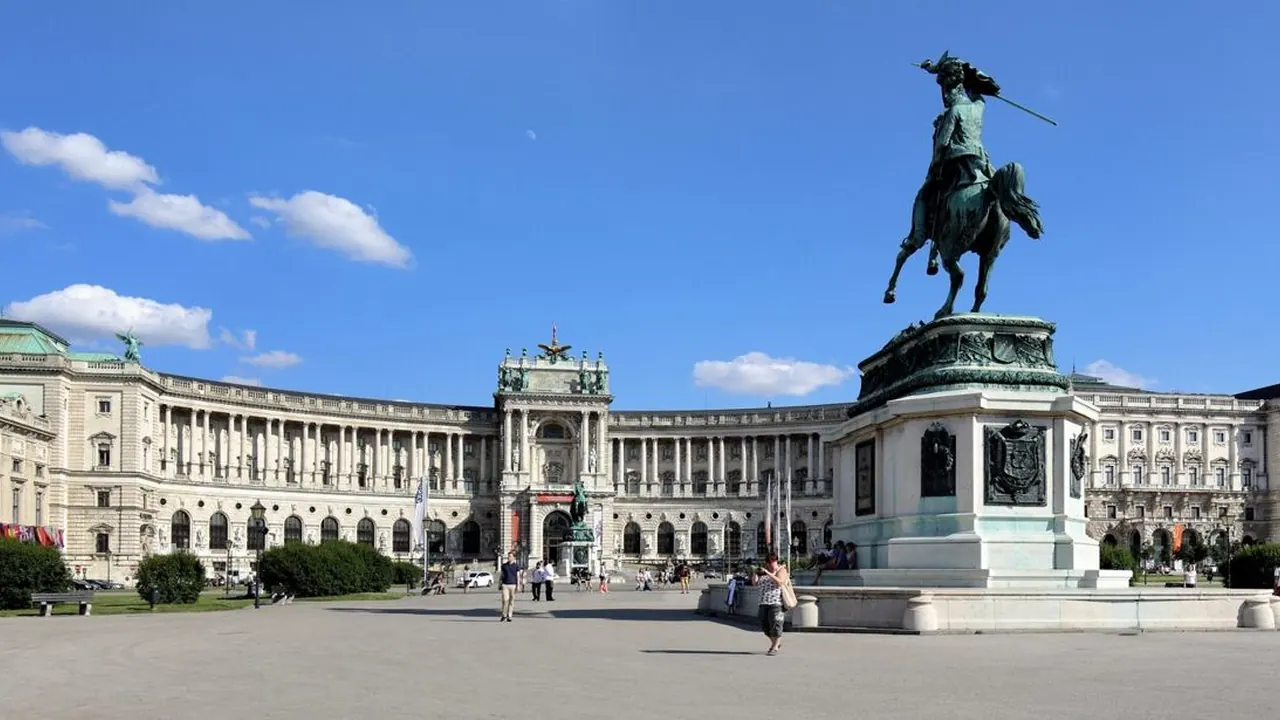
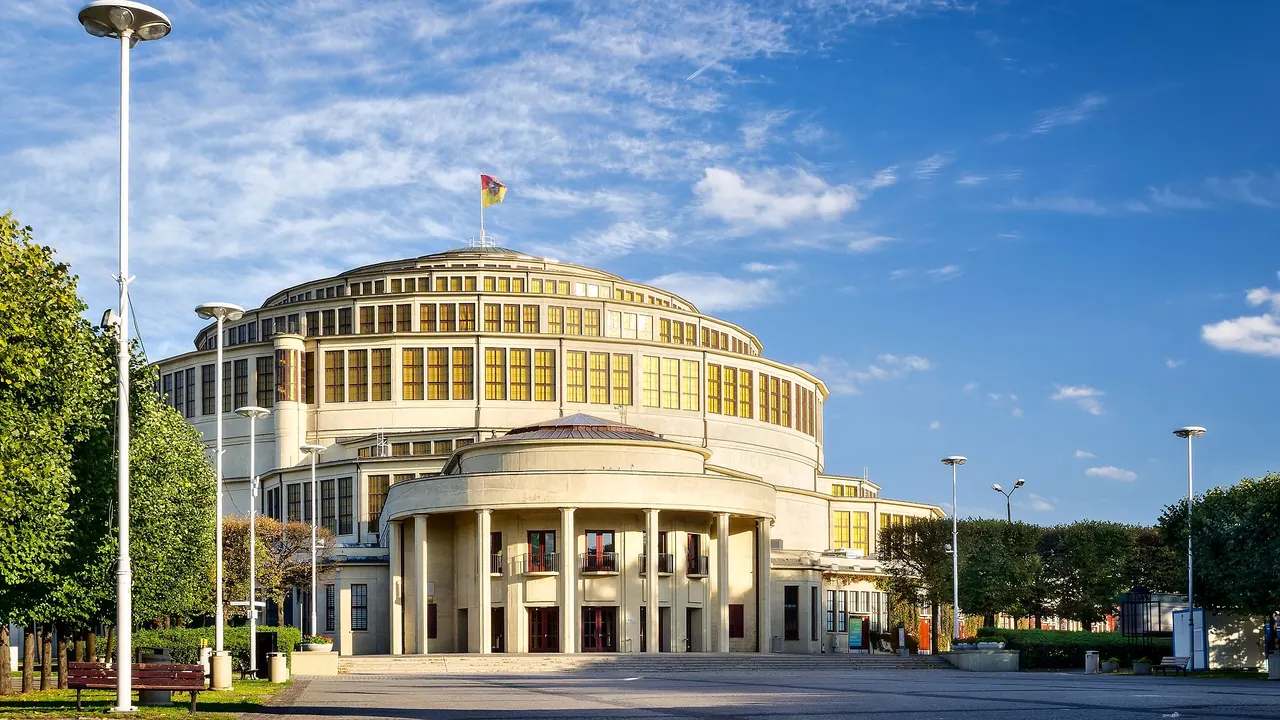
Photos: Vienna by C.Stadler/Bwag, CC BY-SA 3.0 AT, cropped; Wroclaw by Jar.ciurus, CC BY-SA 3.0 PL, cropped.
Vienna or Wroclaw?
Our verdict in twelve categories, each scored against the same fixed benchmark cities, and the climate month by month, so you can choose for your trip.
Choose Vienna for
- live music and the arts
- wellness
- culture and sights
Choose Vienna for a trip built around music, art and imperial architecture. Its opera houses, concert halls and great museums go far deeper than anything Wroclaw has, and the transport makes it easy to see a lot in a few days. Families get more to do here, and so does anyone who wants slow coffee-house afternoons, thermal baths or a summer swim in the Danube.
Choose Wroclaw for
- prices
- nightlife
Wroclaw suits a traveller watching the budget who still wants a handsome old centre to wander. Rooms and meals cost much less, and the student bars in the cellars around the Market Square give livelier nights out than Vienna's. With a car, the castles and abbeys of Lower Silesia make good extra days. It is a compact, easy-going city, better for a few relaxed days than for a long cultural programme.
Scoreboard
Twelve categories on one fixed scale from 0 to 100. The shaded stretch is the gap between the two.
Your match
Pick a travel style or drag the sliders, and both match scores follow your weighting.
Wins on live music and the arts and wellness with your weighting.
Wins on prices and nightlife with your weighting.
What matters to you?
Category by category
What the scores mean for a trip.
Beaches & swimming
Neither city is a beach destination, but Vienna has real summer swimming. The Danube Island has about 20km of free bathing spots, the calmer and warmer Alte Donau is lined with old lidos, and both are a U-Bahn ride from the centre. The Neusiedler See is there for a day at the lake.
Wroclaw's sandy beaches on the Oder are for deckchairs and a drink rather than swimming. To get into the water there you need an outdoor pool or a trip out to a lake in the countryside.
Food & drink
Vienna has a cuisine of its own and eats better overall. Schnitzel, Tafelspitz and the pastries of the grand coffee houses are worth the trip, and the Heuriger taverns pour wine grown inside the city.
Wroclaw's pierogi, żurek in a bread bowl and milk-bar lunches are hearty and honest. Its cellar brewpubs and craft beer taps are a better pub crawl than Vienna offers. Overall, though, it is good food on a trip rather than a reason to go.
Culture & sights
Vienna's imperial past is on a different scale. The Hofburg, Schönbrunn, St Stephen's and the Ringstrasse are joined by museums holding Bruegel, Klimt and Schiele, and Jugendstil buildings add a second great period. A week barely covers it.
Wroclaw is smaller and more intimate. The Market Square with its Gothic town hall, the brick churches of Ostrów Tumski and the Centennial Hall fill two or three good days. Its story of rebuilding after the war gives it a layered character that Vienna does not have.
Nightlife
Wroclaw is the livelier night out of the two, thanks to its students. Bars are packed into the cellars and courtyards around the Market Square, especially the passage off Ruska Street, so it is easy to drift from one to the next. Weekend nights run well past 2am, although things go quiet between university terms.
Vienna's evenings are slower. You might drink under the Gürtel railway arches, in the Bermuda Triangle or in a deckchair by the Danube Canal, or spend the night over wine at a Heuriger. The one thing Wroclaw cannot match is Vienna's winter ball season.
Nature & outdoors
Vienna has easier access to green country. The Vienna Woods and the vineyard trails up the Kahlenberg start at the city's edge, and the wild floodplain forest of the Donau-Auen is close by. The Alpine plateaus of the Rax and Schneeberg are about 90 minutes away.
Wroclaw sits on flat ground. Inside the city there are the river islands, Szczytnicki Park and kayaking on the Oder. Ślęża and the Sudetes need a drive, but the Table Mountains and the Karkonosze give fine hiking days and skiing in winter.
Day trips
Vienna's central position pays off. Bratislava is an hour away by train or boat, the Wachau valley with Melk and Dürnstein is a classic outing, and Baden, Klosterneuburg and Brno are all easy to reach by rail.
Wroclaw's day trips go into rural Lower Silesia: Książ castle above its gorge, the wooden Churches of Peace and Krzeszów abbey. They are rewarding, but you really need a car to combine several in a day.
Good for families
Vienna gives children more to do. There is Schönbrunn Zoo in the palace grounds, the Ferris wheel and rides at the Prater, an aquarium inside a wartime flak tower, and several hands-on museums for wet days. In summer you can add swimming in the Danube.
Wroclaw is easy and safe, and hunting for the bronze dwarfs and walking through the zoo's Afrykarium shark tunnel are real hits. After those and the water science centre, though, the list runs short.
Getting around
Vienna is the easier city to get around. The U-Bahn, trams and buses all run on one ticket, the U-Bahn runs through the night at weekends, and the network reaches everything from Schönbrunn to the vineyard villages, so you never need a car.
Wroclaw's centre is compact and easy to walk. Beyond it the trams are slower and the network takes some learning, and trips to the castles or mountains push you towards hiring a car.
Shopping & style
Vienna has much more range for shoppers. Luxury houses line the Kohlmarkt and Graben, locals buy everyday fashion on Mariahilfer Strasse, and Neubau has independent designers. Augarten porcelain, crystal and Loden make gifts with real history behind them.
Wroclaw is mostly malls and practical shopping. The Renoma building is worth seeing for its ceramic facade, and Bolesławiec stoneware and amber make good souvenirs, but there is no luxury street.
Affordability
In Vienna a full day of sightseeing adds up quickly. Two of the big palaces or museums at full admission, a sit-down dinner and a central room make a noticeable dent in the budget, and rooms climb further in the ball season and the Christmas market weeks. The savings come from the transport passes and the opera's standing places rather than from everyday costs.
Wroclaw turns that around. A comfortable central room, a filling lunch, an evening of beer and entry to the main sights together cost a fraction of the Viennese equivalent, so you rarely have to choose between one sight and another. The one place to watch is the Market Square itself, where the terraces and big hotels charge for the view.
Live music & performing arts
This is Vienna's greatest strength. The State Opera stages a different work most nights, the Vienna Philharmonic plays in the Golden Hall of the Musikverein, and the Konzerthaus, Volksoper and Burgtheater fill the rest of the week. It is the city of Mozart, Beethoven and Schubert, and their music is played every night.
Wroclaw has a respectable scene for its size. It has the National Forum of Music, its opera house, and festivals such as Wratislavia Cantans and Jazz on the Oder. Its theatre is strong, but almost all of it is in Polish.
Wellness & relaxation
Vienna makes rest easier to find. In the city there are the thermal pools of Therme Wien and the tiled Art Deco Amalienbad, Baden's sulphur springs are half an hour away, and long coffee-house afternoons are part of ordinary life.
Wroclaw has no bathing tradition of its own. Relaxing in town means a hotel spa, the aquapark or a slow hour on the islands. For proper spa towns, the pump rooms of Szczawno-Zdrój are about an hour away.
When should you go?
Pick your month. The climate figures are measured averages, not a forecast.
Vienna in July
Wroclaw in July
Daytime high, °C
Rainfall in the month, mm
Temperature and rainfall are climate normals, averaged over the years shown. Vienna: 1991-2020 normals, Wien / Hohe Warte (4.7 km from centre). Wroclaw: 1991-2020 (rainfall 1961-1990) normals, Wroclaw Copernicus Airport (10.5 km from centre).
Both cities have the same continental pattern: cold, grey winters with January highs of about 3°C and warm summers. Vienna runs about a degree warmer, reaching 27°C in July and August. June to early September is the time for swimming at the Danube Island and the Alte Donau. Summer is also when both cities get most of their rain, so plan for the odd wet afternoon from May to August.
For walking the streets, late spring and early autumn are the best times, with highs around 20°C in May and September and long sunny days in May. Wroclaw is the drier of the two from January to April. It stays drier in September too, at about 41mm against Vienna's 64mm, which makes early autumn a particularly good time to go there.
Which traveller are you?
On a culture and arts trip, Vienna is the clear choice. Most evenings can be spent at the State Opera or the Musikverein. By day there are the Kunsthistorisches Museum, the Belvedere and the Hofburg, more than Wroclaw's fine square and museums can offer.
On a trip on a tight budget, Wroclaw is the better pick. In Vienna a careful spender ends up seeing the palaces mostly from their gardens. In Wroclaw the same money covers the Racławice Panorama, a concert at the National Forum of Music and nights in the Ruska Street bars.
For a relaxing and wellness trip, Vienna is the better base. A day can begin in warm thermal pools and a sauna, continue with a stroll through Schönbrunn's gardens and end among the vines at a Heuriger. In Wroclaw, taking the waters means a drive south to Polanica or Kudowa.
Before you go
| Measure | Vienna | Wroclaw |
|---|---|---|
| Official language | German, Austrian Sign Language | Polish |
| Currency | Euro (EUR) | Zloty (PLN) |
| Sockets | CF230 V, 50 Hz | CE50 Hz |
| Driving side | Right | Right |
| Time zone | UTC+1, UTC+2 in summer | UTC+1, UTC+2 in summer |
| Emergency number | 112 | 112 |
| Elevation | 151 m | 111 m |
| Main airport | Vienna International Airport (VIE)18 km from centre202 non-stop destinations | Copernicus Wrocław Airport (WRO)11 km from centre84 non-stop destinations |
| Public holidays this year | 16 days | 14 days |
By the numbers
| Measure | Vienna | Wroclaw |
|---|---|---|
| City population | 2,028,289 | 673,531 |
| People per km² | 4,890 | 2,299 |
| Museums within 10 km | 152 | 42 |
| UNESCO World Heritage sites within 50 km | 4 | 2 |
Where else could you go?
Every comparison below shares a destination with this one, so you can follow Vienna or Wroclaw somewhere new.