Argentina
Patagonia
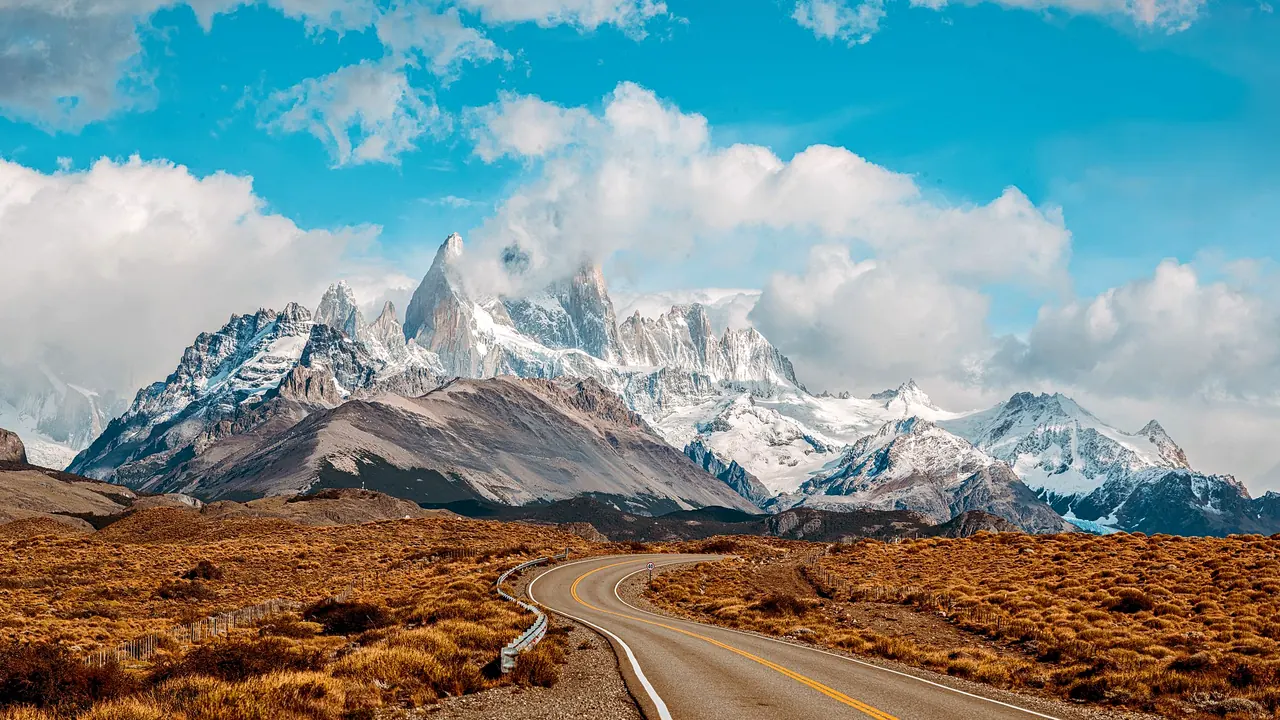
The road to El Chalten below the Fitz Roy massif
- Nature & outdoors97
- Families55
- Food & drink48
Photo: Ema Reynares, Pexels License
Match
41
Every category weighted equally
- Beach & sun43
- Culture & arts35
- Food & nightlife34
- Family trip45
- Outdoors49
- Relax & unwind45
- Shopping & style36
- On a budget41
Patagonia in twelve categories
Our verdict on each, scored 0 to 100 against the same fixed benchmark cities, so a score means the same thing on every page.
Beaches & swimming. Scores 28 out of 100.
Food & drink. Scores 48 out of 100.
Culture & sights. Scores 30 out of 100.
Nightlife. Scores 32 out of 100.
Nature & outdoors. Scores 97 out of 100.
Day trips. Scores 38 out of 100.
Good for families. Scores 55 out of 100.
Getting around. Scores 28 out of 100.
Shopping & style. Scores 27 out of 100.
Affordability. Scores 42 out of 100.
Live music & performing arts. Scores 14 out of 100.
Wellness & relaxation. Scores 48 out of 100.
Patagonia category by category
Beaches & swimming
28Patagonia has a long Atlantic coast and hundreds of lakes, but very little of it invites a swim. The ocean is cold for most of its length, and the glacial lakes of the Andes stay bracing even in January, so a dip at the lake beaches around Bariloche or San Martín de los Andes is a brisk event rather than an afternoon in the water.
The exception is Las Grutas on the Gulf of San Matías, where shallow tidal flats warm the sea to around 22°C in high summer and Argentine families crowd the beach. It sits far from the mountains and glaciers that draw most visitors, so beach life is a side note to a Patagonian trip, not a reason to take one.
Food & drink
48The signature meal is Patagonian lamb, split and roasted slowly over an open fire, and it is worth seeking out at a ranch or a parrilla. Lake and river trout, wild boar and venison appear on Andean menus, while Ushuaia is the place for king crab and the Chubut coast for fresh seafood. Bariloche has the widest choice, with long streets of chocolate makers, a strong craft beer tradition and smoked meats and cheeses from the surrounding valleys.
The Welsh villages of the lower Chubut valley serve elaborate afternoon teas with black cake, and the Neuquén valley produces cool-climate Pinot Noir and Malbec. Beyond these, the towns are small and many menus repeat the same tourist dishes.
Culture & sights
30This is a region of landscape rather than monuments, and its heritage is scattered and small in scale. The most remarkable site is the Cueva de las Manos in Santa Cruz, a canyon wall covered with stencilled hands painted thousands of years ago, though it lies far off the main routes. Patagonia is also dinosaur country: the palaeontology museum in Trelew and the fossil sites and museums around Neuquén show some of the largest creatures ever found.
Elsewhere there are the stone chapels and tea houses of the Welsh settlers in Gaiman and the Chubut valley, the former penal colony turned museum in Ushuaia, and Bariloche's alpine-style civic centre built from local stone and timber.
Nightlife
32Bariloche is the only place with a real night out. Its centre has brewpubs, wine bars and several large clubs that stay open into the early hours in the Argentine way, much of it fuelled by the school-leaver trips that fill the town in winter and spring. Ski season adds an après crowd on the slopes of Cerro Catedral.
Elsewhere evenings are about a long dinner and an early start. El Chaltén and El Calafate have a handful of beer bars full of hikers, Ushuaia a few pubs, and the coastal towns are quiet. Most visitors are here to be on a trail or a boat at dawn.
Nature & outdoors
97Few places on earth match this. From El Chaltén, trails lead to the granite spires of Fitz Roy and Cerro Torre, and from El Calafate boats and walkways approach the Perito Moreno glacier as ice towers collapse into the lake. In the north, the Lakes District around Bariloche and San Martín de los Andes offers forested peaks, clear lakes, kayaking, fly fishing, mountain refuges and skiing in winter.
On the Atlantic side, Península Valdés is one of the great wildlife coasts, with southern right whales close to shore from June to December, elephant seals, sea lions and orcas, and huge penguin colonies at Punta Tombo. Ushuaia adds the Beagle Channel and the forests of Tierra del Fuego. Hiking is best from November to March, when days are long but the wind is relentless.
Day trips
38Most excursions here go into the landscape, and the separate towns worth a day are few and far apart. From Bariloche the choice is best: the lakeside village of Villa La Angostura, the Swiss settlers' hamlet of Colonia Suiza, and El Bolsón, about two hours south, with its hippie craft market and hop farms. San Martín de los Andes along the Seven Lakes Route is better as an overnight.
From Puerto Madryn, Trelew and the Welsh village of Gaiman make a pleasant half day. From El Calafate, El Chaltén is a long journey rather than a day out, and Ushuaia's main outing is to a historic estancia on the Beagle Channel.
Good for families
55Wildlife makes the strongest family trip. Around Puerto Madryn children can watch whales from the shore, snorkel with sea lions and walk among penguins, and Bariloche suits families well, with chocolate shops, lake boat trips, chairlifts to viewpoints, easy forest walks and a ski area with gentle slopes. Ushuaia's old prison train and penguin boat trips also go down well.
The region is safe and Argentine culture welcomes children everywhere, including at late dinners. The difficulties are distance and weather: long bus rides or domestic flights between areas, strong wind and cold even in summer, and few attractions built specifically for children.
Getting around
28Distances are vast. Bariloche, El Calafate, Ushuaia and the Valdés coast are each a domestic flight apart, and travelling overland between them means days on long, empty roads, some of them gravel. Within each area, a single base works: Bariloche has local buses along the lakeshore, and El Calafate and Puerto Madryn run on organised tours and day-trip buses, while the bus from El Calafate to El Chaltén takes about three hours.
A hire car gives the most freedom in the Lakes District, but expect strong crosswinds, little traffic and long gaps between fuel stations. The towns themselves are small and easy to walk.
Shopping & style
27Shopping is modest and practical. Bariloche's main street is lined with chocolate makers selling boxes in the shape of local landmarks, plus wool knitwear and leather goods. El Bolsón's craft fair is the best place for handmade wood, ceramics and woven goods, and Ushuaia has duty-free shops and outdoor gear.
Elsewhere it comes down to souvenirs, sheepskin and mate gourds. Hikers will find good outdoor shops in El Chaltén and El Calafate, but nobody plans a trip here to shop.
Affordability
42Patagonia is the most expensive part of Argentina to visit. Much of the cost comes from distance and from the excursions that are the point of the trip: domestic flights between the main areas, boat trips to the glaciers and whale grounds, national park entry and guided ice treks all add up quickly. Lodges and ranch stays around El Calafate, Ushuaia and the lakes near Bariloche charge international rates.
Independent hikers can keep costs down, since the trails around El Chaltén are free to walk and there are hostels, campsites and simple parrillas in every town. Prices are highest from December to February.
Live music & performing arts
14There is little live culture to plan around. Bariloche has a respected chamber music tradition and hosts classical concerts in the summer season, and the occasional folk night with guitar and chacarera turns up in towns across the region. The Welsh communities of Chubut keep up choral singing and stage an eisteddfod. Most evenings, though, there is nothing scheduled, and visitors spend them over dinner.
Wellness & relaxation
48The restorative side of Patagonia comes mostly from its pace and its silence. Lakeside lodges around Bariloche and Villa La Angostura have good spas with views of the water, and a stay on a working estancia, with long meals, horse rides and almost no signal, is about as far from a city as it gets.
The only real bathing tradition is at Copahue, a high volcanic village in northern Neuquén with thermal pools and mud treatments, open in summer and far from the usual routes. Elsewhere there are a few small hot springs, but no spa culture to build a vacation around.
Where to stay in Patagonia
Patagonia is too large for a single base, and most trips combine two or three areas linked by domestic flights. For a first visit, El Calafate and Bariloche make the clearest pair. El Calafate is a small, practical town by the lake and the base for the Perito Moreno glacier. Boats and organised tours do the work, so it suits travellers without a car. Hikers do better with a few nights in El Chaltén, about three hours north by bus, where the trails towards Fitz Roy begin at the edge of the village and evenings end early.
Bariloche is the best all-round base in the north: lake boats, chairlifts and easy forest walks for families, the widest choice of food, the region's only real nightlife and skiing in winter. A hire car opens up the Lakes District, and San Martín de los Andes or Villa La Angostura suit a quieter stay by the water.
For a second trip, or one built around wildlife, Puerto Madryn on the Atlantic is the base for Península Valdés. Whales come close to shore from June to December, and the town works well for families. Ushuaia, at the far southern tip, is worth two or three nights for Beagle Channel boat trips and the forests of Tierra del Fuego.
When should you go?
Pick a month to see what it is like. The climate figures are measured averages, not a forecast.
Patagonia in July
Daytime high, °C
Rainfall in the month, mm
The whole year
Shaded against this destination’s own year: the deepest cell is its best month for that figure and the palest its weakest.
Temperature and rainfall are climate normals, averaged over the years shown. Patagonia: 1991-2020 normals, Bariloche Aerodrome (12.2 km from centre).
Before you go
| Measure | Patagonia |
|---|---|
| Official language | Spanish |
| Currency | Argentine Peso (ARS) |
| Sockets | CI220 V, 50 Hz |
| Driving side | Left |
| Time zone | UTC-3 |
| Emergency number | 117 or 911 |
| Main airport | Teniente Luis Candelaria International Airport (BRC)17 non-stop destinations |
| Public holidays this year | 16 days |
Compare Patagonia with
Every comparison with a written verdict behind it.