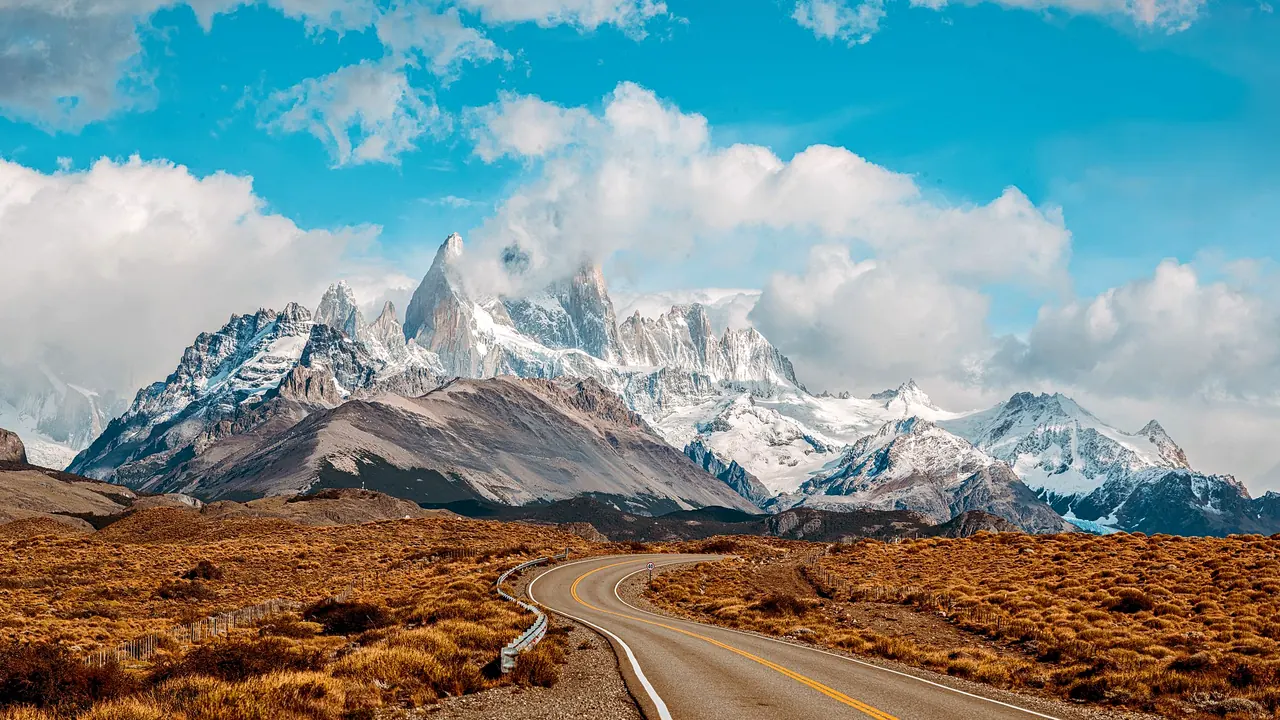
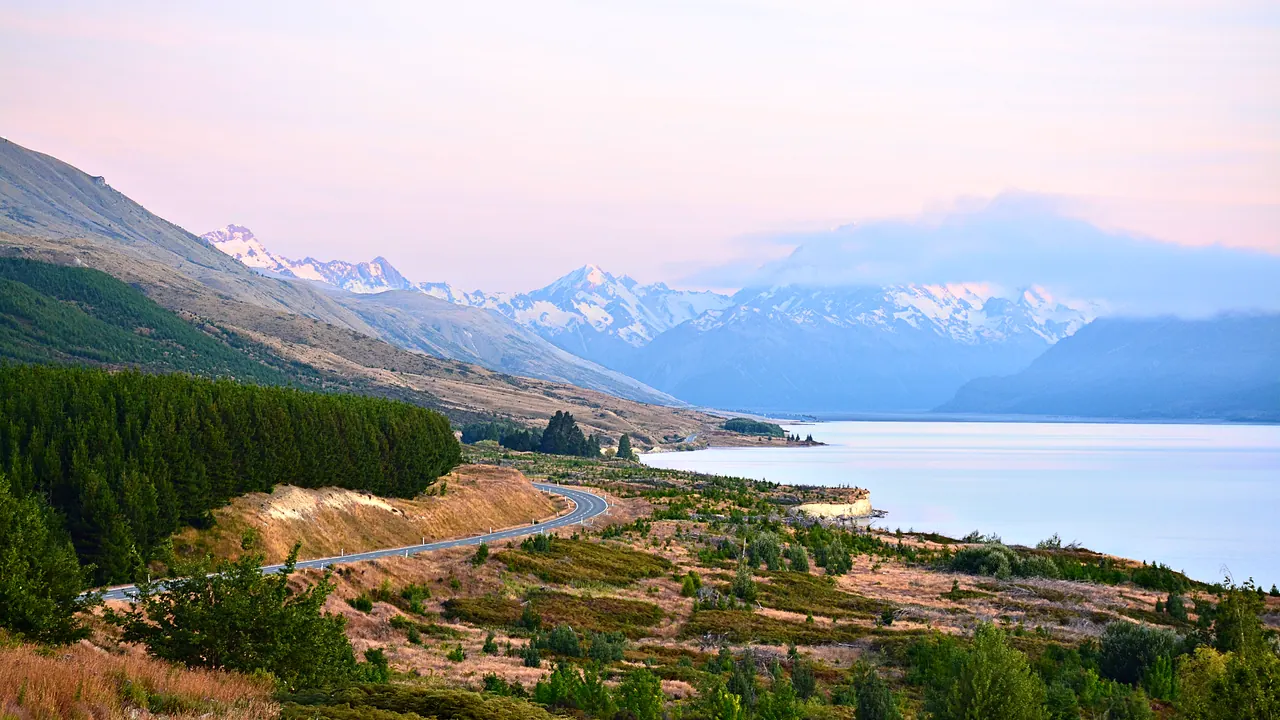
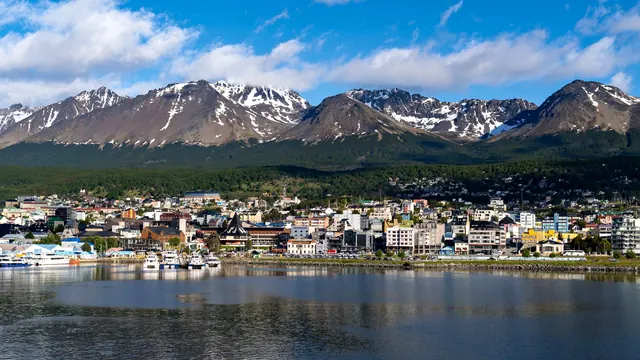
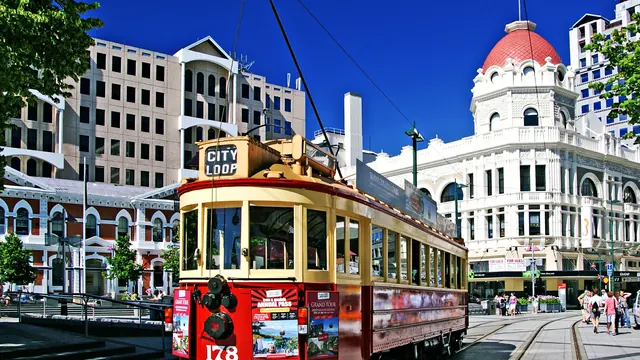
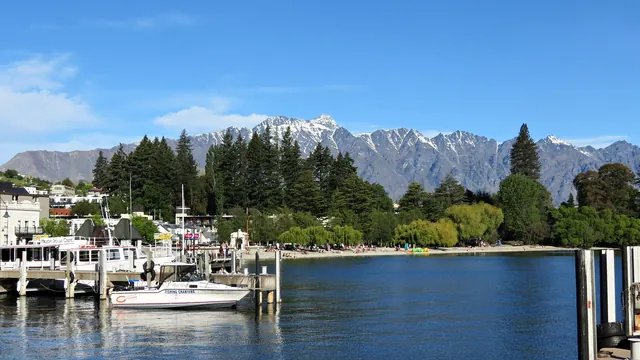
Photos: Patagonia by Ema Reynares, Pexels License; South Island by Mark de Jong, Pexels License.
Patagonia or South Island?
Our verdict in twelve categories, each scored against the same fixed benchmark cities, and the climate month by month, so you can choose for your trip.
Choose Patagonia for
- prices
Patagonia is for travellers who want wilderness on a vast scale and are prepared to fly between its pieces to get it. Fitz Roy and the Perito Moreno glacier in the south, whales and penguin colonies on the Atlantic coast, and the Lakes District around Bariloche are separate trips stitched together. In return you get wildlife and emptiness on a scale few places match, an Argentine table of fire-roasted lamb, and a trip that costs a little less once you are there, especially if you hike independently and stay in hostels.
Choose South Island for
- beaches
- day trips
- live music and the arts
The South Island suits a traveller who wants the same calibre of mountains and fiords on one connected road, with more going on around them. A self-drive loop links Fiordland, Aoraki/Mount Cook and the glaciers with wine country in Marlborough and Central Otago, swimmable coves around Abel Tasman, hot pools at Hanmer Springs and small heritage towns that make easy day outings. It is the easier choice for families and for anyone who wants good food and wine alongside the hiking, but it costs more.
Scoreboard
Twelve categories on one fixed scale from 0 to 100. The shaded stretch is the gap between the two.
Your match
Pick a travel style or drag the sliders, and both match scores follow your weighting.
Wins on prices with your weighting.
Wins on beaches and day trips with your weighting.
What matters to you?
Category by category
What the scores mean for a trip.
Beaches & swimming
Neither is a beach destination, but the South Island has the swimming that fits more easily into a trip. The golden coves of Abel Tasman, Kaiteriteri and Golden Bay have clear, sheltered water that is comfortable on a sunny summer day, and Nelson makes a natural stop on a driving loop.
Patagonia's ocean and glacial lakes are cold. Its one warm beach, Las Grutas on the Gulf of San Matías, has shallow water that heats up well, but it is a family resort far from the mountains, and few visitors on a glacier and whale itinerary will make the detour.
Food & drink
The South Island eats and drinks better, mostly because of its wine. Marlborough Sauvignon Blanc and Central Otago Pinot Noir are poured at cellar doors set up for long lunches. Crayfish, Bluff oysters, green-lipped mussels and a reliable café culture fill in the rest.
Patagonia's strength is the asado: lamb split and roasted over open fire at a ranch, plus trout, venison and king crab in Ushuaia. Bariloche adds chocolate and craft beer, and Gaiman serves Welsh teas. Away from those places, menus in the small towns tend to repeat the same tourist dishes.
Culture & sights
The South Island has a little more to see, though in neither place is culture the reason to go. Its heritage is Victorian and colonial: Dunedin's Flemish-style railway station and Settlers Museum, Oamaru's limestone harbour quarter, Christchurch's museums and gardens, and the gold-rush cottages of Arrowtown, all close to the main routes.
Patagonia's sights are older or odder but widely scattered. They include the stencilled hands of the Cueva de las Manos, dinosaur fossils at Trelew and around Neuquén, Welsh chapels in the Chubut valley and Ushuaia's former prison.
Nightlife
The two are much alike: quiet almost everywhere, with one town built for going out. The difference is in style. Bariloche runs on Argentine hours, with clubs open into the early morning and filled by school-leaver groups, while Queenstown is a bar town for backpackers and the ski and adventure crowd.
The South Island also has Christchurch's bars and Dunedin's student pubs. Beyond Bariloche, Patagonia offers little more than hiker beer bars in El Chaltén and a few pubs in Ushuaia.
Nature & outdoors
This is where both are at their best, and they are equally strong, so the choice comes down to what kind of outdoors you want. Patagonia is bigger, emptier and wilder: the granite spires of Fitz Roy and Cerro Torre, Perito Moreno shedding ice into the lake, and the Atlantic wildlife of Península Valdés and Punta Tombo, with southern right whales close to shore and some of the largest penguin colonies anywhere.
The South Island packs extreme variety into a drivable space. Fiordland's sounds, Aoraki/Mount Cook above turquoise lakes, glaciers reaching down into rainforest, sea kayaking at Abel Tasman and the dark skies over Tekapo are all within reach on one trip. Expect wind in Patagonia and rain in the South Island's west.
Day trips
Distance decides this one. In Patagonia the towns worth a day are few and far apart, and good outings cluster around Bariloche: lakeside Villa La Angostura, the Swiss hamlet of Colonia Suiza and El Bolsón's craft market. From Puerto Madryn, Gaiman makes a pleasant half day, but El Chaltén is a long journey from El Calafate rather than a day out.
On the South Island the small towns sit closer together, so a free day goes further. From Queenstown you can drive to Arrowtown, Wanaka or the Gibbston Valley wineries, from Christchurch to Akaroa, from Nelson to Marlborough's vineyards, and from Dunedin to Oamaru's Victorian quarter.
Good for families
Children are well served in both, but the South Island makes the logistics easier. Campgrounds with kitchens and playgrounds, the Queenstown gondola and luge, dolphin trips from Akaroa and Christchurch's Antarctic Centre and Orana Wildlife Park suit younger ages, and three bases by car cover a lot.
Patagonia's family highlights are the wildlife around Puerto Madryn, where children can snorkel with sea lions and walk among penguins, and the lake boats and chairlifts around Bariloche. Argentines welcome children at late dinners too. The catch is getting between areas, with long flights or bus rides, and cold wind even in summer.
Getting around
Both are big and slow to cross, but the South Island holds together better. One quiet road network links everything, so a car or campervan turns the whole island into a single route, even if winding passes and one-lane bridges make every leg longer than it looks. The TranzAlpine and intercity coaches cover a little for those without a car.
Patagonia breaks into separate areas that are each a domestic flight apart. Overland, the journeys take days on empty and sometimes gravel roads. Most visitors pick one or two bases and rely on tours from each.
Shopping & style
Shopping is a sideline in both, and the two are close. The difference lies in what you bring home. From Patagonia it is chocolate in landmark shapes from Bariloche, leather, handmade wood and ceramics from El Bolsón's fair, and duty-free goods in Ushuaia.
The South Island's typical buys are merino and possum-merino knitwear and greenstone carved in Hokitika, and Christchurch has a wider range of mainstream shops.
Affordability
Neither is cheap, but Patagonia costs less day to day. Most of the cost comes from flights between regions and from boat, glacier and park excursions. Independent hikers who stick to free trails, hostels and parrillas can keep spending well down.
The South Island charges more for rooms and meals, Queenstown above all. Fiord cruises and scenic flights add up, and a hire car is a large part of the budget. Campgrounds, supermarkets and cheaper towns such as Dunedin help, but the gap remains.
Live music & performing arts
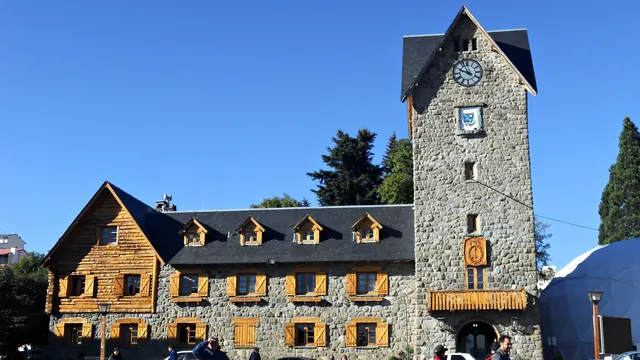
In both places live performance belongs to a town or two, and elsewhere evenings end over dinner. Patagonia's offer is the thinner one: summer chamber concerts in Bariloche, the odd chacarera folk night, and the choirs and eisteddfod of the Welsh communities in Chubut.
The South Island's two cities give you more to book. Christchurch has its own symphony orchestra, a repertory theatre and the restored Isaac Theatre Royal. Dunedin has its long indie and guitar-music tradition in small venues around the student quarter, and Queenstown has bands in its bars, mostly in winter.
Wellness & relaxation
The South Island is the better choice for a soak. Hanmer Springs has been a thermal-pool village since the late nineteenth century and is easy to add from Christchurch, and hot pools at Tekapo, Franz Josef and near Queenstown fit along the usual routes.
Patagonia's one real spa tradition is at Copahue, high in northern Neuquén and far from most itineraries. Its restful side is lakeside lodge spas around Villa La Angostura and slow days on an estancia with horses and almost no phone signal.
When should you go?
Pick your month. The climate figures are measured averages, not a forecast.
Patagonia in July
South Island in July
Daytime high, °C
Rainfall in the month, mm
Where the figures come from
South Island has no weather station within reach, so its figures come from a gridded climate model rather than a measured record, and read a broad area rather than one spot.
Temperature and rainfall are climate normals, averaged over the years shown. Patagonia: 1991-2020 normals, Bariloche Aerodrome (12.2 km from centre). South Island: 1991-2020 normals, TerraClimate 4 km grid at the town, no weather station within 90 km.
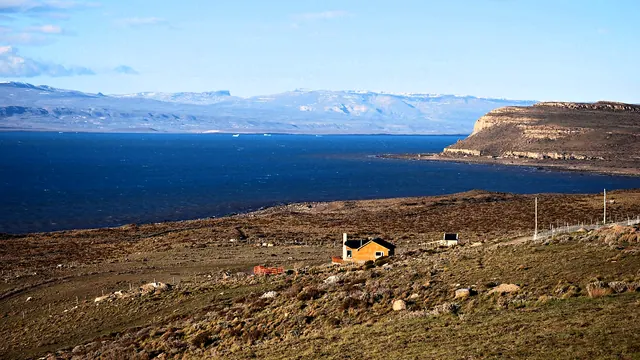
Patagonia's figures describe the northern lakes around Bariloche. There the summer is short, dry and very sunny. From December to February days reach about 23°C, which is the season for trails, lake beaches and boat trips, and March is still good. From May to August it turns cold and wet, with June bringing around 172mm, and outside the ski slopes it is a quiet time. The far south around El Calafate and Ushuaia is cooler and windier than these figures suggest, so pack for colder days there even in summer.
The South Island's figures peak a little lower, at about 20°C in January and February, and there is no dry season. Rain falls in every month and is heaviest in spring, with September near 200mm. January to March is the window for beach days around Nelson and long mountain walks. June to August is cold, but it brings skiing around Queenstown and Wanaka. For both, the southern summer is the time to go, and around Bariloche that summer is noticeably drier than on the South Island.
Which traveller are you?
On a trip on a tight budget, Patagonia goes further, as long as you stay in one area instead of flying between them. Bariloche's local buses reach much of the lakeshore, and March costs less than high summer. On the South Island you almost need a hire car, and Queenstown keeps prices high.
On a family trip with children, the South Island is easier. Short glacier and forest walks suit small legs, and children can see albatross and penguins on the Otago Peninsula. One road network joins everything, so you can stop whenever you need to. In Patagonia, each area is a domestic flight or a long bus ride from the next.
For a food and nightlife trip, the South Island gives you more to plan around. You can spend the afternoon at a Central Otago winery and come back for Queenstown's late bars, and Christchurch and Dunedin have bars too. In Patagonia, a real night out means Bariloche's brewpubs and clubs, which keep Argentine hours.
Before you go
| Measure | Patagonia | South Island |
|---|---|---|
| Official language | Spanish | English, New Zealand Sign Language, Māori |
| Currency | Argentine Peso (ARS) | New Zealand Dollar (NZD) |
| Sockets | CI220 V, 50 Hz | I230 V, 50 Hz |
| Driving side | Left | Left |
| Time zone | UTC-3 | UTC+12, UTC+13 in summer |
| Emergency number | 117 or 911 | 111 |
| Main airport | Teniente Luis Candelaria International Airport (BRC)17 non-stop destinations | Queenstown Airport (ZQN)7 non-stop destinations |
| Public holidays this year | 16 days | 12 days |
By the numbers
| Measure | Patagonia | South Island |
|---|---|---|
| Population | - | 1,115,800 |
Where else could you go?
Every comparison below shares a destination with this one, so you can follow Patagonia or South Island somewhere new.
- North Islandvs South Island
- Tasmaniavs South Island
- Torres del Painevs South Island
- Canadian Rockiesvs Patagonia
- Swiss Alpsvs Patagonia
- Alaskavs Patagonia