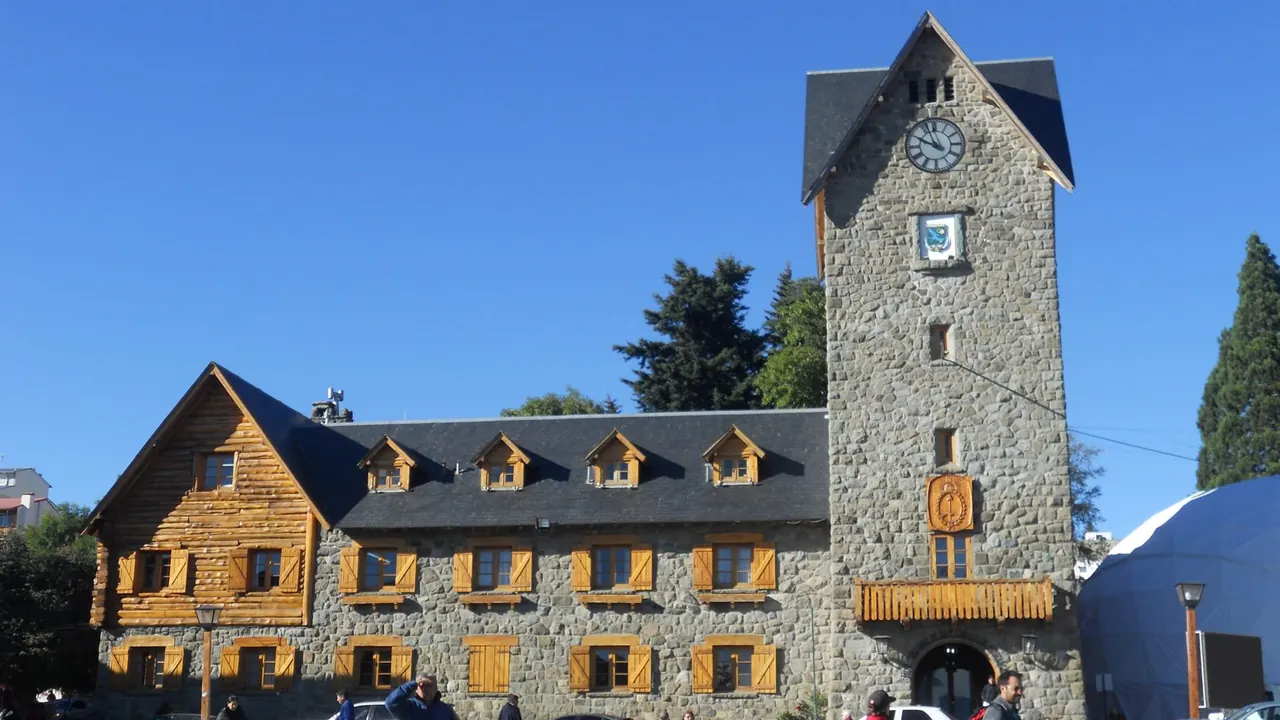
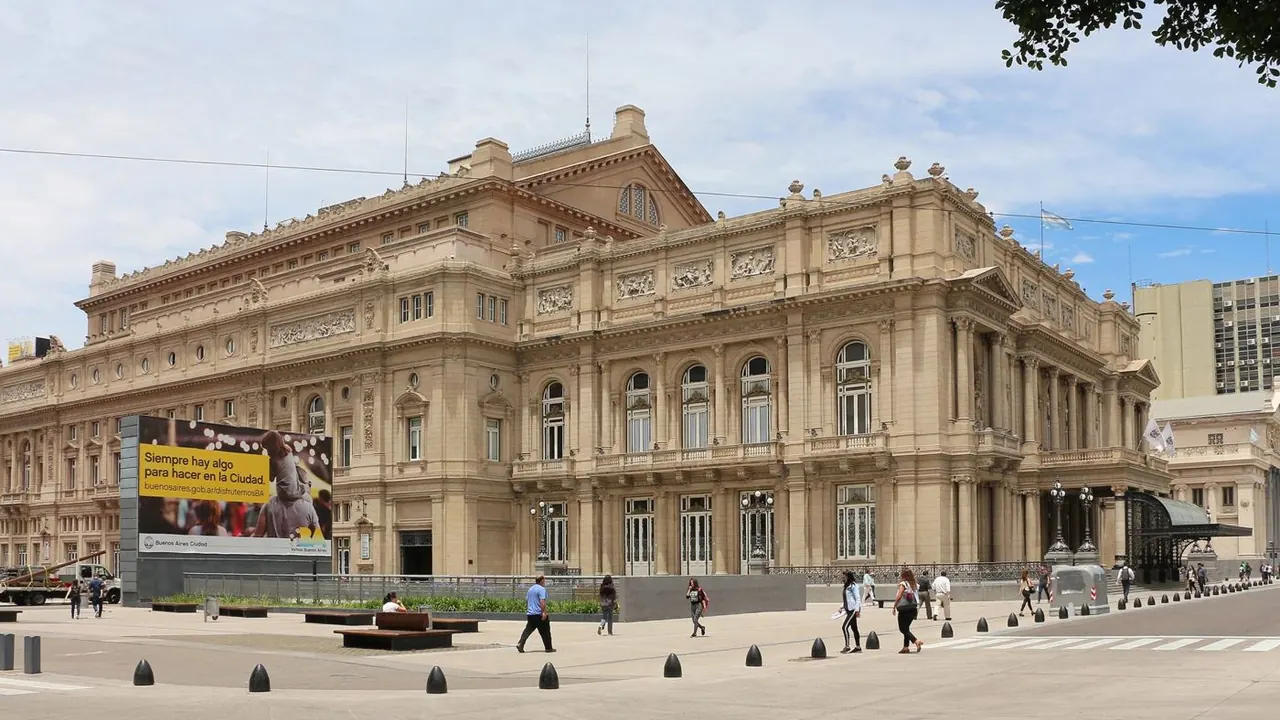
Photos: Bariloche by Maclemo, CC BY-SA 3.0, cropped; Buenos Aires by Bernard Gagnon, CC BY-SA 4.0, cropped.
Bariloche or Buenos Aires?
Our verdict in twelve categories, each scored against the same fixed benchmark cities, and the climate month by month, so you can choose for your trip.
Choose Bariloche for
- nature and the outdoors
- beaches
- wellness
Bariloche is the choice when the landscape is the trip. It sits inside Nahuel Huapi National Park, with Cerro Catedral's ski runs in winter and trails between mountain refuges in summer, and its evenings are quiet ones: lamb from the fire, a brewery pint and an early night before the next hike. Come for days outdoors and a slower rhythm, not for sights or a night scene.
Choose Buenos Aires for
- nightlife
- live music and the arts
- culture and sights
Buenos Aires suits travellers who want a city to live in for a while. Long walks down Avenida de Mayo and through Recoleta, a night at the Teatro Colón, a neighbourhood parrilla at ten and a milonga after midnight make a trip that turns on people, food and performance. Nature here means a park or a boat into the delta, so anyone who needs mountains should pair it with a flight south.
Scoreboard
Twelve categories on one fixed scale from 0 to 100. The shaded stretch is the gap between the two.
Your match
Pick a travel style or drag the sliders, and both match scores follow your weighting.
Wins on nature and the outdoors and beaches with your weighting.
Wins on nightlife and live music and the arts with your weighting.
What matters to you?
Category by category
What the scores mean for a trip.
Beaches & swimming
Neither city gives a true beach vacation, but Bariloche at least has places to sit by clean water. Its pebble and sand strips at Playa Bonita, Villa Tacul and Lago Gutiérrez make good summer picnic spots, and a short, cold dip in glacial water is possible.
Buenos Aires has no swimming at all, since the brown, silty Rio de la Plata is not for going in. The Costanera is for strolling and lying on the grass, and a real beach means travelling several hours to Mar del Plata.
Food & drink
Buenos Aires eats far better and with more variety. Neighbourhood parrillas grilling every cut, Italian-rooted pizza, pasta and ice cream, old coffee houses on Avenida de Mayo and ambitious kitchens in Palermo give a visitor something new at every meal, as long as beef and pastry appeal.
Bariloche has a short but distinctive list: lamb roasted on the iron cross, lake trout, venison and smoked meats, plus the chocolate shops of Calle Mitre and craft breweries with lake-view gardens. Beyond those, the centre leans on tourist menus.
Culture & sights
This is a capital against a mountain town. Buenos Aires repays days of walking, from the Casa Rosada and Palacio Barolo to the marble mausoleums of Recoleta, San Telmo's old streets and La Boca's painted houses, with MALBA and the Bellas Artes for art.
Bariloche's interest is its 1930s alpine stone-and-timber Centro Cívico, the Museo de la Patagonia and Bustillo's Llao Llao hotel and chapel. It is handsome, but a morning sees it.
Nightlife
Buenos Aires has one of the great late-night scenes anywhere, running from cocktail bars behind unmarked doors in Palermo Soho to warehouse clubs that close after sunrise and tango milongas in San Telmo. Weeknights hold up too.
Bariloche's big clubs mostly serve school-leavers on graduation trips, which adults tend to avoid. For grown-up visitors a night out means a long dinner and a beer by the fire around Calle Mitre.
Nature & outdoors
Here Bariloche is in another league. It lies within Nahuel Huapi National Park, with Cerro Catedral half an hour away for skiing or summer trails to the Frey and Jakob refuges, cable cars up Cerro Campanario and Otto, and Tronador's glaciers for a long day.
Buenos Aires sits on flat pampas with no hills in sight. The Bosques de Palermo, the Costanera Sur wetland and launches through the Tigre delta are pleasant breaks from the streets, but they are not wild landscape.
Day trips
Buenos Aires has the stronger range of outings, and they are to places rather than views. A fast ferry reaches the UNESCO-listed old town of Colonia del Sacramento in Uruguay, and Tigre, gaucho San Antonio de Areco, Luján's basilica and La Plata are all easy return trips.
From Bariloche the excursions lead mostly into scenery, with Villa La Angostura, Colonia Suiza's craft fair and El Bolsón as the town stops. There is nothing historic or wine-growing within a day's reach.
Good for families
Both work for families about equally, but in different ways. Bariloche is for active children: ski schools and sledging on Cerro Otto in winter, lake paddling, boat trips to Isla Victoria and chocolate workshops in summer, though a rainy day can drag.
Buenos Aires has the purpose-built attractions Bariloche lacks, such as the planetarium, the Museo de los Niños, Temaikèn biopark and Tigre's amusement park. The trade-off is long distances, heavy traffic and broken pavements.
Getting around
Buenos Aires is easier without a car. The flat grid is pleasant to walk within each neighbourhood, and the Subte, round-the-clock colectivo buses and plentiful taxis link the long distances between them.
Bariloche has a small, steep centre, but the town stretches about 25km along Avenida Bustillo. Buses reach Llao Llao and Cerro Catedral, yet trailheads, viewpoints and Villa La Angostura usually mean renting a car or joining a tour, and winter ice makes driving harder.
Shopping & style
Buenos Aires gives a proper shopping trip: leather workshops around Villa Crespo, independent designers in Palermo Soho, Avenida Alvear's boutiques, the domed Galerías Pacífico and the Sunday antiques fair along Calle Defensa.
Bariloche keeps to Calle Mitre, where the buys are chocolate, Patagonian wool knitwear, smoked trout and outdoor gear, plus woodwork and textiles at the craft fairs. It is good for souvenirs, not for browsing fashion.
Affordability
Buenos Aires generally stretches a budget further. Public transport is very cheap, neighbourhood parrillas and pizzerias are generous and wine costs little, though Palermo and Puerto Madero charge European prices and currency swings make costs unpredictable.
Bariloche is a resort with resort prices, steepest in the July school break and January, and ski passes and tours add up. Hostels, self-catering, buses and free hiking in the national park keep it moderate, especially in spring and autumn.
Live music & performing arts
Buenos Aires is one of the great performance cities of the Spanish-speaking world. The Teatro Colón stages opera, ballet and symphony, Avenida Corrientes and a large independent scene fill the theatres, and live orchestras play at neighbourhood milongas.
Bariloche's claim is mainly classical and occasional: the Camerata Bariloche carries its name, and the Semana Musical Llao Llao brings a week of chamber concerts. On most nights there is little to see beyond some folk music in a bar.
Wellness & relaxation
Neither has thermal springs or a bathing tradition, but Bariloche is clearly the more restful base. Hotel spas such as the Llao Llao's pair pools and saunas with lake views, and a stay out towards Colonia Suiza settles into quiet days of fires and long dinners.
Buenos Aires is loud and runs until dawn, and its day spas in Palermo and Recoleta are pleasant without being a draw. Its form of rest is social: lingering over coffee, the long sobremesa after lunch, and the empty streets of a Sunday morning.
When should you go?
Pick your month. The climate figures are measured averages, not a forecast.
Bariloche in July
Buenos Aires in July
Daytime high, °C
Rainfall in the month, mm
Temperature and rainfall are climate normals, averaged over the years shown. Bariloche: 1991-2020 normals, Bariloche Aerodrome (11.2 km from centre). Buenos Aires: 1991-2020 normals, Aeroparque Bs. As. Aerodrome (4.9 km from centre).
Bariloche has two good seasons with little in between. In January and February the days reach about 23°C, rain is scarce and the long, sunny days suit hiking, cycling the Circuito Chico and sitting by the lakes, and December and March are only a little cooler. From May to August it turns cold and wet, with June the wettest month at around 172mm. Much of that falls as snow higher up, so this is when Cerro Catedral comes into its own.
Buenos Aires runs the other way. Its summer is hot, around 29°C in January, which is also the wettest month at about 135mm, so walking the streets at midday is tiring. Autumn and spring are the most comfortable seasons for exploring on foot. Even the winter stays mild, with highs around 15°C. June to August are the driest months of the year, though also among the greyest. That makes the city a better choice than the mountains for a trip in the southern winter, unless the plan is to ski.
Which traveller are you?
On an outdoors trip, Bariloche wins outright. Glacial lakes, coihue forests, refuge-to-refuge hiking, kayaking, trout fishing and South America's largest ski area lie on its doorstep, while Buenos Aires offers flat parkland and boat trips into the Paraná Delta.
For a food and nightlife trip, Buenos Aires is the obvious pick. Late parrilla dinners, Italian-style pizza and ice cream, then Palermo's cocktail bars, serious electronic clubs and tango milongas until dawn, against Bariloche's brewpubs and a nightlife built around teenage graduation groups.
On a culture and arts trip, choose Buenos Aires. Its grand boulevards, Recoleta Cemetery, the Bellas Artes and MALBA collections, the Teatro Colón and Corrientes theatres fill a week, whereas Bariloche's Centro Cívico and museum take a single morning.
Before you go
| Measure | Bariloche | Buenos Aires |
|---|---|---|
| Official language | Spanish | Spanish |
| Currency | Argentine Peso (ARS) | Argentine Peso (ARS) |
| Sockets | CI220 V, 50 Hz | CI220 V, 50 Hz |
| Driving side | Left | Left |
| Time zone | UTC-3 | UTC-3 |
| Emergency number | 117 or 911 | 117 or 911 |
| Elevation | 794 m | 25 m |
| Main airport | Teniente Luis Candelaria International Airport (BRC)12 km from centre17 non-stop destinations | Ezeiza International Airport - Ministro Pistarini (EZE)28 km from centre48 non-stop destinations |
| Public holidays this year | 16 days | 16 days |
By the numbers
| Measure | Bariloche | Buenos Aires |
|---|---|---|
| City population | 136,381 | 3,121,707 |
| People per km² | 619 | 15,355 |
| Museums within 10 km | 3 | 76 |
| UNESCO World Heritage sites within 50 km | 0 | 1 |
| Swim season, months above 21 °C | - | 4 months |
Where else could you go?
Every comparison below shares a destination with this one, so you can follow Bariloche or Buenos Aires somewhere new.