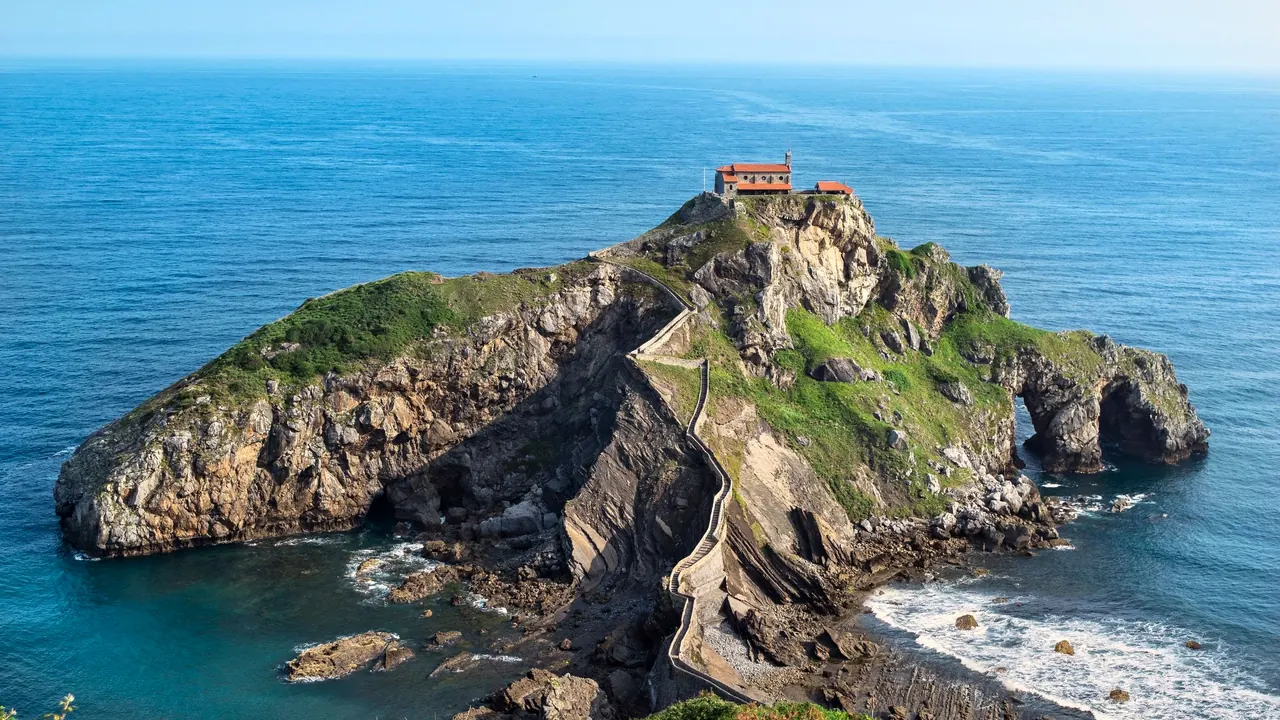
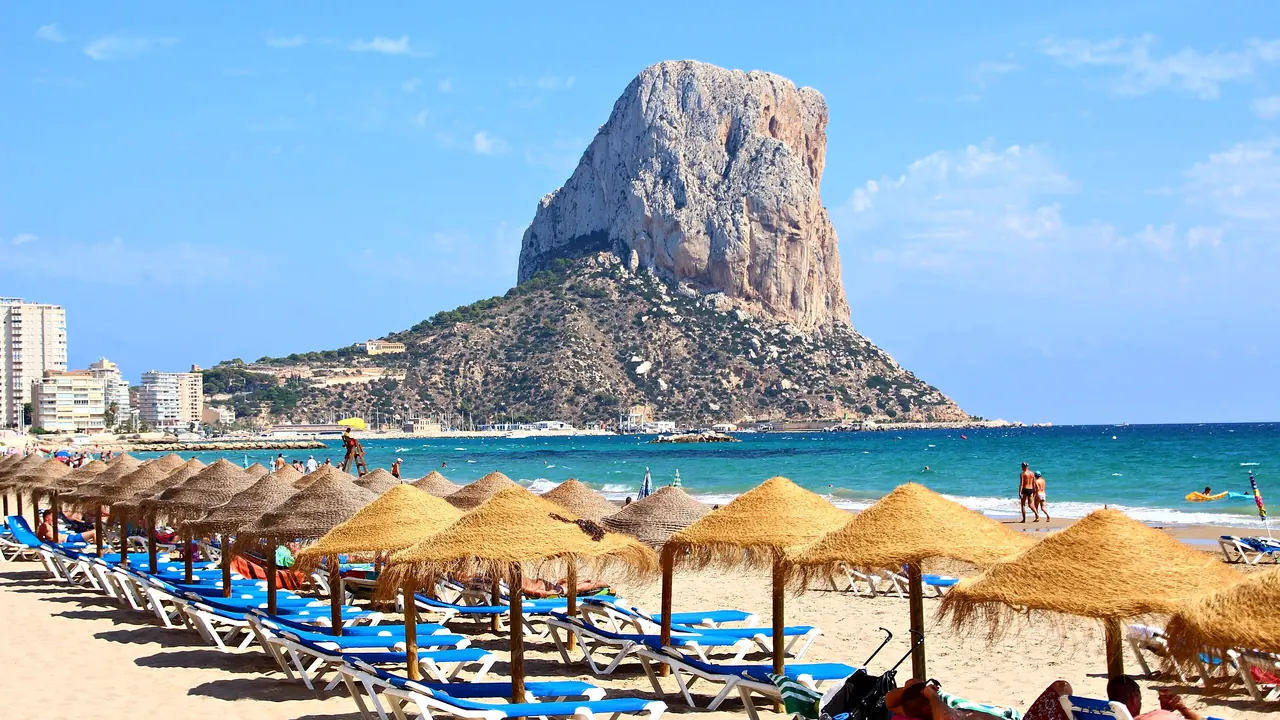
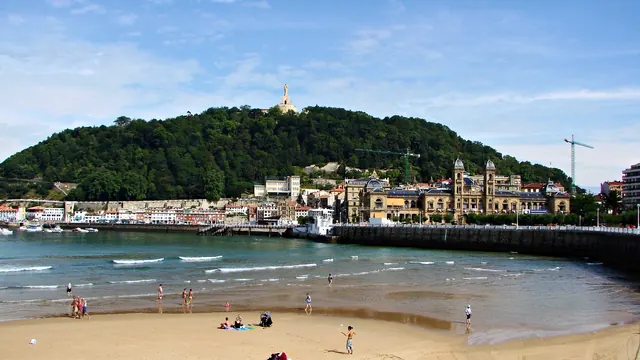
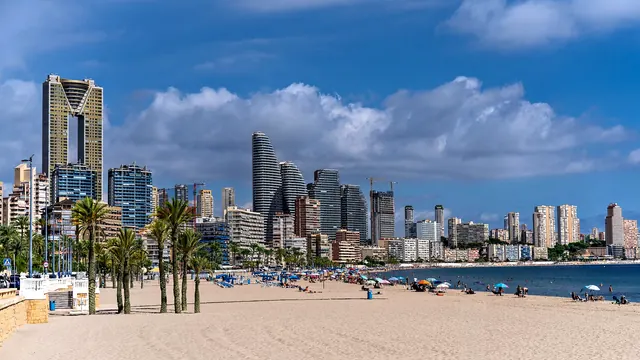
Photos: Basque Country by Enrique, Pexels License; Costa Blanca by Jorghé Van Hecke, CC BY-SA 4.0, cropped.
Basque Country or Costa Blanca?
Our verdict in twelve categories, each scored against the same fixed benchmark cities, and the climate month by month, so you can choose for your trip.
Choose Basque Country for
- food and drink
- culture and sights
- live music and the arts
The Basque Country suits travellers who plan their days around the table and want plenty to see between meals. Evenings go from counter to counter in San Sebastián's Parte Vieja or Bilbao's Casco Viejo, and the days can go on the Guggenheim, Vitoria's medieval core, the Rioja Alavesa cellars or the French Basque coast, all close together. The price is a cooler sea, frequent rain and higher bills, especially if you stay in San Sebastián.
Choose Costa Blanca for
- beaches
- prices
- families
Costa Blanca is the better answer when sun and sand come first. It has long sandy bays at Benidorm, a warm sea well into autumn, dry summers and theme and water parks within easy reach for children. It is also cheaper, above all in Benidorm and the southern resorts, and its nights run later. What it gives up is depth in culture and cooking, and here you have to choose the town carefully to eat well.
Scoreboard
Twelve categories on one fixed scale from 0 to 100. The shaded stretch is the gap between the two.
Your match
Pick a travel style or drag the sliders, and both match scores follow your weighting.
Wins on food and drink and culture and sights with your weighting.
Wins on beaches and prices with your weighting.
What matters to you?
Category by category
What the scores mean for a trip.
Beaches & swimming
Costa Blanca is the stronger beach destination, and for most visitors the beach is the reason to go. Benidorm's Levante and Poniente, San Juan and the dune-backed sands of Guardamar give kilometres of sand. The coves near Jávea and Altea offer clearer water for snorkelling. The sea stays warm enough to swim from June to October.
The Basque Country has the more beautiful town beach in La Concha, sheltered inside its bay, and Zurriola for surf. But the Biscay water is several degrees cooler and wet days come even in summer. Here the beach is part of a city stay for a couple of months, not the centre of the trip.
Food & drink
Food is where the Basque Country pulls furthest ahead. You eat well at every level: pintxos rounds in the Parte Vieja and Casco Viejo, the cider houses of Astigarraga, turbot grilled in Getaria, and a cluster of celebrated restaurants in the hills around San Sebastián. Good cooking is the rule rather than something to hunt for.
Costa Blanca has a real cuisine of its own, built on rice dishes, Dénia's red prawns and turrón from Xixona. The catch is that much of Benidorm and Torrevieja cooks for visitors, so eating well means picking Alicante's old town, Dénia or a seafront family restaurant with care.
Culture & sights
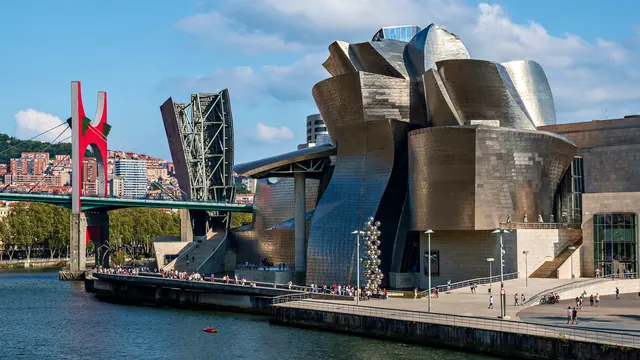
The Basque Country gives sightseers more, and of higher quality. It has the Guggenheim and the Fine Arts Museum in Bilbao, the UNESCO-listed Vizcaya Bridge, Vitoria's medieval core around Santa María, and San Sebastián's Belle Époque promenades and San Telmo Museum. Spread over three cities, that fills a week.
Costa Blanca's heritage comes in smaller pieces: the Santa Barbara castle and the MARQ in Alicante, Elche's Palmeral, and the white old town of Altea. It makes for pleasant days out between beach days rather than a cultural trip in itself.
Nightlife
For a long night out, Costa Blanca has the edge, mostly thanks to Benidorm. Its old town and the Rincón de Loix strip run late all summer with cabaret, karaoke and clubs, and stay open through the winter. Alicante's El Barrio offers a more Spanish night of late terraces.
The Basque Country's evenings are built around the bar round. Bilbao has the broadest scene and only a few clubs go on past dawn at weekends, so midweek is quiet. Its liveliest moments are the August fiestas in Bilbao and San Sebastián.
Nature & outdoors
Both regions have limestone mountains above 1,500m running close to the sea, so they are broadly level for the outdoors. The difference is in colour and season. The Basque Country is green and wet, with beech forests, the tilted flysch cliffs of the Geopark between Zumaia and Deba, birdlife at Urdaibai, and surf at Mundaka and Zarautz. You can walk there all year.
Costa Blanca's landscape is dry and sharp: the Peñón de Ifach, Montgó and the Serra Gelada cliffs. The crags around Sella draw climbers, and there is diving off the cape reserves. Its trails are best from October to May, as summer is too hot.
Day trips
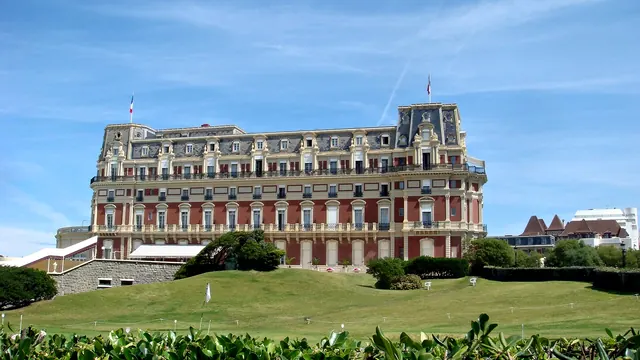
The Basque Country offers more varied outings and shorter journeys. Biarritz, Bayonne and Saint-Jean-de-Luz bring in the French side of Basque culture within an hour. Laguardia and the rock-cut cellars of Rioja Alavesa, Pamplona and Burgos are all easy runs, and so are fishing ports such as Getaria and Hondarribia.
Costa Blanca's big outing is Valencia, which is close to two hours from Benidorm. Beyond it there are Xàtiva, Alcoy, the island village of Tabarca, and Murcia and Cartagena from the south. They are good trips, but they are fewer and further apart.
Good for families
Costa Blanca is better set up for children. Benidorm's calm, gently shelving bays, the apartments and pool hotels, a theme park, water parks, an animal park and a marine park make an easy family vacation. The Fonts de l'Algar add a cool swim inland.
San Sebastián works well too, with La Concha's calm water, the aquarium, Eureka and the funicular to Monte Igueldo's small fairground. But there is no large park, and rain means keeping a list of indoor plans. In both regions children stay up late in the squares.
Getting around
The Basque Country is easier without a car. Bilbao, San Sebastián and Vitoria are about an hour apart by motorway coach, each centre is compact and walkable, and Bilbao has its Foster-designed metro and riverside tram. Wine country and the hill parks still call for a car.
On Costa Blanca the coastal TRAM from Alicante to Dénia is slow, and buses only link the larger resorts. For the Jávea coves, the mountain villages and the theme parks, a car is close to essential, and summer brings traffic and scarce parking.
Shopping & style
Neither region is a shopping destination, but the Basque Country gives a little more. Bilbao's Gran Vía has the main chains and San Sebastián's Centro has independent boutiques. The best souvenirs are edible: Idiazabal cheese, Getaria anchovies and txakoli, with striped Basque linen as well.
Costa Blanca's shopping is practical. Elche's shoe factory outlets are the one real draw, and the weekly street markets in Jávea, Altea and Benidorm are part of a stay. Turrón from Xixona is the obvious thing to bring home.
Affordability
Costa Blanca is the cheaper choice. Benidorm and the southern resorts around Torrevieja have a huge stock of apartments and package hotels and inexpensive meals and drinks. The exception is the north, where Jávea, Moraira and Altea cost noticeably more.
The Basque Country is among the dearer corners of Spain, and San Sebastián's summer rooms and top restaurants are a serious outlay. To keep the bill down, eat pintxos and set lunches and stay in Bilbao or Vitoria.
Live music & performing arts
The Basque Country has a real musical calendar. San Sebastián has Jazzaldia on the beach and in the Kursaal in July and the Quincena Musical's orchestras in August, and Bilbao has BBK Live. Through the year there is ABAO's opera season at the Euskalduna and regular symphony concerts.
Costa Blanca has the ADDA auditorium and the Teatro Principal in Alicante, plus Elche's sung Misteri d'Elx each August. Otherwise the offer leans to Benidorm cabaret and tribute shows, with no jazz or classical scene to plan a trip around.
Wellness & relaxation
Neither region has a bathing culture, so they come out about even, and the difference is in kind. The Basque Country offers sea-air treatments: the seawater pools of the old bathing pavilion on La Concha and the warm springs of Zestoa, with quiet nights in Lekeitio or a farmhouse stay inland.
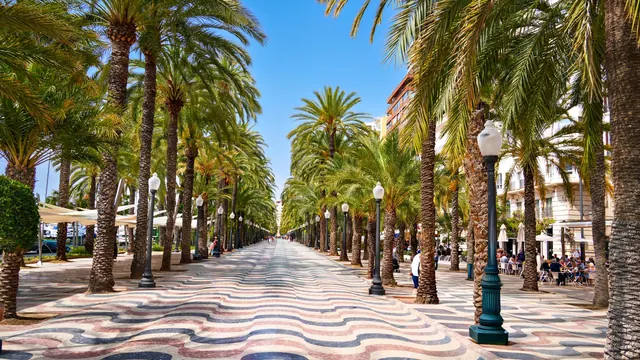
Costa Blanca's version is warmth and long stays. It has Arab-style baths in Alicante, health retreats in the hills around Altea, and a mild, sunny winter on the calm northern coast. Benidorm is best avoided if quiet is the aim.
When should you go?
Pick your month. The climate figures are measured averages, not a forecast.
Basque Country in July
Costa Blanca in July
Daytime high, °C
Rainfall in the month, mm
Where the figures come from
Basque Country's station stands 253 m above the place it is measured for, so that place is likely a little warmer than the figures say.
Costa Blanca's temperatures are measured 57 km from the centre, at Alicante.
Costa Blanca has no rain gauge within 25 km of the centre, so its rainfall comes from a gridded climate dataset read at the destination rather than from a gauge further away.
Temperature and rainfall are climate normals, averaged over the years shown. Basque Country: 1991-2020 normals, San Sebastian / Igueldo (10 km from centre). Costa Blanca: 1991-2020 normals, Alicante (56.6 km from centre).
The Basque Country is a summer destination for anyone hoping to swim. July and August are the only properly warm months, with highs around 23°C, and the sea is at its warmest late in the season. Rain falls in every month, and grey spells are normal even in midsummer. From October the weather turns wet, peaking at about 203mm in November, which makes autumn and winter better for museums and pintxos bars than for the coast. Spring and September are mild and pleasant for walking, with fair sunshine.
Costa Blanca runs much hotter and drier. Summers are almost rainless and very sunny, and by August the coast reaches 31°C with the sea near 26°C. That is ideal for the beach but too hot for walking streets or trails in the middle of the day. Swimming is comfortable from June to October. Winter stays mild, around 17°C in January, with plenty of sun, so spring, autumn and winter are the seasons for sightseeing and hiking. The rainiest stretch is short, from September to November.
Which traveller are you?
On a beach and sun trip, Costa Blanca is the clear pick. You get long, gently shelving sand at Benidorm and Guardamar, clear coves near Jávea, dependable dry summers and warm water for five months. The Basque beaches are lovely, but the season is short and often grey.
For a culture and arts trip, choose the Basque Country. It has the Guggenheim and Bilbao's Fine Arts Museum, Vitoria's medieval rings and an opera season, plus Jazzaldia and the Quincena Musical in summer. Costa Blanca's castles and Elche's Palmeral fill a few days at most.
On a family trip with children, Costa Blanca does more of the work. Its calm sandy bays, pool hotels everywhere and a theme park, water parks and an animal park nearby keep children busy. San Sebastián is charming with children, but frequent rain means planning indoor days.
Before you go
| Measure | Basque Country | Costa Blanca |
|---|---|---|
| Official language | Spanish | Spanish |
| Currency | Euro (EUR) | Euro (EUR) |
| Sockets | CF230 V, 50 Hz | CF230 V, 50 Hz |
| Driving side | Right | Right |
| Time zone | UTC+1, UTC+2 in summer | UTC+1, UTC+2 in summer |
| Emergency number | 112 | 112 |
| Main airport | Bilbao Airport (BIO)73 non-stop destinations | Alicante-Elche Miguel Hernández Airport (ALC)126 non-stop destinations |
| Public holidays this year | 13 days | 13 days |
By the numbers
| Measure | Basque Country | Costa Blanca |
|---|---|---|
| Population | 3,193,513 | - |
| Swim season, months above 21 °C | 2 months | 5 months |
Where else could you go?
Every comparison below shares a destination with this one, so you can follow Basque Country or Costa Blanca somewhere new.
- Formenteravs Costa Blanca
- Ibizavs Costa Blanca
- Bordeauxvs Basque Country
- Mallorcavs Costa Blanca
- Balearic Islandsvs Costa Blanca
- Dordognevs Basque Country