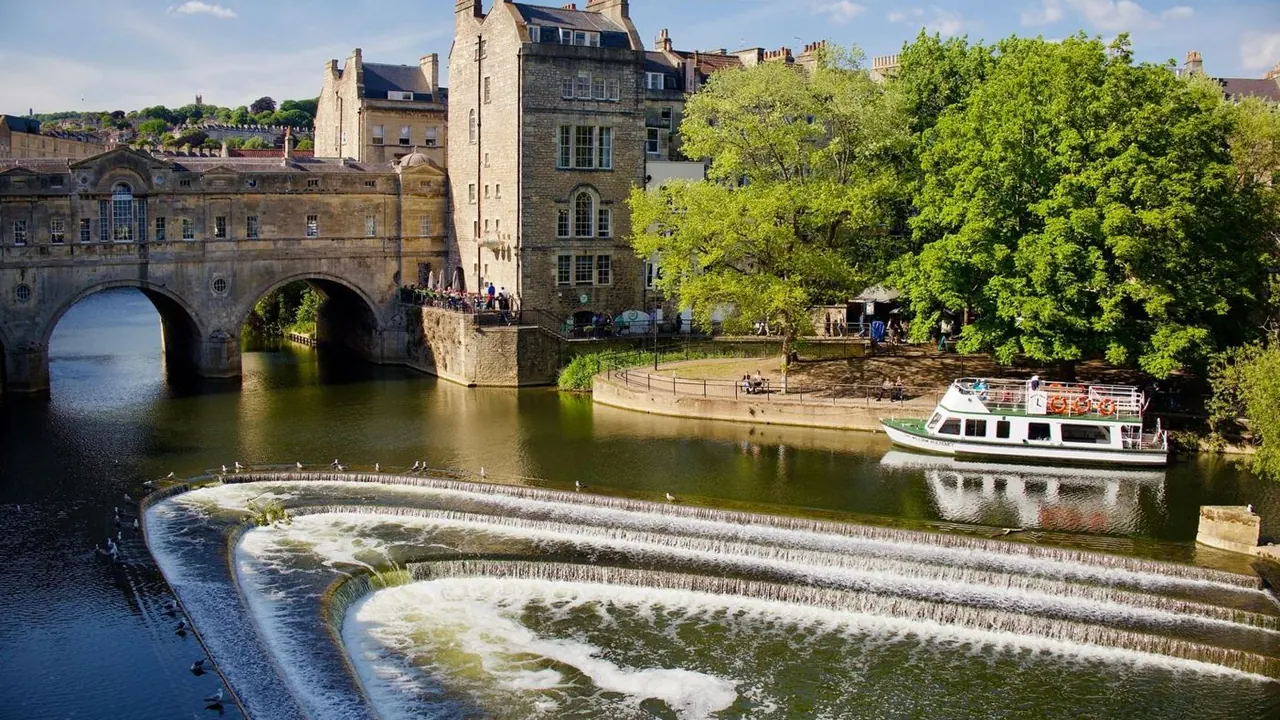
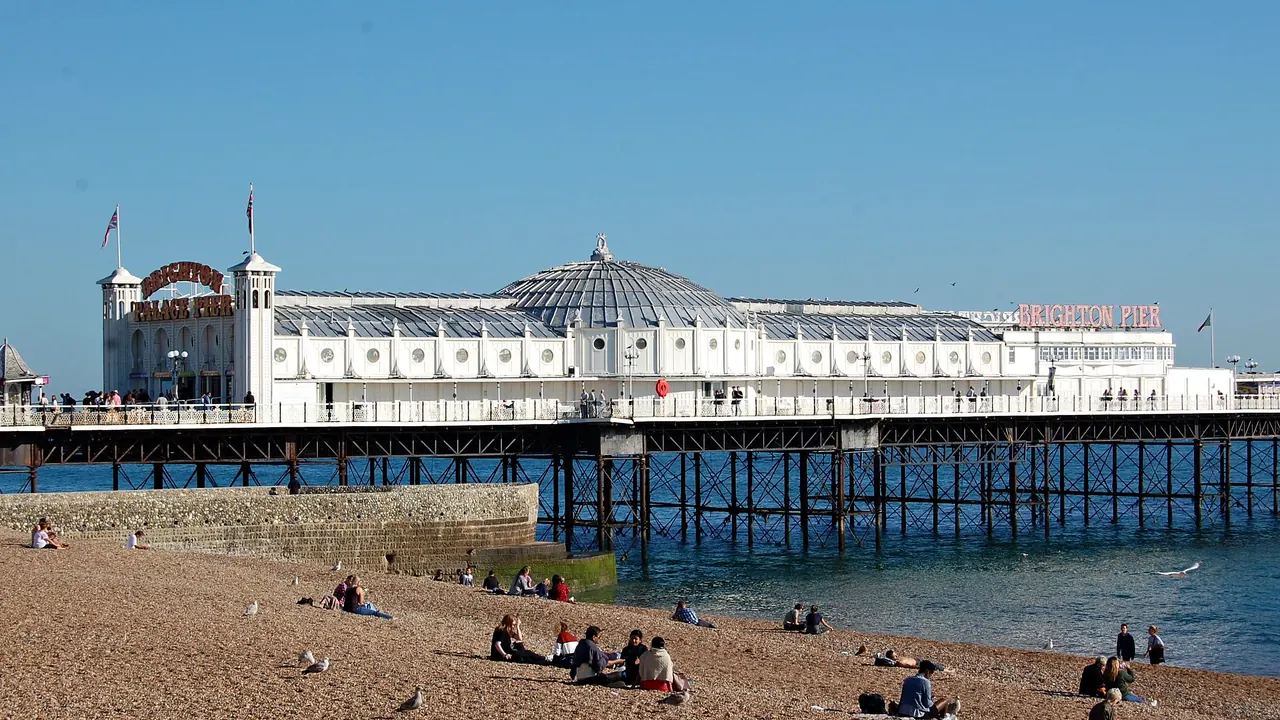
Photos: Bath by Lucas Carlini, Pexels License; Brighton by Hassocks5489, CC0.
Bath or Brighton?
Our verdict in twelve categories, each scored against the same fixed benchmark cities, and the climate month by month, so you can choose for your trip.
Choose Bath for
- wellness
- culture and sights
Bath is the choice for a slower, more polished trip built around architecture and warm water. Its Georgian crescents and Roman Baths make a whole city worth looking at, and bathing in natural thermal springs is something no other British town can offer. It suits couples and older travellers who want long days of strolling and sightseeing, an afternoon at the spa and a quiet pub supper, with no need for late nights.
Choose Brighton for
- nightlife
- beaches
- live music and the arts
Brighton suits travellers who want the sea, a crowd and something going on after dark. The shingle seafront, the pier and the South Downs give it more to do outdoors, and its bars, clubs, comedy and gig rooms carry on long after Bath has gone to bed. Families after a classic seaside day, and anyone who would rather spend the evening at a show or a club than at a spa, will be happier here.
Scoreboard
Twelve categories on one fixed scale from 0 to 100. The shaded stretch is the gap between the two.
Your match
Pick a travel style or drag the sliders, and both match scores follow your weighting.
Wins on wellness and culture and sights with your weighting.
Wins on nightlife and beaches with your weighting.
What matters to you?
Category by category
What the scores mean for a trip.
Beaches & swimming
Neither city is a beach destination, but only Brighton has a beach at all. Its long shingle front from the Marina to Hove is where the town gathers on a warm day, with lifeguards in season and quieter stretches under the cliffs at Rottingdean, although the steep stones and cold Channel make it better for sitting than swimming.
Bath is inland, and the nearest seaside at Weston-super-Mare has muddy water and a far-off tide. The realistic options are river dips in the Avon or a long day out to Dorset or Devon.
Food & drink
Brighton has more range. Small independent kitchens fill the North Laine, the Lanes and Kemptown, vegetarian and vegan cooking is a long-standing strength, the coffee is taken seriously, and the seafront arches add oysters, whelks and fish and chips.
Bath's food is more traditional and more local: West Country cheese, Somerset cider, gastropubs, afternoon tea in Georgian tearooms, and its own Bath bun and Sally Lunn bun. It has less variety from elsewhere and almost no street food, so it suits a leisurely lunch better than an evening of grazing.
Culture & sights
Bath gives the sightseer far more. Most cities would be glad of one sight like the Roman Baths or the Royal Crescent, and Bath has both alongside the Circus, Pulteney Bridge, the Abbey and a run of smaller museums from the Holburne to No. 1 Royal Crescent, enough for two or three full days.
Brighton has one landmark of national standing in the Royal Pavilion, George IV's domed seaside palace, plus the museum beside it and the Regency terraces of Kemptown and Hove. After that it is a town for wandering and looking up at buildings, not for a list of sights.
Nightlife
This is one of the widest gaps between the two. Brighton goes out every night of the week, from the clubs on West Street and in the seafront arches to Kemptown's LGBTQ+ bars and the gentler craft-beer and cocktail rooms of the North Laine, though weekends bring loud stag and hen crowds.
Bath's evenings are about coaching inns and real-ale pubs along Walcot Street, with a few clubs that fill during university term. Most nights it is quiet soon after dinner, and anyone wanting a big night takes the short train to Bristol.
Nature & outdoors
Brighton has the edge, mainly because it has the coast as well as the hills. The South Downs National Park starts at the city's edge, with Devil's Dyke and the South Downs Way a bus ride off, the white cliffs of the Seven Sisters and Beachy Head are a short drive east, and the sea offers windsurfing, kitesurfing and paddleboarding.
Bath's countryside is greener and more enclosed: the Skyline loop over the ridges, the Kennet and Avon towpath, the Two Tunnels Greenway for cyclists and canoes on the canal, with the Cotswolds and Cheddar Gorge close by. Both landscapes are gentle rather than wild.
Day trips
Both make excellent bases, but they point in different directions. From Bath the pull is ancient and rural: Stonehenge and Avebury, Wells and Glastonbury, the wool towns and Cotswold villages, with Bristol and Cardiff easy by train.
Brighton's great asset is London an hour away by fast train, with Lewes, Arundel, Chichester, Rye and the Battle abbey filling out Sussex. Brighton's main outings run well by rail, while many of Bath's best villages really need a car or a tour.
Good for families
Brighton is the easier city with children, because the seaside does the work: the Palace Pier rides, the old Victorian aquarium, Volk's Electric Railway along the beach and paddling at Hove Lagoon. The cold shingle beach is for throwing stones more than building sandcastles, and the centre late on weekend nights is no place for children.
Bath has the Roman Baths, which children usually enjoy, and the playground in Royal Victoria Park, but it is mostly a city for adults, and its steep streets are hard with a pushchair. Families there often head out to Bristol or the safari park at Longleat.
Getting around
Both are small cities to see on foot, and in both a car is more trouble than it is worth because parking is scarce. Bath's main sights sit in a largely pedestrianised core you can cross in about twenty minutes. The station is at the bottom of town, so arriving with luggage is easy. The hills start beyond the centre, where buses climb to the outer viewpoints and the university, and drivers are steered to the park-and-ride sites on the edge.
Brighton's station sits above the centre, so the fifteen-minute walk down to the sea is the easy part and the walk back up is a steady climb, as are the streets of Kemptown. In return it has a dense, frequent bus network with contactless fares out to Hove and the edge of the Downs, and a flat seafront promenade that suits a bike.
Shopping & style
The two are evenly matched and both reward browsing rather than big-name shopping, but the character differs. Bath is more genteel, with British brands on Milsom Street, antiques on Bartlett Street, the old Guildhall Market and the shops built along Pulteney Bridge.
Brighton is more offbeat. The North Laine is the place for vintage clothing, records, comics and retro furniture, while the Lanes keep to jewellery and antiques. Neither has a luxury street or grand department stores.
Affordability
Both are expensive places to sleep, but Brighton is the easier of the two on the budget. Its rooms come down a lot midweek and in winter, buses are cheap, and the beach, the piers, the Lanes and the Downs cost nothing, leaving the Royal Pavilion as the one big paid sight.
Bath's small size and steady stream of visitors keep hotels dear, especially on summer weekends and at Christmas, and its two main draws, the Roman Baths and the thermal spa, both cost a good deal. Pub lunches help, and many visitors save by sleeping in Bristol.
Live music & performing arts
Brighton has much more to choose from on any given night. The Brighton Festival and the Fringe take over the city every May, the Dome and the Victorian Theatre Royal carry touring acts all year, and the circuit of small gig rooms and comedy clubs is deep. Glyndebourne's summer opera is close by in the Downs.
Bath's stage life centres on its gilded Georgian Theatre Royal, with drama, opera, dance and pantomime, plus concerts in the Abbey and the Assembly Rooms and festivals of literature, music and Mozart. On an ordinary night the choice of live music there is small.
Wellness & relaxation
Bath was built for exactly this. Its hot springs feed the rooftop pool at Thermae Bath Spa, looking over the Abbey, and the intimate Georgian Cross Bath, and the slow rhythm of tea in the Pump Room and walks in the gardens suits a restful stay, best midweek when the spa is calmer.
Brighton has a few day spas and the hardy dawn sea-swimming crowd with its seafront saunas, but no bathing tradition. Its calm comes from out-of-season walks past the Hove beach huts or a day in the Downs villages.
When should you go?
Pick your month. The climate figures are measured averages, not a forecast.
Bath in July
Brighton in July
Daytime high, °C
Rainfall in the month, mm
Where the figures come from
Bath's temperatures are measured 29 km from the centre, at Lyneham.
Bath has no rain gauge within 25 km of the centre, so its rainfall comes from a gridded climate dataset read at the city rather than from a gauge further away.
Brighton has no rain gauge within 25 km of the centre, so its rainfall comes from a gridded climate dataset read at the city rather than from a gauge further away.
Brighton's sunshine is measured 37 km from the centre, at London Gatwick Airport.
Temperature and rainfall are climate normals, averaged over the years shown. Bath: 1991-2020 normals, Lyneham (29.2 km from centre). Brighton: 1999-2020 (sunshine 1981-2010, rainfall 1991-2020) normals, Shoreham Airport (10.3 km from centre).
The two cities share almost the same southern English climate, so the best months are the same: June to September, when afternoons reach about 20°C and both get around 200 hours of sunshine a month. Bath runs a degree warmer at the height of summer, which helps on its hillside walks. Brighton is the only one where the sea matters, and the Channel only reaches about 17°C in August and September, so a swim is for calm late-summer days.
The real difference is rain. Brighton is the drier of the two from spring through summer, with May its driest month, while Bath stays damp in a steady way all year. In winter the order flips: Brighton's coast takes heavy autumn and winter storms, reaching about 105mm in December, though its winters stay a touch milder. From November to February both are grey and cold for street walking, which suits Bath's hot rooftop pool better than Brighton's windy promenade.
Which traveller are you?
On a culture and arts trip, Bath is the stronger pick. The Roman Baths, the Abbey, the Royal Crescent and the Circus sit within a short walk, and the whole townscape is a World Heritage Site. Brighton has the Royal Pavilion but few other major sights.
For a food and nightlife trip, Brighton wins clearly. Its independent kitchens in the North Laine and Kemptown, its long LGBTQ+ scene and clubs open into the small hours give it every night of the week. Bath empties after dinner, and its evenings mostly mean a pub.
On a relaxing and wellness trip, choose Bath. It is the one place in Britain to bathe in natural hot springs, from the rooftop pool facing the Abbey to the small Cross Bath. Brighton offers dawn sea swims and seafront saunas, but no bathing tradition.
Before you go
| Measure | Bath | Brighton |
|---|---|---|
| Official language | English | English |
| Currency | Pound Sterling (GBP) | Pound Sterling (GBP) |
| Sockets | G230 V, 50 Hz | G230 V, 50 Hz |
| Driving side | Left | Left |
| Time zone | UTC, UTC+1 in summer | UTC, UTC+1 in summer |
| Emergency number | 112 or 999 | 112 or 999 |
| Elevation | 132 m | 22 m |
| Main airport | Bristol Airport (BRS)25 km from centre117 non-stop destinations | London Gatwick Airport (LGW)37 km from centre224 non-stop destinations |
| Public holidays this year | 8 days | 8 days |
By the numbers
| Measure | Bath | Brighton |
|---|---|---|
| City population | 94,092 | 134,293 |
| People per km² | 3,245 | 1,624 |
| Museums within 10 km | 17 | 11 |
| UNESCO World Heritage sites within 50 km | 3 | 0 |
| Swim season, months above 21 °C | None | None |
Where else could you go?
Every comparison below shares a destination with this one, so you can follow Bath or Brighton somewhere new.