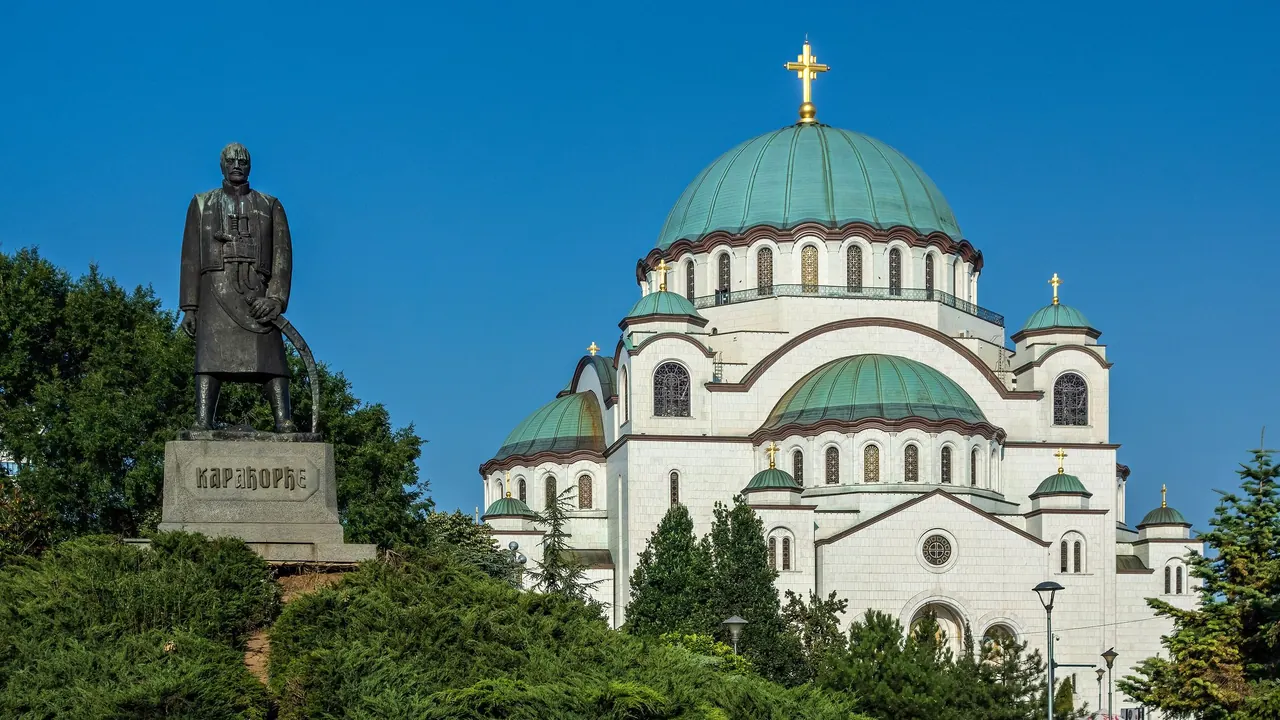
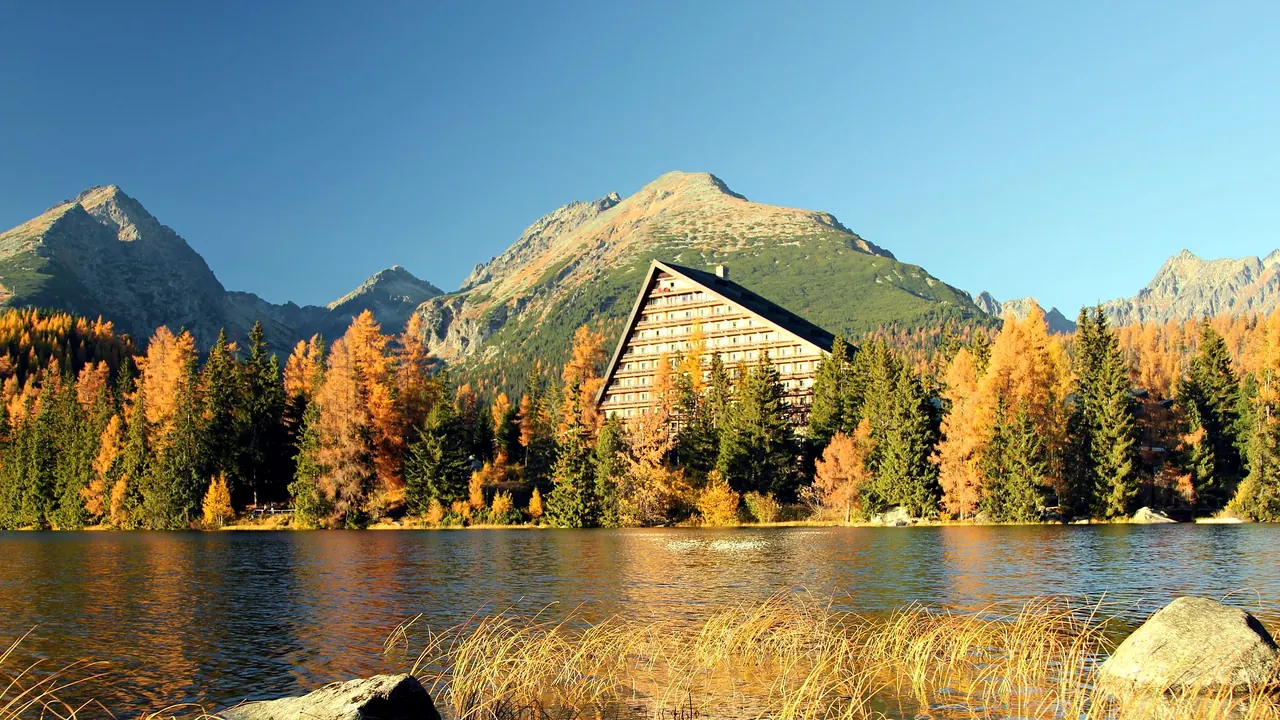
Photos: Belgrade by Petar Milošević, CC BY-SA 4.0, cropped; High Tatras by Marián Moravčík, Pexels License.
Belgrade or High Tatras?
Our verdict in twelve categories, each scored against the same fixed benchmark cities, and the climate month by month, so you can choose for your trip.
Choose Belgrade for
- nightlife
- live music and the arts
- culture and sights
Belgrade is the choice for a city trip with a social streak. Nights run late on the river splavs and in the bars of Dorćol, dinners stretch on at kafana tables over grilled meat and rakija, and the fortress and a handful of good museums fill two or three days. It also has opera, a philharmonic and autumn festivals, and a day's spending stays modest by European standards.
Choose High Tatras for
- nature and the outdoors
- wellness
- families
Walkers, skiers and anyone in need of clean air and early nights should head for the High Tatras instead. Granite peaks, glacial valleys and tarns begin a short funicular or cable car ride from the resorts. The old spa settlements are calm, gentle paths suit children, and the Spiš towns below bring in the history the resorts lack. There is almost nothing to do after dark, which is part of why people come.
Scoreboard
Twelve categories on one fixed scale from 0 to 100. The shaded stretch is the gap between the two.
Your match
Pick a travel style or drag the sliders, and both match scores follow your weighting.
Wins on nightlife and live music and the arts with your weighting.
Wins on nature and the outdoors and wellness with your weighting.
What matters to you?
Category by category
What the scores mean for a trip.
Beaches & swimming
Neither is a beach destination, but Belgrade has a real summer swim. The long gravel shores of Ada Ciganlija have warm, shallow, lifeguarded water and an after-work crowd, and the sandy Lido on Great War Island is a quieter option, reached by boat.
In the Tatras, swimming in the cold glacial tarns is not allowed inside the national park. A dip means a geothermal pool around Poprad or a thermal water park in the Liptov valley, which is useful for resting legs after a hike but not a day's plan in itself.
Food & drink
Belgrade offers a much richer table. Grilled ćevapi and pljeskavica come with kajmak and ajvar, mornings start with burek, and the Kalenić and Zeleni Venac markets are worth a morning in themselves. The kafana tradition of long menus, fruit brandy and a band at the table keeps a meal going for hours.
The Tatras keep to a short mountain repertoire: bryndzové halušky, cabbage soup, game and smoked sheep's cheese, eaten in timbered taverns or at a hut after a climb. That suits a hungry hiker well, but after a few days the choice runs out, and Poprad offers more variety rather than better food.
Culture & sights
Belgrade has far more to see, even if little of it is grand. Kalemegdan layers two thousand years of walls above the meeting of the Sava and Danube, the Temple of Saint Sava glows with gold mosaic, and the Museum of Yugoslavia with Tito's mausoleum gives a sense of the twentieth century that few other cities can.
In the Tatra resorts, sightseeing amounts to timber and Art Nouveau spa villas, old sanatoria and the national park museum in Tatranská Lomnica. For anything more you have to drive down into the Spiš towns.
Nightlife
This is where the two differ most. Belgrade is a city people visit to go out. In summer the splavs moored along both rivers play everything from turbo-folk to house until dawn, in winter the scene moves to basement clubs and old industrial spaces, and Dorćol's bars spill onto the pavement on warm nights.
The Tatras go to bed early. An evening means dinner and a borovička, with a few après-ski and hotel bars staying open later in the ski season, and Poprad's pubs are the only alternative.
Nature & outdoors
The Tatras are in another league here. A compact alpine range rises straight from the resorts, with Gerlachovský štít at 2,655m, more than a hundred tarns, chamois and marmots on the heights and bears in the spruce forests. Cable cars, a funicular and the trail running the length of the range put serious hiking and winter skiing within easy reach, and Slovak Paradise and the Pieniny raft trips are close by.
Belgrade's outdoors are about its rivers. There are long promenades for cycling, herons on the Great War Island wetland, and forest paths on Avala and Fruška Gora. These are pleasant breaks from the city but not a landscape to travel for.
Day trips
Both have rewarding outings, but of different kinds. From Belgrade the easiest is Novi Sad and its Petrovaradin fortress, under an hour by fast train, which can be followed by baroque Sremski Karlovci, the Fruška Gora monasteries or the Danube fortress at Smederevo and the Roman site of Viminacium.
From the Tatras the trips are medieval. Spiš Castle's huge ruins, walled Levoča with its towering Gothic altar and Kežmarok's wooden church sit close together, with Košice and Zakopane further off. In both places a car makes most of these much simpler.
Good for families
The Tatras are the better choice with children, especially young ones. The Hrebienok funicular leads to gentle forest walks and waterfalls, the lake path at Štrbské Pleso is flat enough for a pushchair, and Belianska cave, sledging, ski schools and thermal water parks fill the days whatever the weather. Only the steep high hikes are out of reach for small legs.
Belgrade welcomes children warmly at the dinner table, and Kalemegdan's ramparts, tanks and small zoo plus a summer day at Ada Ciganlija make good outings. Beyond those there is little for children, and traffic and crowded pavements wear parents down.
Getting around
Both are manageable, in different ways. Belgrade's sights sit within a walkable core, with some steep climbs up from the rivers, but its trams and buses are crowded and hard to decipher, so most visitors rely on cheap taxis and ride-hailing.
In the Tatras, a narrow-gauge electric railway links the resorts along their 30km strip, and funiculars and cable cars do the climbing, with trailheads close to the stops. Connections are infrequent, though, and reaching the Spiš towns or the Pieniny without a car takes planning.
Shopping & style
Belgrade is the only one of the two with any real shopping, though it is no shopping destination. Knez Mihailova and the riverside malls carry the familiar chains, while Dorćol and Vračar have young designers' boutiques and the markets sell honey, ajvar and rakija to take home.
The Tatras offer outdoor gear, souvenirs and smoked cheese in small resort shops, and that is about all.
Affordability
Both are good value, but Belgrade is cheaper day to day. Grill meals, terrace coffees and rounds of rakija cost little, taxis can be used freely and the fortress park is free to wander. A central room in Dorćol is the main expense.
The Tatras are reasonable for a mountain trip and far cheaper than the western Alps, especially when staying in Poprad or the smaller villages. Cable cars to the summits, ski passes and the big spa hotels at Štrbské Pleso and Tatranská Lomnica are what push costs up.
Live music & performing arts
Belgrade has a proper season. The National Theatre has opera and ballet, the Philharmonic plays at Kolarac, and BITEF and BEMUS fill the autumn. Most theatre is in Serbian, so non-speakers do better with music, and tamburica bands at the Skadarlija tables are the most local way to hear it.
The Tatras have no theatre or concert hall, only the occasional folk ensemble or a tavern band over dinner.
Wellness & relaxation
The Tatras were built for rest, and it shows. The resorts began as climatic spas for lung patients, and their large hotels keep pools, saunas and treatment floors. There are geothermal pools at Poprad and Vrbov, and the quiet forest walks are calmest outside July and August.
Belgrade can be soothing in small doses, such as a long coffee on a terrace or an afternoon by the lake at Ada Ciganlija. But its loud centre, smoky interiors and late nights make it a place to spend energy, not recover it.
When should you go?
Pick your month. The climate figures are measured averages, not a forecast.
Belgrade in July
High Tatras in July
Daytime high, °C
Rainfall in the month, mm
Where the figures come from
High Tatras's station stands 272 m below the city centre, so the centre is likely a little cooler than the figures say.
Temperature and rainfall are climate normals, averaged over the years shown. Belgrade: 1991-2020 normals, Beograd (2.1 km from centre). High Tatras: 1991-2020 normals, Poprad / Tatry (8.4 km from centre).
Belgrade is a lowland city with hot summers, and July and August reach about 30°C. That is the season for swimming at Ada Ciganlija and for the river clubs, though midday sightseeing can be tiring. June is the wettest month at around 95mm, often in short storms, and July is the sunniest. May, September and early October are the most comfortable for walking the streets. From December to February days are grey and cold, around 5°C, and city life moves indoors.
The Tatras run several degrees cooler all year. Summer highs of about 23°C in the valleys are ideal for hiking, but July is also the wettest month there, at around 101mm, much of it in afternoon storms on the ridges. Many high trails stay closed from November to mid-June, so the main walking season runs from late June to early October, and September brings drier, settled days. From December to March the resorts are cold and given over to skiing and sledging. Belgrade has clearly more sunshine in summer, but in winter the two are much alike.
Which traveller are you?
For a food and nightlife trip, Belgrade wins easily. Long grill dinners in Skadarlija or Zemun lead on to cocktail bars in Dorćol and floating clubs on the Sava that close at dawn. The Tatras offer a hut supper and an early bed.
On an outdoors trip, the High Tatras are far stronger. Rysy, Popradské pleso and the magistrála between mountain huts are on the doorstep, with cable cars to the summits and skiing in winter. Belgrade's riverside paths and Fruška Gora feel gentle by comparison.
On a family trip with children, the High Tatras fit a young family's rhythm. The resorts are small, calm and safe, evenings end early and walks can stretch as far as small legs allow. Belgrade's late hours and summer heat suit history-minded teenagers better.
Before you go
| Measure | Belgrade | High Tatras |
|---|---|---|
| Official language | Serbian | Slovak |
| Currency | Serbian Dinar (RSD) | Euro (EUR) |
| Sockets | CF230 V, 50 Hz | CE230 V, 50 Hz |
| Driving side | Right | Right |
| Time zone | UTC+1, UTC+2 in summer | UTC+1, UTC+2 in summer |
| Emergency number | Police 92/192, ambulance 94/194, fire 93/193 | 112 |
| Elevation | 117 m | 966 m |
| Main airport | Belgrade Nikola Tesla Airport (BEG)12 km from centre124 non-stop destinations | Poprad-Tatry Airport (TAT)8 km from centre4 non-stop destinations |
| Public holidays this year | 11 days | 15 days |
By the numbers
| Measure | Belgrade | High Tatras |
|---|---|---|
| Population | 1,197,714 | 3,749 |
| People per km² | 3,327 | 10 |
| Museums within 10 km | 65 | 1 |
| UNESCO World Heritage sites within 50 km | 0 | 4 |
Where else could you go?
Every comparison below shares a destination with this one, so you can follow Belgrade or High Tatras somewhere new.
- Zakopanevs High Tatras
- Krakowvs High Tatras
- Sarajevovs Belgrade
- Budapestvs High Tatras
- Pristinavs Belgrade
- Bratislavavs High Tatras