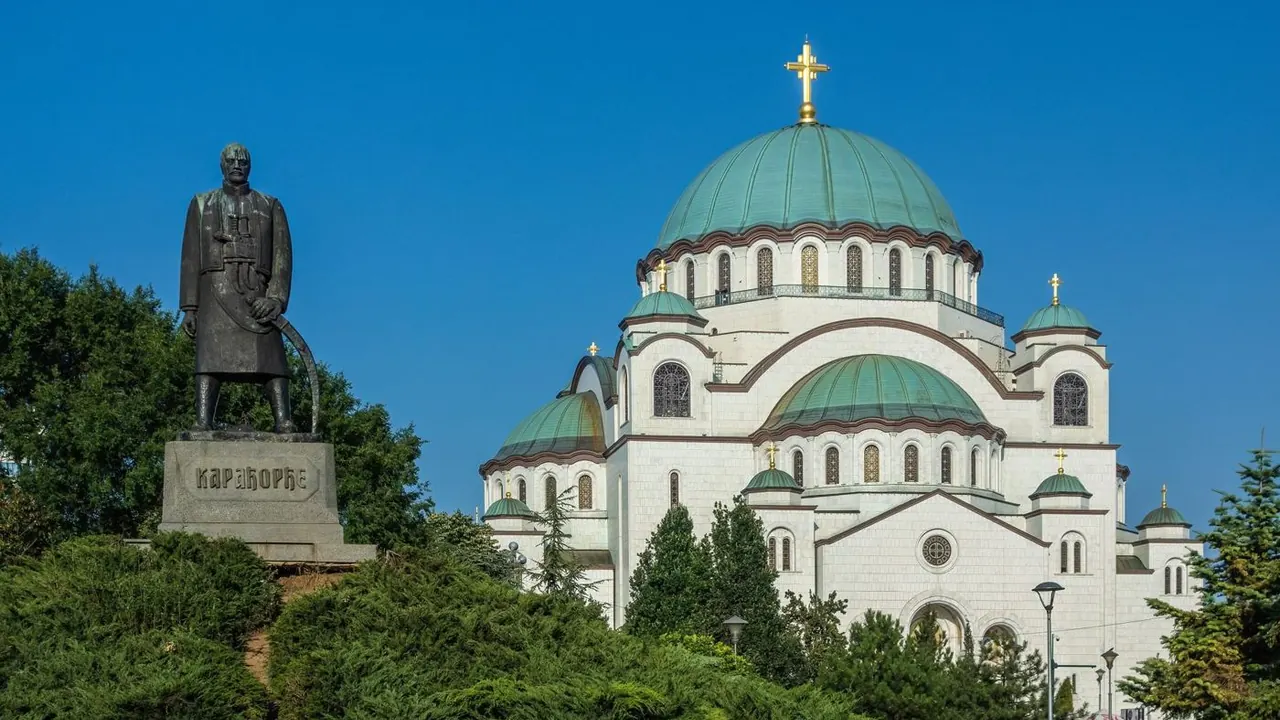
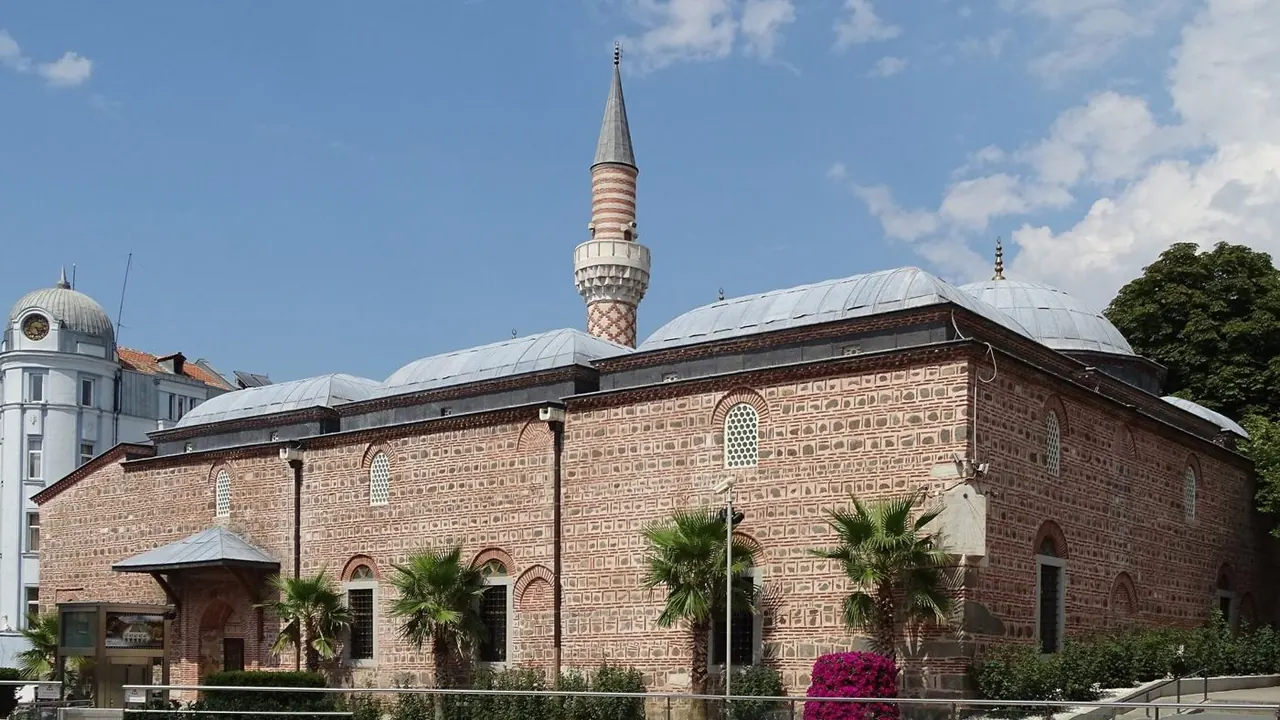
Photos: Belgrade by Petar Milošević, CC BY-SA 4.0, cropped; Plovdiv by Ad Meskens, CC BY-SA 4.0, cropped.
Belgrade or Plovdiv?
Our verdict in twelve categories, each scored against the same fixed benchmark cities, and the climate month by month, so you can choose for your trip.
Choose Belgrade for
- nightlife
- beaches
- live music and the arts
Belgrade is the pick for travellers who want a capital with momentum. Its nights are the main draw: floating clubs on the Sava and Danube, crowded bars in Dorćol, long kafana evenings with rakija and a band. It also has the fuller stage calendar, the heartier food scene and a real place to swim in summer on Ada Ciganlija. It suits groups, night owls and anyone happy to trade quiet for energy.
Choose Plovdiv for
- nature and the outdoors
- culture and sights
- wellness
Plovdiv rewards a slower, older kind of trip. The Roman theatre, the stadium under the main street and the painted Revival houses of the Old Town give it the deeper history, and the whole centre can be walked. The Rhodopes start just outside town, and Bachkovo, Kazanlak and the Thracian sites are within an easy drive. It is cheaper too, and the local habit of taking things slowly makes it the better choice for unhurried sightseeing, wine and mountain air.
Scoreboard
Twelve categories on one fixed scale from 0 to 100. The shaded stretch is the gap between the two.
Your match
Pick a travel style or drag the sliders, and both match scores follow your weighting.
Wins on nightlife and beaches with your weighting.
Wins on nature and the outdoors and culture and sights with your weighting.
What matters to you?
Category by category
What the scores mean for a trip.
Beaches & swimming
Neither city is a beach destination, but Belgrade at least gives a summer visitor a proper swim. Ada Ciganlija has long gravel shores on a lifeguarded lake made from the Sava and feels like a big city lido. The sandy Lido across the Danube from Zemun is wilder and quieter.
Plovdiv lies about 250km from the Black Sea and has only pools, the rowing canal and reservoirs up in the Rhodopes. Anyone who wants sand should add a few days on the coast.
Food & drink
Both cities cook Balkan grill food with shopska salad on the side, but Belgrade does it with more depth and ceremony. Its kafanas in Skadarlija and Zemun serve long menus, rakija and often a band. The Zeleni Venac and Kalenić markets are worth a morning, and Belgrade takes its fruit brandies seriously.
Plovdiv's mehanas serve clay-pot kavarma and banitsa in beamed Old Town rooms, and Kapana adds bistros and craft beer. Its real strength is Thracian Valley wine, especially Mavrud. In both cities, vegetarians and anyone looking for fine dining will find little choice.
Culture & sights
Plovdiv has the stronger historic centre. The Roman theatre still looks out over the city, the stadium lies open beneath the main street, the basilicas hold early Christian mosaics, and the Old Town keeps whole lanes of painted National Revival merchant houses, several of them now museums.
Belgrade has fine single sights rather than a preserved quarter. Kalemegdan's layered walls stand above the meeting of the rivers, Saint Sava has its gold mosaic interior, and the Museum of Yugoslavia holds Tito's tomb. Repeated destruction has left only patches of the older city.
Nightlife
Belgrade is one of the reasons people travel the Balkans at night. In summer the splavs moored on the Sava and Danube play turbo-folk and house until dawn, and in winter the scene moves to basements and old industrial spaces. At the big clubs, people book a table and order by the bottle.
Plovdiv's evenings stay small and mostly fit inside Kapana's few streets, where craft beer and wine bars fill the pavements. The student crowd keeps it going, but most nights end over local red rather than on a dance floor.
Nature & outdoors
Plovdiv has mountains close by. The Rhodopes begin about 20km beyond Asenovgrad, with gorges, forest trails and the ski slopes at Pamporovo. The higher Central Balkan range is an hour north, and the rocky tepeta hills give short climbs right in the city.
Belgrade's outdoors is flat and gentle. There are kilometres of river promenade, the heron-filled wetland of Great War Island, and the wooded slopes of Avala and Fruška Gora. Its more dramatic scenery, such as the Iron Gates, is too far for a day.
Day trips
Plovdiv makes the richer base. Bachkovo Monastery is half an hour away, Hisarya's Roman walls and the Thracian temple at Starosel are within an hour, and Kazanlak's tomb, the Valley of Roses and Koprivshtitsa make full days out. Many of these need a hire car.
Belgrade has a shorter list, but its best trip is easier. Novi Sad and Petrovaradin are under an hour by fast train, and Sremski Karlovci and the Fruška Gora monasteries fit into the same day. Smederevo's fortress and Viminacium lie down the Danube.
Good for families
The two are much alike for families. Both are warm towards children and have little built specifically for them, but the outings are different. Belgrade has more to do: tanks outside the military museum and a small zoo inside Kalemegdan, plus lake swimming and bike hire on Ada Ciganlija in summer. Its traffic and crowded pavements make pushchairs hard work.
Plovdiv is easier to get around with small children, thanks to the long car-free main street, the singing fountains in the Tsar Simeon Garden and the playgrounds by the rowing canal. Its Old Town cobbles are steep, though, and there is nowhere comparable to swim.
Getting around
Plovdiv is the easier city to cover on foot. One long car-free street links the station side of town with the Roman ruins, Kapana and the Old Town, so a visitor rarely needs transport, though the polished cobbles on the hills are hard on ankles.
Belgrade's core is walkable too, but there are steep climbs up from the rivers, and Zemun and New Belgrade lie across the Sava. There is no metro, the trams and buses are crowded and hard to work out, and most visitors rely on taxis.
Shopping & style
Neither city is worth the trip for shopping, but Belgrade offers a little more. Knez Mihailova and the big riverside malls cover the brands, young designers have boutiques in Dorćol and Vračar, and the markets sell honey, ajvar and rakija to take home.
Plovdiv has a smaller selection, with chains on the main street, craft studios and galleries in Kapana and antique stalls on the way up into the Old Town. Rose oil cosmetics and local wine are its typical gifts.
Affordability
Both are cheap by European standards, but Plovdiv stretches a budget further. Old Town guesthouses cost little, a mehana meal with wine is modest, and the ruins along the main street are free to see.
In Belgrade, food, drink and taxis are cheap, but central rooms in Dorćol or near Knez Mihailova cost closer to Central European prices, and the clubs on the river charge more.
Live music & performing arts
Belgrade has the fuller calendar. Through the season the National Theatre stages opera and ballet, the Philharmonic plays at the historic Kolarac hall, and BITEF and BEMUS fill the autumn. Tamburica bands play at the tables in Skadarlija's kafanas.
Plovdiv's scene is modest and mostly in Bulgarian, but it has one experience Belgrade cannot match: opera or a concert on a summer evening in the Roman theatre.
Wellness & relaxation
Plovdiv is the calmer place to unwind. Aylyak, the local art of taking things slowly, sets the pace, and real mineral bathing is close by at Hisarya, with Velingrad's warm pools further into the Rhodopes.
Belgrade has no bathing tradition and its spa towns are hours away. The centre is noisy, smoking indoors is common and nights run late. Its quiet moments come from a long terrace coffee or an afternoon by the lake on Ada Ciganlija.
When should you go?
Pick your month. The climate figures are measured averages, not a forecast.
Belgrade in July
Plovdiv in July
Daytime high, °C
Rainfall in the month, mm
Where the figures come from
Plovdiv has no rain gauge within 25 km of the centre, so its rainfall comes from a gridded climate dataset read at the city rather than from a gauge further away.
Plovdiv's sunshine is measured 75 km from the centre, at Kurdjali.
Temperature and rainfall are climate normals, averaged over the years shown. Belgrade: 1991-2020 normals, Beograd (2.1 km from centre). Plovdiv: 1997-2020 (sunshine 1991-2020, rainfall 1991-2020) normals, Plovdiv (1.2 km from centre).
Both cities have a continental year, with grey winters and January highs of around 5°C. May and September are the most comfortable months for walking the streets in either city. In Belgrade, June is also warm, but it is the wettest month at about 95mm, so expect storms. July and August are hot and very sunny, reaching about 30°C, and they are the months to swim in the lake on Ada Ciganlija.
Plovdiv's summer is a little hotter, at 31°C in July and August, which makes the middle of the day tiring among the ruins and on the Old Town hills. It is also the driest season there, with only about 26mm in August. Unlike Belgrade, Plovdiv has a fairly settled June, so it is a good month for walking too. Its rain comes mostly in autumn and winter and is heaviest in December.
Which traveller are you?
For a food and nightlife trip, Belgrade is the clear choice. Grill houses and kafanas with live bands lead into nights on the river splavs and Dorćol's packed bars, which run until dawn. Plovdiv offers wine bars in Kapana and an earlier night.
On an outdoors trip, Plovdiv is far better placed. You can climb its rocky hills inside the town, the forested Rhodope valleys begin about 20km south, and the Central Balkan range is an hour away. Belgrade's outdoor life is mostly riverside promenades and gentle wooded parks.
On a relaxing and wellness trip, Plovdiv suits better. Its slow pace is a point of local pride, coffee under the plane trees takes hours, and the mineral pools of Hisarya are within an hour. Belgrade is loud and late, and its spa towns are far away.
Before you go
| Measure | Belgrade | Plovdiv |
|---|---|---|
| Official language | Serbian | Bulgarian |
| Currency | Serbian Dinar (RSD) | Euro (EUR) |
| Sockets | CF230 V, 50 Hz | CF230 V, 50 Hz |
| Driving side | Right | Right |
| Time zone | UTC+1, UTC+2 in summer | UTC+2, UTC+3 in summer |
| Emergency number | Police 92/192, ambulance 94/194, fire 93/193 | 112 |
| Elevation | 117 m | 172 m |
| Main airport | Belgrade Nikola Tesla Airport (BEG)12 km from centre125 non-stop destinations | Plovdiv International Airport (PDV)12 km from centre8 non-stop destinations |
| Public holidays this year | 11 days | 15 days |
By the numbers
| Measure | Belgrade | Plovdiv |
|---|---|---|
| City population | 1,197,714 | 333,994 |
| People per km² | 3,327 | 3,274 |
| Museums within 10 km | 65 | 18 |
| UNESCO World Heritage sites within 50 km | 0 | 0 |
Where else could you go?
Every comparison below shares a destination with this one, so you can follow Belgrade or Plovdiv somewhere new.