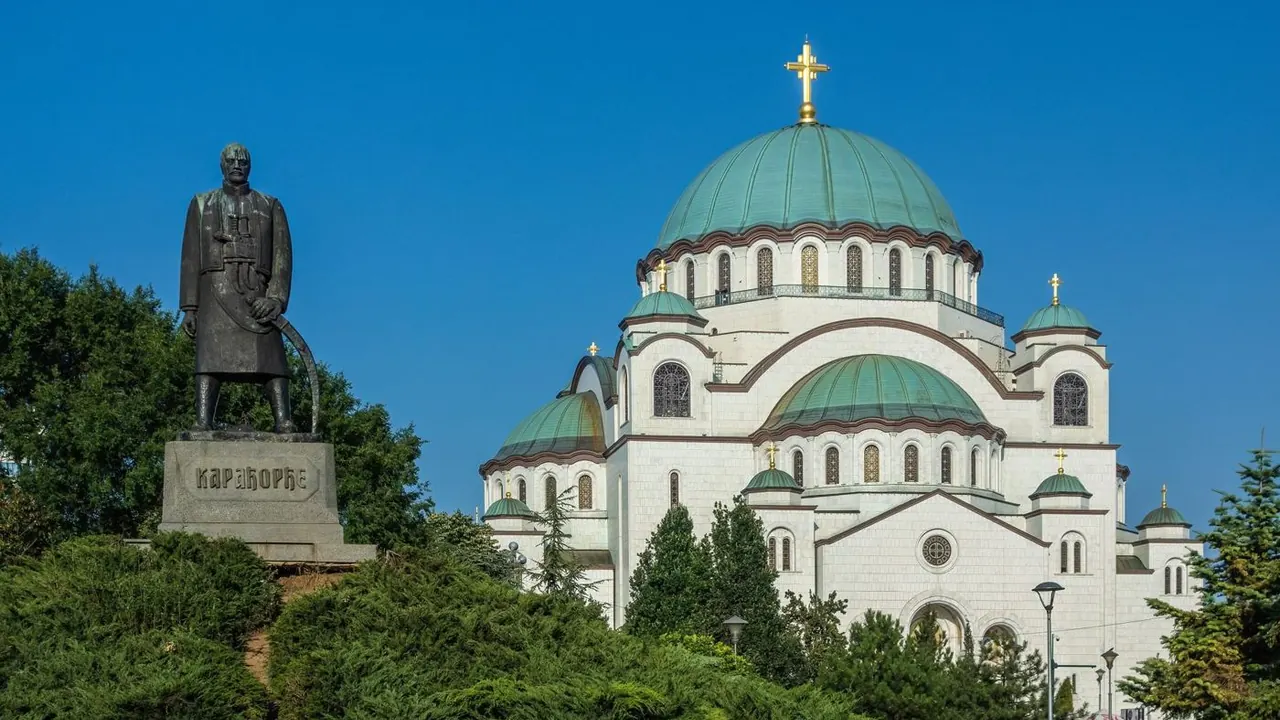
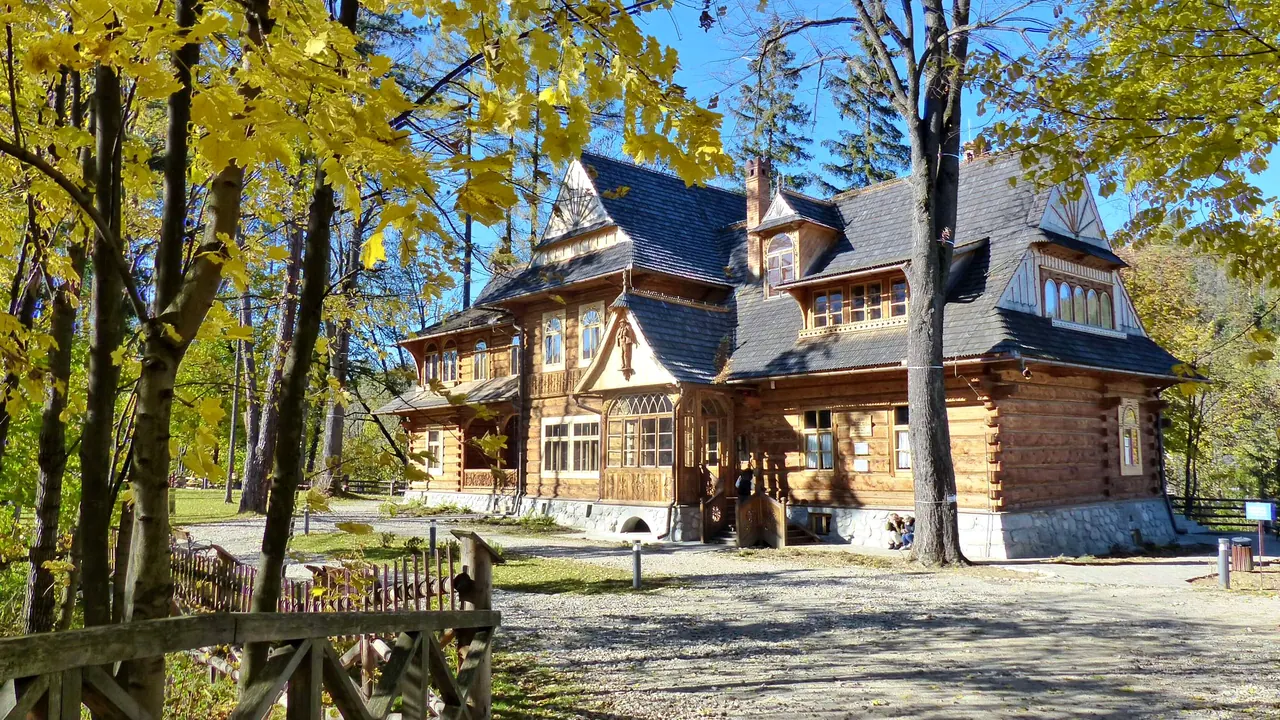
Photos: Belgrade by Petar Milošević, CC BY-SA 4.0, cropped; Zakopane by Wojciech Grzegorz Domagała, CC BY-SA 4.0, cropped.
Belgrade or Zakopane?
Our verdict in twelve categories, each scored against the same fixed benchmark cities, and the climate month by month, so you can choose for your trip.
Choose Belgrade for
- nightlife
- beaches
- live music and the arts
Belgrade is the pick for a city trip built around evenings: long kafana dinners, river clubs that run until dawn, a fortress and a few strong museums by day, and a summer swim on Ada Ciganlija. It suits groups, night owls and anyone who wants a capital that is cheap to enjoy and easy to fill for three days.
Choose Zakopane for
- nature and the outdoors
- wellness
- families
Walkers, skiers and families who like fresh air will be happier in Zakopane. The Tatras start where the streets end, the valleys suit small legs as well as serious hikers, and evenings wind down in a steaming thermal pool or a timber inn rather than on a dance floor. The town's own sights take a day, and the mountains fill the rest.
Scoreboard
Twelve categories on one fixed scale from 0 to 100. The shaded stretch is the gap between the two.
Your match
Pick a travel style or drag the sliders, and both match scores follow your weighting.
Wins on nightlife and beaches with your weighting.
Wins on nature and the outdoors and wellness with your weighting.
What matters to you?
Category by category
What the scores mean for a trip.
Beaches & swimming
Neither city has a coast, but Belgrade has real summer swimming. Ada Ciganlija's long gravel shores on the Sava lake are warm and lifeguarded, and the sandier, wilder Lido on Great War Island is a boat ride from Zemun.
Zakopane's glacial lakes are cold and closed to bathers, and the nearest open water is the Czorsztyn reservoir about an hour's drive away. In practice a swim there means the outdoor thermal pools, which do at least stay warm in any season.
Food & drink
Both cities cook hearty, meat-heavy food, but Belgrade has more of it and more variety. Ćevapi, pljeskavica and slow-roasted meats come with kajmak and ajvar, the kafanas of Skadarlija and Zemun keep the old tavern style alive, and burek, the Kalenić and Zeleni Venac markets and Fruška Gora wines fill out the day.
Zakopane's highland table is distinctive but narrow. Grilled oscypek with cranberry and kwaśnica soup are worth trying, but many Krupówki menus repeat each other, and the better meals are found in family inns on the side streets.
Culture & sights
Belgrade has more to see, even if little of it is grand. Kalemegdan layers two thousand years of walls above the meeting of the Sava and Danube, the Temple of Saint Sava glows with gold mosaic inside, and the Museum of Yugoslavia and the National Museum hold the strongest collections. It takes two or three days to cover.
Zakopane's heritage is small and very much its own. The wooden Zakopane style shows in Villa Koliba, the Jaszczurówka chapel and the steep-roofed villas, and the carved grave markers of Pęksowy Brzyzek are the most memorable sight. It fits into a single day.
Nightlife
Belgrade is one of the reasons people travel to the Balkans for a night out. Splav clubs moored on both rivers play everything from turbo-folk to house through the summer, Dorćol's bar streets spill onto the pavement, and the big clubs run on table bookings, bottle service and sharp dress until dawn.
Zakopane's evenings centre on the pubs and a few clubs along Krupówki. They are lively mainly on winter weekends and during the ski season, and they go quiet midweek, when most hikers turn in early anyway.
Nature & outdoors
This is where Zakopane pulls far ahead. Granite peaks, cirques and glacial lakes lie right above town, with easy valley walks through Kościeliska, the long road to Morskie Oko, harder climbs to Giewont and Rysy, and the Orla Perć ridge for scramblers. Winter adds skiing, and the Dunajec gorge offers rafting in summer.
Belgrade's outdoors is gentler and grows out of its rivers. There are long promenades for cycling, herons on Great War Island, the woods of Košutnjak and Avala, and easy vineyard walks on Fruška Gora.
Day trips
Both have a good range of outings, and the difference lies in their character. From Belgrade the best day goes north by fast train to Habsburg Novi Sad and its Petrovaradin fortress, or to baroque Sremski Karlovci and the Fruška Gora monasteries. Danube fortresses at Smederevo and Golubac lie to the east, though most trips beyond Novi Sad need a car or a tour.
Zakopane's big outing is Kraków with the Wieliczka salt mine, about two hours away on a busy road. Nearer at hand are the painted wooden church at Dębno, the log houses of Chochołów and, over the Slovak border, Spiš Castle and Levoča. Weekend traffic is the catch.
Good for families
Zakopane is the easier choice with children. The Gubałówka funicular leads to slides and a summer toboggan run, the flat Kościeliska valley suits pushchairs, winter brings sledging and ski schools, and the thermal water parks save a rainy day.
Belgrade welcomes children warmly at the table, and Kalemegdan's ramparts, tanks and small zoo make a good afternoon, as does the shallow water at Ada in summer. Beyond that there is little built for them, and the traffic and crowded pavements make pushchairs hard work, so it suits older children better than toddlers.
Getting around
Both are easy to manage once you are there, in quite different ways. Belgrade's central sights are walkable, though slopes climb up from the rivers. Trams and buses cover the city without a metro and are crowded, so cheap taxis and ride-hailing do much of the work for visitors.
In Zakopane the pedestrianised centre is tiny, and minibuses run to Kuźnice and the valley trailheads. The hard part is arriving: the road jams at peak times, and the train from Kraków is slow.
Shopping & style
Belgrade gives a little more to browse, with Knez Mihailova and the riverside malls for familiar brands, young designers in Dorćol and Vračar, and markets for honey, ajvar and rakija to take home.
Zakopane's shopping is almost all souvenirs, but the craft behind it is real. Look for thick wool sweaters, sheepskins, carved boxes and wheels of oscypek at the Gubałówka market.
Affordability
Belgrade's low costs hold steady through the year. Kafana meals, terrace coffees, rounds of rakija and taxis all cost little, and the fortress park and many museums are cheap or free. The main expenses are a central room in Dorćol or near Knez Mihailova and the smarter clubs on the river.
Zakopane's prices move with the seasons. Family guesthouses, inn meals, minibuses and park entry cost far less than in the Alps, but at Christmas, New Year, the winter school breaks and on long summer weekends rooms cost noticeably more and need booking early. Spring and autumn are the cheapest times to go.
Live music & performing arts
Belgrade has a proper capital's stage. The National Theatre puts on opera and ballet, the Belgrade Philharmonic plays at the Kolarac hall, and BITEF and BEMUS anchor the autumn. Tamburica bands in the Skadarlija kafanas add music every night.
Zakopane's offering is smaller but rooted in the place. There is the Witkacy Theatre, highland fiddle bands play in the inns, and every August the International Festival of Mountain Folklore fills the streets with dance troupes.
Wellness & relaxation
Zakopane was built on the idea of restoring health in mountain air. The geothermal complexes at Chochołów, Białka Tatrzańska, Bukowina and Szaflary, with outdoor pools steaming in the snow, make a soak after hiking or skiing part of the routine. A guesthouse on the quieter slopes avoids the noise of the centre.
Belgrade has no bathing tradition and only hotel spas. Its restful moments are long terrace coffees and lazy afternoons by the lake or the Danube, in a city that otherwise runs loud and late.
When should you go?
Pick your month. The climate figures are measured averages, not a forecast.
Belgrade in July
Zakopane in July
Daytime high, °C
Rainfall in the month, mm
Where the figures come from
Zakopane has no rain gauge within 25 km of the centre, so its rainfall comes from a gridded climate dataset read at the city rather than from a gauge further away.
Zakopane's sunshine is measured 34 km from the centre, at Poprad / Tatry.
Temperature and rainfall are climate normals, averaged over the years shown. Belgrade: 1991-2020 normals, Beograd (2.1 km from centre). Zakopane: 1999-2020 (sunshine 1991-2020, rainfall 1991-2020) normals, Zakopane (0.2 km from centre).
Belgrade has a hot, sunny summer. July and August reach about 30°C with plenty of sunshine, which is good for the lake at Ada Ciganlija and the river clubs but tiring for sightseeing at midday. June is its wettest month at around 95mm. May and September are the most comfortable months for walking the city. Winters are short on sun and cold enough to keep life indoors.
Zakopane is cooler all year. Summer highs sit around 21°C, which is ideal for hiking, but this is also the wettest season by far, with July bringing about 176mm, so plan for rain on mountain days. September is drier and still mild, which makes it a good month for the trails. From December to February daytime highs hover around 0°C, and that cold brings the skiing and sledging. Belgrade is the better choice from late spring into early autumn, while Zakopane gives more in deep winter and is at its best for walking in late summer.
Which traveller are you?
On a food and nightlife trip, Belgrade wins easily. Grill-heavy kafanas with rakija and live bands lead into late bars in Dorćol and floating splav clubs on the rivers. Zakopane's highland inns are cosy, but its evenings are short and mostly seasonal.
For an outdoors trip, Zakopane is the clear choice. The Tatra national park begins at the edge of town, with valley walks, Morskie Oko, Giewont and Rysy, a cable car to Kasprowy Wierch, and skiing in winter. Belgrade's riverside paths and wooded parks are pleasant, but they are city green space.
On a relaxing and wellness trip, Zakopane suits far better. It grew up as a health resort, and the geothermal pools at Chochołów and Białka Tatrzańska steam with mountain views. Belgrade is loud, smoky and late-running, so its calm is limited to terrace coffees and the lake.
Before you go
| Measure | Belgrade | Zakopane |
|---|---|---|
| Official language | Serbian | Polish |
| Currency | Serbian Dinar (RSD) | Zloty (PLN) |
| Sockets | CF230 V, 50 Hz | CE50 Hz |
| Driving side | Right | Right |
| Time zone | UTC+1, UTC+2 in summer | UTC+1, UTC+2 in summer |
| Emergency number | Police 92/192, ambulance 94/194, fire 93/193 | 112 |
| Elevation | 117 m | 837 m |
| Main airport | Belgrade Nikola Tesla Airport (BEG)12 km from centre124 non-stop destinations | Kraków John Paul II International Airport (KRK)87 km from centre132 non-stop destinations |
| Public holidays this year | 11 days | 14 days |
By the numbers
| Measure | Belgrade | Zakopane |
|---|---|---|
| City population | 1,197,714 | 25,770 |
| People per km² | 3,327 | 306 |
| Museums within 10 km | 65 | 18 |
| UNESCO World Heritage sites within 50 km | 0 | 2 |
Where else could you go?
Every comparison below shares a destination with this one, so you can follow Belgrade or Zakopane somewhere new.
- Krakowvs Zakopane
- Sarajevovs Belgrade
- Budapestvs Zakopane
- Brnovs Zakopane
- Bratislavavs Zakopane
- Mostarvs Belgrade