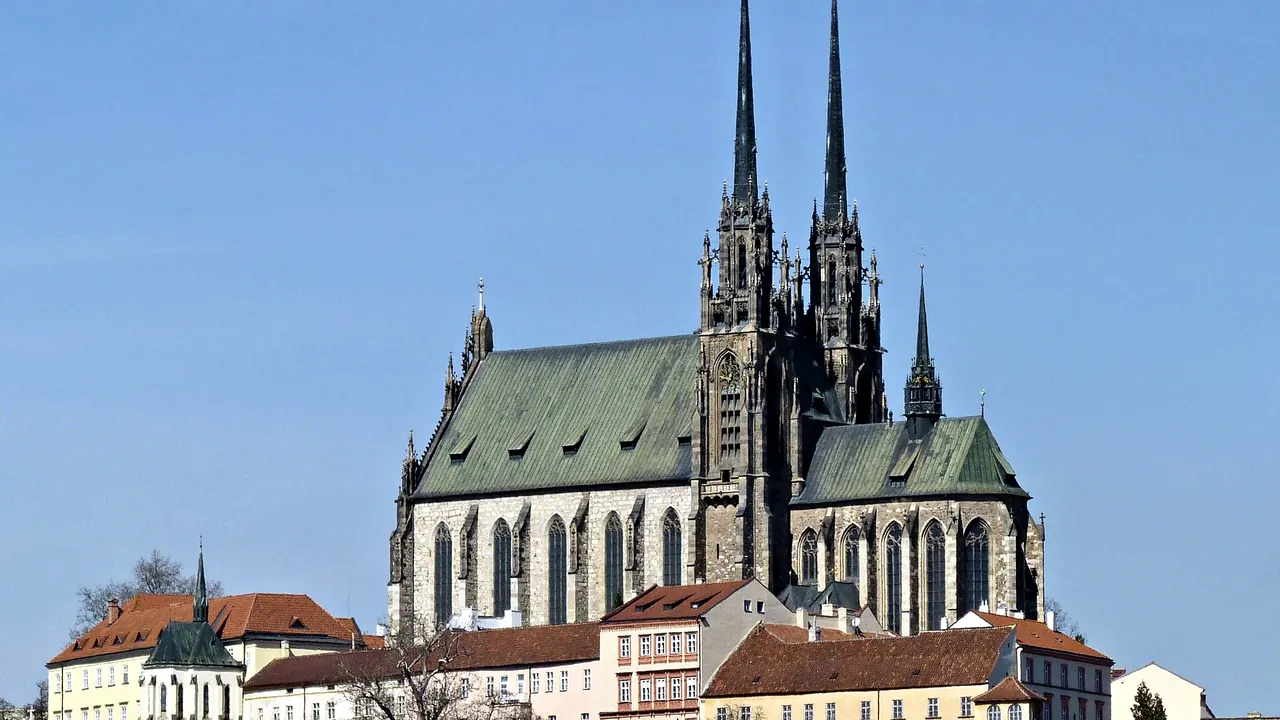
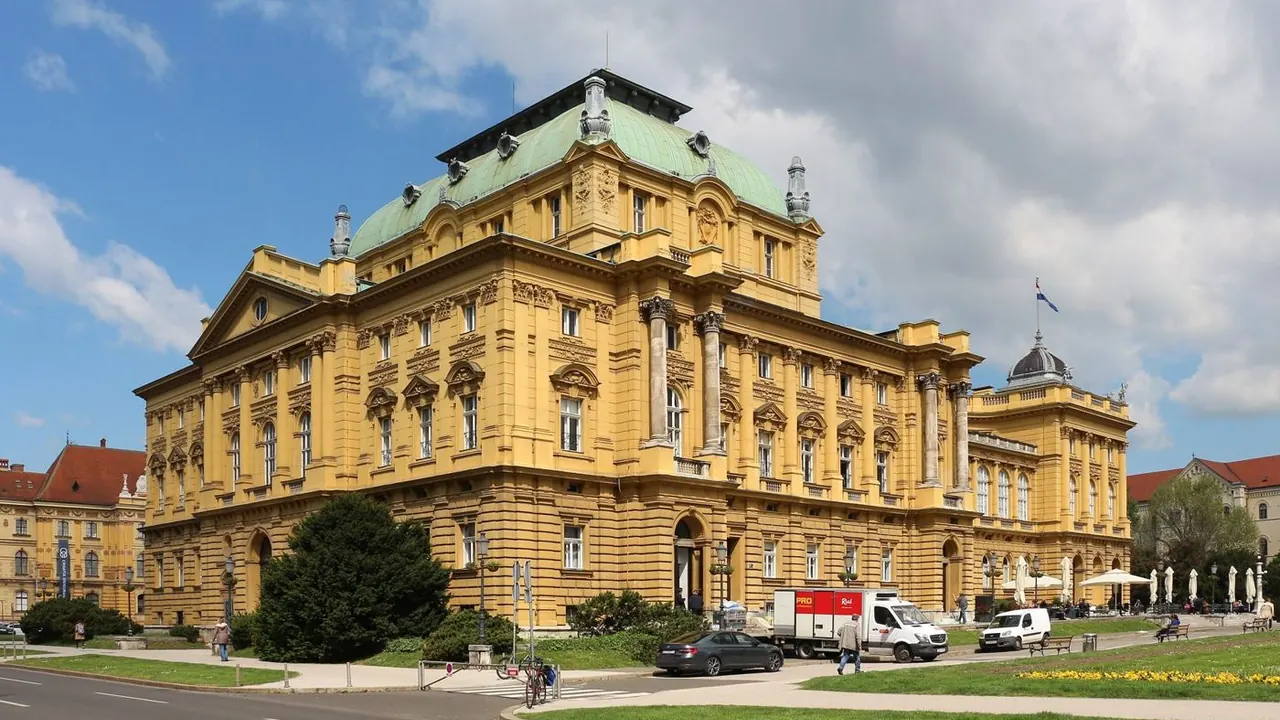
Photos: Brno by Michal Klajban, CC BY-SA 3.0, cropped; Zagreb by Bernard Gagnon, CC BY-SA 4.0, cropped.
Brno or Zagreb?
Our verdict in twelve categories, each scored against the same fixed benchmark cities, and the climate month by month, so you can choose for your trip.
Choose Brno for
- day trips
- prices
- getting around
Brno suits the traveller who wants a cheap, well-connected base and plans to spend half the trip out of town. Lednice-Valtice, the Austerlitz battlefield, Telc, Kromeriz and the southern wine towns are all within easy reach on one regional ticket. In the city itself the draws are modernist architecture, Janacek's operas and long evenings in small, carefully run cocktail bars.
Choose Zagreb for
- food and drink
- shopping
- nature and the outdoors
Zagreb is the better pick for a slower stay centred on the city and its green edges. It has more to eat, with Dolac market at the heart of it. Medvednica's beech forests begin where the trams and buses end, and the Zagorje thermal spas are close enough for an afternoon soak. It costs somewhat more, and fewer first-rank sights lie within a day's reach.
Scoreboard
Twelve categories on one fixed scale from 0 to 100. The shaded stretch is the gap between the two.
Your match
Pick a travel style or drag the sliders, and both match scores follow your weighting.
Too close to call, 1 point apart
Wins on day trips and prices with your weighting.
Wins on food and drink and shopping with your weighting.
What matters to you?
Category by category
What the scores mean for a trip.
Beaches & swimming
Neither city is a beach destination, and on hot days locals in both head for an inland lake. Brno's reservoir on the Svratka is reached by tram and river boat and has grassy banks and small beaches, though algae can spoil the water in a heatwave. Zagreb's Jarun is a former gravel pit with pebbly shores, lifeguarded areas and rowing lanes.
The bigger difference is the sea. From Zagreb the Adriatic is about two hours by road, so a coastal stop is easy to add. Brno is far from any coast, and the best it can offer beyond the reservoir is the Nove Mlyny lakes an hour south.
Food & drink
Both cities serve hearty Central European food, but Zagreb gives you more to eat. Štrukli, turkey with mlinci and fresh cheese with cream are worth seeking out. Dolac market under its red umbrellas is a richer morning visit than Brno's Zelny trh.
Brno is stronger on drink than on food. It has specialty coffee, serious cocktails, and Moravian whites and Frankovka from vineyards an hour south. Its menus lean heavily on svickova, goulash and pub lunch menus, and since fine dining is thin in both cities, neither makes a gourmet trip.
Culture & sights
The two are evenly matched for sights, and each needs about two days, but they come from different eras. Brno is a city of interwar modernism, with Villa Tugendhat and a rare spread of functionalist buildings. Underground there are the mummified monks of the Capuchin Crypt, and the Mendel Museum stands in the abbey where genetics began.
Zagreb's appeal is older and more picturesque. The medieval Upper Town has St Mark's tiled roof and the Stone Gate, the Austro-Hungarian Lower Town is laid out around the Green Horseshoe, and the ivy-covered arcades of Mirogoj cemetery are among its finest sights. Its museums run from old masters to naive art and the Museum of Broken Relationships.
Nightlife
Nights out are on a similar scale in both cities: relaxed and built around drinks rather than clubs. Brno goes out indoors, to small cocktail bars behind unmarked doors and student cellars around Jakubske namesti. It goes noticeably quiet when the students leave in July and August.
Zagreb goes out on its terraces, where the café-bars along Tkalčićeva switch from coffee to drinks as the evening goes on. Its summer is livelier rather than quieter, because the crowd moves out to the clubs by Lake Jarun.
Nature & outdoors
Brno's best landscape is half an hour north in the Moravian Karst, where a boat runs along an underground river through the Punkva Caves, below the Macocha Abyss. Further south, the white limestone Palava hills rise above the Nove Mlyny lakes, and the Dyje winds through Podyji. Near the city there are only Spilberk hill and the woods by the reservoir. Brno has no mountains or forested range on its doorstep, so its countryside means caves, vineyards and long cycling routes.
Zagreb has the better outdoors close to the centre. Medvednica rises to about 1,030m at the city's northern edge, a tram and bus ride away, with beech woods, mountain huts and a small ski slope in snowy winters. Maksimir's lakes and oak woods are inside the city itself.
Day trips
Day trips are where Brno pulls clearly ahead. Within an hour or two lie Lednice-Valtice, Telc, Trebic, Kromeriz and Zelena Hora, an unusual concentration of UNESCO sites, with the Austerlitz battlefield closer still. Vienna and Bratislava are each about an hour and a half by train.
Zagreb's surroundings are pleasant rather than outstanding. Nearby are Trakošćan castle, the pilgrimage church at Marija Bistrica, baroque Varaždin, Samobor and the star-shaped fortress at Karlovac. Plitvice and Ljubljana are each about two hours away or more, so the most memorable trips take a long day.
Good for families
Both are safe, easy cities for children, and neither has a theme park or a large aquarium. Brno's highlights are the VIDA science centre, the mammoths at Anthropos and, best of all, the boat ride through the Punkva Caves. Zagreb has the Tesla technical museum with its trams, planes and mock mine, a zoo inside Maksimir and the tiny funicular.
Zagreb's flat Lower Town is easier with a pushchair than Brno's cobbles and hills. Its two swimming lakes also give children more room to play in summer.
Getting around
Both centres are compact and well served by trams, but Brno is a little easier to manage. One ticket covers trams, buses and regional trains across South Moravia, so even the castles and wine towns need little planning. The main station is at the edge of the old town.
Zagreb's blue trams cover the city densely, and the funicular saves the climb to the Upper Town. The trams slow down in rush-hour traffic, though, and the Zagorje castles and Plitvice are easier with a car.
Shopping & style
Neither city is worth visiting for the shops, though Zagreb gives you a little more to browse. Ilica has local fashion and small design shops alongside the chains, and there are distinctive things to take home: licitar hearts, Croatian neckties, lace and truffle products, plus a Sunday flea market at Britanski trg. In Brno, Ceska and Masarykova are mostly chain stores, and the best thing to take home is Moravian wine bought at the cellar door.
Affordability
Brno is the cheaper of the two, especially for lunch and drinks. Weekday pub menus, beer and local wine cost very little, and hotels are inexpensive except during the big trade fairs. Zagreb is affordable for an EU capital, and market food, bakery snacks and terrace coffee are easy on the budget, but upmarket meals, cocktails and the better hotels cost close to Western European levels.
Live music & performing arts
Brno has the more distinctive stage life, thanks to Janacek. His operas are at the heart of the repertoire at the Janacek Theatre, and a festival devoted to him is a high point of the year. The Reduta, where the young Mozart once played, adds some history.
Zagreb's season is solid. The ochre Croatian National Theatre stages opera and ballet, the Zagreb Philharmonic plays at the Lisinski hall, and summer brings concerts in Upper Town courtyards. Little of it is internationally known. In both cities, opera, ballet and concerts suit visitors better than spoken theatre in Czech or Croatian.
Wellness & relaxation
Brno has no thermal springs close enough for a soak. In town, wellness means public swimming complexes with sauna areas and a few hotel and day spas. Zagreb's options in town are just as plain, mostly hotel wellness floors. However, Tuheljske, Krapinske and Stubičke Toplice in the Zagorje hills are within about an hour, and their warm mineral pools make an easy afternoon out.
Both cities are calm places to slow down, with café afternoons in Brno's Luzanky park and long terrace mornings in Zagreb.
When should you go?
Pick your month. The climate figures are measured averages, not a forecast.
Brno in July
Zagreb in July
Daytime high, °C
Rainfall in the month, mm
Temperature and rainfall are climate normals, averaged over the years shown. Brno: 1991-2020 normals, Brno / Turany (8.4 km from centre). Zagreb: 1991-2020 (sunshine 1981-2010, rainfall 1981-2010) normals, Zagreb / Gric (0.6 km from centre).
Both cities have the same continental pattern, but Zagreb is a few degrees warmer all year and a good deal wetter. Brno's summer peaks at about 26°C, which is comfortable for walking and warm enough for the reservoir from June to August. Zagreb reaches 29°C in July, which makes midday sightseeing tiring and the lakes at Jarun inviting. In Brno most of the year's rain comes in summer, as showers and storms from May to August. Zagreb is damp more evenly through the year, and June and August each bring over 100mm. Both get their most sunshine in July.
Winter is grey in both and colder in Brno, where January highs barely get above freezing and the days are short and dull, though dry. For walking and day trips, Brno is at its best in May, June and September. In Zagreb, April, May and September avoid the summer heat, and April is the drier of these.
Which traveller are you?
On a culture and arts trip, Brno has the edge. Janacek's operas, Villa Tugendhat and the functionalist districts fill the days in town. The UNESCO towns of southern Moravia, from Telc to Kromeriz, add more heritage than Zagreb has within a day's reach.
For an outdoors trip, Zagreb is the better base. Medvednica's marked trails and mountain huts are a tram and bus ride from the centre, and Maksimir and the Sava embankments suit runs and rides. Plitvice's lakes make a long day further south.
On a food and nightlife trip, Zagreb gives you more to eat: štrukli, Zagorje sausages and the stalls of Dolac, then a slow evening on the Tkalčićeva terraces. Brno answers with sharper cocktail bars and Moravian wine, but its cooking is narrower.
Before you go
| Measure | Brno | Zagreb |
|---|---|---|
| Official language | Czech | Croatian |
| Currency | Czech Koruna (CZK) | Euro (EUR) |
| Sockets | CE230 V, 50 Hz | CF230 V, 50 Hz |
| Driving side | Right | Right |
| Time zone | UTC+1, UTC+2 in summer | UTC+1, UTC+2 in summer |
| Emergency number | 112 | 112 |
| Elevation | 237 m | 127 m |
| Main airport | Brno-Tuřany Airport (BRQ)8 km from centre40 non-stop destinations | Zagreb Franjo Tuđman International Airport (ZAG)11 km from centre66 non-stop destinations |
| Public holidays this year | 13 days | 14 days |
By the numbers
| Measure | Brno | Zagreb |
|---|---|---|
| City population | 402,739 | 767,131 |
| People per km² | 1,750 | - |
| Museums within 10 km | 25 | 27 |
| UNESCO World Heritage sites within 50 km | 2 | 0 |
Where else could you go?
Every comparison below shares a destination with this one, so you can follow Brno or Zagreb somewhere new.