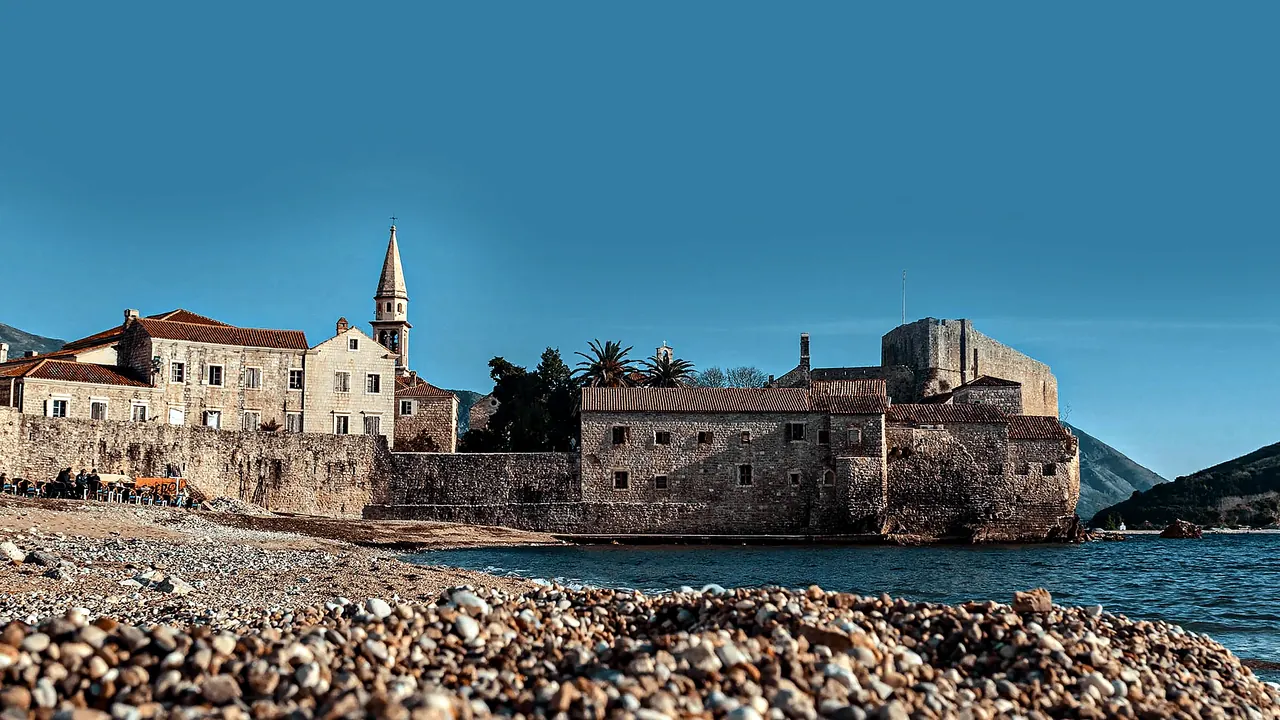
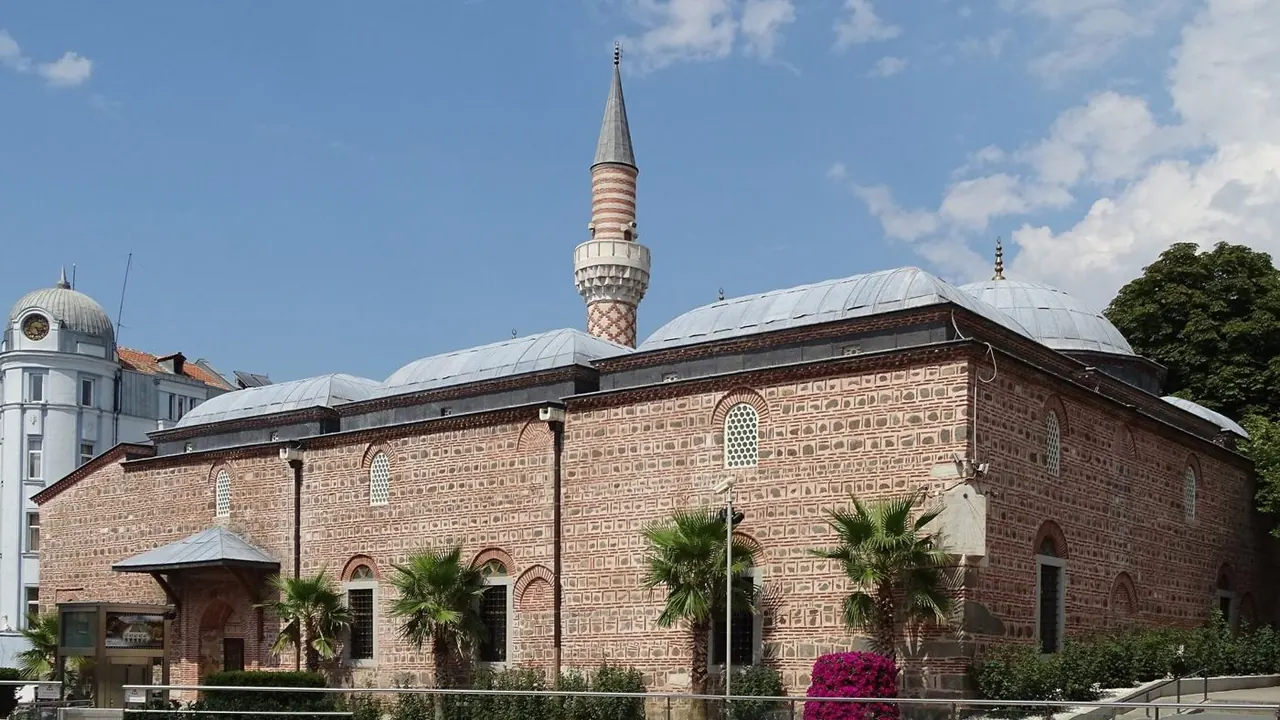
Photos: Budva by Ender Vatan, Pexels License; Plovdiv by Ad Meskens, CC BY-SA 4.0, cropped.
Budva or Plovdiv?
Our verdict in twelve categories, each scored against the same fixed benchmark cities, and the climate month by month, so you can choose for your trip.
Choose Budva for
- beaches
- nightlife
- families
Budva is the pick for a summer by the sea. Its town beaches, the coves at Mogren and the bays running down past Becici and Sveti Stefan give days in the water, and long, loud nights on the seafront follow them. It also sits within easy reach of Kotor, Perast and Lovcen, so a beach week can take in the mountains and the bay as well. Choose it for sun, swimming and a lively resort, not for museums or food.
Choose Plovdiv for
- culture and sights
- live music and the arts
- getting around
Plovdiv suits travellers who want a city with real history and who would rather spend less. Roman theatre and stadium, early Christian mosaics and the painted Revival houses of the Old Town fill two or three days on foot, and evenings in Kapana over Thracian wine cost little. There is no sea, but the pace is slow, the centre walkable and the Rhodopes close by, which makes it a better fit for spring or autumn, and for winter too.
Scoreboard
Twelve categories on one fixed scale from 0 to 100. The shaded stretch is the gap between the two.
Your match
Pick a travel style or drag the sliders, and both match scores follow your weighting.
Wins on beaches and nightlife with your weighting.
Wins on culture and sights and live music and the arts with your weighting.
What matters to you?
Category by category
What the scores mean for a trip.
Beaches & swimming
Budva has a real beach life and Plovdiv has none. Slovenska Plaza runs along the front of the town, Mogren's coves lie just past the walls, and Becici, Jaz and the sand facing Sveti Stefan are a short ride away, mostly fine pebble or coarse sand, busy in high summer.
Plovdiv is around 250km from the Black Sea. Cooling off there means a pool, the rowing canal or a Rhodope reservoir, so anyone wanting to swim in the sea needs to add days on the coast.
Food & drink
Plovdiv eats better. Its mehanas serve hearty Bulgarian cooking such as kavarma, kebapche and banitsa, Kapana adds modern bistros, and Thracian Valley reds like Mavrud come from wineries just outside town.
Budva's promenade restaurants feed the summer crowds with uneven results, so the rewards lie in Njegusi ham, mountain cheese, grilled squid at family konobas and Vranac wine. Neither city has much range or fine dining, but Plovdiv's everyday cooking and wine are the stronger reason to linger at the table.
Culture & sights
Here Plovdiv is in another league. Layers of history sit on top of each other, from the hillside Roman theatre and the stadium beneath the main street to the mosaics of the basilicas, the painted merchant houses of the Old Town, the Dzhumaya Mosque and the Thracian finds of the Archaeological Museum.
Budva's heritage fits inside Stari Grad: marble lanes, a few churches, the Citadel and a small museum, much of it rebuilt after the 1979 earthquake and seen in an hour or two. The bigger sights of its region lie in Kotor and Cetinje.
Nightlife
Budva goes out harder. In summer the beach bars and terrace clubs along Slovenska Plaza play loud pop and house, a hilltop open-air club runs until dawn, and groups of friends come from across the Balkans for it, though it all shuts down from October.
Plovdiv's nights are smaller and calmer, centred on the craft beer, wine and cocktail bars of Kapana, with students keeping them busy through the year. It suits a long evening over a glass rather than a dance floor.
Nature & outdoors
Both have mountains close by, but the setting differs. Budva pairs sea and limestone: coastal paths between bays, kayaking and boat trips under the cliffs, paragliding above Becici, with Lovcen's beech forest and Lake Skadar's reed beds about an hour inland.
Plovdiv is all land. Its rocky tepeta hills give short climbs in the city itself, the Rhodope gorges and forests begin about 20km south, and the higher Central Balkan range lies to the north, with skiing at Pamporovo in winter.
Day trips
Both make good bases, for very different outings. From Budva the trips run along the Adriatic: walled Kotor and baroque Perast on their bay, the old royal capital Cetinje, the wine villages of Lake Skadar, Stari Bar and Ulcinj, with Dubrovnik a long day across a border.
From Plovdiv they lead into Bulgaria's past: Bachkovo Monastery, the Thracian tomb at Kazanlak and the Valley of Roses, Roman Hisarya and the Revival village of Koprivshtitsa. On both sides a car or driver helps a great deal.
Good for families
Budva works better for children who want a beach vacation, with gently shelving town beaches, calmer bays at Becici and a water park above town. In July and August the noise at night pushes many families to Becici or further down the coast.
Plovdiv is relaxed with children and has its parks, the singing fountains in Tsar Simeon Garden and the playgrounds by the rowing canal, but with no sea the days are shorter on entertainment, and the steep Old Town cobbles and summer heat are hard going with small ones.
Getting around
Plovdiv is easier. A long car-free street links the station side of town with the Old Town, and the ruins, Kapana and museums all lie a short walk from it, though the hilltop cobbles are steep and slippery.
Budva's centre is also walkable, from the old town along the promenade to Becici, but beyond it everything depends on one coast road that jams in summer and has no railway. Buses and boat taxis help, yet the inland sights really need a car or a tour.
Shopping & style
Neither is a shopping destination, but Plovdiv offers a little more to browse. Kapana's design studios, galleries and craft shops, the antique stalls on the climb to the Old Town and rose oil cosmetics give it some character beyond the high-street chains and malls. Budva's lanes and promenade stalls sell mostly souvenirs, beachwear, silver filigree and rakija.
Affordability
Plovdiv is noticeably cheaper. Rooms around the Old Town, meals with local wine and taxis all cost little, entrance fees are small, and much of what the city offers costs nothing at all.
Budva is Montenegro's priciest resort, with seafront rooms, sunbeds and promenade meals at their most expensive in July and August. Bakeries, grill houses and apartments a few streets back keep costs moderate, and June or September bring them down.
Live music & performing arts
Plovdiv has more to see and hear, and its highlight is remarkable: opera and concerts on summer nights in the Roman theatre. It also has a resident opera company, philharmonic orchestra, drama theatre and a long-running jazz festival, though much of it is in Bulgarian.
Budva's live culture is essentially the summer Grad Teatar festival on the old town squares, plus cover bands in the seafront bars.
Wellness & relaxation
Plovdiv is the more restful city. Its slow pace, the local art of aylyak, means long coffees under the plane trees, and the mineral pools of Hisarya and Velingrad are within reach for proper bathing.
Budva relies on resort hotel spas in Becici and around Sveti Stefan, and in high summer the music from the seafront carries late, so a calm stay there means coming in May, June or late September.
When should you go?
Pick your month. The climate figures are measured averages, not a forecast.
Budva in July
Plovdiv in July
Daytime high, °C
Rainfall in the month, mm
Where the figures come from
Budva has no rain gauge within 25 km of the centre, so its rainfall comes from a gridded climate dataset read at the city rather than from a gauge further away.
Budva's sunshine is measured 40 km from the centre, at Podgorica-Grad.
Plovdiv has no rain gauge within 25 km of the centre, so its rainfall comes from a gridded climate dataset read at the city rather than from a gauge further away.
Plovdiv's sunshine is measured 75 km from the centre, at Kurdjali.
Temperature and rainfall are climate normals, averaged over the years shown. Budva: 1991-2020 normals, Tivat (15.8 km from centre). Plovdiv: 1997-2020 (sunshine 1991-2020, rainfall 1991-2020) normals, Plovdiv (1.2 km from centre).
Budva is at its best from June to August, when rain is scarce, the sunshine is long and the sea warms to about 26°C by August. The water stays warm through September and into October, so swimming carries on well after the peak, although the rain comes back in September and keeps building through autumn. November and December are the wettest months, with November above 200mm. Winters on the coast are mild but wet. Spring is good for walking the coastal paths, but the sea stays cool until late May.
Plovdiv has no wet season of its own. Its rain is lighter and spread more evenly across the year. Both cities are hot in midsummer, and on the plain July and August reach about 31°C, which makes midday sightseeing tiring. April, May, September and early October suit the Old Town and the hills best. Winter there is drier than on the coast but much colder, with January highs around 5°C against Budva's 12°C. Choose Plovdiv in winter for drier days and Budva for milder ones.
Which traveller are you?
On a beach and sun trip, Budva is the clear choice. It has swimmable sea from June into October and a string of beaches and coves along the coast, while Plovdiv lies hours inland with only pools and reservoirs.
For a culture and arts trip, Plovdiv is far richer. Its Roman theatre, mosaics, Revival houses and museums fill several days, and summer opera in the ancient theatre beats anything Budva offers beyond its small walled old town.
On a trip on a tight budget, Plovdiv stretches the money further. Guesthouses, mehana meals and taxis cost little and many of its pleasures are free, whereas Budva is Montenegro's most expensive resort, particularly in July and August.
Before you go
| Measure | Budva | Plovdiv |
|---|---|---|
| Official language | Montenegrin | Bulgarian |
| Currency | Euro (EUR) | Euro (EUR) |
| Sockets | CF230 V, 50 Hz | CF230 V, 50 Hz |
| Driving side | Right | Right |
| Time zone | UTC+1, UTC+2 in summer | UTC+2, UTC+3 in summer |
| Emergency number | 112 | 112 |
| Elevation | 3 m | 172 m |
| Main airport | Tivat Airport (TIV)17 km from centre42 non-stop destinations | Plovdiv International Airport (PDV)12 km from centre8 non-stop destinations |
| Public holidays this year | - | 15 days |
By the numbers
| Measure | Budva | Plovdiv |
|---|---|---|
| City population | 13,338 | 333,994 |
| People per km² | 109 | 3,274 |
| Museums within 10 km | 0 | 18 |
| UNESCO World Heritage sites within 50 km | 3 | 0 |
| Swim season, months above 21 °C | 5 months | - |
Where else could you go?
Every comparison below shares a destination with this one, so you can follow Budva or Plovdiv somewhere new.