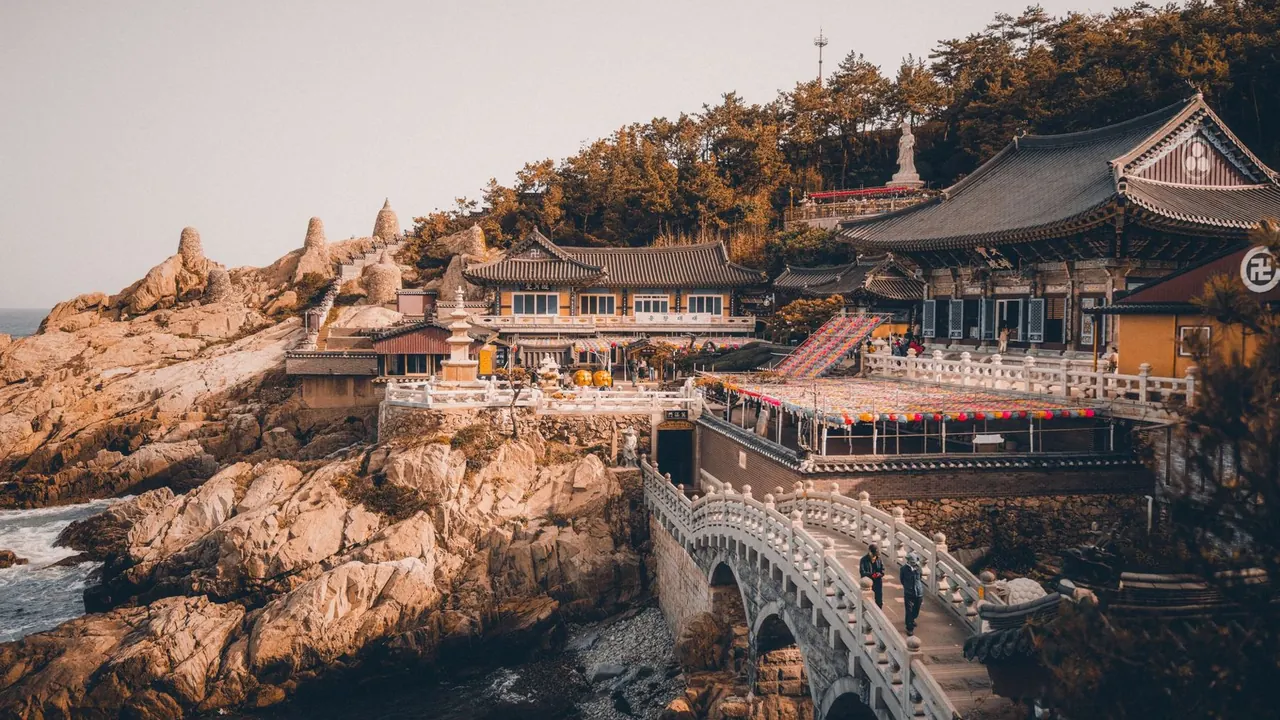
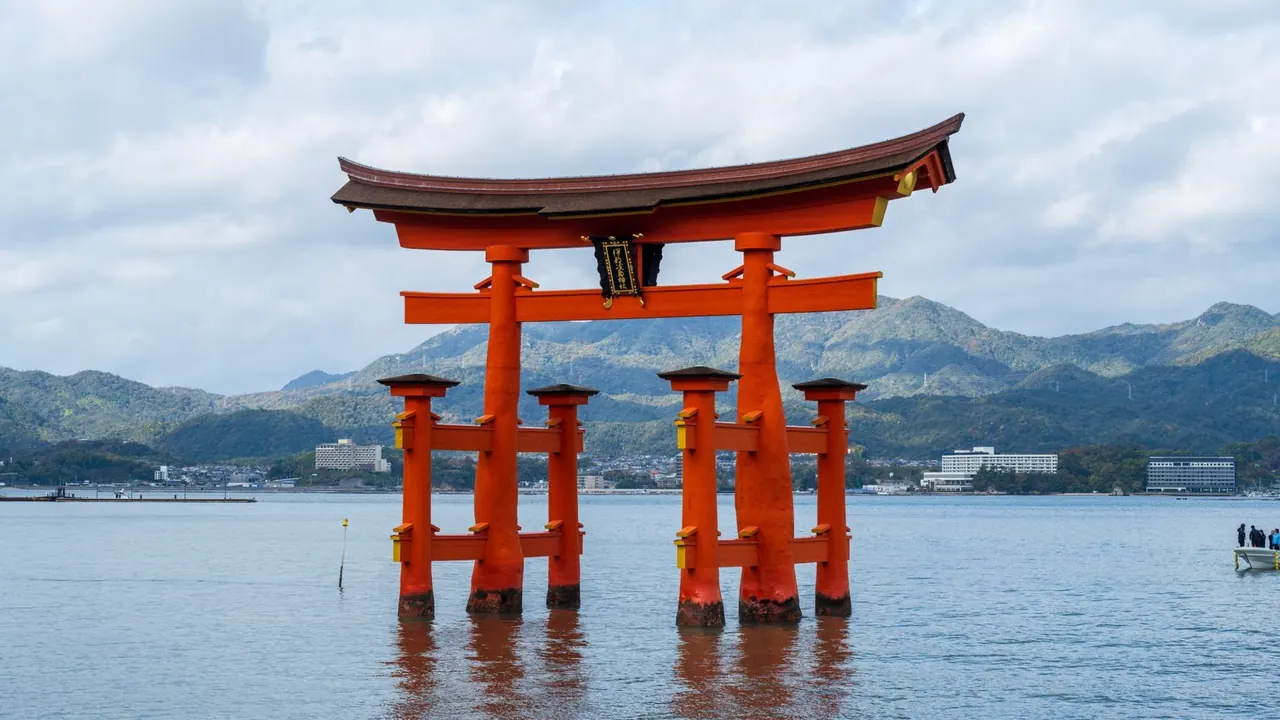
Photos: Busan by Andrea De Santis, Pexels License; Hiroshima by Guohua Song, Pexels License.
Busan or Hiroshima?
Our verdict in twelve categories, each scored against the same fixed benchmark cities, and the climate month by month, so you can choose for your trip.
Choose Busan for
- beaches
- wellness
- nightlife
Busan suits travellers who want a city on the sea. It has sand you can reach by metro, live-fish markets, real hot-spring baths and long, sociable nights out. Choose it for a summer trip with swimming, for a family that wants an aquarium and theme park as well as beaches, or for walkers who like coastal cliffs and mountain trails that start at the edge of town.
Choose Hiroshima for
- culture and sights
- day trips
- getting around
For a trip built around history and excursions, Hiroshima is the better pick. The Peace Memorial Park gives it a weight that few cities carry, and the flat centre is easy to cover on foot or by tram. Miyajima, Himeji and the old towns of the Inland Sea are all close, so Hiroshima works well as a calm base on a wider route through Japan.
Scoreboard
Twelve categories on one fixed scale from 0 to 100. The shaded stretch is the gap between the two.
Your match
Pick a travel style or drag the sliders, and both match scores follow your weighting.
Wins on beaches and wellness with your weighting.
Wins on culture and sights and day trips with your weighting.
What matters to you?
Category by category
What the scores mean for a trip.
Beaches & swimming
This is where the two differ most. Busan's best-known beaches all lie inside the city: Haeundae's long arc of sand under the towers, Gwangalli facing the lit-up bridge, Songjeong with its beginner surfers, and the more local Dadaepo and Songdo. You never have to leave town for a swim, though Haeundae fills with umbrellas in the peak weeks.
Hiroshima's own shoreline is port and reclaimed land, so swimming means taking a ferry to Miyajima, Ninoshima or Etajima, or heading out towards Kure. The water is calm and just as warm in high summer. The beaches are small, though, and suit an afternoon on an island day rather than a whole trip.
Food & drink
Both cities eat from the sea, but Busan has more variety. You choose live fish at Jagalchi or along Millak and eat it upstairs. There is milky pork-bone gukbap through the night, cold milmyeon noodles, fishcake skewers in steaming broth and seed-filled hotteok at the night market, enough for days of different meals.
Hiroshima does fewer things with great care. It has layered okonomiyaki at griddle counters, winter oysters from the bay and conger eel on rice, plus sake tastings in Saijo's brewery street. Neither city offers much international or fine dining.
Culture & sights
Busan's sights are scattered and mostly spiritual or wartime. Beomeosa is a thousand-year-old monastery in the Geumjeongsan forest, while Haedong Yonggungsa has a temple setting rare in Korea, built on the shore with waves breaking below. Add the pastel hillside houses of Gamcheon, the UN Memorial Cemetery and the harbour view from Yongdusan, and you have a varied few days. Each stop is a separate journey, though, and there are few historic streets to wander in between.
Hiroshima has fewer sights, but they carry far more weight. The A-Bomb Dome and the Peace Memorial Museum face the bombing of 1945 directly, and many visitors leave the rest of that day free. The castle's moats and the Edo-period garden at Shukkeien are a short walk away and make a calm afternoon after the museum.
Nightlife
Busan is the livelier place after dark. Seomyeon's blocks of pubs and bars stay busy into the early hours, and Gwangalli's beachfront bars look across the water at the bridge. The student streets near Kyungsung are cheap and young, and tent bars on the shore serve soju with grilled clams.
Hiroshima's answer is Nagarekawa, a dense grid of tiny counter bars, izakaya and karaoke boxes. It is better for a slow evening of sake with a handful of regulars than for a long night of bar-hopping.
Nature & outdoors
Busan has the bolder setting. Trails up Geumjeongsan and Jangsan start near metro stations, and the Igidae cliffs and Taejongdae headland give it a rugged coast. The Galmaetgil trail links much of the shoreline, and the high ridges of the Yeongnam Alps are about an hour inland.
Hiroshima's landscape is gentler: tree-lined river banks, low green hills and the forested islands of the Inland Sea, best seen from Mount Misen. Sandankyo Gorge and the Shimanami Kaido cycling route each make a rewarding full day out.
Day trips
Both are strong bases. Busan's standout trip is Gyeongju, the old Silla capital half an hour away by fast train, with royal tombs, Bulguksa and Seokguram. Tongdosa is closer in. Tongyeong, Geoje and Jinhae's spring cherry blossom make other outings, Haeinsa's wooden printing blocks reward a longer trip, and the ferry to Tsushima is an unusual extra.
Hiroshima offers even more choice. Miyajima's floating torii is under an hour by train and ferry, and Iwakuni's arched wooden bridge is a short ride the other way. Kure and Takehara are nearer still, and the shinkansen brings Himeji Castle, Korakuen and Kurashiki within about an hour. Onomichi, Tomonoura, Okunoshima's rabbits and a ferry to Matsuyama fill further days.
Good for families
Busan gives children more to do. There is an aquarium on Haeundae's seafront, a theme park and luge track in Gijang, and the slow sky-capsule rail along the coast, all on top of the summer beaches. The catch is the hills and the long distances between sights.
Hiroshima is flatter and simpler to manage, with trams, wide pavements and the deer on Miyajima. There is also a free science museum and a lively baseball evening. It has no theme park or big aquarium nearby, and the Peace Museum needs care with young children.
Getting around
Hiroshima is the easier city to cover. The centre is flat and compact, so the Peace Park, the castle, Shukkeien and Hondori are all within walking distance. Trams run from the station all the way to the Miyajima ferry.
Busan's metro is quicker than any tram and has English signs, running from Nampo-dong through Seomyeon to Haeundae. The city is long and hilly, though. Crossing it takes the best part of an hour, and many sights end with a bus ride and a climb.
Shopping & style
Busan has more of everything: the giant department stores of Centum City, Seomyeon's underground arcades of cheap fashion, Korean skincare shops on every main street, and the old market lanes of Gukje and Bupyeong.
Hiroshima is smaller but has more craft character. The Hondori arcade covers everyday shopping, and Kumano brushes, Miyajima rice paddles, Saijo sake and momiji manju cakes make good things to take home. Neither is a place for designer shopping.
Affordability
A trip costs much the same in either city, cheap for everyday meals and transport and dearer for seafood, drink and hotels at popular spots. In Busan you save on soup restaurants, market snacks, a cheap metro and free temples and coastal walks. Live seafood sold by weight and beachfront hotels in summer push the bill up.
Hiroshima keeps costs down with plenty of business hotels and filling okonomiyaki. The money goes on shinkansen tickets for its many day trips and on oysters and sake in the evening.
Live music & performing arts
Neither city is worth travelling to for performances alone, but they offer different kinds. Busan leans towards concerts and film. It has the Busan Concert Hall for classical music, the Cinema Center that hosts the famous autumn film festival, and large rock and K-pop events in summer.
Hiroshima's distinctive offer is kagura, the masked Shinto dance-drama with drums and demons. It is staged for visitors in the centre and at village shrines in autumn. In both cities most theatre is in the local language.
Wellness & relaxation
Busan is by far the better place to unwind, because it sits on real hot springs. Dongnae's bathhouses draw on springs used since Silla times, and Haeundae has springs of its own. Centum City's spa complex adds jjimjilbang halls where you can sleep overnight, and temple stays in the hills complete the picture.
Hiroshima has no springs, so bathing there means a neighbourhood sento, a suburban super-sento or a rooftop hotel bath, with true onsen about an hour away. A ryokan night on Miyajima is its quietest option.
When should you go?
Pick your month. The climate figures are measured averages, not a forecast.
Busan in July
Hiroshima in July
Daytime high, °C
Rainfall in the month, mm
Temperature and rainfall are climate normals, averaged over the years shown. Busan: 1991-2020 normals, Pusan (9.7 km from centre). Hiroshima: 1991-2020 normals, Hiroshima (1.7 km from centre).
The two cities follow much the same pattern: hot, humid and wet summers, with spring and autumn the best seasons. Swimming in both runs from July to early September, and the sea reaches about 26°C in August. Busan's heaviest rain falls just as the beach season starts, with July bringing 352mm, and August is drier. Hiroshima's rains come in June and July, then August turns drier but very hot, around 33°C, which makes walking the Peace Park in the afternoon heavy going.
April to May and October to November are the comfortable months for walking the streets in either city. In winter Busan is the colder of the two, with January highs around 8°C, but it is dry and noticeably sunnier. Hiroshima is a little milder in winter but greyer.
Which traveller are you?
For a beach and sun trip, Busan is the clear choice. Haeundae, Gwangalli and Songjeong are a metro or bus ride from your hotel, with surfing and beach bars in summer. In Hiroshima a swim means a ferry to small island beaches.
On a culture and arts trip, Hiroshima gives you more. Few places can match the A-Bomb Dome and the Peace Memorial Museum. Shukkeien adds an Edo-period garden, kagura brings masked dance-drama, and Miyajima and Himeji are easy day trips.
For a relaxing and wellness trip, Busan suits a slow week where a scrub and a long soak fit into any afternoon and seafront evenings end the day. In Hiroshima a proper hot-spring bath is a separate outing to plan rather than part of daily life.
Before you go
| Measure | Busan | Hiroshima |
|---|---|---|
| Official language | Korean, Korean Sign Language | Japanese |
| Currency | Won (KRW) | Yen (JPY) |
| Sockets | CF220 V, 60 Hz | AB100 V, 50 and 60 Hz depending on the region |
| Driving side | Right | Left |
| Time zone | UTC+9 | UTC+9 |
| Emergency number | Police 112, ambulance 119, fire 119 | Police 110, fire 119 |
| Elevation | 30 m | 3 m |
| Main airport | Gimhae International Airport (PUS)12 km from centre49 non-stop destinations | Hiroshima Airport (HIJ)43 km from centre10 non-stop destinations |
| Public holidays this year | 18 days | 16 days |
By the numbers
| Measure | Busan | Hiroshima |
|---|---|---|
| City population | 3,453,198 | 1,198,021 |
| People per km² | 4,486 | 1,324 |
| Museums within 10 km | 7 | 18 |
| UNESCO World Heritage sites within 50 km | 3 | 2 |
| Swim season, months above 21 °C | 4 months | 4 months |
Where else could you go?
Every comparison below shares a destination with this one, so you can follow Busan or Hiroshima somewhere new.