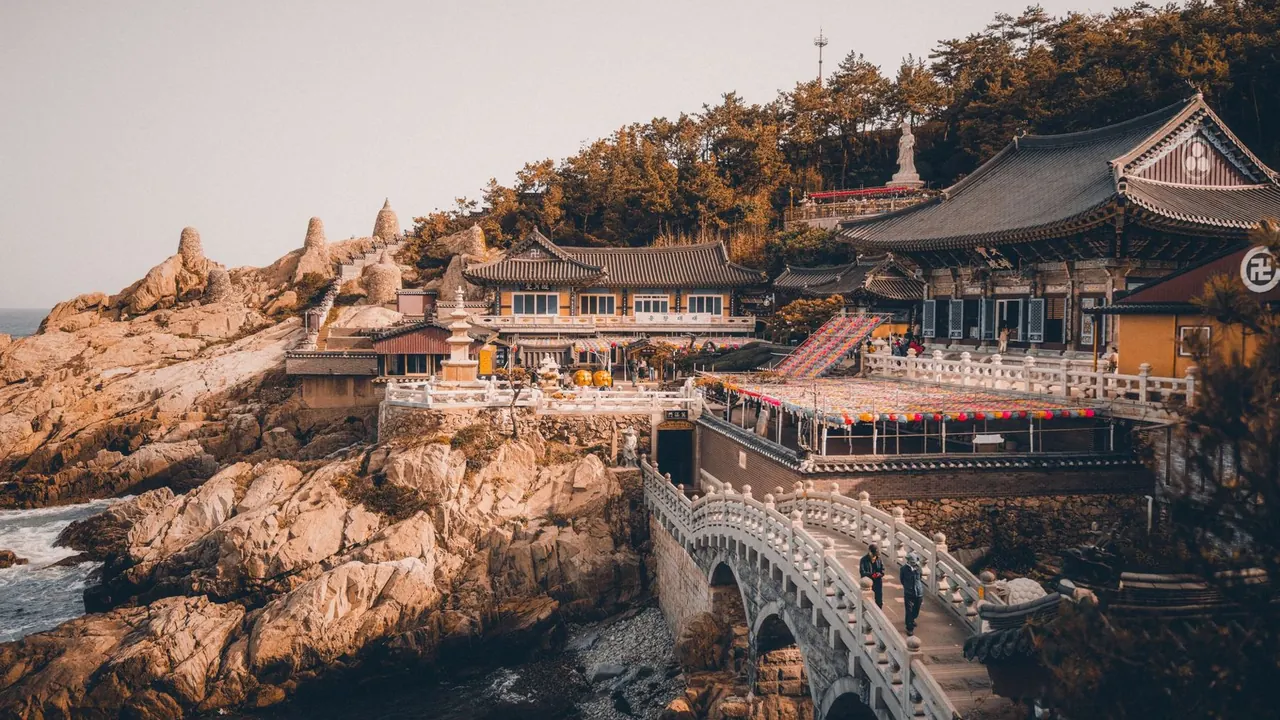
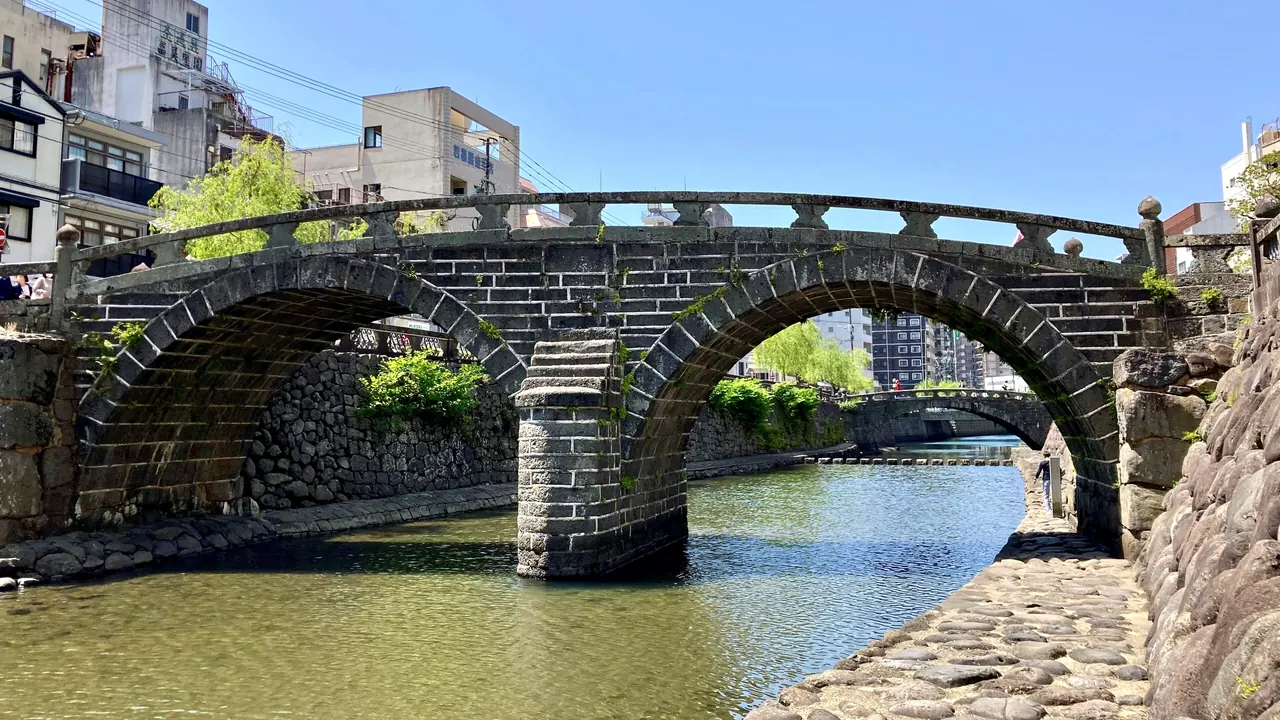
Photos: Busan by Andrea De Santis, Pexels License; Nagasaki by Dudva, CC0.
Busan or Nagasaki?
Our verdict in twelve categories, each scored against the same fixed benchmark cities, and the climate month by month, so you can choose for your trip.
Choose Busan for
- beaches
- nightlife
- wellness
Busan is the choice for a fuller, longer trip that mixes city beaches, seafood markets, coastal hikes and late nights. It has sand inside the city, real hot-spring bathhouses, a lively bar scene in Seomyeon and Gwangalli, and Gyeongju half an hour away by fast train. That means it works as well for a week as for a long weekend.
Choose Nagasaki for
- culture and sights
- getting around
- prices
Travellers who come for history should lean towards Nagasaki. Its story of foreign trade, persecuted Christians and the atomic bomb is told in one small valley you can cover by tram, from Dejima to Glover Garden and the Peace Park. Evenings are quiet and the beaches are an hour away, but for two or three days of thoughtful sightseeing it gives more than Busan.
Scoreboard
Twelve categories on one fixed scale from 0 to 100. The shaded stretch is the gap between the two.
Your match
Pick a travel style or drag the sliders, and both match scores follow your weighting.
Wins on beaches and nightlife with your weighting.
Wins on culture and sights and getting around with your weighting.
What matters to you?
Category by category
What the scores mean for a trip.
Beaches & swimming
Busan has what Nagasaki lacks: beaches inside the city. Haeundae's wide sand, Gwangalli under its lit-up bridge and the quieter surf beach at Songjeong are all a metro or bus ride from your hotel, so a swim fits around an afternoon of sightseeing.
Nagasaki's harbour is a working port. The nearest good sand is at Takahama on the Nomo coast, about an hour away by bus, and Iojima is reached by ferry. Its sea is slightly warmer in August and the swimming season is the same short one, but only in Busan is a swim part of an ordinary day.
Food & drink
Busan's food is broader, and more of it comes from the sea. Jagalchi's live-fish halls, the raw fish of Millak and Gijang, all-night pork-bone soup and fishcake on skewers give it a deeper street and market scene. Bupyeong's night market and the tent bars by the shore keep the eating going late.
Nagasaki's strength is a cuisine you won't find anywhere else, shaped by Chinese and Portuguese contact: champon, sara udon, castella and the shared shippoku banquet. Eating well around Shianbashi and Chinatown is easy, but the range is narrower. Neither city is the place for fine dining or much international cooking.
Culture & sights
Here Nagasaki pulls clearly ahead. Its sights tell one connected story. It runs from the Dutch trading post on Dejima, the merchant houses of Glover Garden, Oura Cathedral and the Ming-style Sofukuji to the Atomic Bomb Museum and the Peace Park, and few places in Japan show the meeting of East and West in such depth.
Busan's best sights are spread out, and most are either religious or tied to the Korean War: Beomeosa in the hills, Haedong Yonggungsa on its rocks above the sea, the painted lanes of Gamcheon and the UN Memorial Cemetery. They fill two or three good days, but unlike Nagasaki's they are not a reason to choose the city.
Nightlife
Busan has the better nights out. Dinner turns into soju, beer and karaoke, Seomyeon stays busy into the early hours, and Gwangalli's bars look across the water at the lit-up bridge, so a late night happens without any planning.
In Nagasaki, going out means Shianbashi, a grid of izakaya and small counter bars, many of them built around regulars. It suits a quiet drink over grilled fish, but the streets empty before midnight on weeknights, and the night view from Mount Inasa is often the main event of the evening.
Nature & outdoors
Busan has more of the outdoors within the city itself. Hikes on Geumjeongsan and Jangsan start from metro stations, the Igidae cliff path and the Taejongdae headland follow the sea, and the Galmaetgil trail links much of the shoreline. In summer there is surfing at Songjeong.
Nagasaki's setting is dramatic: a deep harbour ringed by steep green hills, with the ropeway up Mount Inasa. Its bigger landscapes are further out, though. Unzen's volcanic peaks and steaming vents are about two hours away, so they take a full day rather than an afternoon.
Day trips
Busan's best card is Gyeongju, the ancient Silla capital, about half an hour away by fast train, with royal tombs, Bulguksa and Seokguram. Add Tongdosa, the harbour town of Tongyeong, Haeinsa with its printing blocks and even a ferry to Tsushima, and there is enough for several days out.
Nagasaki's outings are fewer but more unusual. The boat to the ruined island of Hashima has no match anywhere near Busan. Shimabara's samurai street, the spa town of Unzen and the porcelain towns of Arita and Imari also reward a long day, though many of them are two hours or more away.
Good for families
Both cities are safe and clean, but Busan gives children more to do. The beaches are the summer draw, and Haeundae's seafront aquarium, the sky-capsule rail along the coast and Gijang's theme park and luge track fill the other days. The catch is the travelling, because distances are long and the hills are steep.
Nagasaki suits a shorter stay. The trams and the Inasa ropeway keep children happy on their own, and the Penguin Aquarium lets the birds walk out onto a small beach. Stairway streets are hard work with a pushchair, though, and the Atomic Bomb Museum needs some thought with younger children. Huis Ten Bosch is the big day out.
Getting around
The two are about even here, but you get around them in different ways. Busan runs on a metro with English signs that crosses a long, narrow city. Each district is easy to walk, but getting from Haeundae to Nampo-dong or Taejongdae takes the best part of an hour.
Nagasaki is compact, and a few flat-fare tram lines along the valley floor reach almost every sight within minutes. Its problem is height rather than distance: once you leave the valley floor, the lanes turn into long flights of steps.
Shopping & style
Busan is far better for serious shopping. Centum City's huge department stores, the underground fashion arcades of Seomyeon, Korean skincare shops on every main street and the lanes of Gukje Market give real choice, from luxury floors to cheap clothes.
Shopping in Nagasaki is modest and centred on the Hamanomachi arcade. What it does well is gifts that belong to the place: boxed castella, local glassware, and porcelain from Hasami, Mikawachi and nearby Arita. Go for those, not for fashion.
Affordability
Costs are much the same in both cities: the everyday things are cheap and the extras add up. In Busan, soup restaurants, market meals and the metro cost little, and most temples, markets and coastal walks are free. The bill grows with live seafood sold by weight and with beachfront hotels in July and August.
Nagasaki's savings come from spotless business hotels near the station, a cheap bowl of champon and a day of tram rides. Spending builds up with the Hashima boat, the ropeway and evenings of sake and sashimi.
Live music & performing arts
Neither is a city to plan a trip around for theatre, but Busan has more worth booking. Busan Concert Hall in Citizens' Park hosts orchestras and visiting soloists, and the Cultural Center presents traditional Korean music. The autumn film festival and the summer rock and K-pop events add some high points to the year.
Nagasaki's performances are festivals rather than a season. The Kunchi at Suwa Shrine every October brings dragon dances and ship floats, and the Lantern Festival comes around Chinese New Year. Time a visit for one of those and it will be memorable, but outside those dates there is little to see.
Wellness & relaxation
Busan is clearly better for bathing, because its hot springs are in the city. Dongnae has been a spa district since the Silla era and Haeundae has its own springs. The jjimjilbang of Centum City let you scrub, soak and even sleep over without leaving town.
In Nagasaki the real onsen are out on the Shimabara peninsula, at Obama on the shore and Unzen in the mountains, and both are best with a night at a ryokan. The city itself has a few sento and a gentle harbour pace, but for a wellness trip you need that extra journey.
When should you go?
Pick your month. The climate figures are measured averages, not a forecast.
Busan in July
Nagasaki in July
Daytime high, °C
Rainfall in the month, mm
Temperature and rainfall are climate normals, averaged over the years shown. Busan: 1991-2020 normals, Pusan (9.7 km from centre). Nagasaki: 1991-2020 normals, Nagasaki (2.2 km from centre).
Both cities have the same kind of summer: hot, humid and very wet, with swimming good from July into early September. The rain peaks at different times, though. Nagasaki's wettest month is June, at about 334mm, while Busan's is July, at about 352mm, so early summer is the worse time in Nagasaki and high summer the worse time in Busan. Nagasaki is also the hotter of the two, reaching 32°C in August, which makes its stairways hard work at midday. Its sea is a little warmer too.
Spring and autumn suit both cities best, and October is the pick: warm, fairly dry and good for long days on foot. Winter is where they differ most. Busan is colder, with January highs around 8°C, but it stays bright, with almost as much sunshine as in spring. Nagasaki is a few degrees milder but much greyer from December to February.
Which traveller are you?
For a culture and arts trip built around history, Nagasaki makes the better base. Dejima, Glover Garden, Oura Cathedral and the Peace Park tell a story of trade and war that Busan's scattered temples can't match, although Busan has more concerts.
On a food and nightlife trip, Busan is the easy choice. Jagalchi's live-fish halls, the night markets and the all-night soup restaurants lead straight into rounds of soju, karaoke and Seomyeon's late bars. By then Nagasaki's quieter Shianbashi has mostly emptied.
For a relaxing and wellness trip, Busan comes out ahead again. Dongnae's hot-spring bathhouses and the big jjimjilbang of Centum City are only a metro ride away. Nagasaki's best onsen, at Obama and Unzen, take a journey out and a night away.
Before you go
| Measure | Busan | Nagasaki |
|---|---|---|
| Official language | Korean, Korean Sign Language | Japanese |
| Currency | Won (KRW) | Yen (JPY) |
| Sockets | CF220 V, 60 Hz | AB100 V, 50 and 60 Hz depending on the region |
| Driving side | Right | Left |
| Time zone | UTC+9 | UTC+9 |
| Emergency number | Police 112, ambulance 119, fire 119 | Police 110, fire 119 |
| Elevation | 30 m | 105 m |
| Main airport | Gimhae International Airport (PUS)12 km from centre49 non-stop destinations | Nagasaki Airport (NGS)19 km from centre10 non-stop destinations |
| Public holidays this year | 18 days | 16 days |
By the numbers
| Measure | Busan | Nagasaki |
|---|---|---|
| City population | 3,453,198 | 404,656 |
| People per km² | 4,486 | 996 |
| Museums within 10 km | 7 | 26 |
| UNESCO World Heritage sites within 50 km | 3 | 2 |
| Swim season, months above 21 °C | 4 months | 6 months |
Where else could you go?
Every comparison below shares a destination with this one, so you can follow Busan or Nagasaki somewhere new.