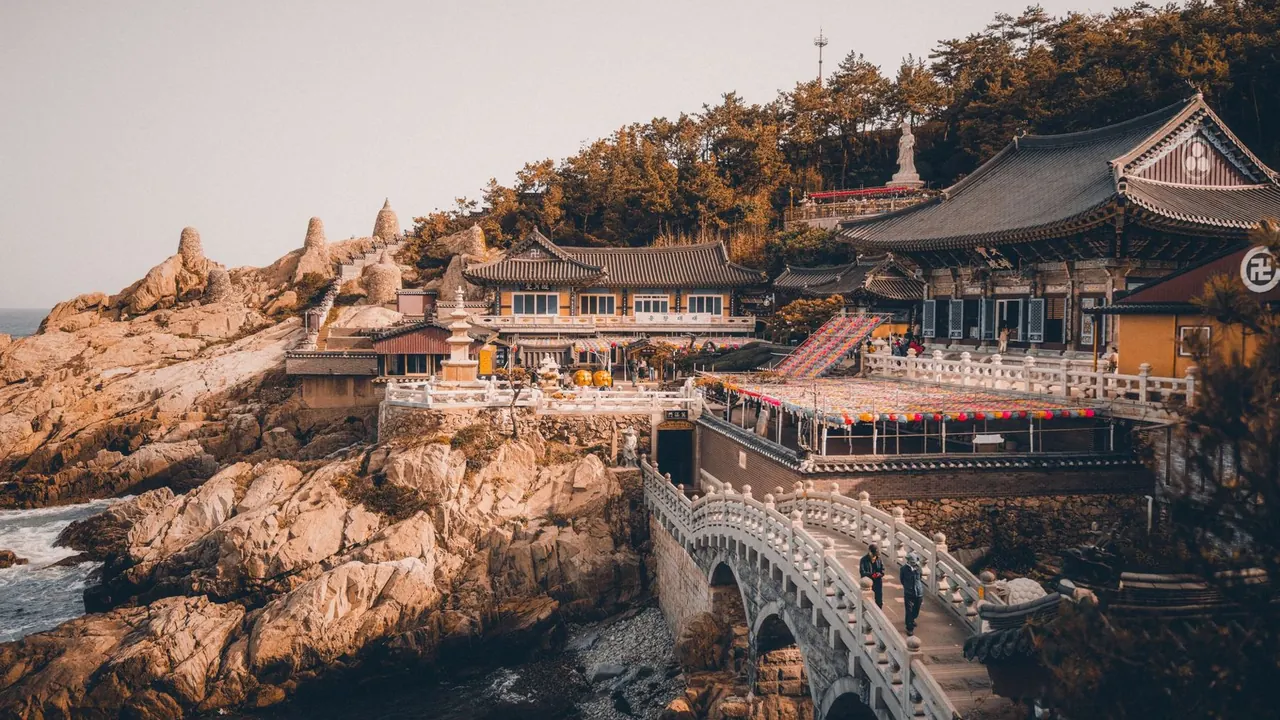
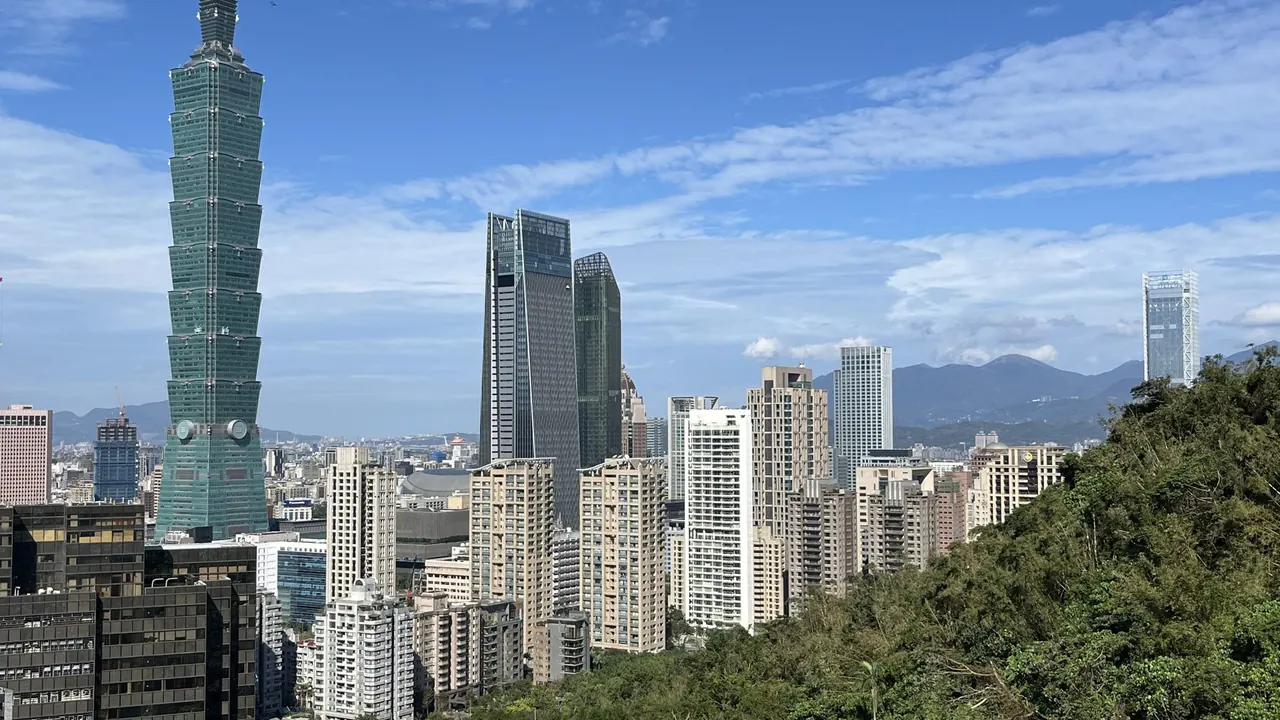
Photos: Busan by Andrea De Santis, Pexels License; Taipei by Another Believer, CC BY-SA 4.0, cropped.
Busan or Taipei?
Our verdict in twelve categories, each scored against the same fixed benchmark cities, and the climate month by month, so you can choose for your trip.
Choose Busan for
- beaches
- nightlife
Busan suits a summer trip that mixes city and sea. Its beaches are a metro ride away, the cliff paths at Igidae and Taejongdae and the spring-fed baths of Dongnae slow the days down, and Gyeongju's Silla tombs and temples are half an hour off by fast train. Choose it if you want to swim, walk sea cliffs and eat raw fish at Jagalchi without ever leaving the city.
Choose Taipei for
- getting around
- food and drink
- culture and sights
For travellers who plan their days around meals and museums, Taipei is the stronger pick. Its night markets and breakfast counters cover far more ground than Busan's seafood and soups, the National Palace Museum gives it a sight of world rank, and the MRT makes the whole city easy to cover. It also stretches a budget a little further. The one thing it lacks is a beach on the doorstep.
Scoreboard
Twelve categories on one fixed scale from 0 to 100. The shaded stretch is the gap between the two.
Your match
Pick a travel style or drag the sliders, and both match scores follow your weighting.
Wins on beaches and nightlife with your weighting.
Wins on getting around and food and drink with your weighting.
What matters to you?
Category by category
What the scores mean for a trip.
Beaches & swimming
Busan has proper city beaches and Taipei does not. Haeundae's wide sand, Gwangalli under the lit-up bridge and the beginner surf at Songjeong are all reachable by metro, so a swim can fill a spare hour in July or August.
Taipei sits inland in its basin, and getting to Fulong or Baishawan takes a day. The water there is warmer and the season a little longer. Even so, rip currents, short lifeguarded stretches and typhoon closures make the coast a side trip rather than a reason to go.
Food & drink
Busan's cooking is narrow but very good with seafood. You can choose live fish downstairs at Jagalchi and eat it upstairs, try grilled eel in Gijang, have pork-bone gukbap late at night or fishcake on skewers from a steaming pot. Beyond Korean food, though, the choice thins out quickly.
Taipei is the stronger city for eating. The night markets at Raohe, Ningxia and Shilin, the beef noodle shops, the soy milk breakfasts and the xiaolongbao houses draw on Hokkien, Hakka, mainland and Japanese cooking, with a serious restaurant tier above them. Oolong teahouses and speciality coffee add a second reason to stop every couple of hours.
Culture & sights
Busan's sights are mostly temples and reminders of the war years. Beomeosa stands on the slopes of Geumjeongsan, Haedong Yonggungsa sits on rocks above the waves, and there are the painted houses of Gamcheon and the UN Memorial Cemetery. They hold real interest for two or three days, but there is little old townscape.
Taipei has a bigger centrepiece in the National Palace Museum, whose imperial jade, bronzes and porcelain need at least half a day. Longshan Temple, the Chiang Kai-shek Memorial Hall and the merchant shophouses of Dihua Street make a deeper second tier, enough for three or four days.
Nightlife
The two are much alike for a night out, and karaoke rooms play a part in both. In Busan, dinner turns into rounds of soju and beer that run late in Seomyeon, and the beachfront bars at Gwangalli look out on the illuminated bridge.
Taipei puts more care into the drink itself: cocktail bars in Da'an and Zhongshan use local tea and fruit, and Xinyi has big clubs where the crowd dresses up. Taipei goes quiet earlier on weeknights, so Busan suits those who like a long, unplanned evening that simply drifts on.
Nature & outdoors
Both cities have hikes that start from a metro station, so the difference lies in the setting. Busan's best walking follows the sea, along the Igidae cliffs, around the Taejongdae headland and on the Galmaetgil trail. The fortress walls on Geumjeongsan rise above the north of the city, and Songjeong has surfing in summer.
Taipei looks inland to volcanic hills. Yangmingshan's fumaroles and silvergrass slopes, the steep climb up Elephant Mountain and the tea terraces of Maokong all lie within easy reach, and the riverside paths are good for flat cycling. Walkers after sea cliffs should pick Busan, and those after steaming volcanic hills should pick Taipei.
Day trips
Both have excellent outings, but they feel different. From Busan the big one is Gyeongju, half an hour by fast train, with its Silla royal tombs, Bulguksa and Seokguram. Tongdosa, Haeinsa and the cherry blossom of Jinhae keep the focus on temples and history, and a ferry even reaches the Japanese island of Tsushima.
Taipei's outings are mostly small towns nearby: the lantern-hung stairways of Jiufen, the sky lanterns along the Pingxi line, Tamsui's fort and the pottery shops of Yingge. High-speed rail adds Tainan and Taichung for longer days.
Good for families
Both are safe, clean and friendly to children, so the choice comes down to season and the kind of fun you want. Busan is a summer beach city, with an aquarium on the Haeundae seafront, a theme park and luge track at Gijang and the slow sky-capsule rail along the coast. The hills and long distances tire small legs, though.
Taipei has more for rainy days. The zoo with its pandas sits beside the Maokong gondola, and there are also the astronomical museum and the science centre, while older children love the night markets. Its big theme parks, however, are an hour or more outside the city.
Getting around
Busan's metro is clean and signed in English, but the city is long and narrow. Haeundae to Nampo-dong takes the best part of an hour, and sights such as Gamcheon and the coastal temples still need a bus ride and a climb.
Taipei is easier. The MRT reaches nearly everything, including Beitou, Tamsui and the Maokong gondola, and one card also covers buses, bike share and regional trains. Covered arcades make the central districts pleasant to walk even in the rain, though parked scooters clutter the side lanes.
Shopping & style
Shopping in Busan is big and practical. Centum City has huge department stores, Seomyeon's underground arcades sell cheap fashion, Korean skincare shops line every main street, and Gukje and Jagalchi markets sell dried seafood to take home.
Taipei matches that department-store scale in Xinyi and adds more to discover. There are design shops and makers' markets in the Huashan and Songshan cultural parks, independent boutiques around Da'an and Chifeng Street, and high-mountain oolong, teaware and Yingge pottery as better things to bring back.
Affordability
In both cities, street food, transport and temples cost little, and the hotel is where most of the budget goes. Busan sits in the middle range, and live seafood sold by weight and summer beachfront rooms at Haeundae and Gwangalli push the bill up quickly.
Taipei makes money go further. Even sit-down Taiwanese meals are moderately priced and museum entry is modest. Guesthouses in Zhongshan and Ximending help offset the small, costly rooms around Xinyi.
Live music & performing arts
Busan has good orchestral evenings at Busan Concert Hall and traditional music at the Busan Cultural Center, and its autumn film festival is well known. Theatre, though, is mostly touring musicals in Korean.
Taipei's calendar is fuller. The National Theater and Concert Hall at Liberty Square stage opera and dance as well as the National Symphony Orchestra, and the Taipei Performing Arts Center adds contemporary work. Glove puppetry and Taiwanese opera in Dadaocheng give you something Busan cannot, and the live houses around Gongguan cover indie and rock.
Wellness & relaxation
Both are true hot-spring cities, so there is little to choose between them. Busan's bathing is Korean in style: Dongnae's spring-fed bathhouses, a body scrub followed by a long soak, and the jjimjilbang halls of Centum City, where you can sleep overnight. Temple stays in the hills add a quieter option.
Taipei's springs are volcanic and Japanese in flavour, with sulphur pools and private tubs at Beitou at the end of an MRT line and rustic baths up on Yangmingshan. Foot reflexology on almost every street and slow afternoons of tea at Maokong fill the time in between.
When should you go?
Pick your month. The climate figures are measured averages, not a forecast.
Busan in July
Taipei in July
Daytime high, °C
Rainfall in the month, mm
Where the figures come from
Taipei has no rain gauge within 25 km of the centre, so its rainfall comes from a gridded climate dataset read at the city rather than from a gauge further away.
Temperature and rainfall are climate normals, averaged over the years shown. Busan: 1991-2020 normals, Pusan (9.7 km from centre). Taipei: 1992-2020 (rainfall 1991-2020) normals, Sungshan / Taipei (3.5 km from centre).
Busan has four distinct seasons. Swimming works from July to early September, when the sea reaches about 26°C in August, but July is also the wettest month at around 352mm. Spring and especially October are the best times for walking the coast and hills, with mild days and less rain. Winter is cold, with highs near 8°C in January, but it is dry and sunny, so the city is still pleasant for sightseeing if you wrap up.
Taipei is warm all year and wet in every month, with no real dry season. Summer is the hottest stretch, with highs around 35°C in July and heavy, humid air that makes long walks hard work, though the sea is at its warmest then. Winter is mild at about 19°C in January, comfortable for the streets if often grey and damp. October to November and March to April are the easiest months. In short, Busan is better for a summer swim, and Taipei is the gentler choice in mid-winter.
Which traveller are you?
On a beach and sun trip, Busan wins easily. Haeundae, Gwangalli and Songjeong are on the city's metro, so a swim fits around everything else, whereas Taipei's nearest sand at Baishawan or Fulong means giving up a whole day.
For a food and nightlife trip, Taipei is the better bet. Its night markets, dumpling houses and soy milk breakfast halls range far wider than Busan's seafood and soups, and tea-based cocktails in Da'an and Zhongshan round the evening off.
On a culture and arts trip, Taipei offers more. The National Palace Museum alone deserves half a day, Longshan Temple and Dadaocheng add depth, and the National Theater and Concert Hall stage a fuller season than Busan's concert halls.
Before you go
| Measure | Busan | Taipei |
|---|---|---|
| Official language | Korean, Korean Sign Language | Taiwanese Sign Language, Amis, Taiwanese Hokkien, Rukai, Bunun, Kanakanavu, Standard Taiwanese Mandarin, Paiwan, Yami, Atayal, Saaroa, Kavalan, Tsou, Seediq, Puyuma, Saisiyat, Sakizaya, Taiwanese Hakka, Truku, Matsu dialect, Kinmen dialect, Wuqiu dialect |
| Currency | Won (KRW) | New Taiwan Dollar (TWD) |
| Sockets | CF220 V, 60 Hz | AB110 V, 60 Hz |
| Driving side | Right | Right |
| Time zone | UTC+9 | UTC+8 |
| Emergency number | Police 112, ambulance 119, fire 119 | 110 or 112 or 119 |
| Elevation | 30 m | 10 m |
| Main airport | Gimhae International Airport (PUS)12 km from centre49 non-stop destinations | Taiwan Taoyuan International Airport (TPE)33 km from centre |
| Public holidays this year | 18 days | - |
By the numbers
| Measure | Busan | Taipei |
|---|---|---|
| City population | 3,453,198 | 2,429,429 |
| People per km² | 4,486 | 8,938 |
| Museums within 10 km | 7 | 69 |
| UNESCO World Heritage sites within 50 km | 3 | 0 |
| Swim season, months above 21 °C | 4 months | 8 months |
Where else could you go?
Every comparison below shares a destination with this one, so you can follow Busan or Taipei somewhere new.