Photos: Coimbra by Berthold Werner, CC BY-SA 3.0, cropped; Segovia by Bernard Gagnon, CC BY-SA 3.0, cropped.
Coimbra or Segovia?
Our verdict in twelve categories, each scored against the same fixed benchmark cities, and the climate month by month, so you can choose for your trip.
Choose Coimbra for
- beaches
- live music and the arts
- nightlife
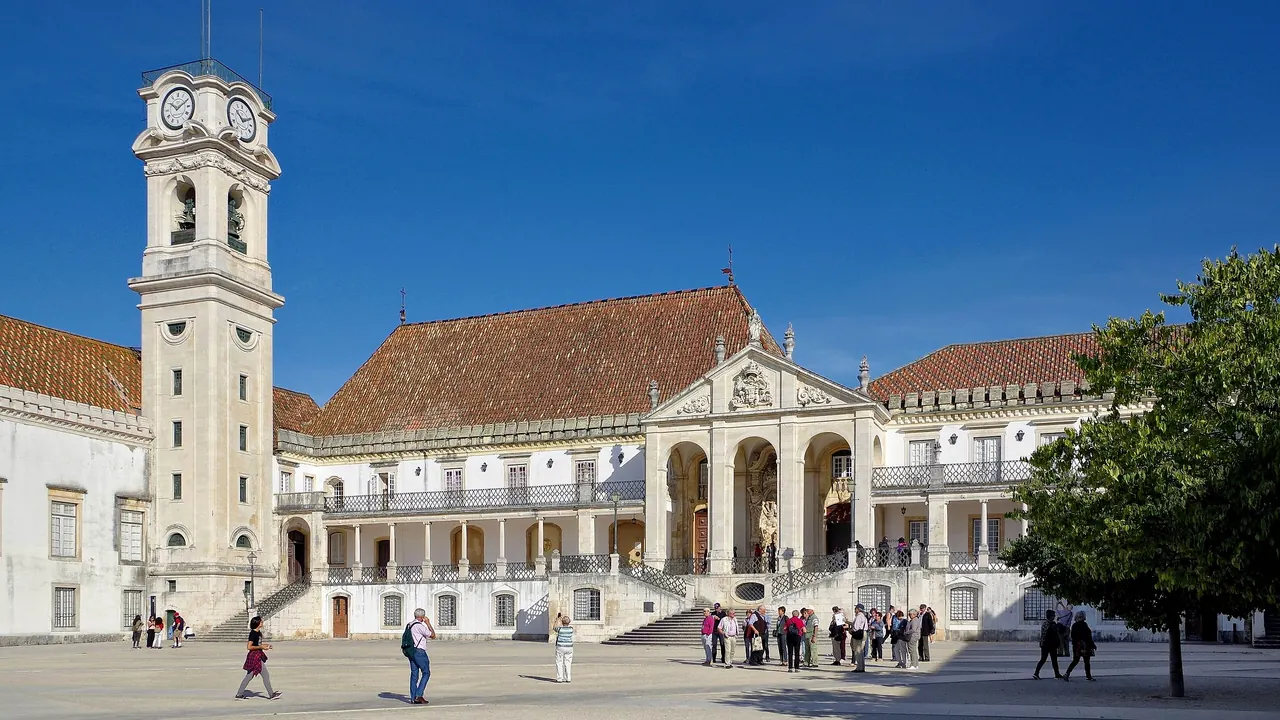
Coimbra suits travellers who want a lively, inexpensive base with more going on after dark. Students set the tone: fado sung in academic capes, bars that fill late around Praça da República, and cheap set lunches in family tascas. It also gives you an Atlantic beach within reach, old spa towns for a slow day, and the rail line between Lisbon and Porto for trips in both directions.
Choose Segovia for
- culture and sights
- nature and the outdoors
- food and drink
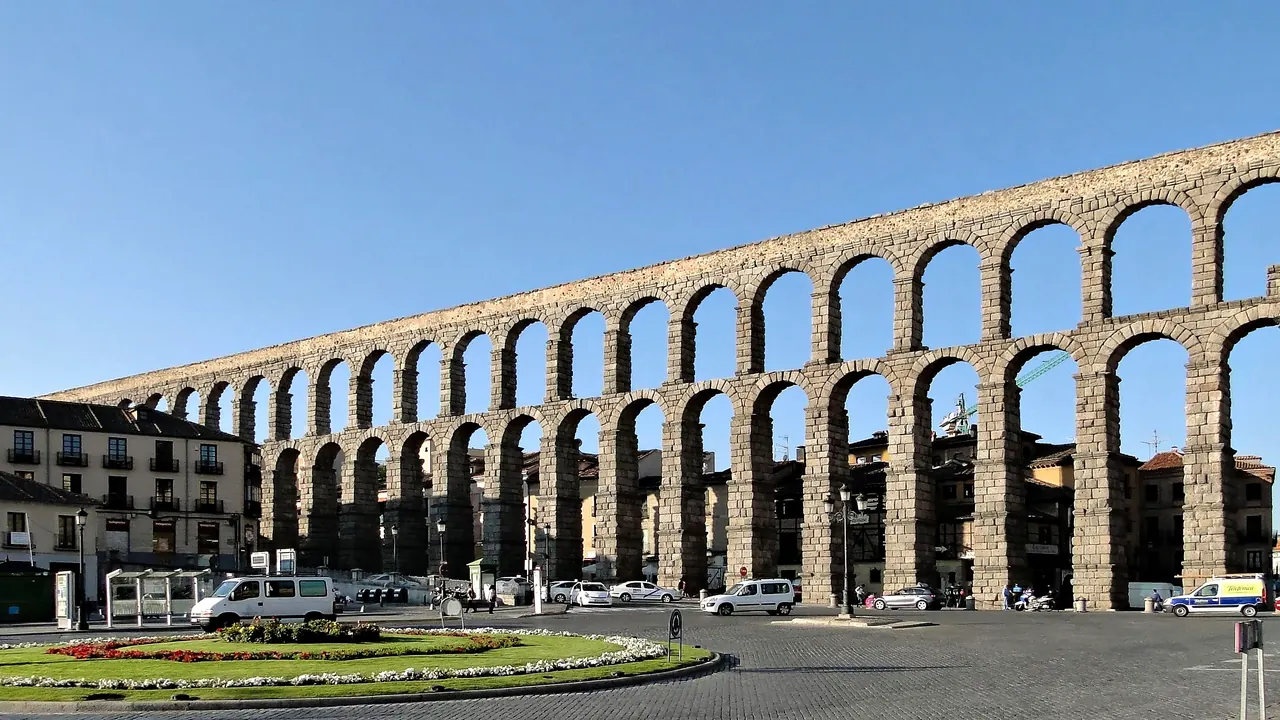
Segovia is for travellers who come mainly for the monuments. The aqueduct, the cathedral and the Alcázar line up along one ridge, so a single walk takes in a whole Castilian townscape, and the Guadarrama mountains stand right behind it. Evenings are quieter and there is no swimming to speak of. In return it has stronger sights, high-country walking close by, and Madrid a short train ride away.
Scoreboard
Twelve categories on one fixed scale from 0 to 100. The shaded stretch is the gap between the two.
Your match
Pick a travel style or drag the sliders, and both match scores follow your weighting.
Wins on beaches and live music and the arts with your weighting.
Wins on culture and sights and nature and the outdoors with your weighting.
What matters to you?
Category by category
What the scores mean for a trip.
Beaches & swimming
Coimbra can at least give you a beach day. Figueira da Foz is about an hour away by train, with a vast sweep of sand and quieter stretches further north at Quiaios and Tocha. The open Atlantic stays cool and is often windy, and in summer the river beaches in the hills offer calmer, warmer water.
Segovia has nothing similar. The coast is a long day's drive away, so swimming means a pool or a cold reservoir in the Guadarrama foothills.
Food & drink
The two tables are close relatives, and each is famous for roast suckling pig. In Coimbra it is leitão from the roadside restaurants of Mealhada, served with Bairrada sparkling wine. Day to day, eating there means set lunches in small tascas and convent pastries such as pastéis de Tentúgal.
Segovia's cochinillo comes from wood-fired ovens. It shares the menu with roast lamb and La Granja's big white beans, and Ribera del Duero is the wine. The town also lends itself better to an evening tapas round. Neither city goes far beyond its regional cooking.
Culture & sights
Segovia makes the stronger impression. The Roman aqueduct, the late Gothic cathedral and the cliff-top Alcázar stand on one ridge, with Romanesque churches, the Jewish quarter and the twelve-sided Vera Cruz in between. The whole town works as a single monument, and its landmarks are famous in their own right.
Coimbra's heritage is centred on its old university and the gilded Biblioteca Joanina. Down the hill come the Sé Velha, the royal tombs at Santa Cruz and the half-buried convent of Santa Clara-a-Velha. It is a rich set, but only the library carries the international fame that Segovia's aqueduct and Alcázar do.
Nightlife
Coimbra is the livelier of the two. During term its students fill the bars around Praça da República and spill into the squares, a few small clubs stay open into the early hours, and the Queima das Fitas turns May into a week of street parties. It goes quiet in July and August.
Segovia's evenings are built around tapas on and near Plaza Mayor. A few later bars open at weekends, but on weeknights the town settles early. If you want a late night, take the train to Madrid.
Nature & outdoors
Both are good for getting outdoors, but in different landscapes. Coimbra's surroundings are green and mid-height: the Choupal woods by the river, kayaking down the Mondego from Penacova, the fern valleys of Buçaco and the chestnut woods of the Serra da Lousã.
Segovia sits right under real mountains. The Valsaín pine forests and the passes of Navacerrada and Cotos lead to Peñalara at 2,428m, which has winter snow and glacial lakes. Further out, griffon vultures circle the Duratón gorge.
Day trips
Both cities are first-rate bases, each on a main rail line. From Coimbra, Porto and the canal town of Aveiro are each about an hour or less by train. The Roman mosaics of Conímbriga are just south, and the great monasteries of Batalha, Alcobaça and Tomar can be reached by road.
Segovia leans towards royal Spain and walled towns. La Granja's palace gardens are twenty minutes away and Madrid under half an hour by fast train. Ávila, Pedraza, Sepúlveda and El Escorial all make easy day trips.
Good for families
Coimbra has a little more for children. Portugal dos Pequenitos, a park of child-sized Portuguese buildings, and the Exploratório science centre were both made for them, and riverside parks give extra space to run around.
Segovia relies on the Alcázar, a real fairy-tale castle with a tower to climb, and on La Granja's gardens. It has nothing built for children. Steep cobbles make both cities hard work with a pushchair.
Getting around
Both centres are walkable, and both are steep. In Coimbra the effort goes into climbing from the Baixa up to the university, though a public lift and a funicular help. A bus crosses the river to Santa Clara, and trains arrive close to the centre.
Segovia's sights run in a line along its ridge from the aqueduct to the Alcázar. The high-speed station is several kilometres out, however, so arriving or leaving by train means a bus ride of about fifteen minutes.
Shopping & style
Neither city is a shopping destination, but Coimbra has a bit more. The pedestrian streets of the Baixa have clothing and old-fashioned specialist shops, and hand-painted Coimbra faience is a souvenir worth carrying home.
In Segovia, shopping mostly means souvenirs along Calle Real, plus boxed ponche segoviano and La Granja beans. For anything more, people go to Madrid.
Affordability
Coimbra is the cheaper stay. Its prices are set for students, so tasca lunches, coffee and pastries, and nights out cost little. The university ticket is the main expense.
Segovia is moderate. Small guesthouses and tapas in the newer town are fair value, but the famous roasts by the aqueduct cost more, and rooms go up at weekends when visitors arrive from Madrid.
Live music & performing arts
Coimbra has its own distinctive music. Its fado grew out of student serenades and is sung by men in black capes with the Coimbra guitar, in small old-town houses on most evenings. The Gil Vicente theatre and the arts centre in the former São Francisco convent add touring productions.
Segovia's live arts mostly come in festival seasons, such as the Titirimundi puppet festival in spring and summer concerts in churches and palace gardens. Outside those seasons little is on.
Wellness & relaxation
Coimbra is better placed for a proper spa day. Luso, below the Buçaco forest, and Curia, with its thermal park and Belle Époque hotels, are about half an hour north and are worth an overnight stay.
Segovia has no thermal tradition. Its way of unwinding is the quiet that falls over the old town after the coaches leave, with walks along the walls and pine air coming down from the sierra.
When should you go?
Pick your month. The climate figures are measured averages, not a forecast.
Coimbra in July
Segovia in July
Daytime high, °C
Rainfall in the month, mm
Temperature and rainfall are climate normals, averaged over the years shown. Coimbra: 1991-2020 normals, Coimbra (1.6 km from centre). Segovia: 1991-2020 normals, Segovia (0.3 km from centre).
The two cities swap roles through the year. Coimbra has mild winters, with highs around 15°C, but they are wet: from October to January heavy rain is normal, and October is the wettest month at about 128mm. Segovia stays much drier, but its winters on the high plateau are cold, with January highs of about 8°C. That makes its old-town streets raw going in the dark months, while Coimbra's are merely damp.
Both cities are at their best in May, June and September. In high summer both get hot and Segovia a little hotter, reaching about 30°C in July and August under very long hours of sunshine, so midday sightseeing is tiring in either place. Coimbra is the only one of the two with a beach season. Its Atlantic coast is warm enough from June to September, but the sea never gets above about 18°C, so the swimming stays bracing.
Which traveller are you?
On a food and nightlife trip, choose Coimbra. Both cities are built around roast suckling pig, but Coimbra's student bars keep going late during term and peak at the Queima das Fitas in May. Segovia's evenings usually end after a tapas round.
For a relaxing and wellness trip, Coimbra is the better choice. The thermal towns of Luso and Curia, with their spa, mineral fountain and lake, are about half an hour away. Segovia offers quiet evenings and mountain air, but it has no baths at all.
On an outdoors trip, Segovia has the edge if you want real mountains on the doorstep. Valsaín's pine forests and the trails up Peñalara are within half an hour. Coimbra's countryside is gentler: Buçaco's woods, Lousã's slate villages and kayaking on the Mondego.
Before you go
| Measure | Coimbra | Segovia |
|---|---|---|
| Official language | Portuguese | Spanish |
| Currency | Euro (EUR) | Euro (EUR) |
| Sockets | CF230 V, 50 Hz | CF230 V, 50 Hz |
| Driving side | Right | Right |
| Time zone | UTC, UTC+1 in summer | UTC+1, UTC+2 in summer |
| Emergency number | 112 | 112 |
| Elevation | 43 m | 1,002 m |
| Main airport | Francisco de Sá Carneiro Airport (OPO)117 km from centre133 non-stop destinations | Adolfo Suárez Madrid–Barajas Airport (MAD)68 km from centre241 non-stop destinations |
| Public holidays this year | 14 days | 12 days |
By the numbers
| Measure | Coimbra | Segovia |
|---|---|---|
| City population | 140,816 | 52,375 |
| People per km² | 441 | 320 |
| Museums within 10 km | 10 | 11 |
| UNESCO World Heritage sites within 50 km | 1 | 2 |
| Swim season, months above 21 °C | None | - |
Where else could you go?
Every comparison below shares a destination with this one, so you can follow Coimbra or Segovia somewhere new.