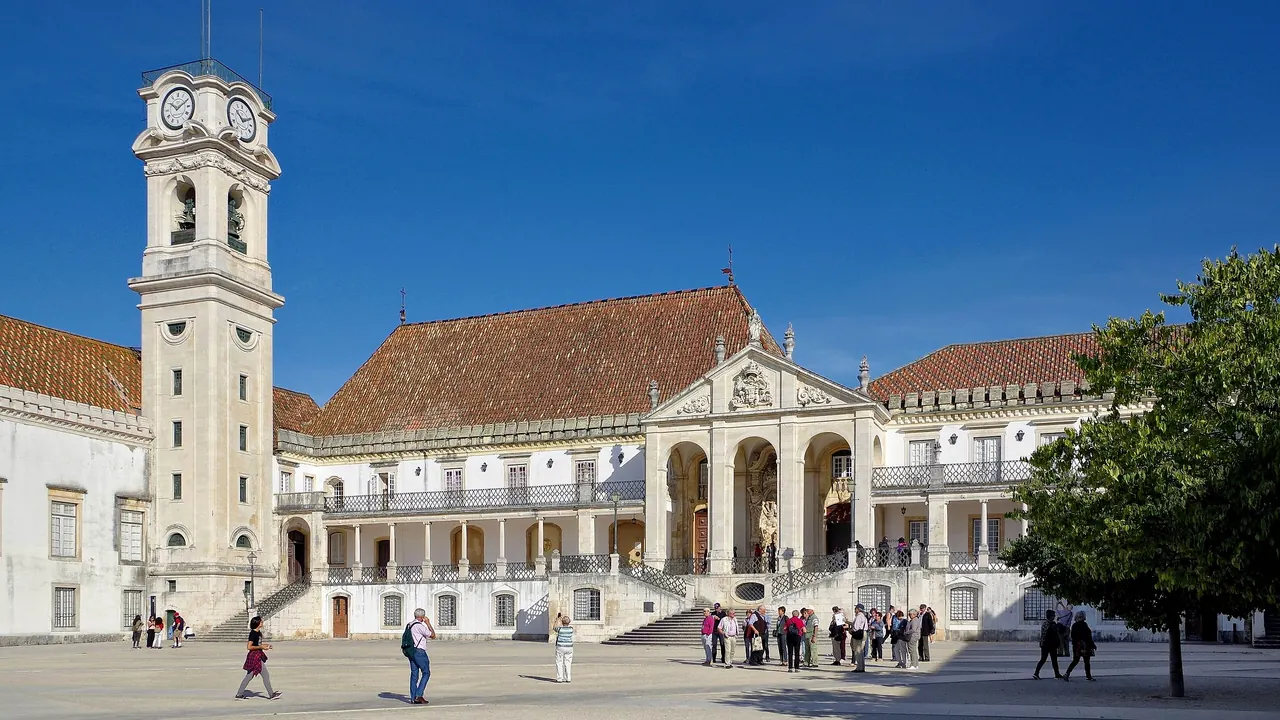
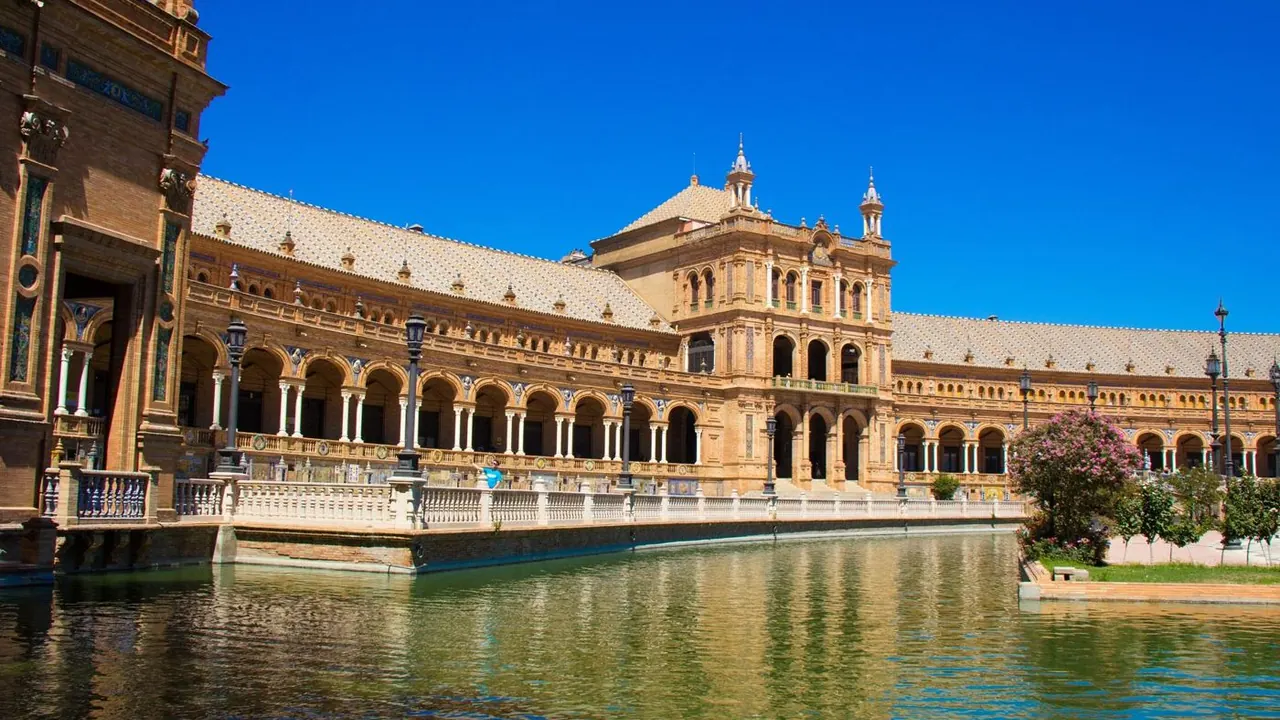
Photos: Coimbra by Berthold Werner, CC BY-SA 3.0, cropped; Seville by Tibor Kovacs, CC BY 2.0, cropped.
Coimbra or Seville?
Our verdict in twelve categories, each scored against the same fixed benchmark cities, and the climate month by month, so you can choose for your trip.
Choose Coimbra for
- beaches
- nature and the outdoors
- prices
Coimbra suits a slower, cheaper trip built around a hilltop university town and the green country around it. The old university and its baroque library take a day or two. The rest of the stay can go on the Buçaco forest, the slate villages of the Serra da Lousã, the old spa towns and train trips to Porto and Aveiro. Choose it if you like landscapes, student-priced meals and a small place you can get to know quickly.
Choose Seville for
- food and drink
- live music and the arts
- nightlife
If you want a great city in its own right, Seville is the stronger choice. The Alcázar, the cathedral and the lanes of Santa Cruz make up one of Europe's finest old centres, the tapas bars of Triana and the Alameda turn every evening into a long night out, and flamenco plays every night. It costs a little more and the summer is fierce, but for culture, food and late evenings it offers much more.
Scoreboard
Twelve categories on one fixed scale from 0 to 100. The shaded stretch is the gap between the two.
Your match
Pick a travel style or drag the sliders, and both match scores follow your weighting.
Wins on beaches and nature and the outdoors with your weighting.
Wins on food and drink and live music and the arts with your weighting.
What matters to you?
Category by category
What the scores mean for a trip.
Beaches & swimming
Neither is a beach city, but Coimbra makes it easier to reach the sea. Figueira da Foz is about an hour away by train and has a huge sandy beach and the old fishing quarter of Buarcos, though the Atlantic there is cool and often rough. In summer the river beaches in the hills east of the city offer calmer, warmer swimming.
From Seville, a day on the sand at Matalascañas or Mazagón means a car or coach and most of the day, even if the water is warmer once you get there. In the city itself, swimming means a hotel rooftop pool or a municipal pool.
Food & drink
Seville is by far the better place to eat out. Its tapas culture rewards moving from bar to bar through Santa Cruz, Triana and the Alameda, ordering salmorejo, slow-cooked pork cheek and fried fish from Cádiz with a cold manzanilla.
Coimbra's cooking is heartier and offers less choice: set lunches in the tascas of the Baixa, convent pastries and, best of all, roast suckling pig at Mealhada with Bairrada sparkling wine, which is worth the short drive. Neither city has much international or high-end cooking.
Culture & sights
Seville's historic centre is in a different league. The Alcázar, the Gothic cathedral with the Giralda and the Archivo de Indias form a UNESCO-listed trio, and Plaza de España, Casa de Pilatos and the Murillos in the fine arts museum easily fill three or four days.
Coimbra's heritage lies on a single hill, which you climb from the Monastery of Santa Cruz past the Sé Velha to the old university and the Biblioteca Joanina. It is a rich, compact set of sights, but one or two days covers it.
Nightlife
Seville has more nights out to offer, and they go on all year. Dinner starts late, then come terraces, the mixed and LGBT-friendly bars of the Alameda de Hércules and, on summer nights, open-air bars along the river.
Coimbra's nightlife depends on its students. The bars around Praça da República are lively during term and quiet in July and August, and the Queima das Fitas in May is the big week of the year. Neither city has much of a club scene.
Nature & outdoors
Coimbra has the greener and more varied surroundings. Buçaco's walled forest, the chestnut woods and slate villages of the Serra da Lousã and, two hours away, the mountains of the Serra da Estrela offer real walking, and the wooded Mondego valley is good for kayaking.
Seville is surrounded by flat farmland and olive groves, so its outdoor highlight needs a dedicated trip: the Doñana wetlands for flamingos and migrating birds, with gentler walking in the Sierra Norte. In both cities, summer heat makes spring and autumn the seasons for walking.
Day trips
Both are excellent bases, and the difference is in what lies around them. Coimbra sits on the main rail line, with Porto and Aveiro within an hour. Conímbriga's Roman mosaics and the great monasteries of Batalha, Alcobaça and Tomar make good day trips too.
Seville is a base for Andalusia. Córdoba's Great Mosque is under an hour by fast train, with sherry in Jerez, the old port of Cádiz and the white villages further out, and Itálica and Carmona close by. Day trips from Seville lead to Moorish and baroque towns, while Coimbra's lead to monasteries and Roman ruins.
Good for families
The two are close for families, but for different reasons. Coimbra has attractions made for children, Portugal dos Pequenitos and the Exploratório science centre, but its centre is steep and cobbled and hard work with a pushchair.
Seville is flat and easy to get around with a pushchair. It has rowing boats at Plaza de España, a maze in the Alcázar gardens and a summer water park on La Cartuja. However, July and August often pass 40°C, which makes summer sightseeing with young children a struggle.
Getting around
Seville is easier on the legs. Its centre is flat and largely pedestrianised, and you can walk across it in half an hour. Bike lanes with a public bike scheme, a tram and a metro line fill the gaps, and only the summer midday heat gets in the way.
In Coimbra the distances are just as short, but the climb from the Baixa to the university on cobbles and the Quebra-Costas stairs is steep, eased only by a lift and a funicular. Its real advantage is its place on the Lisbon to Porto rail line.
Shopping & style
Seville has more for shoppers, and most of it is crafts made for local life: tiles and ceramics in Triana, and flamenco dresses, shawls, fans and guitars around Calle Sierpes, plus the Thursday flea market on Calle Feria. Coimbra's shopping streets in the Baixa are small and old-fashioned, and the best things to take home are hand-painted faience, convent sweets and Bairrada wine. Neither city is good for luxury brands.
Affordability
Coimbra is the cheaper stay. Prices are set for students, so meals, coffee and drinks cost little, and rooms near the old town stay fairly priced outside May and graduation season. The university ticket is the only real expense.
Seville is reasonably priced too, and tapas evenings are where you save most. However, hotel rates climb steeply during Holy Week and the April Fair, and the Alcázar and cathedral tickets add up.
Live music & performing arts
Seville is the heartland of flamenco, with performances every night in the tablaos of Santa Cruz and Triana, in local peñas and at the Bienal in autumn of even-numbered years. The Teatro de la Maestranza adds opera and a symphony orchestra.
Coimbra's draw is its own student fado, sung by men in black capes with the Coimbra guitar in small old-town fado houses and on the steps of the Sé Velha. It is distinctive and worth an evening, but beyond fado the programme is that of a university town, with no opera house or major orchestra.
Wellness & relaxation
Neither city has a bathing tradition of its own, so the difference is where you go to relax. From Coimbra, the old spa towns of Luso and Curia, with mineral springs, thermal parks and Belle Époque hotels, are about half an hour away and easy as a day out.
In Seville you relax within the city itself, in Arab-style bath houses in old mansions and the cool, quiet Alcázar gardens. However, noise in the narrow streets at night and the festival crowds make it harder to really rest.
When should you go?
Pick your month. The climate figures are measured averages, not a forecast.
Coimbra in July
Seville in July
Daytime high, °C
Rainfall in the month, mm
Temperature and rainfall are climate normals, averaged over the years shown. Coimbra: 1991-2020 normals, Coimbra (1.6 km from centre). Seville: 1991-2020 (sunshine 1981-2010, rainfall 1981-2010) normals, Sevilla / San Pablo (8.1 km from centre).
Coimbra is at its best from May to September, when the days are warm and reach about 28°C at the height of summer. Only June to August are really dry and at their sunniest. May and September are pleasant for walking but still bring the odd rainy day, much like spring. From June to September the Atlantic at Figueira da Foz reaches its warmest, about 18°C, which is still bracing for a swim. From October to January the city turns wet, with more than 100mm of rain in most months, so pack an umbrella for an autumn or winter visit.
Seville is hotter, drier and sunnier than Coimbra all year. July and August highs of 36°C make walking the streets at midday hard. The best months are March to May and October, when it is warm and bright without the extreme heat. Winter is mild, about 16°C by day, with less rain than Coimbra gets. That makes Seville the better winter escape and Coimbra the more comfortable choice in high summer.
Which traveller are you?
For a culture and arts trip, Seville is the clear pick. The Alcázar, the Gothic cathedral and the Museo de Bellas Artes fill three or four days, and nightly flamenco and opera at the Maestranza give the evenings a depth that Coimbra's fado houses cannot match.
On an outdoors trip, Coimbra wins. Buçaco's ancient forest is half an hour away, the Serra da Lousã has marked trails between slate villages and kayaks run down the Mondego. Seville's flat farmland and summer heat leave far less to do outside.
On a trip with a tight budget, your money goes further in Coimbra. Its student crowd keeps tasca lunches, coffee and drinks cheap, rooms near the old town are fairly priced and the sights are within walking distance of each other. Seville's hotel rates jump sharply at festival time.
Before you go
| Measure | Coimbra | Seville |
|---|---|---|
| Official language | Portuguese | Spanish |
| Currency | Euro (EUR) | Euro (EUR) |
| Sockets | CF230 V, 50 Hz | CF230 V, 50 Hz |
| Driving side | Right | Right |
| Time zone | UTC, UTC+1 in summer | UTC+1, UTC+2 in summer |
| Emergency number | 112 | 112 |
| Elevation | 43 m | 18 m |
| Main airport | Francisco de Sá Carneiro Airport (OPO)117 km from centre133 non-stop destinations | Seville Airport (SVQ)9 km from centre96 non-stop destinations |
| Public holidays this year | 14 days | 12 days |
By the numbers
| Measure | Coimbra | Seville |
|---|---|---|
| City population | 140,816 | 689,423 |
| People per km² | 441 | 4,896 |
| Museums within 10 km | 10 | 24 |
| UNESCO World Heritage sites within 50 km | 1 | 1 |
| Swim season, months above 21 °C | None | - |
Where else could you go?
Every comparison below shares a destination with this one, so you can follow Coimbra or Seville somewhere new.