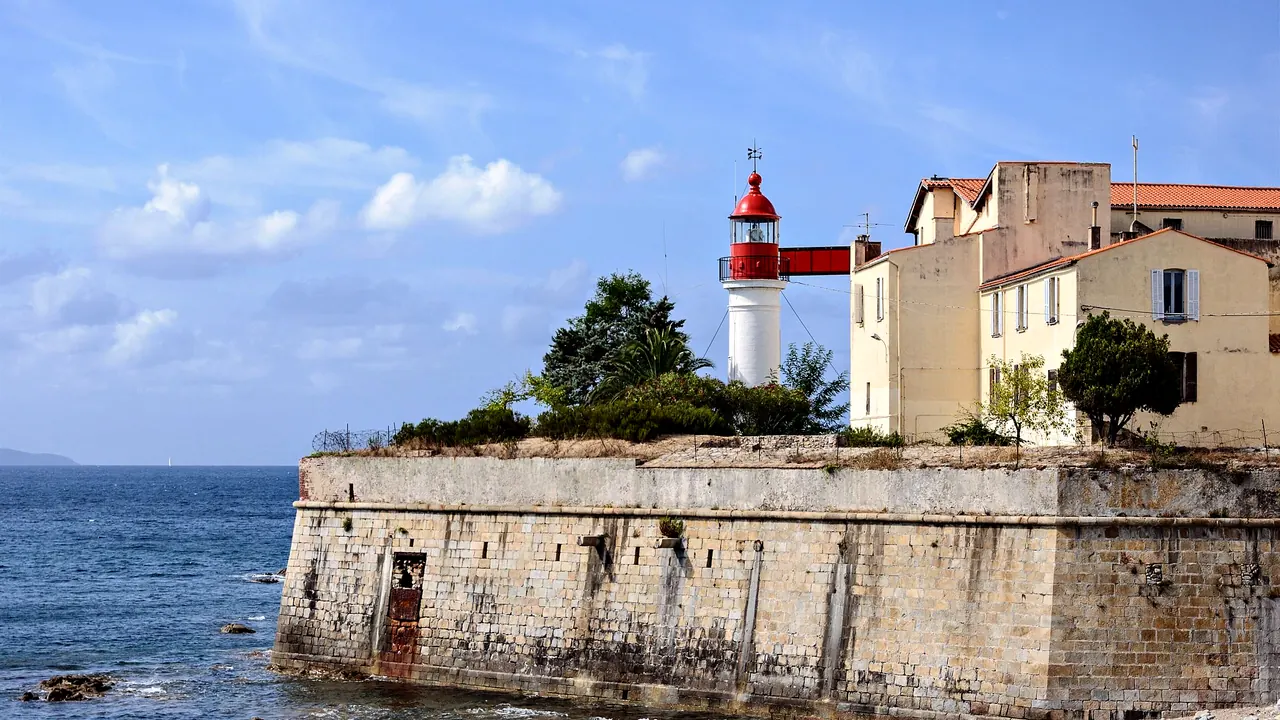
Photos: Corsica by Myrabella, CC BY-SA 3.0, cropped.
Corsica or Costa Brava?
Our verdict in twelve categories, each scored against the same fixed benchmark cities, and the climate month by month, so you can choose for your trip.
Choose Corsica for
- nature and the outdoors
- beaches
Corsica is the island for travellers who want wild landscape above all: high granite peaks, mountain lakes and forest rising straight behind beaches of pale sand and turquoise water. It suits walkers, divers and road-trippers who are happy to drive slow mountain roads and pay island prices, and who will trade nightlife, shopping and a deep food scene for scenery and quiet.
Choose Costa Brava for
- nightlife
- day trips
- families
The Costa Brava gives a more rounded trip within easy reach of the rest of Catalonia. Its cooking is better, the sights include the Dalí museum and medieval Girona, and Barcelona and the French border are close enough for a day out. Families find more laid on for children, going out is easier, and the bills are kinder, though its walking and wild coast are gentler than Corsica's.
Scoreboard
Twelve categories on one fixed scale from 0 to 100. The shaded stretch is the gap between the two.
Your match
Pick a travel style or drag the sliders, and both match scores follow your weighting.
Wins on nature and the outdoors and beaches with your weighting.
Wins on nightlife and day trips with your weighting.
What matters to you?
Category by category
What the scores mean for a trip.
Beaches & swimming
Both coasts have outstanding beaches, and the difference is mostly in character. Corsica's best are in the far south, Palombaggia, Santa Giulia and Rondinara, with white sand and turquoise water that look almost tropical, plus remote Agriates beaches such as Saleccia reached only by boat or a long track.
The Costa Brava trades that drama for variety: small pine-backed coves around Begur and Calella de Palafrugell with clear green water, and kilometres of open sand in the Bay of Roses and at Pals. Its northern beaches can be churned up by the tramontana, and the resort beaches of Lloret are crowded.
Food & drink
The Costa Brava is the stronger place to eat. Empordà cooking pairs seafood with meat and game, the fish auctions at Palamós and Roses feed the coast, and Girona's countryside has long drawn people who travel purely for dinner.
Corsica's table is good but narrower and rooted in the mountains: cured pork, brocciu, chestnut flour and boar stew, best found in village inns rather than on resort terraces. Its Patrimonio wines are a highlight, but variety beyond Corsican and French cooking is thin.
Culture & sights
The Costa Brava has the richer sightseeing, anchored by the Dalí Theatre-Museum in Figueres and the cathedral and Jewish quarter of Girona, with Greek and Roman Empúries right by the sea.
Corsica's heritage is more about setting than collections: Genoese citadels at Calvi and Bonifacio, the hill town of Corte, Napoleon's birthplace in Ajaccio and the standing stones of Filitosa. Rewarding on a road trip, but with fewer major sights.
Nightlife
Neither is a nightlife capital, but the Costa Brava gives far more choice. Lloret de Mar runs big clubs until dawn all summer, Platja d'Aro has its own cluster of late bars, and quieter villages still have beach bars at sunset.
Corsica's evenings are mostly a long dinner and a harbour drink. Only Porto-Vecchio's open-air clubs and Calvi's late bars stir in July and August, and outside them the island goes to bed early.
Nature & outdoors
Corsica is in another league for the outdoors. Peaks above 2,700m stand in sight of the sea, the GR20 is one of Europe's great treks, and the red cliffs of Piana, the Scandola reserve and the needles of Bavella give scenery few Mediterranean places can match.
The Costa Brava's nature is gentler and coastal: the Camí de Ronda path between coves, the bare headland of Cap de Creus and excellent diving at the Medes Islands. The Garrotxa volcanoes and the Pyrenees are within reach inland, but at a drive.
Day trips
The Costa Brava's location is a big advantage here. Barcelona is a short train ride from Girona, Collioure and Perpignan lie just over the French border, and inland Besalú, Olot and Vic make easy outings.
On Corsica, day trips are mostly to other towns on the island, such as Sartène, the Balagne villages or Cap Corse, plus the short ferry from Bonifacio to Sardinia. Slow mountain roads mean each base has only a few outings within comfortable reach.
Good for families
Corsica works for children who are happy with sand, water and boats. Resort villages with pools along the east and south coasts make an easy base, and boat trips into the sea caves and swims in inland river pools fill the days. With no zoo, aquarium or theme park to fall back on, though, a rainy day or a restless child has few answers.
The Costa Brava fills those gaps. On a grey day, the Dalí Theatre-Museum in Figueres, with its giant eggs on the roof, holds children's attention far better than most galleries. Barcelona's aquarium and zoo are an easy train ride from Girona, and the cliff-top gardens at Blanes and Lloret make a change from the beach. Evenings are easier too, as Catalan families eat late with their children and the village squares fill with play after dark.
Getting around
You will want a car in both, but the Costa Brava is less of a struggle. Towns are rarely more than an hour apart, and Girona and Figueres sit on the high-speed rail line, even if the beach towns do not.
Corsica's narrow mountain roads make every journey longer than the map suggests, buses are rare, and the charming narrow-gauge railway leaves out the south, where many of the best beaches are.
Shopping & style
Neither is built for shopping, though the Costa Brava has a little more. Girona has the best range of fashion and independent shops, La Bisbal d'Empordà is lined with pottery workshops, and Barcelona is close for anything more serious. Corsica's buys are mostly edible, charcuterie, cheese and wine from the Ajaccio and Bastia markets, along with hand-forged knives.
Affordability
The Costa Brava is the cheaper choice in summer, and it gives budget travellers real options: Lloret and the big campsites around Roses and L'Estartit cost far less than upmarket Begur or Cadaqués.
Corsica is expensive in July and August, with resort pricing in Porto-Vecchio, Bonifacio and Calvi, and the ferry and car hire add up. Inland villages, campsites and the shoulder months bring costs down.
Live music & performing arts
The Costa Brava has the fuller summer programme: opera and ballet in the castle grounds at Peralada, big-name concerts at Cap Roig and the havaneres sea songs sung on harbours, with Girona's auditorium for the rest of the year.
Corsica's draw is more singular, the unaccompanied polyphonic singing heard in village churches, plus jazz in Calvi in summer. Outside the season there is little.
Wellness & relaxation
Neither offers much formal wellness, and both are best for rest in the shoulder months. The Costa Brava has a real spa town at Caldes de Malavella, with Roman baths and historic spa hotels, while Corsica's thermal springs are small and simple. Corsica makes up for it with deeper quiet, as mountain villages are sleepier than anything on the busy Catalan coast in August.
When should you go?
Pick your month. The climate figures are measured averages, not a forecast.
Corsica in July
Costa Brava in July
Daytime high, °C
Rainfall in the month, mm
Temperature and rainfall are climate normals, averaged over the years shown. Corsica: 1991-2020 normals, Ajaccio (5.1 km from centre). Costa Brava: 1991-2020 normals, Gerona / Costa Brava (23.2 km from centre).
Both coasts are swimmable from late June to September, with the sea at its warmest in August at about 25°C. Corsica has the drier, sunnier summer: July brings barely 9mm of rain, while the Costa Brava keeps a scattering of showers through high summer and runs hotter on land, reaching around 31°C in July and August, which makes town walking hard work in the middle of the day.
Spring and early autumn suit sightseeing and hiking on both, with May and September the sweet spots. The rains arrive in autumn, on the Costa Brava from September and October, and in Corsica later but heavier, peaking in November. Winters are mild on both coasts at around 14°C, but too cool for the beach.
Which traveller are you?
For an outdoors trip, Corsica wins clearly. It offers serious mountain trekking on the GR20 and gentler routes, canyoning in the rivers, and diving and kayaking around Scandola and the Lavezzi islands, a far wilder range than the Costa Brava's coastal paths.
On a food and nightlife trip, the Costa Brava is the better pick. Empordà cooking, Palamós prawns and Girona's fine dining outclass Corsica's charcuterie and cheese, and Lloret, Platja d'Aro and Roses keep going late when most of Corsica is asleep.
On a family trip with young children, the Costa Brava makes life easier. Long shallow bays, big family campsites, water parks and glass-bottom boats sit within short drives, whereas Corsica has calm coves but little built for children and long, winding journeys.
Before you go
| Measure | Corsica | Costa Brava |
|---|---|---|
| Official language | French | Spanish |
| Currency | Euro (EUR) | Euro (EUR) |
| Sockets | CE230 V, 50 Hz | CF230 V, 50 Hz |
| Driving side | Right | Right |
| Time zone | UTC+1, UTC+2 in summer | UTC+1, UTC+2 in summer |
| Emergency number | 112 | 112 |
| Main airport | Ajaccio Napoléon Bonaparte airport (AJA)29 non-stop destinations | Girona-Costa Brava Airport (GRO)18 non-stop destinations |
| Public holidays this year | 11 days | 14 days |
By the numbers
| Measure | Corsica | Costa Brava |
|---|---|---|
| Population | 355,486 | - |
| People per km² | 41 | - |
| Swim season, months above 21 °C | 4 months | 3 months |
Where else could you go?
Every comparison below shares a destination with this one, so you can follow Corsica or Costa Brava somewhere new.
- Sardiniavs Corsica
- French Rivieravs Corsica
- Menorcavs Costa Brava
- Mallorcavs Costa Brava
- Cinque Terrevs Corsica
- Tuscanyvs Corsica