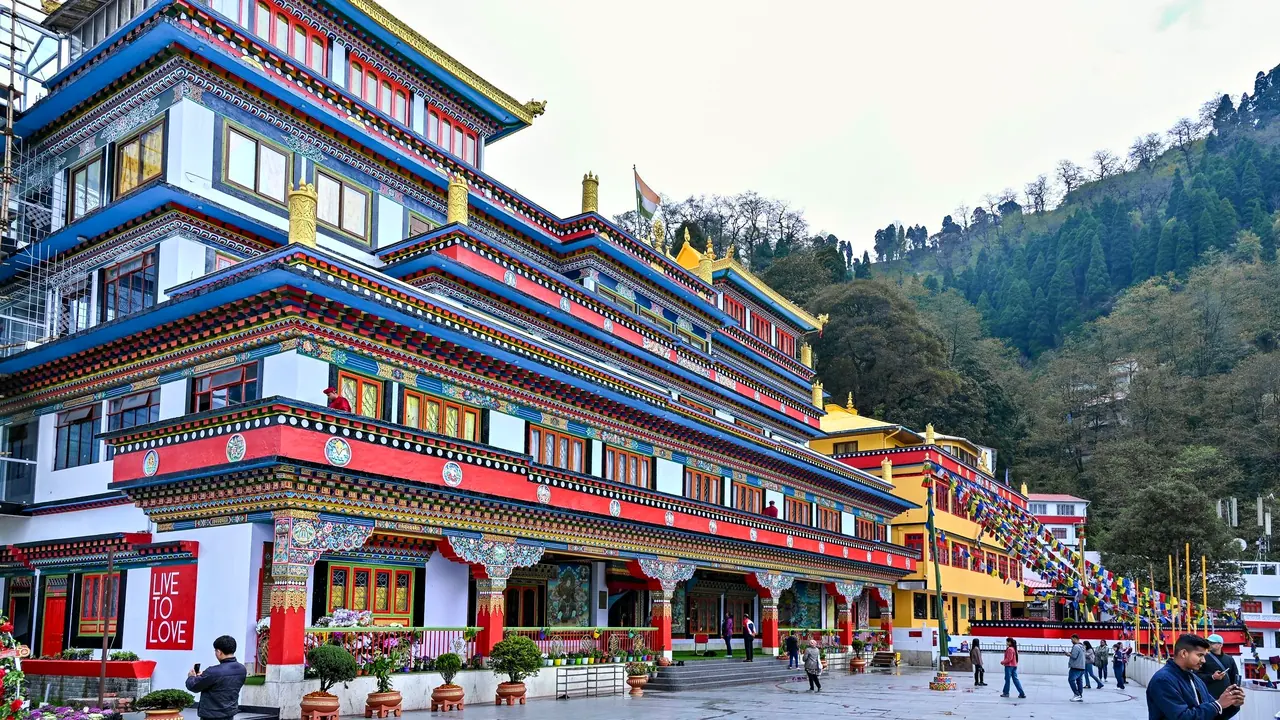
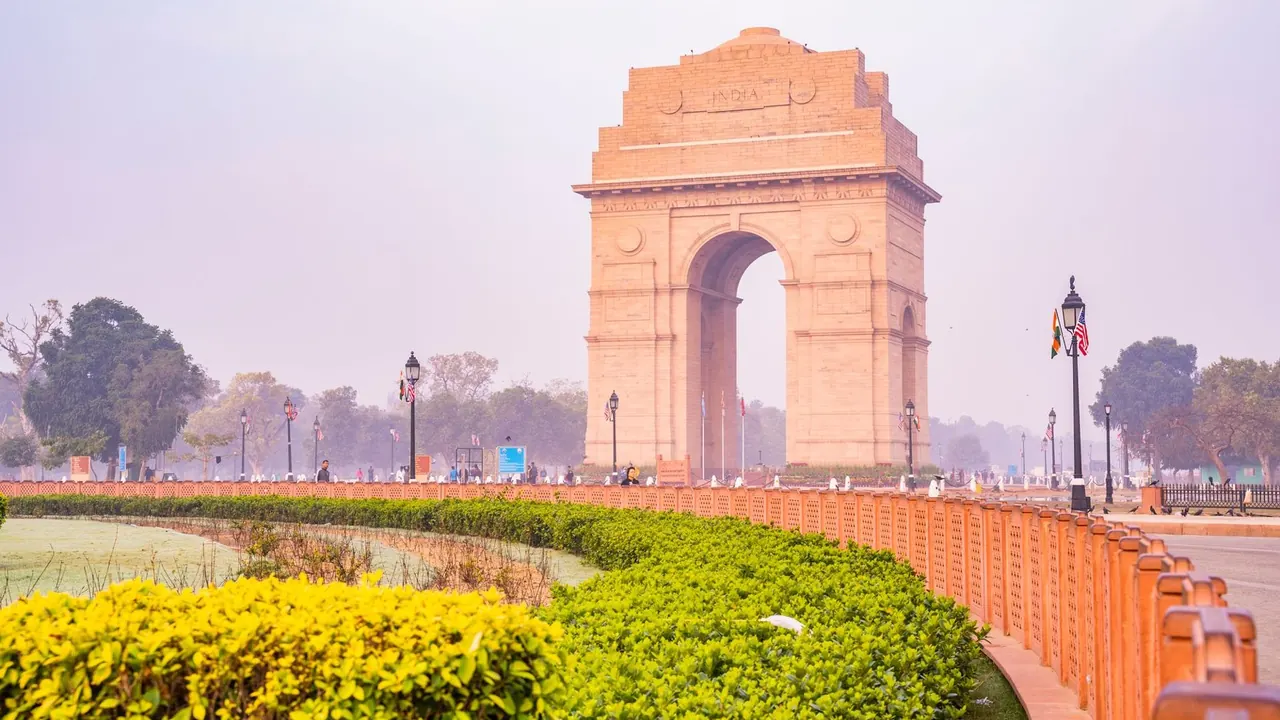
Photos: Darjeeling by Krishnendu Biswas, Pexels License; Delhi by shalender kumar, Pexels License.
Darjeeling or Delhi?
Our verdict in twelve categories, each scored against the same fixed benchmark cities, and the climate month by month, so you can choose for your trip.
Choose Darjeeling for
- nature and the outdoors
- wellness
- families
Darjeeling suits a traveller who wants mountains, cool air and a slower pace. Its days are made of sunrise over Kangchenjunga, walks through the tea estates, rides on the toy train and the Singalila Ridge trek. It is small, quiet after dark and has few restaurants and no real stages, so it rewards people who are happy with tea, momos and early nights more than those who want what a big city offers.
Choose Delhi for
- live music and the arts
- food and drink
- culture and sights
For monuments, food and markets, Delhi is far ahead. The Mughal tombs, Old Delhi's street cooking, classical music in the cooler months, crafts from all over India and Agra within easy reach make it a full and demanding city trip. It is better for curious, energetic travellers than for anyone looking for quiet or open country.
Scoreboard
Twelve categories on one fixed scale from 0 to 100. The shaded stretch is the gap between the two.
Your match
Pick a travel style or drag the sliders, and both match scores follow your weighting.
Wins on nature and the outdoors and wellness with your weighting.
Wins on live music and the arts and food and drink with your weighting.
What matters to you?
Category by category
What the scores mean for a trip.
Beaches & swimming
Neither city has anywhere to swim, which is no surprise for a hill town 2,000m up and a capital on the northern plains. What differs is how much you miss the water. In Darjeeling's cool air hardly anyone goes looking for it. In Delhi's heat before the monsoon, a hotel pool is worth choosing a room for, and travellers who want the sea usually add Goa or Kerala to the trip.
Food & drink
Delhi is one of India's great food cities, and the gap here is wide. The lanes around Chandni Chowk sell stuffed parathas, nihari, kebabs and jalebi, and chaat carts are everywhere. South Delhi adds regional kitchens from Kerala to Kashmir as well as refined modern Indian tasting menus.
Darjeeling's choice is narrower but has its own pleasures. You can taste first and second flush tea where it is grown, eat thukpa and momos in small family kitchens near Chowk Bazaar and linger over breakfast in a colonial-era tea room. Anyone after variety or fine dining will run out of options within a few days.
Culture & sights
Delhi was built as a series of capitals, and it has monuments enough for a week: the Red Fort, Humayun's garden tomb, the Qutb Minar, Jama Masjid, the Lodi tombs and the imperial avenue that leads to Rashtrapati Bhavan. The national art collections add more. The catch is distance, since the sights are spread across a huge city.
Darjeeling's heritage is smaller and closer together, a mix of the Raj and Buddhist monasteries. It has the UNESCO-listed toy train, the old Yiga Choeling monastery at Ghoom, St Andrew's Church and the Himalayan Mountaineering Institute with its history of Everest expeditions. Two or three days are enough to see it all.
Nightlife
Delhi does offer a night out, though it means taking a taxi between areas. There are rooftop bars in Hauz Khas Village, pubs under the colonnades of Connaught Place and bigger clubs out in Gurugram, all at their busiest at weekends.
Darjeeling has almost none of this. The evening is a drink by the fire in an old hotel bar, the streets are quiet by about ten, and most visitors go to bed early for the Tiger Hill sunrise.
Nature & outdoors
This is where Darjeeling is strongest. Kangchenjunga fills the northern sky on clear mornings, and the tea terraces and the oak and rhododendron forest begin at the edge of town. Serious walkers come for the Singalila Ridge, which climbs through red panda country to Sandakphu. The monsoon is the drawback, bringing leeches and cloud.
In Delhi, the outdoors means gardens and birds. There are early walks in Lodhi Gardens and Sunder Nursery, the scrubby Ridge forest and winter waterbirds at Okhla and Sultanpur. Even these are limited by the heat, the monsoon and the smog.
Day trips
Delhi has the stronger list of day trips, led by Agra. The express train takes under two hours, and the Taj Mahal and Agra Fort make an unforgettable day. Fatehpur Sikri, the Krishna pilgrimage towns of Mathura and Vrindavan and the hilltop fort at Neemrana add very different outings.
Darjeeling's day trips are to nearby hill towns that feel much like it: Kurseong with its old schools and tea estates, Mirik on its lake near the Nepal border, and the monasteries of Kalimpong across the Teesta valley. The roads wind and the going is slow, and Gangtok needs at least one night.
Good for families
Darjeeling has the edge with children, thanks to its cool climate and a few strong attractions: the toy train, pony rides on Chowrasta and the zoo's red pandas and snow leopards. The steps, steep lanes and twisting drive up from the plains mean it suits older children better than buggies.
Delhi has more places built for children, from the steam locomotives at the National Rail Museum to the water parks in Noida and Gurugram. Summer heat, winter smog, chaotic traffic and stomach bugs make it harder going with little ones, and late winter is the easiest time to bring them.
Getting around
Delhi has the metro, and it makes a big difference. It is clean and air-conditioned, has signs in English and an express line to the airport, and stops near most of the major monuments. Autos and app taxis cover the gaps, and cycle-rickshaws handle Old Delhi's lanes, though the city's size and its jammed roads still make for long days.
Darjeeling is small but steep. The car-free ridge of Chowrasta and the Mall is a pleasure to walk. Everywhere else means steps, or shared jeeps and taxis on the congested Hill Cart Road. Even getting there is a drive of three hours or more from Siliguri or Bagdogra.
Shopping & style
Delhi gathers crafts from all over India. You can shop at Dilli Haat and the fixed-price state emporiums, wander Old Delhi's specialist bazaars such as the Khari Baoli spice market, and browse Indian designers in Khan Market and Shahpur Jat.
Darjeeling does one thing very well: tasting estate teas and buying them loose by weight along the Mall and Nehru Road. Beyond that there are carpets and thangkas from the Tibetan Refugee Self Help Centre and many stalls selling much the same shawls and singing bowls.
Affordability
Both cities are cheap, and a careful traveller spends very little in either. In Darjeeling the savings come from guesthouses, momos, tea and shared jeeps. The main costs are the heritage hotels, the tea-estate bungalows and private taxis, and rooms with a view cost more in the peak seasons.
In Delhi the low costs come from street food, the metro and the many mid-range hotels. The expensive side is the grand hotels, the stylish South Delhi restaurants and imported alcohol, and foreigners pay a higher entry fee at the big monuments.
Live music & performing arts
Delhi has a real stage life. Through the cooler months there are Hindustani recitals and classical dance at the Mandi House auditoriums and the cultural centres on Lodhi Road, and the National School of Drama makes it India's theatre capital, though most plays are in Hindi. Many visitors remember the free qawwali at the Nizamuddin shrine most of all.
Darjeeling has no theatre or concert hall. The performances worth catching are the masked cham dances at monastery festivals such as Losar and occasional evenings of Nepali and Lepcha music, so seeing them depends on timing.
Wellness & relaxation
Darjeeling is the calmer of the two, though the rest comes from the setting rather than from treatments: a tea-estate bungalow, mountain mornings, long walks and the quiet of the monastery at Ghoom. Staying on the edge of town keeps you away from the jeeps and crowds of the Mall.
Delhi has more spas, with Ayurvedic treatments in the big hotels and yoga centres across South Delhi, but the noise, traffic and smog work against any sense of calm. Its quietest moments are early mornings in Sunder Nursery and the hush inside a gurudwara.
When should you go?
Pick your month. The climate figures are measured averages, not a forecast.
Darjeeling in July
Delhi in July
Daytime high, °C
Rainfall in the month, mm
Where the figures come from
Darjeeling has no weather station within reach, so its figures come from a gridded climate model rather than a measured record, and read a broad area rather than the city itself.
Temperature and rainfall are climate normals, averaged over the years shown. Darjeeling: 1991-2020 normals, TerraClimate 4 km grid at the town, no weather station within 90 km. Delhi: 1991-2020 normals, New Delhi / Safdarjung (9.4 km from centre).
Darjeeling is at its best from October to December and again from March to May, when walking is pleasant and the peaks are most likely to show. Winter highs of about 15°C mean cold mornings, which you notice most on the pre-dawn trip to Tiger Hill. From June to September the monsoon takes over. Rain peaks at 778mm in July, and cloud can hide the mountains for weeks.
Delhi's good season runs from October to March, with sunny days of around 28°C in November. From April the heat builds to about 40°C in May, which is too hot for exploring on foot, and the heaviest monsoon rain follows in July and August. The two cities fit together well. Delhi is best in winter, and in April and May, when the plains bake, Darjeeling's spring season is still running before the rains arrive.
Which traveller are you?
For an outdoors trip, Darjeeling is the clear choice. Paths through the tea estates and the rhododendron forest start at the edge of town, and the Singalila Ridge climbs to Sandakphu. Delhi offers flat gardens and winter birdwatching.
On a culture and arts trip, Delhi has far more to fill the days: the Red Fort, Humayun's Tomb, the Qutb Minar, the national art collections, Kathak and Hindustani recitals, and qawwali at Nizamuddin. Darjeeling's railway, monasteries and museum take two or three days.
For a relaxing and wellness trip, Darjeeling is the better fit. A tea-estate bungalow, mountain mornings and quiet monastery corners do what spas cannot. In Delhi, noise, traffic and smog leave the hotel spas as small islands of calm.
Before you go
| Measure | Darjeeling | Delhi |
|---|---|---|
| Official language | Hindi, English | Hindi, English |
| Currency | Indian Rupee (INR) | Indian Rupee (INR) |
| Sockets | CM230 V, 50 Hz | CM230 V, 50 Hz |
| Driving side | Left | Left |
| Time zone | UTC+5:30 | UTC+5:30 |
| Emergency number | 108 or 112 | 108 or 112 |
| Elevation | 2,115 m | 221 m |
| Main airport | Bagdogra Airport (IXB)40 km from centre13 non-stop destinations | Indira Gandhi International Airport (DEL)17 km from centre144 non-stop destinations |
By the numbers
| Measure | Darjeeling | Delhi |
|---|---|---|
| City population | 118,805 | 26,495,000 |
| People per km² | 11,208 | 18,962 |
| Museums within 10 km | 7 | 23 |
| UNESCO World Heritage sites within 50 km | 1 | 4 |
Where else could you go?
Every comparison below shares a destination with this one, so you can follow Darjeeling or Delhi somewhere new.
- Agravs Delhi
- Rishikeshvs Delhi
- Jaipurvs Delhi
- Kathmanduvs Darjeeling
- Amritsarvs Delhi
- Pokharavs Darjeeling