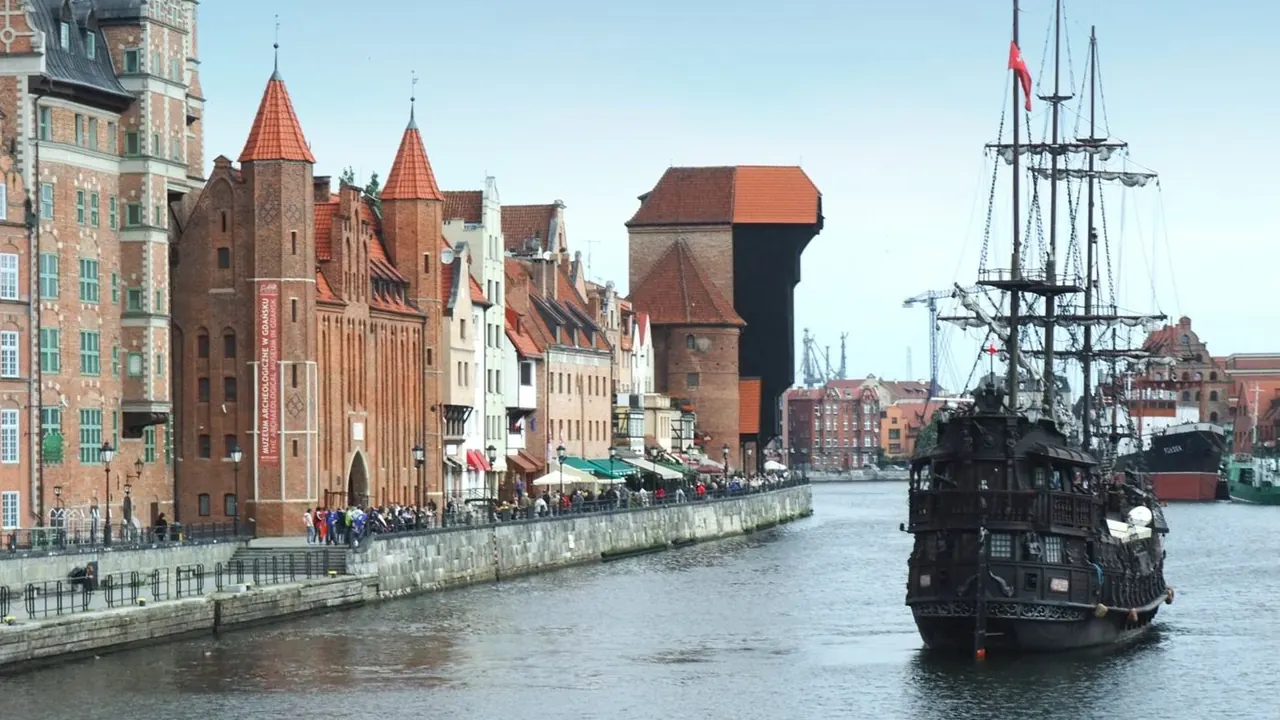
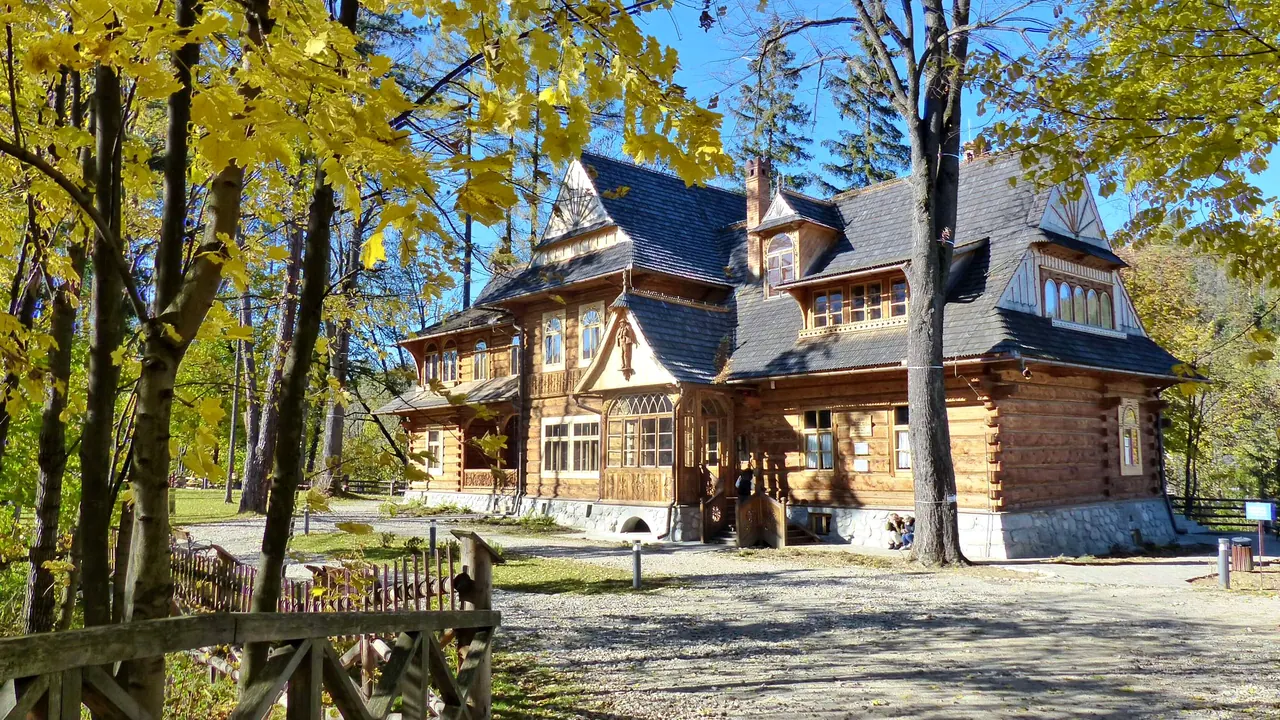
Photos: Gdansk by Nikater, CC BY-SA 3.0, cropped; Zakopane by Wojciech Grzegorz Domagała, CC BY-SA 4.0, cropped.
Gdansk or Zakopane?
Our verdict in twelve categories, each scored against the same fixed benchmark cities, and the climate month by month, so you can choose for your trip.
Choose Gdansk for
- culture and sights
- beaches
- live music and the arts
Gdansk suits travellers who want a proper city. It has a rebuilt Hanseatic Main Town, some of Europe's most serious museums of the twentieth century, an opera and a philharmonic, and in summer a long sandy shore a tram ride away. Choose it for a first look at Poland's north, a long weekend of sights and good eating, or a summer stay that mixes streets with the beach.
Choose Zakopane for
- nature and the outdoors
- wellness
Zakopane is for people who come for the mountains. The Tatras begin at the edge of town, with valley walks anyone can manage and high granite routes for fit walkers. Winter brings skiing and sledging, and the thermal pools are there for a soak at the end of the day. The town's own sights take about a day, so pick it when walking boots matter more to you than museums.
Scoreboard
Twelve categories on one fixed scale from 0 to 100. The shaded stretch is the gap between the two.
Your match
Pick a travel style or drag the sliders, and both match scores follow your weighting.
Wins on culture and sights and beaches with your weighting.
Wins on nature and the outdoors and wellness with your weighting.
What matters to you?
Category by category
What the scores mean for a trip.
Beaches & swimming
Gdansk has a real beach. A near-continuous strip of fine, pale sand runs from Brzeźno and Jelitkowo to Sopot, reachable by tram, and the shallow water suits children. The Baltic stays cool, though, so you get a few summer weeks of swimming and shoreline walks for the rest of the year.
Zakopane has no beach at all. Bathing in the Tatra lakes is forbidden and the reservoir at Czorsztyn is an hour's drive away, so in practice the swimming happens in the warm outdoor thermal pools.
Food & drink
Both serve filling Polish food, but from different kitchens. Gdansk adds the Baltic, with smoked and fried fish and herring, plus cheap milk bars, serious craft beer and Goldwasser. It also has a wider choice of better restaurants in Wrzeszcz, the shipyard area and Sopot.
Zakopane's highland cooking is more distinctive but narrower: grilled oscypek with cranberry jam, kwaśnica and lamb served in timber inns, often with musicians playing. Beyond that there is little international food or fine dining, and Krupówki serves the same menu over and over.
Culture & sights
Gdansk is far ahead here. The merchant houses along Długa and the Long Market and the medieval crane on the Motława show a rich Hanseatic port, with St Mary's towering over them. The Museum of the Second World War, Westerplatte and the European Solidarity Centre make it one of the best places in Europe to understand the twentieth century.
Zakopane has a small but charming heritage: the wooden Zakopane style at Villa Koliba and Jaszczurówka, the Tatra Museum and the carved grave markers of Pęksowy Brzyzek. It fills a day, and after that the mountains take over.
Nightlife
Gdansk offers more choice over a longer season. There are cocktail bars in the Main Town, student bars in Wrzeszcz and warehouse club nights at the old shipyard. In summer Sopot's Monte Cassino street takes over, with local trains running late into the night.
Zakopane's going out is one street, Krupówki, with pubs, a few clubs and inns that get rowdy. It is liveliest with après-ski groups on winter weekends and at New Year, and quiet midweek, when the hikers are in bed early anyway.
Nature & outdoors
This is Zakopane's great strength. The Tatras are true alpine country of granite peaks and glacial lakes, and they start at the edge of town. Options run from easy walks in Kościeliska and the crowded road to Morskie Oko up to Rysy at 2,499m, and the cable car to Kasprowy Wierch. Winter adds skiing, and summer adds rafting through the Dunajec gorge.
Gdansk's outdoors are flatter and gentler: beech woods and trails in the Tricity Landscape Park, a coastal cycle path, canoeing in the Kashubian lakes and kitesurfing on the Bay of Puck. They make good days out, but there are no mountains.
Day trips
Day trips from Gdansk run on rails, while from Zakopane they mostly go by road. From Gdansk, Malbork's vast Teutonic castle is just over half an hour away by train. Torun's Gothic old town, the Cistercian abbey at Pelplin and Frombork, where Copernicus worked, make longer days out, and in summer boats run out to Hel.
From Zakopane the closest outings are the painted larch church at Dębno, the log houses of Chochołów and the castles facing each other across the water at Niedzica and Czorsztyn. Across the border, Spiš Castle and Levoča make a strong heritage day. Kraków and the Wieliczka salt mine take a long day, and weekend traffic can stretch any of these journeys.
Good for families
Gdansk is a summer seaside city for children, and Zakopane is a mountain base that works in every season. In Gdansk the best weeks are July and August, with shallow sandy beaches, the Oliwa zoo in the wooded hills, Gdynia's aquarium and science centre, and the Hevelianum in its hilltop fort. Out of season the cold and wind leave mostly indoor options, and many of the big museums deal with war, which suits older children better.
In Zakopane the Gubałówka funicular leads to slides and a summer toboggan run. Kościeliska's valley trail is flat enough for pushchairs, winter brings sledging and ski schools, and the thermal water parks fill a rainy day. The drawbacks are crowds on Krupówki and traffic jams during the school breaks.
Getting around
Gdansk is easier without a car. The Main Town is flat and walkable, trams run to the beaches, and the SKM railway covers the whole 30km of the Tricity to Sopot and Gdynia, with a rail link to the airport.
Zakopane's centre is easy on foot, and minibuses shuttle to Kuźnice and the valley entrances. The difficulty is getting there: the road jams at peak times and the railway from Kraków is scenic but slow. A car helps for the Slovak side, though parking in town is a chore.
Shopping & style
Neither is a shopping destination, but Gdansk has one thing really worth buying: Baltic amber, sold by established workshops along Mariacka Street. It also has malls, Sopot's Monte Cassino street and the centuries-old St Dominic's Fair each summer.
Zakopane's shops are mostly souvenirs, with a real craft tradition underneath. The Gubałówka market sells sheep's-wool sweaters, sheepskins, felt slippers and carved wood, and Krupówki adds outdoor gear.
Affordability
Both are cheap by Western European standards and roughly level on cost. The real difference is when prices jump. In Gdansk rooms rise in July and August, when the coast fills up. Zakopane's peaks are Christmas, New Year and the winter school breaks, as well as long summer weekends. For both, spring and autumn are the cheaper times to go.
Live music & performing arts
Gdansk has a proper season. There is the Baltic Opera, the Philharmonic in a converted power station on Ołowianka island and the Shakespeare Theatre with its opening roof. Organ recitals in Oliwa Cathedral and a big summer rock festival in Gdynia round it out.
Zakopane's live culture is smaller and rooted in folk tradition: highland string bands in the inns, the Witkacy Theatre and the International Festival of Mountain Folklore every August. Classical concerts are only occasional.
Wellness & relaxation
Zakopane is the place to unwind. It grew up as a mountain health resort, and its geothermal pools at Chochołów, Białka Tatrzańska, Bukowina and Szaflary steam outdoors with the Tatras in view. Many visitors make a soak after a hike part of the day.
Gdansk has no bathing tradition beyond hotel spas, the grand old spa hotels of Sopot and the hardy local custom of winter sea dipping. Its calm comes instead from long cake-and-coffee afternoons in the Main Town outside the summer peak.
When should you go?
Pick your month. The climate figures are measured averages, not a forecast.
Gdansk in July
Zakopane in July
Daytime high, °C
Rainfall in the month, mm
Where the figures come from
Gdansk's sunshine is measured 55 km from the centre, at Elblag.
Zakopane has no rain gauge within 25 km of the centre, so its rainfall comes from a gridded climate dataset read at the city rather than from a gauge further away.
Zakopane's sunshine is measured 34 km from the centre, at Poprad / Tatry.
Temperature and rainfall are climate normals, averaged over the years shown. Gdansk: 1991-2020 (rainfall 1971-2000) normals, Gdansk-Rebiechowo (12.7 km from centre). Zakopane: 1999-2020 (sunshine 1991-2020, rainfall 1991-2020) normals, Zakopane (0.2 km from centre).
Gdansk is at its best in summer. From June to August daytime highs are around 22°C and the days are long and bright, with about 250 hours of sun in June and July. The sea only reaches about 19°C in August, so the swimming weeks are short and bracing. Rain is moderate all year and peaks in July at about 73mm. November to February is close to freezing, windy and very dark, a time for museums and cafés. May and September are the most comfortable months for walking the streets.
Zakopane follows almost the same temperature curve and runs a degree or so cooler, but its summers are much wetter. July brings about 176mm of rain, more than twice Gdansk's, so hikers should expect rain on many days. Late August to early October is the steadier time for the high trails, with mild days and decent sun. Winter is cold but noticeably brighter than on the Baltic, and it suits the sledging and ski season.
Which traveller are you?
For a culture and arts trip, Gdansk is the clear choice. The Hanseatic Main Town, St Mary's, the Museum of the Second World War and the Solidarity Centre fill several days, and the opera, philharmonic and Shakespeare Theatre take care of the evenings.
On an outdoors trip, go to Zakopane. Tatra trails start in town and run from flat valley walks up to Rysy and the chained Orla Perć ridge. Winter adds skiing and cross-country routes, and summer brings rafting on the Dunajec. Gdansk has only woods, lakes and a coastal path.
For a relaxing and wellness trip, Zakopane wins again. Outdoor thermal pools across the Podhale valley steam with mountain views, hotels add saunas and treatments, and a guesthouse on the quieter slopes is properly peaceful. In Gdansk, wellness mostly means hotel spas.
Before you go
| Measure | Gdansk | Zakopane |
|---|---|---|
| Official language | Polish | Polish |
| Currency | Zloty (PLN) | Zloty (PLN) |
| Sockets | CE50 Hz | CE50 Hz |
| Driving side | Right | Right |
| Time zone | UTC+1, UTC+2 in summer | UTC+1, UTC+2 in summer |
| Emergency number | 112 | 112 |
| Elevation | 11 m | 837 m |
| Main airport | Gdańsk Lech Wałęsa Airport (GDN)13 km from centre73 non-stop destinations | Kraków John Paul II International Airport (KRK)87 km from centre132 non-stop destinations |
| Public holidays this year | 14 days | 14 days |
By the numbers
| Measure | Gdansk | Zakopane |
|---|---|---|
| City population | 487,834 | 25,770 |
| People per km² | 714 | 306 |
| Museums within 10 km | 34 | 18 |
| UNESCO World Heritage sites within 50 km | 2 | 2 |
| Swim season, months above 21 °C | None | - |
Where else could you go?
Every comparison below shares a destination with this one, so you can follow Gdansk or Zakopane somewhere new.
- Krakowvs Zakopane
- Budapestvs Zakopane
- Brnovs Zakopane
- Bratislavavs Zakopane
- Warsawvs Gdansk
- Viennavs Zakopane