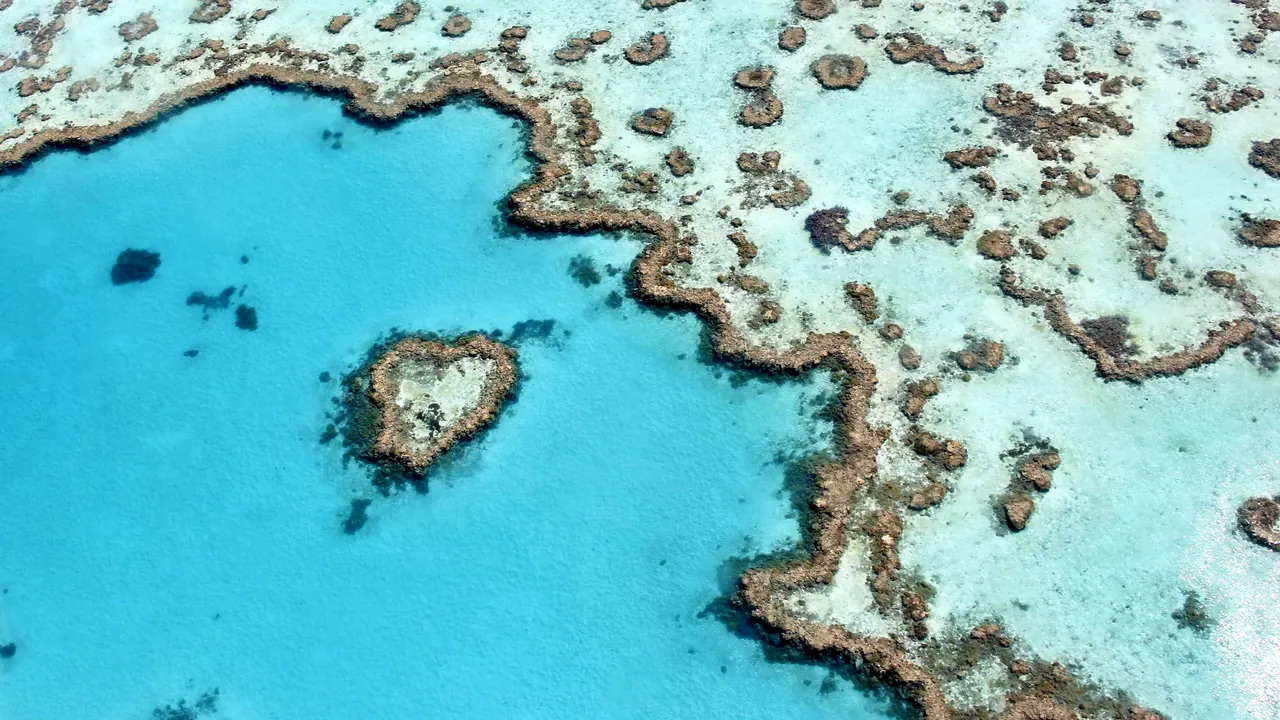
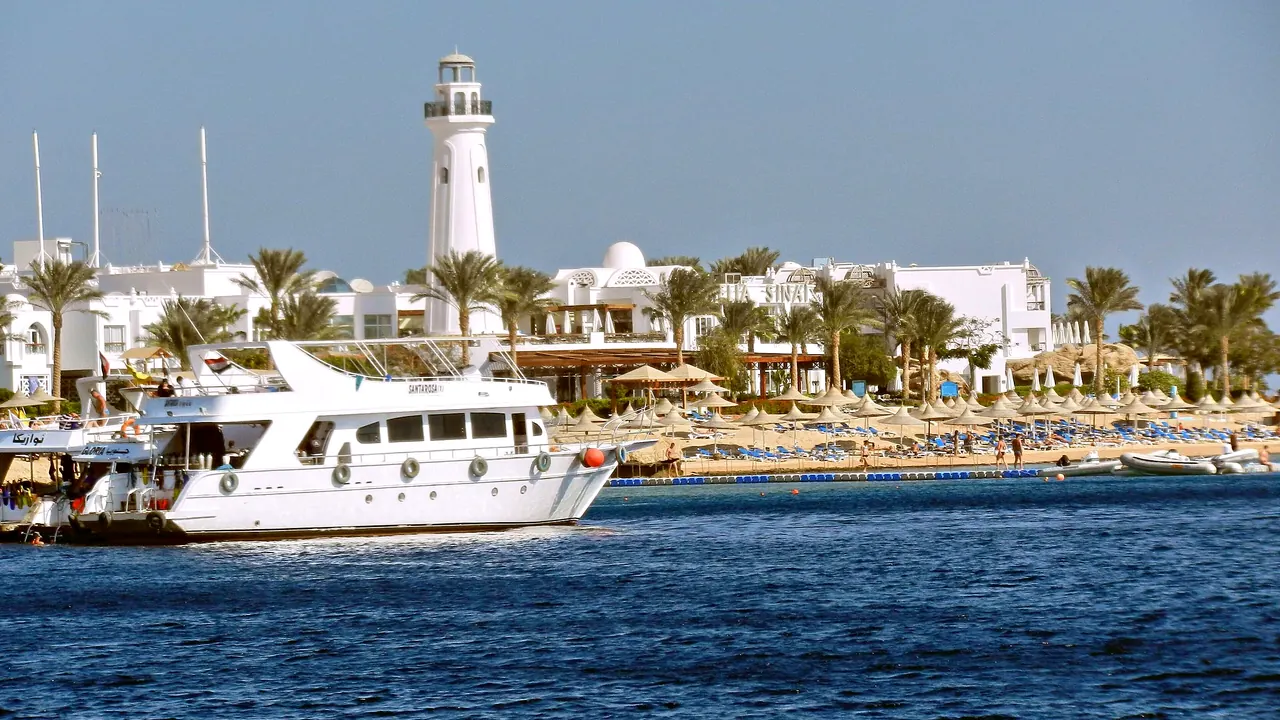
Photos: Great Barrier Reef by Ayanadak123, CC BY-SA 4.0, cropped; Sharm el-Sheikh by Tanya Dedyukhina, CC BY 3.0, cropped.
Great Barrier Reef or Sharm el-Sheikh?
Our verdict in twelve categories, each scored against the same fixed benchmark cities, and the climate month by month, so you can choose for your trip.
Choose Great Barrier Reef for
- getting around
- nature and the outdoors
- food and drink
The Great Barrier Reef is for travellers who want the natural world at its largest and are prepared to pay and plan for it. Outer-reef walls, the Daintree rainforest running down to the sea and sailing through the Whitsundays add up to something Sinai cannot match for scale or variety. On shore, Cairns and Port Douglas also give you a little more to eat and do. It suits a longer trip in the dry months, built around one or two bases.
Choose Sharm el-Sheikh for
- prices
- beaches
- nightlife
Sharm el-Sheikh makes more sense when what you want is warm, calm sea, snorkelling straight off a hotel jetty and a bill that stays under control. All-inclusive resorts are good value, the coral starts a few steps from the sand, and there is no stinger season or crocodile warning to plan around. Little happens away from the hotel and the reef, so it rewards people who are happy to stay in one place for a week.
Scoreboard
Twelve categories on one fixed scale from 0 to 100. The shaded stretch is the gap between the two.
Your match
Pick a travel style or drag the sliders, and both match scores follow your weighting.
Too close to call, 2 points apart
Wins on getting around and nature and the outdoors with your weighting.
Wins on prices and beaches with your weighting.
What matters to you?
Category by category
What the scores mean for a trip.
Beaches & swimming
Both are coral coasts with warm water, but Sharm makes swimming simpler. The reef starts a few steps out, wooden jetties carry you over the reef flat to the drop-off, and the water is calm all year. The catch is that most beaches are small hotel strips, often partly man-made.
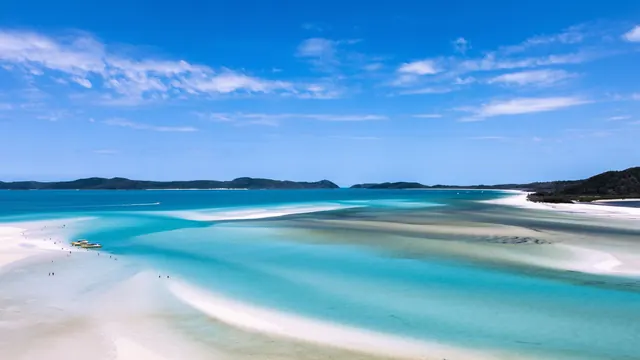
On the Australian side the sand is finer but further away: the white silica of Whitehaven Beach and the swirling shallows of Hill Inlet in the Whitsundays, or Four Mile Beach at Port Douglas. Cairns itself faces mudflats. From November to May swimmers wear stinger suits or stay inside netted enclosures, and crocodiles keep people out of mainland creeks.
Food & drink
Neither is a place to travel for food, but the reef coast offers rather more. Coral trout, barramundi, mud crab and tropical fruit, the weekend market in Cairns, the main street of good restaurants in Port Douglas, and the coffee, cheese and rum of the Tablelands give real choice beyond the pub meal.
In Sharm the all-inclusive buffet sets the tone, and the restaurants in Naama Bay are built for tourists. The honest alternative is grilled fish, koshari and taameya in the Old Market. Alcohol is mostly kept to hotels and tourist bars, and there is no café culture.
Culture & sights
Culture is a sideline in both places, though the Queensland coast has a little more depth. Walks led by Aboriginal Traditional Owners around the Daintree and Mossman Gorge, the story of HMS Pandora at Townsville's museum and the Indigenous art in the Cairns gallery all give a trip some substance. In Sharm there are the Al Sahaba Mosque and the painted Coptic cathedral, and Egypt's great monuments are a long way off.
Nightlife
Evenings out are modest in both, and the real difference is who they are for. On the reef it is a young backpacker crowd: loud bars on Airlie Beach's main street after sailing trips, and pubs and beer gardens near the Cairns Esplanade. Port Douglas leans towards cocktails over dinner, and early reef boats keep the islands quiet.
Sharm's nights centre on the Naama Bay promenade, with shisha lounges, DJ nights in beach bars and a few large clubs that stay open late, at their busiest in the European summer. Many guests never get further than the lobby bar and the hotel's entertainment programme.
Nature & outdoors
Both rank among the world's great places to dive, but the reef wins on scale and on what lies beyond the water. Outer-reef walls at Agincourt and the Ribbon Reefs, liveaboards, minke whales in winter and turtles nesting on Heron and Lady Elliot islands come alongside the Daintree rainforest, sailing in the Whitsundays and the Hinchinbrook wilderness walk.
Sharm's underwater world is superb and close at hand. Ras Mohammed is about 30km away, the Thistlegorm wreck lies nearby, and the Tiran reefs are a short boat ride out. On land, though, it is red granite and desert, explored by jeep or camel, with very little green.
Day trips
The reef coast has more varied outings. You can ride the scenic railway or the cableway up to Kuranda, drive the coast road to Port Douglas and Mossman, visit Tablelands villages such as Yungaburra, or take the ferry to Green, Fitzroy or Magnetic Island.
Sharm's list is shorter but includes the one great historic site of either destination: St Catherine's Monastery, often paired with a night climb of Mount Sinai. Dahab makes an easy day out, while the trips sold to Cairo or Luxor are mostly hours in transit.
Good for families
Both suit families about equally well, in quite different ways. Sharm is the simple resort week, with kids' clubs, pools with slides and shallow lagoons for a first snorkel. The hotel does most of the work, and the midsummer heat is the main drawback.
The reef asks more of a family and gives more back. There are outer-reef pontoons with roped swimming areas and underwater viewing chambers, koalas and rock wallabies on Magnetic Island, and the butterfly house at Kuranda. Long open-water crossings, stinger suits and crocodile warnings make it a better fit for children over about six.
Getting around
Neither is easy, but the reef works better once you settle on one base. In Cairns, Port Douglas or Airlie Beach, boats leave from central marinas and tours collect you from your hotel, and a hire car on good roads opens up the rainforest and the Tablelands. The catch is the distance between hubs: combining the north with the Whitsundays usually means a flight.
Sharm stretches about 30km along the coast and only Naama Bay is pleasant on foot. The alternatives are shared minibuses on the main road or taxis whose fare you agree before getting in. Most visitors book tours with pick-up or simply stay in the resort.
Shopping & style
The thing worth carrying home from the Queensland coast is Aboriginal and Torres Strait Islander art, best bought from community-owned galleries and art centres. Kuranda's crafts and local honey and the resort-wear boutiques of Port Douglas are smaller extras.
Sharm sells Egyptian bazaar goods instead: spices, perfume oils, alabaster and cotton galabiyas in the Old Market and along Naama Bay, and you haggle for them over persistent sales talk. In both places the rest is beachwear and shopping centres.
Affordability
The gap here is wide. Sharm is cheap by European resort standards, especially if you go all-inclusive, and food in the Old Market costs little. The money goes on diving, excursions and drinks outside the hotel.
The reef is expensive from start to finish. Every reef day means a boat, the island resorts are very expensive, and eating out is at full Australian prices. Hostels and apartments in Cairns and Airlie Beach soften the cost, but the dry season is the dearest time to go.
Live music & performing arts
Neither is a place to plan a trip around live performance, but on the Queensland coast you can at least have a proper evening at a concert or the theatre. In Cairns the regional performing arts centre puts on touring productions alongside local companies, and Townsville's chamber music festival is a good reason to time a winter visit. On an ordinary night, though, live music means a cover band in a pub, and most visitors see traditional dance only as a short demonstration on a cultural tour.
In Sharm, entertainment comes with the hotel or as part of a package: a dinner show with belly dancing and spinning tanoura skirts, or a big evening spectacle laid on for tour groups. There is nowhere to hear local musicians or see a play, so it is something to watch over dinner rather than something to go out for.
Wellness & relaxation
Both are places to switch off rather than to take the waters, and the difference is the setting. On the reef that means a small island resort run by the tides, a Port Douglas spa using rainforest botanicals or a lodge in the Daintree. Sharm's large resorts offer hammam-style scrubs, steam rooms and reasonably priced massage, with warm winter sun and long days by the pool doing the rest.
When should you go?
Pick your month. The climate figures are measured averages, not a forecast.
Great Barrier Reef in July
Sharm el-Sheikh in July
Daytime high, °C
Rainfall in the month, mm
Where the figures come from
Great Barrier Reef has no rain gauge within 25 km of the centre, so its rainfall comes from a gridded climate dataset read at the destination rather than from a gauge further away.
Sharm el-Sheikh has no weather station within reach, so its figures come from a gridded climate model rather than a measured record, and read a broad area rather than one spot.
Temperature and rainfall are climate normals, averaged over the years shown. Great Barrier Reef: 1993-2010 (rainfall 1991-2020) normals, Green Island Aws (1.1 km from centre). Sharm el-Sheikh: 2001-2020 normals, NASA POWER reanalysis grid, no weather station within 90 km.
The reef's year divides into wet and dry. Around Cairns, December to April is hot, humid and very wet, with more than 500mm of rain in February (504mm), and it is also the season when box jellyfish and Irukandji are in the water. June to October is the time to go: dry, clear and calm, with both the air by day and the sea at around 24°C in midwinter. That is ideal for rainforest walks and reef trips, although sun-seekers may find the water a little cool.
Sharm has almost no rain at any time, so its seasons are about heat. June to September is fierce, with highs of 38°C that leave little to do at midday except swim. Winter days of about 21°C are pleasant for being out and about but can feel cool and windy on the beach, while the sea stays near 23°C. Spring and October to November are the best balance. The two fit together neatly: the reef's best months fall in Sharm's hottest season, and Sharm's mild winter lines up with the reef's wet season.
Which traveller are you?
For an outdoors trip, choose the Great Barrier Reef. A week there can switch between reef, rainforest and open water under sail without ever repeating itself. Sharm's diving is superb and close to shore, but once you are on dry land the choices soon run out.
On a beach and sun trip, Sharm el-Sheikh is the easier choice. On the reef, the best sand usually means a boat out to an island and, for half the year, a stinger suit. In Sharm you walk from your room into calm, clear water almost any month.
On a trip on a tight budget, Sharm el-Sheikh is the better choice. On the reef, the thing you came for is also what costs the most, so saving money means seeing less of it. In Sharm, an all-inclusive week covers most costs in advance, and the coral off the beach is free.
Before you go
| Measure | Great Barrier Reef | Sharm el-Sheikh |
|---|---|---|
| Official language | English | Arabic |
| Currency | Australian Dollar (AUD) | Egyptian Pound (EGP) |
| Sockets | I230 V, 50 Hz | CF220 V, 50 Hz |
| Driving side | Left | Right |
| Time zone | UTC+10 | UTC+2, UTC+3 in summer |
| Emergency number | 000 | Police 122, ambulance 123, fire 180 |
| Elevation | - | 1 m |
| Main airport | Cairns International Airport (CNS)32 non-stop destinations | Sharm El Sheikh International Airport (SSH)16 km from centre116 non-stop destinations |
| Public holidays this year | 11 days | 15 days |
By the numbers
| Measure | Great Barrier Reef | Sharm el-Sheikh |
|---|---|---|
| Population | - | 73,000 |
| Museums within 10 km | - | 1 |
| UNESCO World Heritage sites within 50 km | - | 0 |
| Swim season, months above 21 °C | 12 months | 12 months |
Where else could you go?
Every comparison below shares a destination with this one, so you can follow Great Barrier Reef or Sharm el-Sheikh somewhere new.
- Dahabvs Sharm el-Sheikh
- Hurghadavs Sharm el-Sheikh
- Luxorvs Sharm el-Sheikh
- Cairovs Sharm el-Sheikh
- Aswanvs Sharm el-Sheikh
- Alexandriavs Sharm el-Sheikh