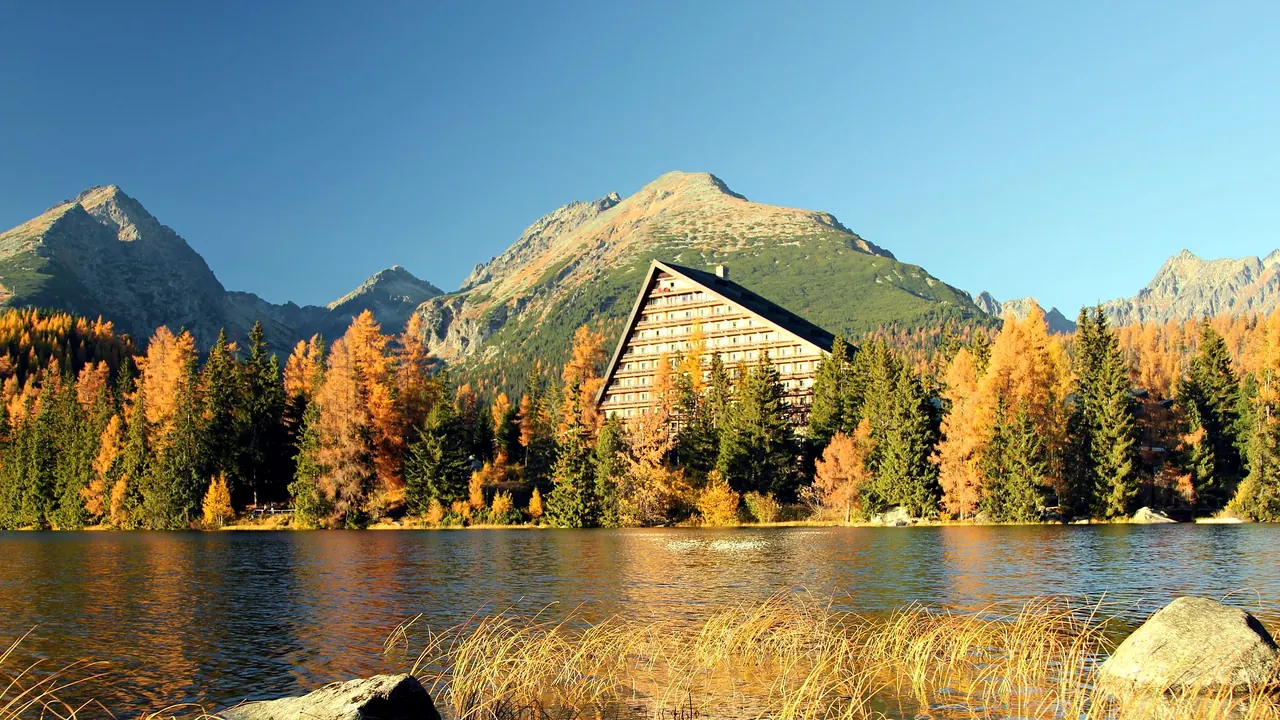
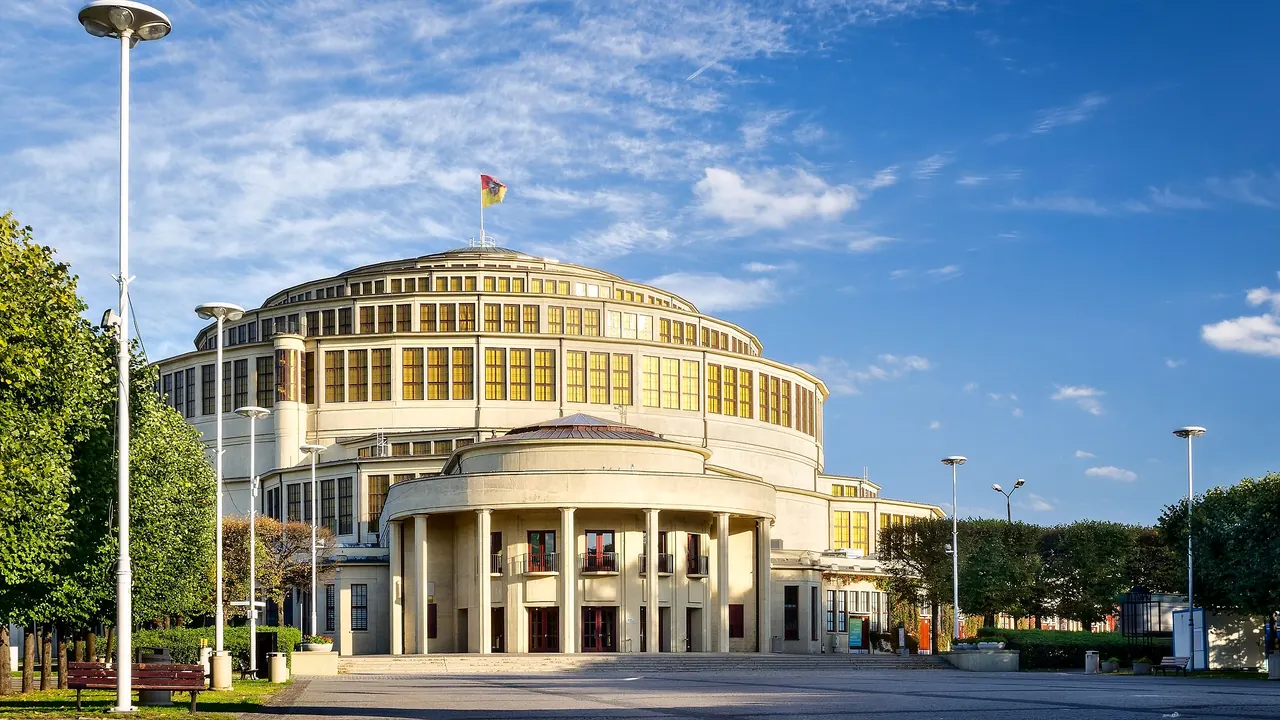
Photos: High Tatras by Marián Moravčík, Pexels License; Wroclaw by Jar.ciurus, CC BY-SA 3.0 PL, cropped.
High Tatras or Wroclaw?
Our verdict in twelve categories, each scored against the same fixed benchmark cities, and the climate month by month, so you can choose for your trip.
Choose High Tatras for
- nature and the outdoors
- wellness
- day trips
The High Tatras are for travellers who want the mountains right outside the door. Granite peaks, tarns and hut-to-hut trails start a short walk from the resorts, winter brings compact skiing, and the evenings are spent quietly in spa hotels with pools and saunas. Choose them for an active or restful trip in nature, and accept that the culture, shopping and nights out are thin. The history lies in the Spiš towns below.
Choose Wroclaw for
- culture and sights
- live music and the arts
- nightlife
Wroclaw suits someone who wants a proper city. It has a vast Market Square, the cathedral island, a real concert and opera season and student bars that stay open late. It is also the cheaper of the two and easier to get around, on foot or by tram. Its green spaces are riverside parks rather than peaks, so keen hikers would face long days out to the Sudetes.
Scoreboard
Twelve categories on one fixed scale from 0 to 100. The shaded stretch is the gap between the two.
Your match
Pick a travel style or drag the sliders, and both match scores follow your weighting.
Wins on nature and the outdoors and wellness with your weighting.
Wins on culture and sights and live music and the arts with your weighting.
What matters to you?
Category by category
What the scores mean for a trip.
Beaches & swimming
Neither place has a beach worth travelling for, and the swimming is different in each. In the Tatras the glacial tarns are off-limits. Your swim comes in the warm geothermal pools around Poprad or the thermal parks of the Liptov valley.
Wroclaw has sandy river beaches on the Oder, but these are for deckchairs and a drink, not for getting in the water. For a swim, you would head to outdoor pools or the lakes in the countryside.
Food & drink
Wroclaw offers far more choice. Beyond pierogi and żurek served in a bread bowl, it has cheap milk-bar lunches, lighter Polish bistros off the square and brewpubs in old cellars.
The Tatras keep to hearty mountain food: bryndzové halušky, game and grilled meats in timbered kolíba taverns. The meals people remember are often soup and dumplings at a mountain hut after a climb. Away from the hotel dining rooms, there is little variety.
Culture & sights
There is little sightseeing in the Tatra resorts. You get the timber and Art Nouveau villas of the old spa settlements and the national park museum in Tatranská Lomnica, and that is about it until you go down to the Spiš towns.
Wroclaw is a city to spend days exploring. The huge Market Square with its Gothic Town Hall, the red-brick churches and gas lamps of Ostrów Tumski, the gilded Aula Leopoldina and the UNESCO-listed Centennial Hall cover several centuries. Its post-war reconstruction adds another layer to the history.
Nightlife
Evenings in the Tatras usually end with dinner and a glass of borovička, because hikers start early. Only in the ski season do a few après-ski and hotel bars in Tatranská Lomnica and Starý Smokovec stay open later.
Wroclaw's large student population keeps its centre busy at night. People move between the small bars of the passage off Ruska Street and cellar pubs round the square until well past 2am, and in summer the drinking spills out onto the riverbanks. Clubbing is limited, so expect a bar crawl rather than a dance floor.
Nature & outdoors
The Tatras are the clear winner here, a true alpine range at the resorts' doorstep. The cable car rises to Lomnický štít at 2,634m, the funicular to Hrebienok leads to the Studená dolina waterfalls, and routes such as Rysy and Popradské pleso are classic hikes. Slovak Paradise and Dunajec rafting in the Pieniny are within an hour.
Wroclaw's outdoors is flat and gentle: river channels, islands, Szczytnicki Park with its Japanese Garden, and cycling along the Oder. Ślęża makes an easy half-day climb. For proper hiking, the Karkonosze and the Table Mountains are around two hours away.
Day trips
Both bases have good day trips, and both even have UNESCO-listed wooden Protestant churches nearby, in Kežmarok and at Świdnica and Jawor. The Tatras' Spiš region is the more compact. Kežmarok, walled Levoča with its towering Gothic altar, and the huge ruins of Spiš Castle are all under an hour away, and Zakopane is just over the Polish border.
Wroclaw's Lower Silesia is more spread out but grander in scale. Trips here mean Książ castle above its gorge, the Baroque abbey at Krzeszów, the fortress at Kłodzko and the palaces of the Jelenia Góra valley. In both regions, a hire car makes it much easier to fit several stops into a day.
Good for families
Both work well with children, but the days look different. In the Tatras they are spent outdoors: forest walks from Hrebienok, the pushchair-friendly path around Štrbské Pleso, the Belianska cave, sledging and ski schools in winter, and water parks when it rains.
In Wroclaw, children hunt for bronze dwarfs on a flat, largely car-free centre. The big zoo and its Afrykarium shark tunnel are a highlight, along with the water science centre and summer fountain shows. That is the city to choose for a zoo, the mountains for fresh air.
Getting around
Wroclaw is the easier of the two. The square, the university, the cathedral island and the riverside are close together on flat, often pedestrianised streets, and trams, bike lanes and a city bike system cover the rest.
The Tatras have their own charm in transport. A narrow-gauge electric railway links resorts strung over about 30km, a rack railway climbs to Štrbské Pleso, and funiculars take you up to the trailheads. Services are less frequent, though, and reaching Spiš or the Pieniny without a car takes planning.
Shopping & style
Neither place is a shopping trip, but Wroclaw at least gives you an afternoon. There is the ceramic-fronted Renoma department store, the riverside market hall with its cured meats and pickles, Bolesławiec stoneware, amber and a few design shops in Nadodrze. In the Tatras, shopping means hiking gear, smoked sheep's cheese and a bottle of local spirit.
Affordability
Wroclaw is the cheaper trip. Central rooms are inexpensive, milk-bar lunches cost very little, and trams, museums and the zoo are all modestly priced. Only the terraces on the square charge more.
The Tatras are good value for a mountain vacation, far cheaper than the Alps, especially if you stay in Poprad or a small village. Cable cars to the peaks, ski passes and the big spa hotels of Štrbské Pleso and Tatranská Lomnica soon add to the bill.
Live music & performing arts
Wroclaw has the performing arts and the Tatras do not. The city offers a full concert season at the National Forum of Music, opera in a nineteenth-century house by the moat, and festivals such as Wratislavia Cantans and Jazz on the Oder. Theatre is mostly in Polish, so for visitors the music is the main draw. In the mountains, the most you will find is a folk ensemble in season or music with dinner in a tavern.
Wellness & relaxation
The Tatras are the more restful choice. The resorts were founded as climatic spas, the big hotels keep pools, saunas and treatment rooms, and there are geothermal pools at Poprad and Vrbov. Above all, the pace is slow and the air is clean.
Wroclaw offers hotel spas, an indoor aquapark and lazy afternoons on the islands. It does have one thing the Tatras lack: about an hour away, Szczawno-Zdrój and other Lower Silesian spa towns still have historic pump rooms and spa parks.
When should you go?
Pick your month. The climate figures are measured averages, not a forecast.
High Tatras in July
Wroclaw in July
Daytime high, °C
Rainfall in the month, mm
Where the figures come from
High Tatras's station stands 272 m below the city centre, so the centre is likely a little cooler than the figures say.
Temperature and rainfall are climate normals, averaged over the years shown. High Tatras: 1991-2020 normals, Poprad / Tatry (8.4 km from centre). Wroclaw: 1991-2020 (rainfall 1961-1990) normals, Wroclaw Copernicus Airport (10.5 km from centre).
Both places are at their best from late May to September, but they work differently. In the Tatras resorts, summer highs only reach about 24°C, which is ideal for long hikes. Summer is also the wettest time, with July bringing around 101mm, often as afternoon storms on the ridges. Many high trails stay closed until mid-June, so July to September is the main window for walking. From December to February the mountains turn to snow and the resorts become ski bases. Winter there is also a little sunnier than in Wroclaw.
Wroclaw gets warmer, at around 26°C in July, and its summer sunshine is the stronger of the two. That makes for long evenings by the river, though some afternoons are hot for sightseeing. Spring and September are the most comfortable months for walking the streets, and summer rain is slightly lighter than in the mountains. Winters are cold, dull and grey, so a city break then means museums and cellar bars rather than time outdoors. Neither place is warm enough for a beach trip.
Which traveller are you?
On an outdoors trip, the High Tatras are the obvious choice. Cable cars, funiculars and the Tatranská magistrála put alpine ridges, tarns and chamois within easy reach of your bed. From Wroclaw, real mountains mean a two-hour drive.
For a culture and arts trip, choose Wroclaw. The Market Square and Town Hall, Ostrów Tumski, the Racławice Panorama and a full season at the National Forum of Music and the opera give you days and evenings the Tatra resorts simply cannot match.
On a relaxing and wellness trip, the Tatras are the better fit. The resorts grew up as climatic spas, hotels keep pools and saunas, and the days settle into forest walks and quiet evenings. Wroclaw's relaxation is mostly hotel spas and an aquapark.
Before you go
| Measure | High Tatras | Wroclaw |
|---|---|---|
| Official language | Slovak | Polish |
| Currency | Euro (EUR) | Zloty (PLN) |
| Sockets | CE230 V, 50 Hz | CE50 Hz |
| Driving side | Right | Right |
| Time zone | UTC+1, UTC+2 in summer | UTC+1, UTC+2 in summer |
| Emergency number | 112 | 112 |
| Elevation | 966 m | 111 m |
| Main airport | Poprad-Tatry Airport (TAT)8 km from centre4 non-stop destinations | Copernicus Wrocław Airport (WRO)11 km from centre84 non-stop destinations |
| Public holidays this year | 15 days | 14 days |
By the numbers
| Measure | High Tatras | Wroclaw |
|---|---|---|
| Population | 3,749 | 673,531 |
| People per km² | 10 | 2,299 |
| Museums within 10 km | 1 | 42 |
| UNESCO World Heritage sites within 50 km | 4 | 2 |
Where else could you go?
Every comparison below shares a destination with this one, so you can follow High Tatras or Wroclaw somewhere new.
- Zakopanevs High Tatras
- Krakowvs High Tatras
- Budapestvs High Tatras
- Brnovs Wroclaw
- Praguevs Wroclaw
- Dresdenvs Wroclaw