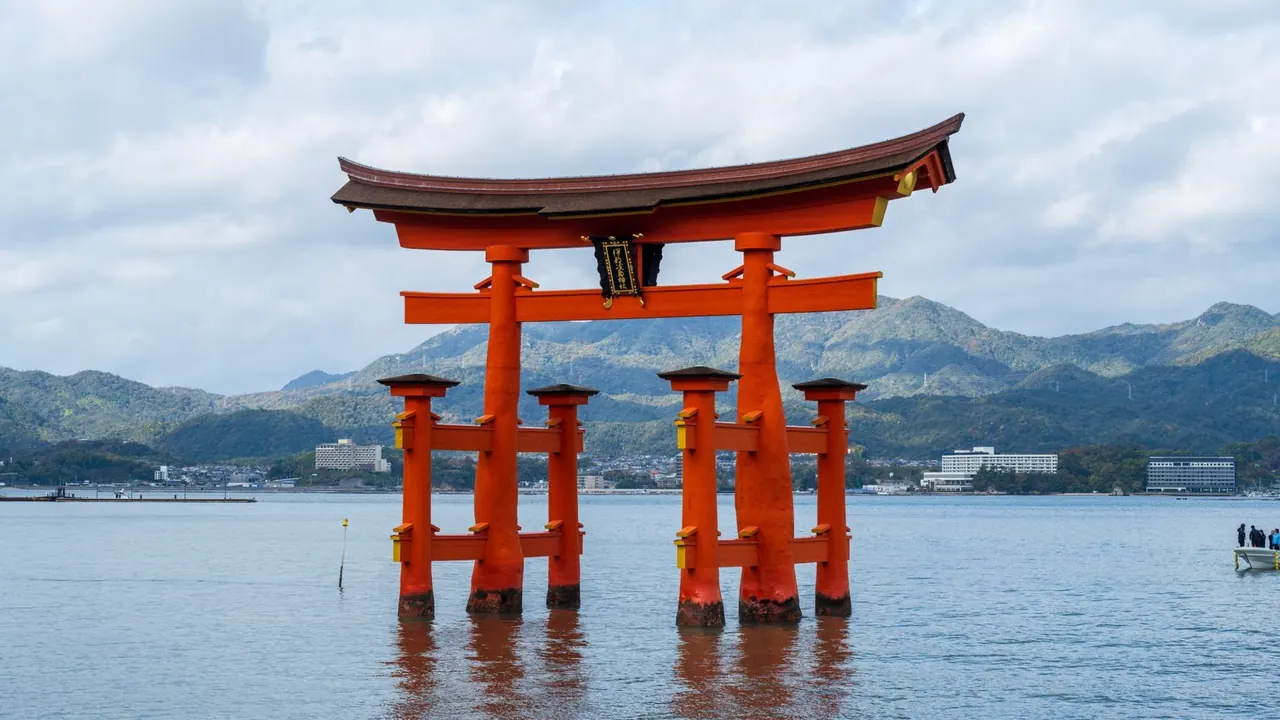
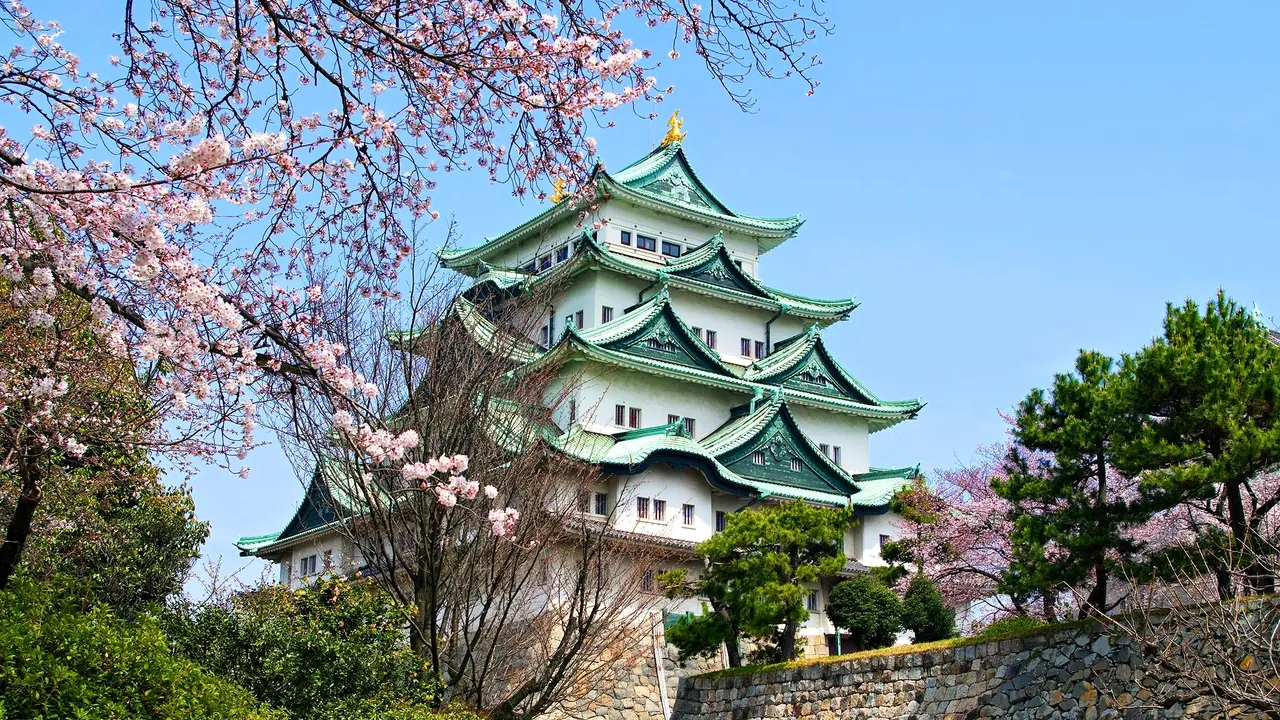
Photos: Hiroshima by Guohua Song, Pexels License; Nagoya by Hiroaki Kaneko, CC BY-SA 3.0, cropped.
Hiroshima or Nagoya?
Our verdict in twelve categories, each scored against the same fixed benchmark cities, and the climate month by month, so you can choose for your trip.
Choose Hiroshima for
- nature and the outdoors
- culture and sights
- nightlife
Hiroshima suits travellers who want one city with a clear purpose and an easy pace. The Peace Memorial Park and its museum make a visit that few places can match, Miyajima is under an hour away, and the flat riverside centre can be covered on foot. Choose it for a focused two or three days that mix history, island ferries and evenings over okonomiyaki, at a calmer speed than most Japanese cities.
Choose Nagoya for
- families
- live music and the arts
- wellness
Nagoya is the better choice for families and for anyone who wants a practical base. Its aquarium, Legoland, Ghibli Park and nearby theme parks give children far more to do, and its place on the shinkansen line puts Kyoto, Osaka and Ise Jingu within easy reach. Add the richer local cooking, bigger department stores, kabuki and easy access to hot springs, and it rewards a longer stay with a varied programme better than Hiroshima does.
Scoreboard
Twelve categories on one fixed scale from 0 to 100. The shaded stretch is the gap between the two.
Your match
Pick a travel style or drag the sliders, and both match scores follow your weighting.
Wins on nature and the outdoors and culture and sights with your weighting.
Wins on families and live music and the arts with your weighting.
What matters to you?
Category by category
What the scores mean for a trip.
Beaches & swimming
Neither city has a beach in town, so swimming is a day out in both. The difference lies in how you get there. From Hiroshima you take a ferry to small sandy coves on Miyajima, Ninoshima or Etajima in the calm Inland Sea, and the swim becomes part of an island day.
From Nagoya a train ride of about an hour reaches the wider beaches of the Chita Peninsula, such as Utsumi. These are crowded with local families at summer weekends, and the bay water is not especially clear. Hiroshima's coves are smaller but more scenic, though jellyfish arrive late in the season.
Food & drink
Nagoya gives a food lover more to work through. Its Nagoya meshi repertoire runs from hitsumabushi eel and miso katsu to tebasaki wings, kishimen noodles and misonikomi udon, each with its own specialist restaurants. Breakfast comes free with your coffee under the morning service custom, the station and Sakae department stores have deep food halls, and Osu adds cheap street snacks.
Hiroshima's table is narrower and revolves around layered okonomiyaki eaten off the griddle at a counter, with bay oysters at their best in winter. Its distinctive extra is Saijo, a sake town a short train ride away where breweries along one street offer tastings.
Culture & sights
These two are evenly matched, but the experience is very different. Hiroshima is dominated by one profound site: the A-Bomb Dome and the Peace Memorial Museum, which demand half a day and leave a lasting mark. Shukkeien garden and the castle grounds round out a short, sobering itinerary.
Nagoya spreads its interest across separate sights in a modern grid. The reconstructed Honmaru Palace, Atsuta Shrine in its forest and the Tokugawa Art Museum's samurai treasures cover the Edo past. The Toyota and railway museums tell the story of industrial Japan, an angle Hiroshima does not offer.
Nightlife
Both cities offer pleasant evenings rather than big nights out. Hiroshima's Nagarekawa is a dense grid of counter bars and izakaya that fills after a home baseball game, and slow sake-led evenings suit it best. Nagoya's Sakae and Nishiki have a handful of dance clubs and some bars open until morning, but the city's early-to-bed reputation means quiet weeknights.
Nature & outdoors
Hiroshima has the more attractive landscape close at hand. The forested islands of the Inland Sea are a ferry ride away, Mount Misen on Miyajima looks over dozens of them, and the rivers and green hills are visible from the city itself. Sandankyo Gorge and the Shimanami Kaido cycling route add longer outings.
Nagoya sits on a flat, built-up plain, so real scenery takes an hour or more. The rewards are mountain and forest rather than sea: Mount Gozaisho's trails and ropeway, Korankei's autumn maples and the Nakasendo walking road through the Kiso Valley.
Day trips
Both are fine bases, but Nagoya's central position on the shinkansen line gives it the edge. Kyoto is about 35 minutes away, Osaka under an hour and Ise Jingu an easy run by Kintetsu train. Closer to the city, Inuyama and Hikone have rare original castle keeps, and Tsumago and Magome preserve the Edo-period post road.
Hiroshima's trips are mostly coastal and island-based. Miyajima's floating torii, Iwakuni's arched bridge, Onomichi's hillside temples and Okunoshima's rabbits are all close, and Himeji Castle and Kurashiki are reachable by shinkansen. It is an excellent list, just shorter on headline names than Kyoto and Ise.
Good for families
Nagoya is far stronger for children. The port aquarium with orcas and belugas, the huge Higashiyama Zoo, the Science Museum's planetarium, Legoland, Ghibli Park and the rides at Nagashima Spa Land could fill a week. The main cost is time, as these sights sit in different corners of the city.
Hiroshima is safe and easy, and feeding Miyajima's deer or meeting Okunoshima's rabbits delights children. Beyond that the choice is thin, with no theme parks or large aquariums nearby. The Peace Memorial Museum's graphic material also needs careful judgement with young children.
Getting around
Both are easy without a car, but in different ways. Hiroshima's centre is flat and compact, with the Peace Park, castle and Hondori all walkable beside the rivers, and Japan's largest tram network continues to the Miyajima ferry, though it crawls at busy times. Nagoya's wide postwar avenues are simple to navigate but tiring to walk, so the punctual subway and a single IC card do most of the work.
Shopping & style
Nagoya offers the bigger shopping trip. Large department stores cluster around Sakae and in the towers above the station, luxury and international brands line the avenues between them, and Osu's arcades mix secondhand clothes, anime and a temple flea market. Craft buyers can find Arimatsu shibori and Seto pottery.
Hiroshima's Hondori arcade is pleasant for an afternoon but holds little luxury. Its strength is local craft: Kumano brushes, Miyajima rice paddles, Saijo sake and lemon products make good gifts.
Affordability
Costs are much the same in both cities, with plenty of fairly priced business hotels and cheap set lunches. The difference lies in where the money goes. In Hiroshima the Peace Park is free and okonomiyaki is filling and cheap, while oysters, sake and a Miyajima ryokan push the bill up. In Nagoya the morning service breakfast helps, but eel dinners and theme park tickets are the big costs.
Live music & performing arts
Nagoya has the deeper programme. The Misono-za stages kabuki with visiting Tokyo stars, the Noh theatre near the castle puts on Noh and kyogen, and the Aichi Arts Center hosts opera, ballet and touring orchestras. Most of it, though, is not aimed at visitors who don't speak Japanese.
Hiroshima's programme is smaller, but kagura is a real draw. This masked, drum-driven Shinto dance-drama is performed in the centre with visitors in mind, and it needs no language to enjoy.
Wellness & relaxation
Nagoya makes a proper soak easier. The big hot-spring complex at Nagashima is under an hour away, and Gero Onsen, one of Japan's classic spa towns, makes a worthwhile overnight trip into the mountains. The gardens of Tokugawaen and Shirotori give the city its quiet corners.
Hiroshima has no hot springs of its own, so a true onsen means a trip of about an hour. It makes up for that with its pace: unhurried riverside walks, Shukkeien's ponds and a night on Miyajima once the day-trippers have left.
When should you go?
Pick your month. The climate figures are measured averages, not a forecast.
Hiroshima in July
Nagoya in July
Daytime high, °C
Rainfall in the month, mm
Temperature and rainfall are climate normals, averaged over the years shown. Hiroshima: 1991-2020 normals, Hiroshima (1.7 km from centre). Nagoya: 1991-2020 normals, Nagoya (5.7 km from centre).
The two cities share almost the same year. Spring and autumn are the times for walking, with April, May, October and November mild and comfortable. July and August reach about 33°C with heavy humidity, which makes long days on foot hard work, and winters are cool but rarely harsh. Midsummer is the only real swimming season, when the sea in both places warms to about 26°C or a degree more.
The wet season falls differently. In Hiroshima the rain peaks in July at around 299mm, so early summer is the dampest stretch. In Nagoya July is wet too, but September is the wettest month and can spoil early autumn plans. Nagoya also gets noticeably more sunshine in winter, so a cold-season city trip there tends to be brighter than in Hiroshima.
Which traveller are you?
On a family trip with children, Nagoya is the clear choice. Its large aquarium with orcas and belugas, Legoland, Ghibli Park, the railway museum and Nagashima Spa Land give days of entertainment, while Hiroshima offers deer and rabbits but no theme parks or large aquariums.
For a relaxing and wellness trip, Nagoya does better. Nagashima's hot-spring complex is under an hour away and Gero Onsen makes a classic overnight stay. Hiroshima has no hot springs of its own, though its unhurried pace and a ryokan night on Miyajima appeal.
For a short city break, Hiroshima works especially well. The Peace Park, castle grounds, Shukkeien and the Nagarekawa bars all lie within a flat, walkable centre, and Miyajima fits into a single day. Nagoya's sights are spread across a wide grid that needs the subway.
Before you go
| Measure | Hiroshima | Nagoya |
|---|---|---|
| Official language | Japanese | Japanese |
| Currency | Yen (JPY) | Yen (JPY) |
| Sockets | AB100 V, 50 and 60 Hz depending on the region | AB100 V, 50 and 60 Hz depending on the region |
| Driving side | Left | Left |
| Time zone | UTC+9 | UTC+9 |
| Emergency number | Police 110, fire 119 | Police 110, fire 119 |
| Elevation | 3 m | 25 m |
| Main airport | Hiroshima Airport (HIJ)43 km from centre10 non-stop destinations | Chubu Centrair International Airport (NGO)37 km from centre43 non-stop destinations |
| Public holidays this year | 16 days | 16 days |
By the numbers
| Measure | Hiroshima | Nagoya |
|---|---|---|
| City population | 1,198,021 | 2,326,844 |
| People per km² | 1,324 | 7,129 |
| Museums within 10 km | 18 | 63 |
| UNESCO World Heritage sites within 50 km | 2 | 0 |
| Swim season, months above 21 °C | 4 months | 5 months |
Where else could you go?
Every comparison below shares a destination with this one, so you can follow Hiroshima or Nagoya somewhere new.