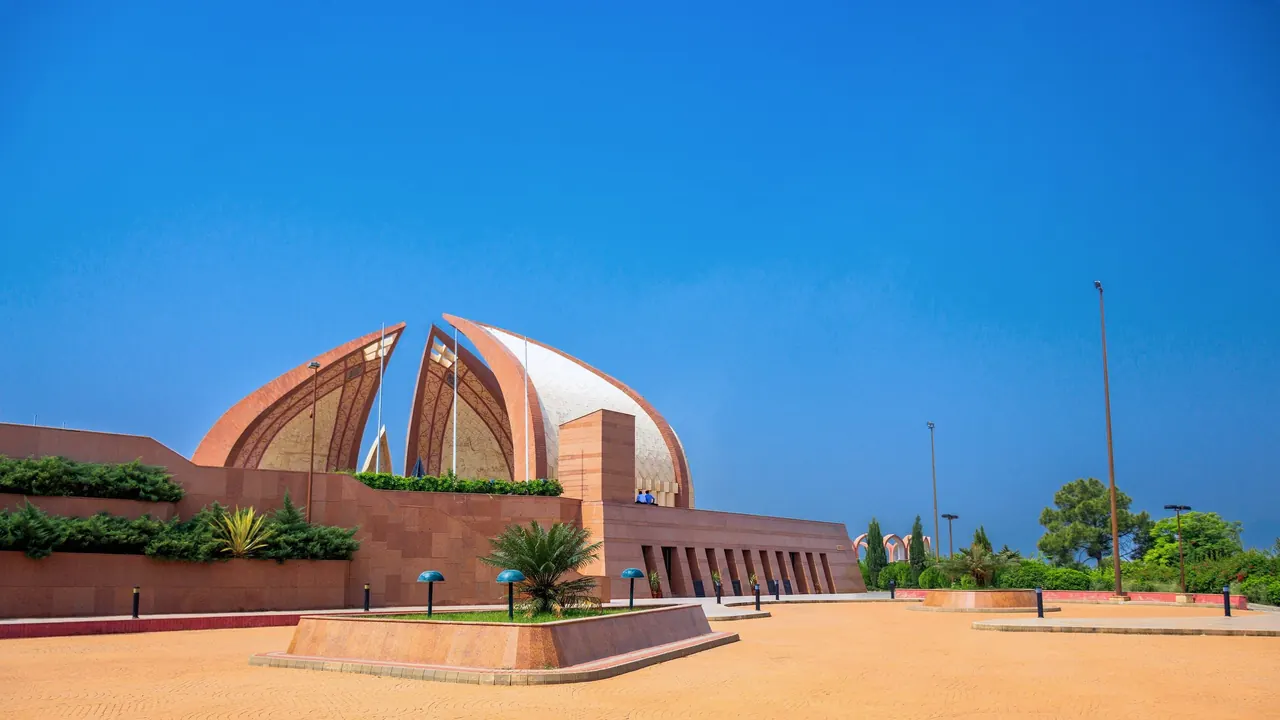
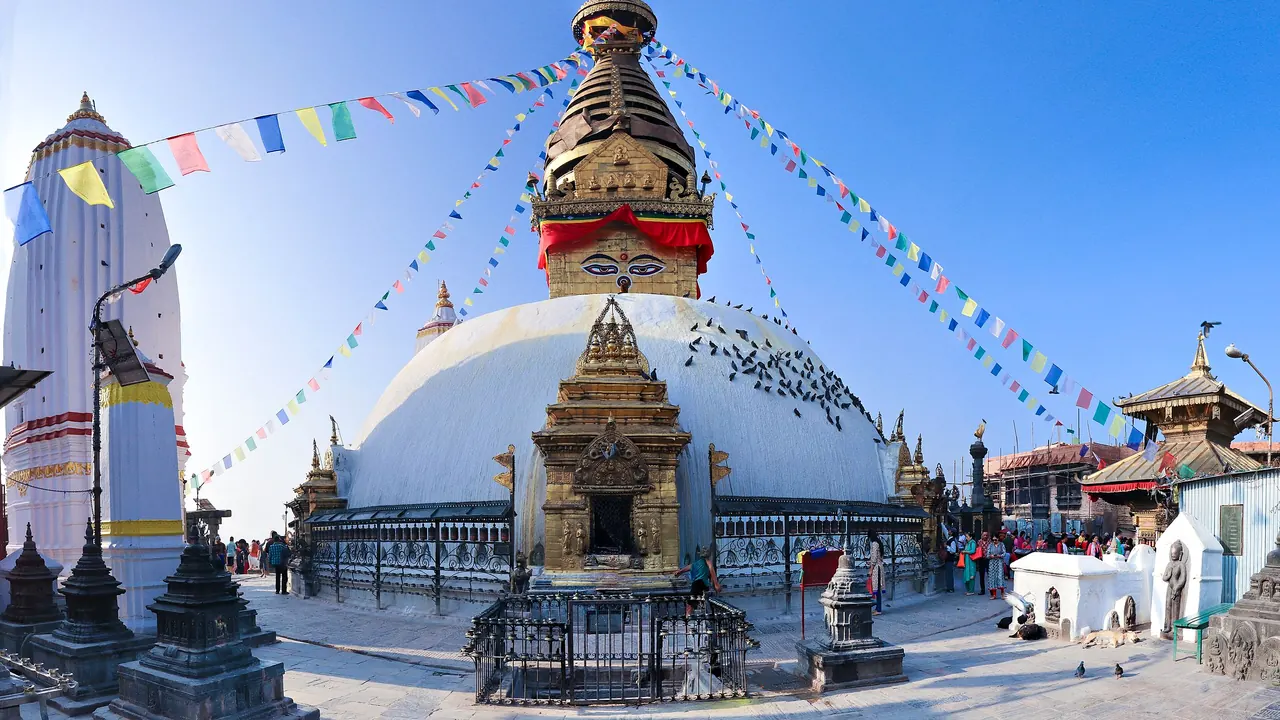
Photos: Islamabad by Fawad4real, CC BY-SA 4.0, cropped; Kathmandu by Nabin K. Sapkota, CC BY-SA 4.0, cropped.
Islamabad or Kathmandu?
Our verdict in twelve categories, each scored against the same fixed benchmark cities, and the climate month by month, so you can choose for your trip.
Choose Islamabad for
- families
- getting around
- nature and the outdoors
Islamabad is the pick if you want a calm, green, orderly base with real walking country on the doorstep. The Margalla trails start at the end of the residential streets, the parks are made for children, and the ancient Gandhara ruins of Taxila and the old bazaars of Rawalpindi are close by. It suits a short stay or the first stop before Pakistan's north, provided you are happy with evenings of grilled meat and sweet tea rather than a drink.
Choose Kathmandu for
- culture and sights
- nightlife
- wellness
Choose Kathmandu when the trip is mainly about heritage and atmosphere. Its temples, stupas and royal squares are part of everyday life, Bhaktapur and Patan add more, and Boudhanath's monasteries offer meditation courses as well as sightseeing. It is also cheaper day to day, has Thamel's easy-going bars, and is the gateway for trekkers, so it rewards travellers who can put up with traffic, dust and lanes without pavements.
Scoreboard
Twelve categories on one fixed scale from 0 to 100. The shaded stretch is the gap between the two.
Your match
Pick a travel style or drag the sliders, and both match scores follow your weighting.
Wins on families and getting around with your weighting.
Wins on culture and sights and nightlife with your weighting.
What matters to you?
Category by category
What the scores mean for a trip.
Beaches & swimming
Neither city is anywhere near a coast, and in both a swim means a hotel pool. Islamabad's Rawal Lake is good for boating and walks along the shore. Kathmandu's cold mountain rivers, a few hours away, are for rafting rather than bathing.
Food & drink
The two are equally rewarding for food, but in very different ways. Islamabad is meat country: karahi cooked to order in iron pans, charcoal kebabs, chapli kebabs and nihari for breakfast, with Rawalpindi's bazaars next door for halwa puri and thick doodh patti tea. Alcohol is effectively absent, so evenings run on tea, juice and lassi.
Kathmandu's cooking is lighter and more varied. There is dal bhat refilled until you stop, Newari dishes such as choila and yomari around the old bazaars and Patan, momos on every corner and Tibetan noodle soup near Boudhanath. Rice beer and bars are part of the picture, although Thamel's international menus are uneven and you need to be careful with water.
Culture & sights
Kathmandu is in another league here. Pagoda temples crowd Durbar Square around the house of the living goddess, pilgrims circle Boudhanath at dusk, and cremations take place in the open at Pashupatinath. Patan's square and museum, along with the carved courtyards off Asan and Indra Chowk, would fill several more days.
Islamabad was built in the 1960s and its sights are modern. The Faisal Mosque against the Margalla Hills is genuinely striking, and Lok Virsa explains the country's regional crafts and music well. After that the list runs short, and the deep history lies outside the city.
Nightlife
Kathmandu at least has a night out. Thamel's rooftop bars, pool halls and a few dance clubs fill with trekkers back from their routes, though most places close around midnight.
Islamabad has no bars or clubs to speak of. Evenings mean late dinners, ice cream and tea in the sector markets, which stay busy with families well into the night.
Nature & outdoors
Both have excellent country close at hand, and the difference is in the setting. In Islamabad the Margalla Hills rise straight from the northern sectors, with numbered trails up through pine forest to Daman-e-Koh, and the cool Galyat ridge around Nathia Gali is within a couple of hours.
Kathmandu's draw is the snow peaks beyond its forested rim. You can watch sunrise over the Himalaya from Nagarkot, walk the Shivapuri trails or take a mountain flight past Everest. Rafting rivers and the Langtang treks are a few hours out.
Day trips
The two are about level, but Islamabad's outings cover more ground. Taxila's Gandhara monasteries are under an hour away, and Rohtas Fort, Katas Raj and the Khewra salt mine are each a full day, almost always with a driver.
Kathmandu has one outstanding trip: Bhaktapur with Changu Narayan above it. The other outings, Kirtipur, Bungamati and Panauti, are charming Newari variations on the same theme, and traffic makes each of them slower than the distance suggests.
Good for families
Islamabad is the easier city with children. It has big parks with rides by Rawal Lake, dioramas and dinosaurs at the natural history museum, gentle lower trails and a calm, green atmosphere, although the summer heat and patchy pavements still need planning around.
Kathmandu catches children's attention with the monkeys at Swayambhunath and the spinning prayer wheels, but there is little built for them. Narrow lanes, traffic, dust and care with food and water make it better suited to older children heading on to a trek.
Getting around
Islamabad is a city planned around the car, while Kathmandu's old quarters were laid out long before cars arrived. In Islamabad the wide avenues and spread-out sectors are easy to read on a map but tiring and unpleasant on foot. Cheap ride-hailing does most of the work, and the Metro Bus is handy for Rawalpindi.
Kathmandu's old city and Thamel are compact enough to walk, although you share the lanes with motorbikes. There is no metro, the minibuses are hard for visitors to use, and heavy traffic turns short hops to Patan or Boudhanath into long rides.
Shopping & style
Both cities sell craft rather than fashion, and Kathmandu's is the more distinctive. Patan's workshops cast bronze statues, the shops around Boudhanath sell thangkas and Tibetan carpets, and Thamel is lined with pashmina, singing bowls and trekking gear, much of it copies.
Islamabad's markets are good for Kashmiri shawls, carpets, onyx and tailored shalwar kameez, and Rawalpindi's Raja Bazaar adds a real bazaar crowd. Unlike Kathmandu, it also has large malls with international chains.
Affordability
Both are cheap, and Kathmandu is cheaper still. Comfortable guesthouses and plates of momos cost very little, and the money goes on foreigners' entry fees at the heritage sites, imported drinks and any trekking permits or mountain flights.
Islamabad is Pakistan's most expensive city, and its business hotels charge to match. Grills, ride-hailing and sights still cost little, and mid-range guesthouses in the sectors keep a stay modest.
Live music & performing arts
Neither has much formal stage life, though Kathmandu gives you more chances to hear something. Bands play rock and Nepali folk in Thamel most nights, masked dances fill the streets during Indra Jatra, and an autumn jazz festival has run for years.
In Islamabad, the most memorable live music is qawwali at shrines such as Bari Imam. Concerts at the arts council and Lok Virsa's folk festivals are occasional, and many visitors never see a performance.
Wellness & relaxation
Kathmandu is the more serious choice for rest of the mind. Kopan and the other monasteries around Boudhanath teach meditation, and yoga, Ayurvedic treatments and cheap massage are everywhere. To find calm, you retreat to a monastery or a hill retreat, because the city itself is loud.
Islamabad works the other way round. The city is quiet in itself, with leafy sectors and morning walks in the foothills, but spa treatments are mostly limited to the larger hotels.
When should you go?
Pick your month. The climate figures are measured averages, not a forecast.
Islamabad in July
Kathmandu in July
Daytime high, °C
Rainfall in the month, mm
Temperature and rainfall are climate normals, averaged over the years shown. Islamabad: 1991-2020 (sunshine 1961-1990) normals, Islamabad Airport (10.8 km from centre). Kathmandu: 1991-2020 normals, Kathmandu Airport (4.7 km from centre).
Islamabad has a fierce lowland summer. May and June climb to around 38°C, too hot for walking the scattered sectors at midday, and July and August bring the monsoon, with about 308mm falling in August. Late February and March are fairly wet too. The best windows are October and November, which are dry, sunny and warm, and early April. Winter days are mild and fine for sightseeing.
Kathmandu sits high in its valley and never gets properly hot, with summer highs that level off at about 29°C. The monsoon there is heavier, peaking at around 384mm in July, and from June to September cloud cuts the sunshine and hides the mountains. October and November are the classic season, dry and clear with the best Himalayan views. December to February stays dry with pleasant days, though haze often softens the skyline.
Which traveller are you?
For a culture and arts trip, Islamabad gives you a couple of days of modern landmarks, then sends you out by car for its older history. Kathmandu can fill a week on its own, with each morning in a different royal square or temple and rituals still part of daily life.
On a family trip with children, Islamabad is easier from one day to the next. You can plan around open green space, short drives and relaxed evenings out with local families. In Kathmandu every outing means traffic and care with food and water, so it suits older children better.
For a food and nightlife trip, an evening in Islamabad means a long dinner, then sweets and tea, with no drink. Kathmandu keeps going after the meal: a beer with trekkers back from the hills, live bands in Thamel, and Newari dishes to look for during the day.
Before you go
| Measure | Islamabad | Kathmandu |
|---|---|---|
| Official language | Urdu, English | Nepali |
| Currency | Pakistan Rupee (PKR) | Nepalese Rupee (NPR) |
| Sockets | CGM230 V, 50 Hz | CM230 V, 50 Hz |
| Driving side | Left | Left |
| Time zone | UTC+5 | UTC+5:45 |
| Emergency number | Police 15, ambulance 1122, fire 16 | Police 100, ambulance 102, fire 101 |
| Elevation | 490 m | 1,300 m |
| Main airport | Islamabad International Airport (ISB)26 km from centre43 non-stop destinations | Tribhuvan International Airport (KTM)4 km from centre39 non-stop destinations |
By the numbers
| Measure | Islamabad | Kathmandu |
|---|---|---|
| Population | 1,014,825 | 845,767 |
| People per km² | 1,120 | 17,121 |
| Museums within 10 km | 5 | 9 |
| UNESCO World Heritage sites within 50 km | 1 | 1 |
Where else could you go?
Every comparison below shares a destination with this one, so you can follow Islamabad or Kathmandu somewhere new.
- Pokharavs Kathmandu
- Lahorevs Islamabad
- Amritsarvs Islamabad
- Darjeelingvs Kathmandu
- Varanasivs Kathmandu
- Lehvs Islamabad