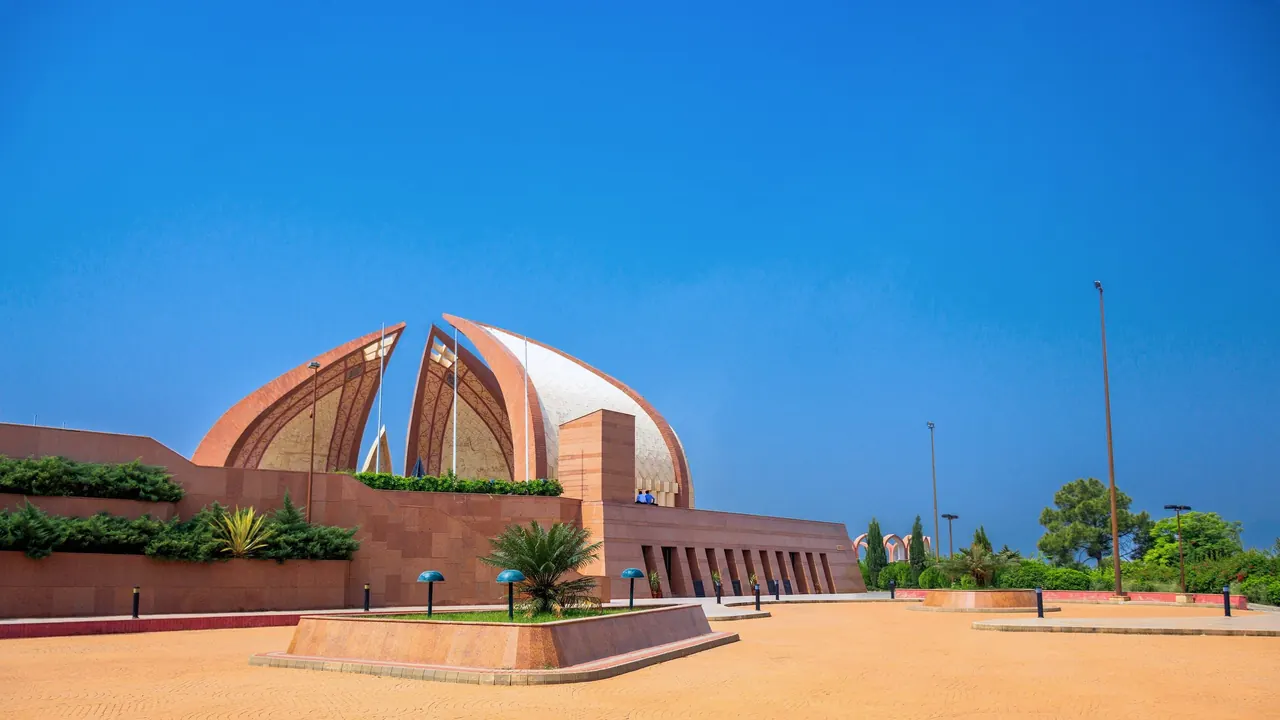
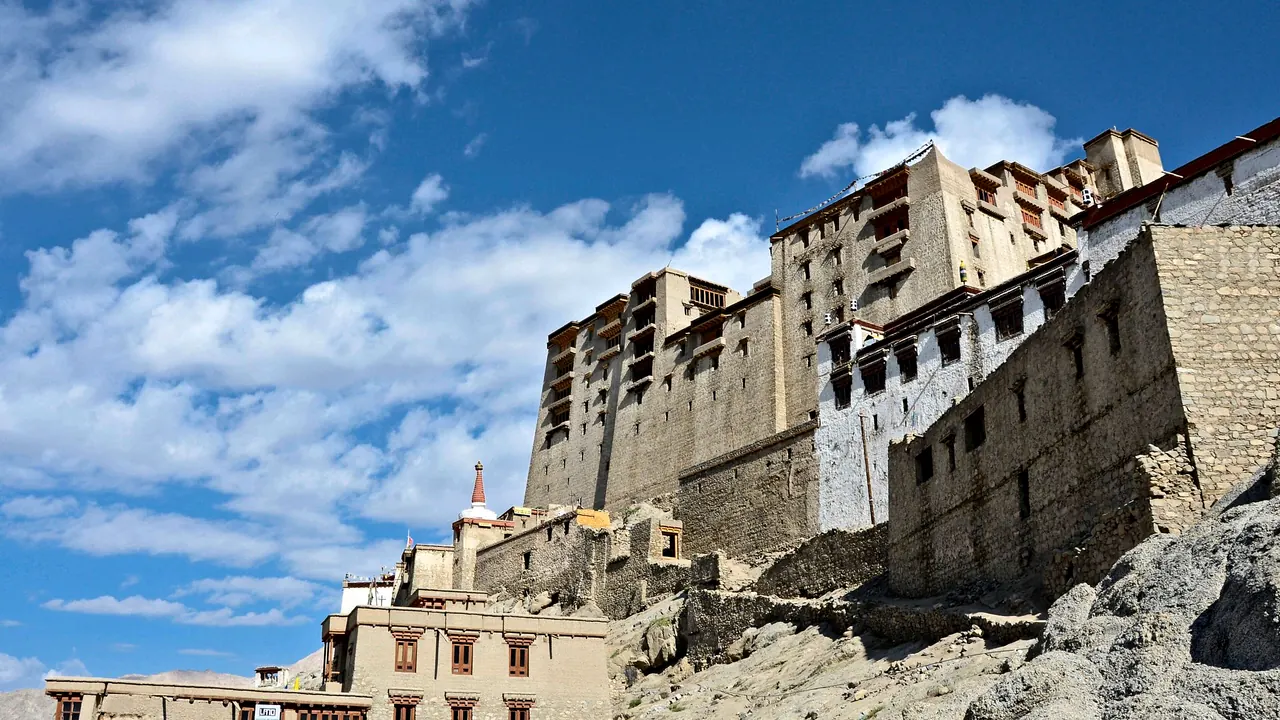
Photos: Islamabad by Fawad4real, CC BY-SA 4.0, cropped; Leh by Rayan Naqash, CC BY-SA 3.0, cropped.
Islamabad or Leh?
Our verdict in twelve categories, each scored against the same fixed benchmark cities, and the climate month by month, so you can choose for your trip.
Choose Islamabad for
- families
- food and drink
- shopping
Islamabad suits a traveller who wants a gentle, green introduction to Pakistan: hearty Punjabi and Pashtun grills, the Faisal Mosque under the Margalla Hills, morning trails straight from the city and an easy hour to the Gandhara ruins at Taxila. It is the easier of the two with children, the better place to shop for carpets and shawls, and it asks nothing of your lungs.
Choose Leh for
- nature and the outdoors
- culture and sights
- day trips
Leh is for those who come for the mountains and the monasteries. The landscape around it, from the Markha valley to Khardung La and Pangong Tso, is on another scale, and the painted temples of Alchi and the gompas along the Indus give it the stronger heritage. In return it demands acclimatisation, long mountain drives and a tolerance for simple food, which makes it a trip for fit adults rather than families.
Scoreboard
Twelve categories on one fixed scale from 0 to 100. The shaded stretch is the gap between the two.
Your match
Pick a travel style or drag the sliders, and both match scores follow your weighting.
Wins on families and food and drink with your weighting.
Wins on nature and the outdoors and culture and sights with your weighting.
What matters to you?
Category by category
What the scores mean for a trip.
Beaches & swimming
Neither city is a place to swim. In Islamabad the reservoirs are for boating and the only water you will get into is a hotel pool; in Leh the snowmelt rivers are far too cold for bathing, though the Indus does give you a chance to go rafting.
Food & drink
Islamabad eats far better. Karahi cooked to order in iron pans, charcoal seekh kebabs, chapli kebabs and breakfast nihari fill the sector markets, and Rawalpindi's bazaars next door add halwa puri and thick milky tea. The catch is that there is no alcohol and so no bar culture.
Leh's cooking is warming but plain: momos, thukpa, skyu and salty butter tea, plus apricots and sea buckthorn juice. The rooftop cafés around the Main Bazaar and Changspa serve trekkers pizza and good coffee, and you can find a beer, but much of it closes outside summer.
Culture & sights
Leh has the richer heritage. The nine-storey palace looms over a maze of mud-brick lanes and chortens, with Namgyal Tsemo above it, Sankar's working monastery at the edge of town and the Shanti Stupa at sunset.
Islamabad is a 1960s planned capital, so its sights are modern: the Faisal Mosque is genuinely striking, and Lok Virsa is the best place to understand Pakistan's regional crafts and music. Beyond those and Saidpur Village the list runs short, and its ancient history lies outside the city.
Nightlife
Both cities go quiet after dinner, but in different ways. Islamabad's evenings belong to families eating late, with ice cream and tea in sector markets that stay busy well into the night, though without a drink in sight. In Leh you might have a beer on a rooftop terrace, but cold nights and dawn starts send everyone to bed early.
Nature & outdoors
Leh is the bigger draw. It sits in the Indus valley under the snowy Stok range, with Markha valley treks, a road over 5,000m at Khardung La, rafting gorges and, in winter, snow leopard tracking and the frozen Chadar trek. The drawback is that you need a few days to acclimatise first.
Islamabad's strength is convenience. Numbered trails climb from the northern sectors into the Margalla Hills to Daman-e-Koh and Pir Sohawa, and the cool pine forests of Nathia Gali are a couple of hours away. It makes an excellent green capital, but it is not a gateway to high mountains in the way Leh is.
Day trips
Leh's outings are narrower but finer. Thiksey, Shey and Hemis are within an hour along the Indus, and Alchi's painted temples rank among the best early Buddhist art anywhere, though almost everything is a monastery or a palace.
Islamabad gives you more variety at lower intensity: the Gandhara ruins and sculpture museum at Taxila in under an hour, old Rawalpindi next door, and then Rohtas Fort, Katas Raj and the Khewra salt mine for longer days by car.
Good for families
Islamabad is much the easier place for a family. Children are warmly welcomed, Fatima Jinnah Park and Lake View Park have space and rides, and the natural history museum has dinosaurs, though the summer heat and car-bound distances wear on small children.
Leh is a poor fit for young families. The single flight up to altitude risks sickness, and days out are long mountain drives. Robust teenagers keen on rafting or trekking are the exception.
Getting around
Islamabad is the easier city to get around, though not on foot: its lettered sectors are split by wide avenues that are unpleasant to cross. Cheap ride-hailing and the Metro Bus to Rawalpindi make up for that.
Leh's centre is small enough to walk from the Main Bazaar to Changspa, but the slopes are tiring in the thin air. Beyond town you depend on fixed-fare union taxis, hired motorbikes or shared jeeps, and some passes close in winter.
Shopping & style
Islamabad has more to buy and more variety. Jinnah Super and Kohsar Market sell carpets, Kashmiri shawls, onyx, truck-art souvenirs and tailored shalwar kameez, there are malls for international brands, and Rawalpindi's Raja Bazaar gives you the crowded bazaar experience.
Leh's Main Bazaar is a pleasant place to browse for pashmina, thangkas, turquoise jewellery and trekking gear, but stock repeats from stall to stall and quality is uneven.
Affordability
Both are cheap places to stay, with Islamabad a little kinder over a whole trip because its taxis and ride-hailing cost little and most sights are free or nearly so. In Leh, guesthouses and momos are inexpensive, but the union taxi fares, car hire for every outing, permits for the outer valleys and summer hotel rates add up.
Live music & performing arts
Neither city has a regular stage, so what you see depends on timing. Islamabad's most memorable tradition is qawwali at shrines such as Bari Imam, alongside occasional concerts at the national arts council and Lok Virsa's folk festivals. Leh's is the masked cham dancing in monastery courtyards, above all at the summer Hemis festival and around Losar.
Wellness & relaxation
Islamabad's calm is the easy kind: leafy residential sectors, wide quiet streets and early walks in the Margalla foothills, with spa treatments mostly left to the bigger hotels. Leh's is more inward, built around slow guesthouse mornings, meditation courses near town and consultations with amchi practitioners of Tibetan medicine, though thin air and broken sleep in the first days work against real rest.
When should you go?
Pick your month. The climate figures are measured averages, not a forecast.
Islamabad in July
Leh in July
Daytime high, °C
Rainfall in the month, mm
Where the figures come from
Leh has no weather station within reach, so its figures come from a gridded climate model rather than a measured record, and read a broad area rather than one spot.
Temperature and rainfall are climate normals, averaged over the years shown. Islamabad: 1991-2020 (sunshine 1961-1990) normals, Islamabad Airport (10.8 km from centre). Leh: 1991-2020 normals, TerraClimate 4 km grid at the town, no weather station within 90 km.
Islamabad is at its best in October and November, when days are warm, dry and sunny, and again in April, the drier and brighter of the spring months. February and March are mild but wetter. By June the lowland heat reaches 38°C, too hot for walking between the scattered sectors, and then the monsoon arrives, with August bringing around 308mm of rain. Winter days stay mild and suit sightseeing, though they are less sunny than autumn.
Leh runs on the opposite calendar. Its season is June to September, when afternoons reach about 25°C and the air is so dry that rain hardly counts in any month. Spring and autumn are crisp, and by January the daytime high sits near -3°C, cold enough to close passes and shut much of the café scene. So Leh is the summer choice, just when Islamabad is at its hottest and wettest, and Islamabad is the better pick for autumn or April.
Which traveller are you?
On an outdoors trip, Leh is the clear choice. Treks through Hemis National Park, rafting on the Indus and Zanskar, the ride down from Khardung La and overnight trips to Nubra and Pangong Tso far outstrip Islamabad's fine but gentler Margalla trails.
On a family trip with children, Islamabad wins easily. It has big parks by Rawal Lake, dinosaurs at the natural history museum and easy lower trails, all at normal altitude, whereas Leh's thin air and long mountain drives make it hard going for young children.
For a culture and arts trip, Leh is more rewarding. The Potala-like palace, the old mud-brick town and a ring of monasteries culminating in Alchi's thousand-year-old murals outweigh Islamabad's modern capital, though Taxila's Gandhara ruins give Islamabad a strong day out.
Before you go
| Measure | Islamabad | Leh |
|---|---|---|
| Official language | Urdu, English | Hindi, English |
| Currency | Pakistan Rupee (PKR) | Indian Rupee (INR) |
| Sockets | CGM230 V, 50 Hz | CM230 V, 50 Hz |
| Driving side | Left | Left |
| Time zone | UTC+5 | UTC+5:30 |
| Emergency number | Police 15, ambulance 1122, fire 16 | 108 or 112 |
| Elevation | 490 m | 3,500 m |
| Main airport | Islamabad International Airport (ISB)26 km from centre43 non-stop destinations | Leh Kushok Bakula Rimpochee Airport (IXL)5 km from centre5 non-stop destinations |
By the numbers
| Measure | Islamabad | Leh |
|---|---|---|
| Population | 1,014,825 | 30,870 |
| People per km² | 1,120 | - |
| Museums within 10 km | 5 | 2 |
| UNESCO World Heritage sites within 50 km | 1 | 0 |
Where else could you go?
Every comparison below shares a destination with this one, so you can follow Islamabad or Leh somewhere new.