
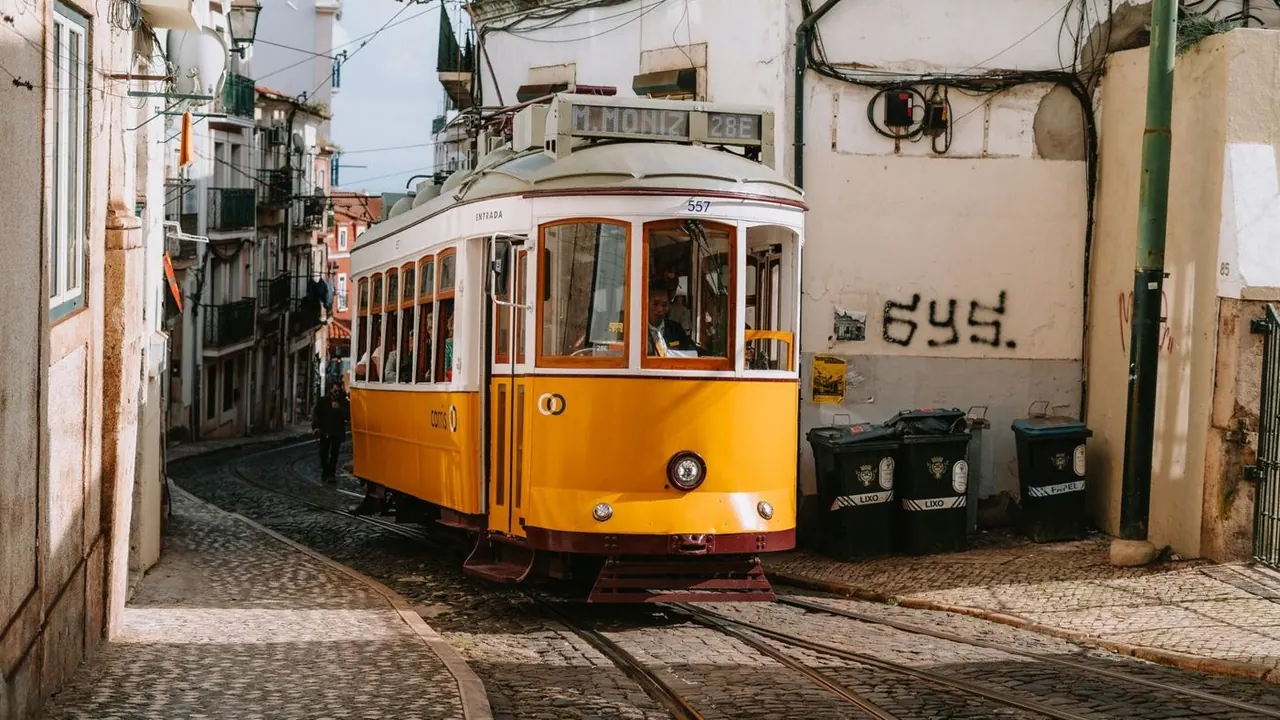
Photos: Jerez de la Frontera by PEPE GADEIRAS, CC BY 4.0, cropped; Lisbon by Riccardo Toso, Pexels License.
Jerez de la Frontera or Lisbon?
Our verdict in twelve categories, each scored against the same fixed benchmark cities, and the climate month by month, so you can choose for your trip.
Choose Jerez de la Frontera for
- prices
- beaches
- wellness
Jerez suits a slower, more focused trip into Andalusian tradition. Its days revolve around sherry bodegas, tabancos and flamenco peñas in the old gypsy quarters, and it costs less than Lisbon. It is also a good base for Seville, Cádiz and the white towns, and the sandy Costa de la Luz beaches, with warmer water, are a short ride away. Choose it if you want depth in one regional culture and quiet evenings more than late nights.
Choose Lisbon for
- nightlife
- shopping
- culture and sights
Lisbon is the better pick for a fuller city trip. It has more to see, from Belem's monuments to the Gulbenkian, more varied eating and drinking, and nights in Bairro Alto and Cais do Sodre that go on far later than anything in Jerez. The coast, the Sintra hills and Arrabida are all close by, and the shopping goes well beyond souvenirs. You pay a little more for rooms and climb a lot more hills.
Scoreboard
Twelve categories on one fixed scale from 0 to 100. The shaded stretch is the gap between the two.
Your match
Pick a travel style or drag the sliders, and both match scores follow your weighting.
Wins on prices and beaches with your weighting.
Wins on nightlife and shopping with your weighting.
What matters to you?
Category by category
What the scores mean for a trip.
Beaches & swimming
Neither city has a beach of its own, but Jerez's coast is better for a swim. Valdelagrana and El Puerto de Santa María are a short trip away, and Cádiz's La Caleta and Playa de la Victoria are half an hour by train. The broad sands at Sanlúcar and La Barrosa are within an hour. The water is a few degrees warmer, although the Levante wind can make some days rough.
From Lisbon, the Cascais line runs past Carcavelos and the calmer bays of Estoril, and Costa da Caparica stretches out across the river. The sea is cooler, and swell often makes these beaches better for surfing than swimming. The sheltered Arrabida coves are the best water, but you need a car to get there.
Food & drink
Lisbon offers more variety. Grilled fish and bacalhau in family tascas, clams and crab in seafood beer halls, warm custard tarts at every pastelaria, and cheap glasses of Douro, Alentejo and vinho verde wine make eating out a daily pleasure. Markets such as the Mercado da Ribeira mix produce stalls with places to eat.
Jerez is narrower but very deep. Everything centres on sherry, poured from the barrel in tabancos with chicharrones or cheese, or tasted in the bodegas themselves. Kidneys and oxtail cooked in sherry, and fried fish from Sanlúcar, round out a cuisine built on one strong tradition.
Culture & sights
Lisbon has far more to see. Belem alone has the Manueline Jeronimos Monastery, the Belem Tower and the Coach Museum. The rebuilt Baixa grid, the medieval lanes of Alfama below the castle and museums such as the Gulbenkian and the National Tile Museum easily fill three or four days.
Jerez's heritage is smaller and more particular to the place. It has the Almohad Alcázar with its Arab baths, Gothic-Mudéjar parish churches and the old flamenco quarters of Santiago and San Miguel. Two experiences you will not find elsewhere are the cathedral-like sherry bodegas and the dressage horses of the Royal Andalusian School, but two or three days cover it all.
Nightlife
Lisbon is where you go out. On warm weekends Bairro Alto's lanes become one large standing crowd, Cais do Sodre's bars carry on later, and the warehouse clubs along the river do not fill until after 2am. Principe Real adds cocktail bars and the heart of the gay scene.
Jerez keeps to late Andalusian hours, but its nights are provincial: tapas, copa bars and tabancos around Plaza del Arenal and Calle Larga, with a few clubs. The exception is the Feria del Caballo in May, when the casetas dance until dawn for a week.
Nature & outdoors
Lisbon has wilder landscapes closer to hand. The forested Sintra hills run down to the cliffs at Cabo da Roca and the dunes of Guincho, Ericeira draws surfers all year, and the steep limestone of Arrabida offers hiking, kayaking and dolphin trips from Setubal. Within the city there is shade in the Monsanto forest park.
Around Jerez, the white vineyard country is gentle, so the bigger scenery takes a drive. The gorges of the Sierra de Grazalema are over an hour away, and boats from Sanlúcar cross to the edge of Doñana's wetlands. Horse riding and birdwatching in the Bay of Cádiz marshes are the local outdoor activities, and the summer heat limits hiking.
Day trips
Both cities are excellent bases, but the trips are different. From Jerez, Seville is an hour away by train and ancient Cádiz half an hour, and the sherry towns of El Puerto and Sanlúcar are close. With a car you can reach the cliff-top white towns from Arcos to Ronda, and even Gibraltar.
From Lisbon, the palaces of Sintra fill a full day forty minutes away by train, and Cascais and Mafra are easy half days. Further out, walled Evora and the UNESCO monasteries of Alcobaca, Batalha and Tomar make up a longer heritage circuit.
Good for families
Pushchairs move easily around flat Jerez, where the zoo and botanical garden is one of the better ones in Spain and the horse show at the equestrian school usually holds children's attention. Beyond those two, little is built for children, and July and August in town are very hot.
Lisbon is harder on parents' legs but gives children more to do. The Oceanario's huge central tank, the science centre and the riverside cable car are all together at the Parque das Nacoes, and the yellow trams and the Santa Justa lift are rides in themselves. The train to the Cascais beaches makes a hot day easy, though the stairways and slippery limestone mean a baby carrier works better than a pushchair.
Getting around
Both centres can be done on foot, but they feel very different. Jerez is small and flat, with the Alcázar, the bodegas and the tapas streets a short stroll apart. The station and airport are close, but you need a hired car for the white towns and the sierra.
Lisbon makes you climb. Its seven hills mean steep stairways and polished stone, eased by a clear metro, funiculars and the slow, crowded trams. Suburban trains to Sintra and Cascais and the river ferries all run on one card, so you rarely need a car.
Shopping & style
Lisbon is the better place to shop. You can choose between the luxury boulevard of Avenida da Liberdade, Chiado's old bookshops and glove makers, and the designers and antiques of Principe Real. The flea market and the LX Factory add more, and azulejo tiles, cork goods and Burel wool are worth carrying home.
Jerez's Calle Larga is a modest high street. What makes shopping there worthwhile is local: sherry and brandy from the bodegas, saddlery and leather riding boots, and flamenco dresses and guitars near the old quarters.
Affordability
Jerez is the cheaper of the two, mainly because central hotels stay moderately priced, apart from the Feria, the flamenco festival and the motorcycle race weekends. Sherry in the tabancos and bodega tours cost little, and you rarely need to pay for transport.
In Lisbon, coffee, set lunches, house wine and fares are cheap, but rooms in the central quarters cost about what they would in other southern European capitals. Visitor restaurants in Baixa and Chiado also add to the bill.
Live music & performing arts
Each city has its own song, and both are best heard where it began. In Jerez, that means flamenco and the bulería in the peñas of Santiago and San Miguel and in unpolished tabanco sessions, with the late-winter festival at the Teatro Villamarta as the year's highlight.
Lisbon's fado is sung nightly in the casas of Alfama and Mouraria. It also has a broader formal scene, with the Gulbenkian orchestra, the São Carlos opera house and the Centro Cultural de Belem.
Wellness & relaxation
Neither city is built for a spa break, and both rely on a slow pace. Jerez does have an Arab-style bathhouse with warm pools in the old town, plus shaded patios and quiet afternoons in the heat.
Lisbon has no baths of its own, only hotel spas, and its old quarters are noisy. Real rest usually means staying out on the Cascais coast or in the Sintra hills.
When should you go?
Pick your month. The climate figures are measured averages, not a forecast.
Jerez de la Frontera in July
Lisbon in July
Daytime high, °C
Rainfall in the month, mm
Temperature and rainfall are climate normals, averaged over the years shown. Jerez de la Frontera: 1991-2020 normals, Jerez De La Fronteraaeropuerto (9.9 km from centre). Lisbon: 1991-2020 normals, Lisboa / Geof (1.1 km from centre).
Both cities are at their best in spring and early autumn, but their summers are very different. Inland Jerez gets truly hot in July and August, with afternoons around 34°C that make sightseeing hard work, so the beach is the only sensible place to be in the middle of the day. Lisbon peaks at about 28°C, cooled by the Atlantic, which makes summer city walking more comfortable. Both have long, sunny summers that are almost completely dry.
For swimming, Jerez's coast is better. The water reaches about 23°C in August, while around Lisbon it rarely gets past 19°C. From October to December the rain returns to both cities, and Lisbon gets more of it, with November the wettest month at about 121mm. Winters are mild in both, a little warmer and sunnier in Jerez.
Which traveller are you?
On a beach and sun trip, Jerez has the edge. The long golden sands of Cádiz, Valdelagrana and La Barrosa are close by train or car, the summers are sunnier, and the Atlantic is noticeably warmer for swimming than off Lisbon's coast.
For a food and nightlife trip, Lisbon is the clear choice. Jerez's evenings mostly end in tabancos and tapas bars, while Lisbon moves from seafood beer halls and neighbourhood tascas to the street crowds of Bairro Alto and riverside clubs open until morning.
On a tight budget, Jerez goes further. You can spend evenings at the flamenco peñas, take the short train to the Cádiz beaches and walk everywhere else on the flat. In Lisbon, saving money means choosing river viewpoints over rooftop bars, eating at tascas in residential streets and sleeping outside the centre.
Before you go
| Measure | Jerez de la Frontera | Lisbon |
|---|---|---|
| Official language | Spanish | Portuguese |
| Currency | Euro (EUR) | Euro (EUR) |
| Sockets | CF230 V, 50 Hz | CF230 V, 50 Hz |
| Driving side | Right | Right |
| Time zone | UTC+1, UTC+2 in summer | UTC, UTC+1 in summer |
| Emergency number | 112 | 112 |
| Elevation | 58 m | 100 m |
| Main airport | Jerez Airport (XRY)10 km from centre26 non-stop destinations | Lisbon Humberto Delgado Airport (LIS)7 km from centre157 non-stop destinations |
| Public holidays this year | 12 days | 14 days |
By the numbers
| Measure | Jerez de la Frontera | Lisbon |
|---|---|---|
| City population | 213,634 | 545,796 |
| People per km² | 180 | 5,453 |
| Museums within 10 km | 14 | 80 |
| UNESCO World Heritage sites within 50 km | 1 | 3 |
| Swim season, months above 21 °C | 3 months | None |
Where else could you go?
Every comparison below shares a destination with this one, so you can follow Jerez de la Frontera or Lisbon somewhere new.
- Cadizvs Jerez de la Frontera
- Sintravs Lisbon
- Cascaisvs Lisbon
- Sevillevs Jerez de la Frontera
- Rondavs Jerez de la Frontera
- Marbellavs Jerez de la Frontera